










Step-by-Step Guide to Shopping for Perfect New Headphones
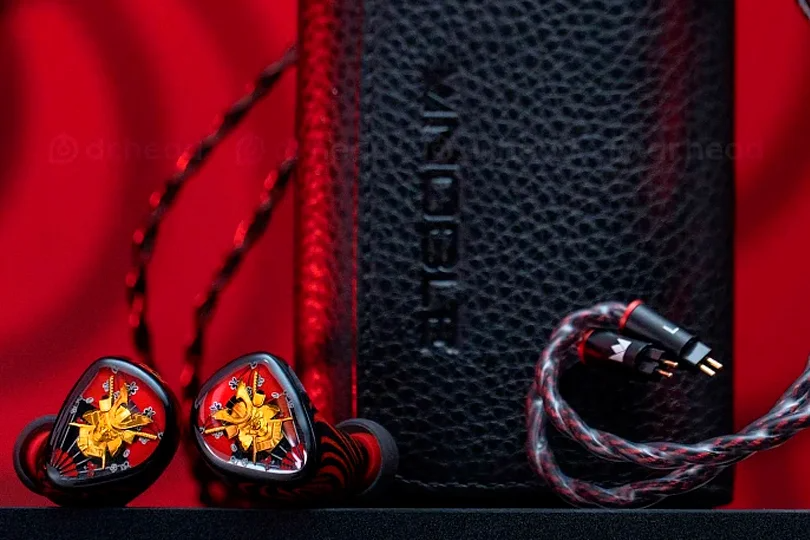
Open-back and closed-back, over-ear and in-ear, wired and wireless, dynamic and planar magnetic… Let's be real, the headphone market in 2025 is overwhelming. Add in all the various brands, technical specs like impedance and sensitivity, and a price range that goes from pocket change to a down payment on a car, and it's enough to make anyone's head spin.
So, which specs actually matter, and which can you safely ignore? How do you find the perfect pair?
It all starts with one simple question: What are you actually going to do with your headphones? And what do you value most — pure sound quality, everyday convenience, or the best bang for your buck? Figure that out, and this guide will handle the rest.
Contents
Step 1: What's Your Mission? Classification by Use Case
First things first, why do you need these headphones? Sure, "to listen to music" is a good start, but let's get a bit more specific.
For Home Listening
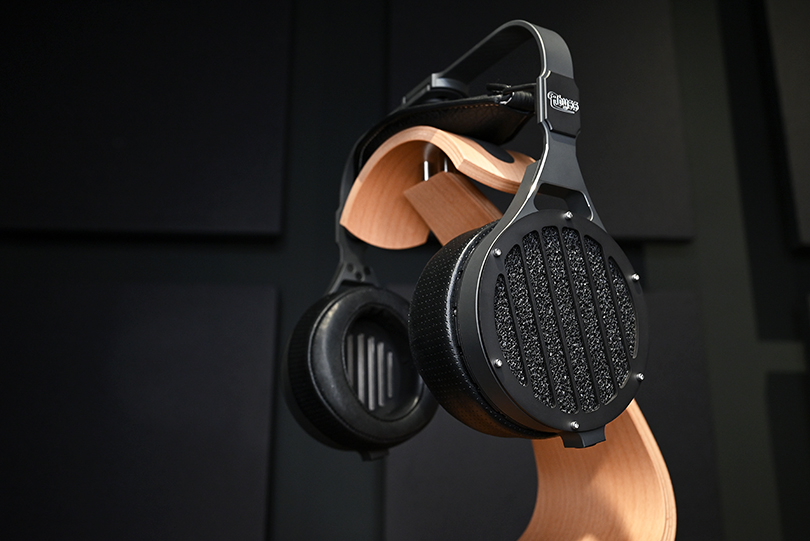
These can be any type, but the term usually brings to mind big, comfortable over-ear models; we're talking about a dedicated listening experience, after all. For the best of these, especially classic wired models, you might need a separate amplifier to unlock their full potential.
For Life on the Go (Portable)
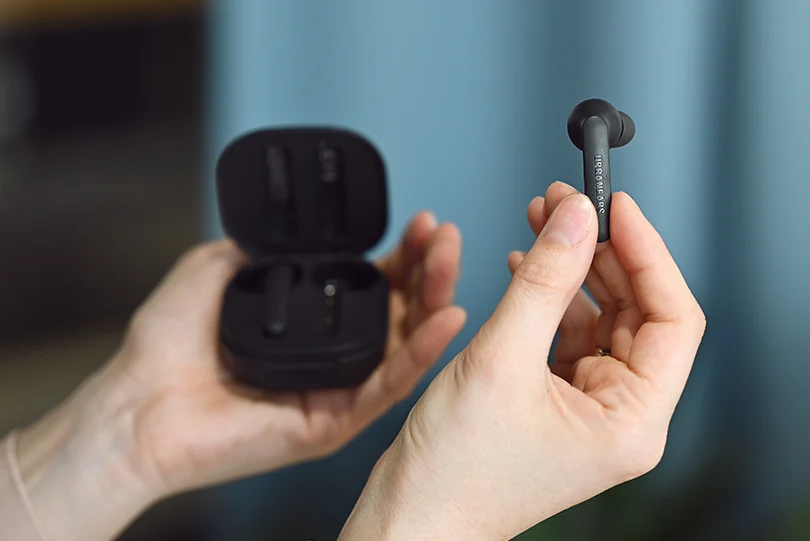
These are your everyday companions. Weight, size, a foldable design, and the ability to be easily driven by your smartphone are the name of the game here.
For Gaming
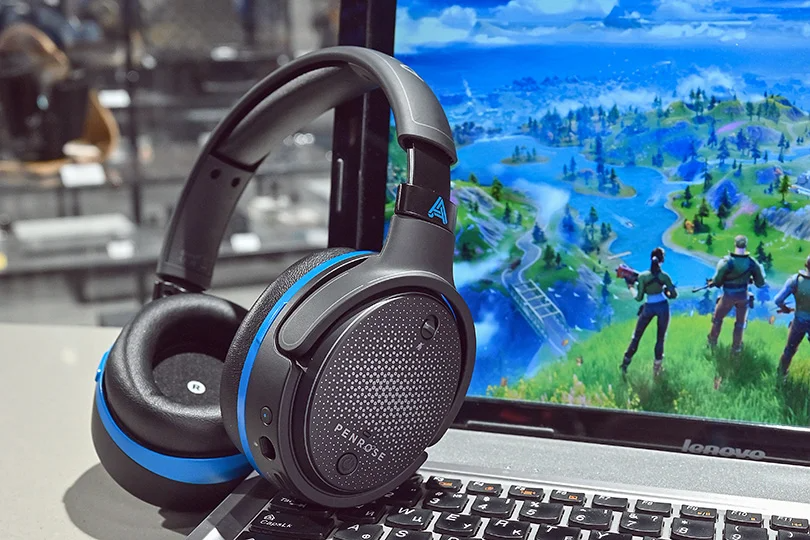
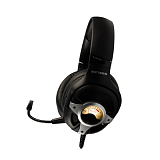
You can spot a gaming headset from a mile away, thanks to the built-in microphone and often flashy design. A good gaming headset excels at creating a 3D soundscape so you can pinpoint enemy footsteps, and usually has a bass boost to make explosions and gunfire feel suitably epic.
For Sports & Fitness
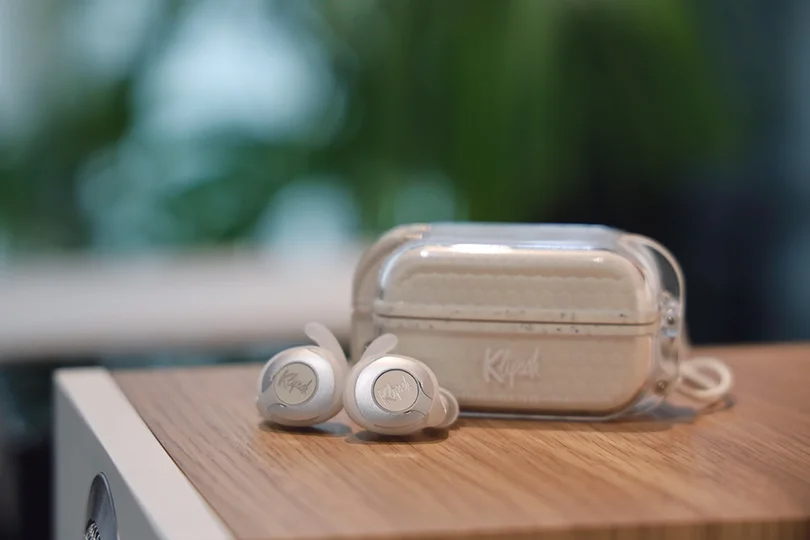
These are built to move. They're lightweight, have an ergonomic and secure fit, and are built tough to handle abuse. Most importantly, they have a water and sweat resistance rating, so they won't die on you mid-workout.
For Professionals (Studio)
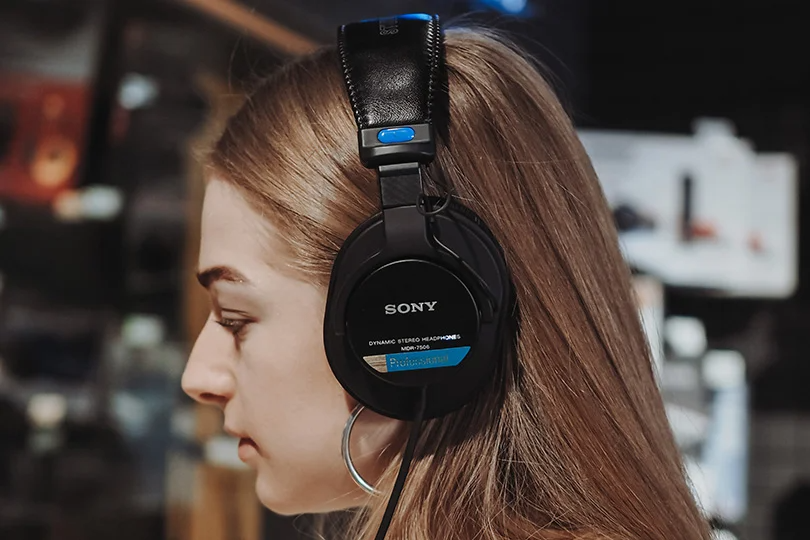
These are tools for creators — sound engineers and musicians. The goal here is honesty: high detail and a neutral sound signature with zero artificial coloration. Closed-back models are for recording, open-backs are for mixing and mastering, and IEMs are for on-stage monitoring. Because they're so revealing, they're also a great choice for audiophiles who prefer a clean, uncolored sound.
For DJs
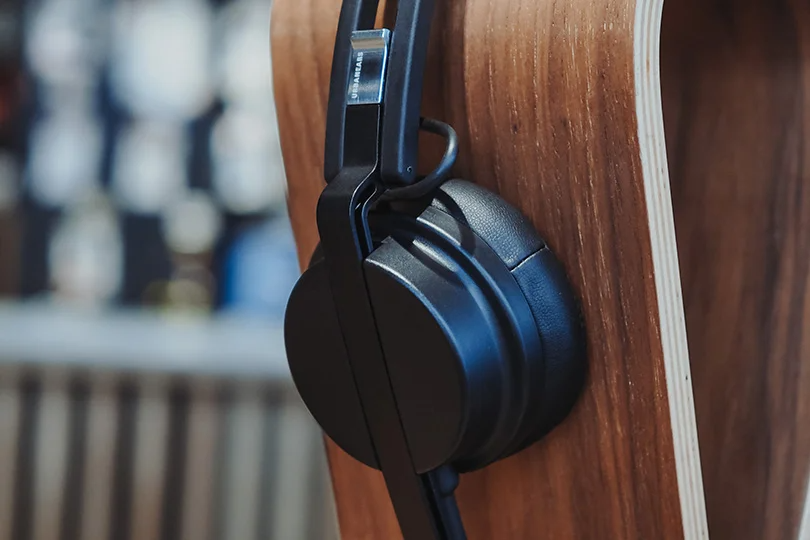
A subset of professional headphones, these need a closed-back design and strong clamping force for maximum noise isolation from a thumping dance floor. Most have swiveling earcups for single-ear monitoring (hearing both the mix and the room). They also feature a powerful bass response, making them a hit not just with DJs, but with anyone who loves club music.
Step 2: Find Your Fit
Once you know your mission, you can pick your form factor. We’ve covered it more thoroughly in a separate article, so be sure to check that out, too.
Over-Ear Headphones
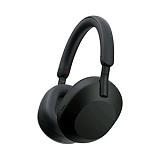
These have large earcups with spacious earpads that completely envelop your ears. While they look bulky, most portable models weigh under 300 grams. Their large size means engineers don't have to compromise — they can use large drivers for powerful sound, and the around-the-ear fit is incredibly comfortable for long listening sessions.
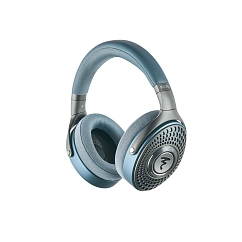
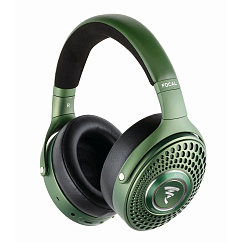
Multipoint: yes
Brand: Focal
Headphone type: wireless
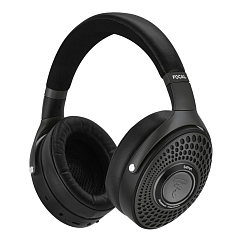


Multipoint: yes
Brand: Sennheiser
Headphone type: wireless, wired

Earpads material: microfiber
Headphone type: wired
Kind of headphones: over-ear
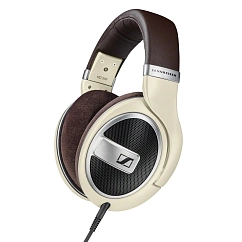
Brand: Sennheiser
Headphone type: wired
The lowest frequency, Hz: 12
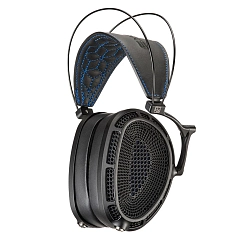
Earpads material: leather
Headphone type: wired
Kind of headphones: over-ear

Cable type: straight
Field of application: DJ, mixing
Brand: Sennheiser
On-Ear Headphones
The classic portable design, with smaller earcups that rest directly on your ears. Some argue this is the perfect balance of comfort, portability, and sound quality. For others, the pressure on the ear can become uncomfortable over time. Trying these on before you buy is essential.
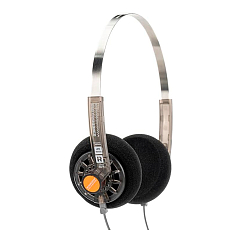
Brand: MoonDrop
Headphone type: wired
The lowest frequency, Hz: 20
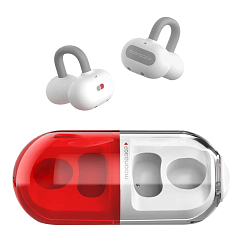
In-Ear headphone type: true wireless
Multipoint: yes
Brand: MoonDrop
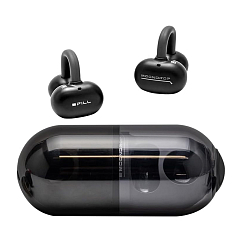
In-Ear headphone type: true wireless
Multipoint: yes
Brand: MoonDrop
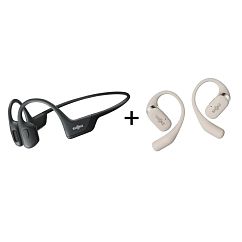
Brand: AfterShokz
Headphone type: wireless
The lowest frequency, Hz: 20

Brand: Shokz
Headphone type: wireless
The lowest frequency, Hz: 20

Brand: Shokz
Headphone type: wireless
The lowest frequency, Hz: 20
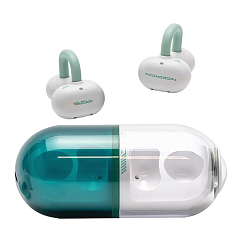
In-Ear headphone type: true wireless
Multipoint: yes
Brand: MoonDrop

In-Ear headphone type: true wireless
Brand: Shokz
Headphone type: wireless
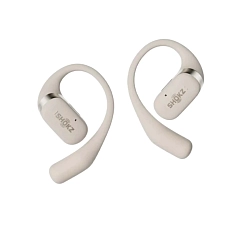
Brand: Shokz
Headphone type: wireless
The lowest frequency, Hz: 50
In-Ear Headphones (IEMs)
The most miniature type, which can be broken down even further:
- Earbuds: These rest in the outer part of your ear canal. Think of the classic headphones from an old Walkman or the original Apple EarPods. They generally offer lower sound quality and poor noise isolation.
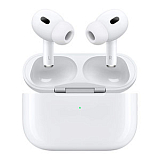
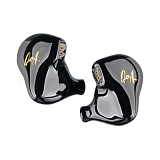
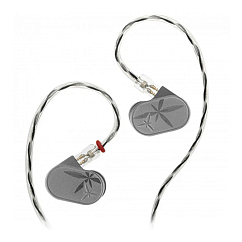
- IEMs (In-Ear Monitors): These are inserted into the ear canal and sealed with silicone or foam tips. This provides great ergonomics and fantastic noise isolation. Modern audio tech has made high-end IEMs sound absolutely incredible, turning these tiny "plugs" into a universal tool for commuters, athletes, audiophiles, and professional musicians.
- CIEMs (Custom In-Ear Monitors): The ultimate in personalization, CIEMs are made from a mold of your ear canal, meaning they fit only you, perfectly. This provides unparalleled comfort and noise isolation, allowing you to hear every minute detail in your music, even in the loudest environments.

Brand: MoonDrop
Headphone type: wired
The lowest frequency, Hz: 15
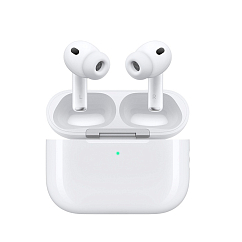
Headset type: stereo
Brand: Apple
Type of wireless headphones: True Wireless

Brand: MoonDrop
Headphone type: wired
The lowest frequency, Hz: 10

Brand: MoonDrop
Headphone type: wired
The lowest frequency, Hz: 15
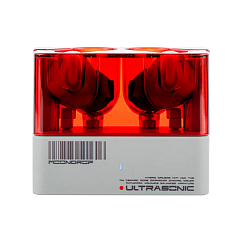
Brand: MoonDrop
Type of wireless headphones: True Wireless
Bluetooth version: 5.3
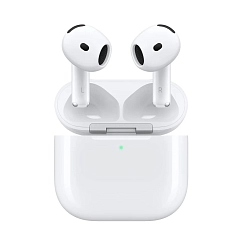
Headset type: stereo
Brand: Apple
Type of wireless headphones: True Wireless
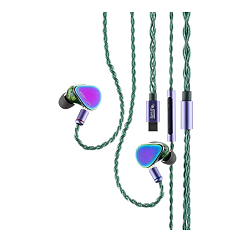
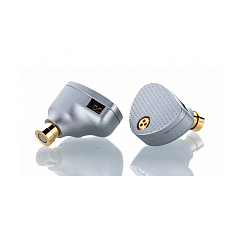
Brand: MoonDrop
Headphone type: wired
The lowest frequency, Hz: 16

Headset type: stereo
Brand: Bose
Type of wireless headphones: True Wireless
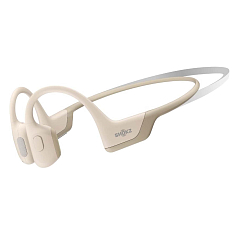
Bone Conduction Headphones
A relatively obscure category, but it deserves all the attention. Here, the transducers rest on your cheekbones, transmitting sound to your inner ear via vibration, leaving your actual ears completely open. They're primarily positioned for sports, as they allow you to stay aware of your surroundings for safety. They're also great for the office, letting you listen to music while still being able to chat with colleagues.
Brand: Shokz
Headphone type: wireless
The lowest frequency, Hz: 20
Brand: Shokz
Headphone type: wireless
The lowest frequency, Hz: 20
In-Ear headphone type: true wireless
Brand: Shokz
Headphone type: wireless
Brand: Shokz
Headphone type: wireless
The lowest frequency, Hz: 50

Brand: Shokz
Headphone type: wireless
The lowest frequency, Hz: 20

In-Ear headphone type: true wireless
Brand: Shokz
Headphone type: wireless
Brand: Shokz
Headphone type: wireless
The lowest frequency, Hz: 20

Brand: Shokz
Headphone type: wireless
The lowest frequency, Hz: 20

Brand: Shokz
Headphone type: wireless
The lowest frequency, Hz: 20
Step 3: To Wire, or Not to Wire?
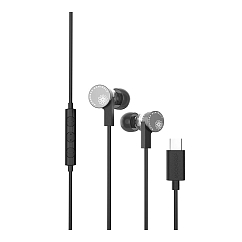
Wired
Some say they're obsolete, but they're dead wrong. While wireless is undeniably convenient, in the world of Hi-Fi and High-End audio, the wire is still king. A high-quality cable made from oxygen-free copper or even silver can minimize signal loss and distortion. A detachable cable is a huge plus, allowing you to upgrade the sound or easily replace a damaged cord. More on wired headphones here.
Brand: MoonDrop
Headphone type: wired
The lowest frequency, Hz: 15
Brand: MoonDrop
Headphone type: wired
The lowest frequency, Hz: 15
Brand: MoonDrop
Headphone type: wired
The lowest frequency, Hz: 20
Brand: MoonDrop
Headphone type: wired
The lowest frequency, Hz: 16
Brand: MoonDrop
Headphone type: wired
The lowest frequency, Hz: 20

Brand: MoonDrop
Headphone type: wired
The lowest frequency, Hz: 9
Brand: Dan Clark Audio
Headphone type: wired
The lowest frequency, Hz: 20
Brand: MoonDrop
Headphone type: wired
The lowest frequency, Hz: 12
Wireless
The most convenient option for modern life — just don't forget to charge them. When choosing a wireless pair, you'll need to consider a few specific factors like Bluetooth codecs and battery life, which we cover in our dedicated wireless guide.
Multipoint: yes
Brand: Focal
Headphone type: wireless
Multipoint: yes
Brand: Sennheiser
Headphone type: wireless, wired
Headset type: stereo
Brand: Apple
Type of wireless headphones: True Wireless
Brand: MoonDrop
Type of wireless headphones: True Wireless
Bluetooth version: 5.3
Headset type: stereo
Brand: Apple
Type of wireless headphones: True Wireless
Headset type: stereo
Brand: Bose
Type of wireless headphones: True Wireless

Headset type: stereo
Brand: Noble Audio
Type of wireless headphones: True Wireless
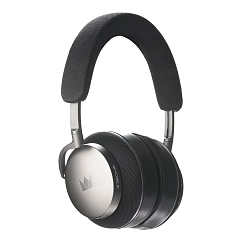
Detachable microphone: yes
Multipoint: yes
Headset type: stereo
Step 4: Open or Closed?
The housing of the earcups has a massive impact on the sound character and noise isolation. Which type should you choose?
Open-Back
These have grilles or vents on the back of the earcups and let sound move freely in both directions. The main advantage is a natural, open, and wide soundstage, similar to listening to speakers in a room. The downside? They have virtually zero noise isolation, and they leak sound, so they're only suitable for quiet, private listening.
Brand: MoonDrop
Headphone type: wired
The lowest frequency, Hz: 20
Earpads material: microfiber
Headphone type: wired
Kind of headphones: over-ear
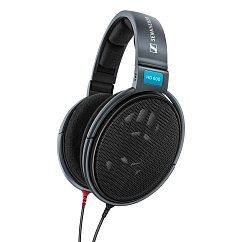
Brand: Sennheiser
Headphone type: wired
The lowest frequency, Hz: 12
Earpads material: leather
Headphone type: wired
Kind of headphones: over-ear
Cable type: straight
Field of application: DJ, mixing
Brand: Sennheiser
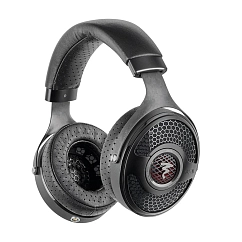
In-Ear headphone type: true wireless
Multipoint: yes
Brand: MoonDrop
Closed-Back
The earcups are completely sealed. This provides good noise isolation and prevents sound from leaking out, making them perfect for commuting or listening without disturbing others. This design is known for a punchy, powerful bass response.
Multipoint: yes
Brand: Focal
Headphone type: wireless
Brand: MoonDrop
Headphone type: wired
The lowest frequency, Hz: 15
Multipoint: yes
Brand: Sennheiser
Headphone type: wireless, wired
Headset type: stereo
Brand: Apple
Type of wireless headphones: True Wireless
Brand: MoonDrop
Headphone type: wired
The lowest frequency, Hz: 10
Brand: MoonDrop
Headphone type: wired
The lowest frequency, Hz: 15
Brand: MoonDrop
Type of wireless headphones: True Wireless
Bluetooth version: 5.3
Semi-Open
A rare hybrid that tries to offer the best of both worlds — the musicality of open-backs with some of the isolation of closed-backs.
Headset type: stereo
Brand: Apple
Type of wireless headphones: True Wireless
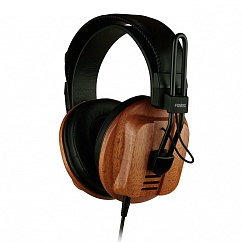
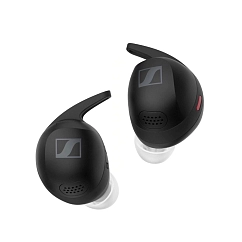
Headset type: stereo
Brand: Sennheiser
Type of wireless headphones: True Wireless
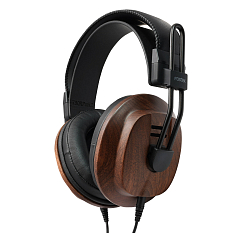
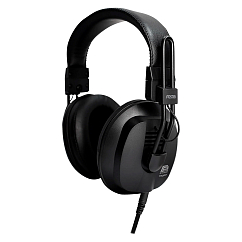
Brand: Fostex
Headphone type: wired
The lowest frequency, Hz: 10
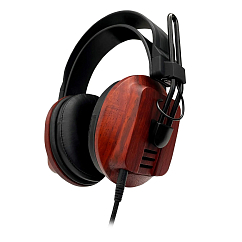
Brand: Fostex
Headphone type: wired
The lowest frequency, Hz: 15

Brand: Fostex
Headphone type: wired
The lowest frequency, Hz: 10
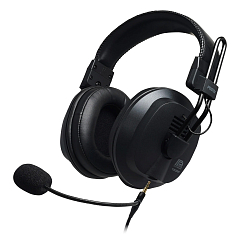
Detachable microphone: yes
Microphone type: condenser
Headset type: stereo

Brand: Dekoni Audio
Headphone type: wired
The lowest frequency, Hz: 15
Step 5: The Magic Inside
The driver is the engine of the headphone. Here are the main types you need to know about:
Dynamic: The most common type by far: a magnet, a voice coil, and a diaphragm. It's a time-tested design that's found in everything from tiny earbuds to massive High-End cans.
Multipoint: yes
Brand: Focal
Headphone type: wireless
Brand: MoonDrop
Headphone type: wired
The lowest frequency, Hz: 15
Multipoint: yes
Brand: Sennheiser
Headphone type: wireless, wired
Headset type: stereo
Brand: Apple
Type of wireless headphones: True Wireless
Brand: MoonDrop
Headphone type: wired
The lowest frequency, Hz: 15
Brand: MoonDrop
Headphone type: wired
The lowest frequency, Hz: 20
Balanced Armature: Originally used in hearing aids, these tiny drivers are perfect for high-end IEMs. They produce a clean, detailed sound, especially with vocals. Because they excel in specific frequency ranges, manufacturers often pack multiple BA drivers into a single earpiece to cover the full spectrum.

Brand: Noble Audio
Headphone type: wired
The lowest frequency, Hz: 8
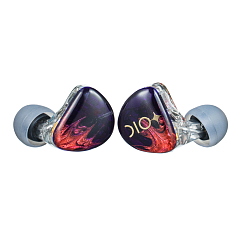
Brand: Aurian
Headphone type: wired
The lowest frequency, Hz: 20

Earpads material: silicone, foam
Headphone type: wired
In-Ear headphone type: with a wire

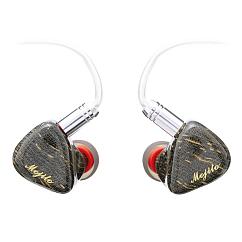
Brand: Queen Of Audio
Headphone type: wired
The lowest frequency, Hz: 5

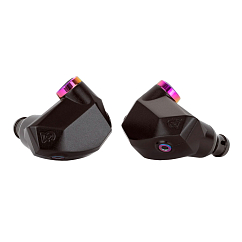
Brand: Campfire Audio
Headphone type: wired
The lowest frequency, Hz: 5

Brand: Campfire Audio
Headphone type: wired
The lowest frequency, Hz: 5
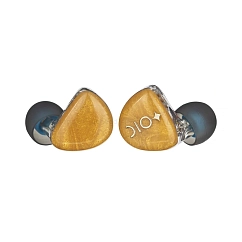
Brand: Aurian
Headphone type: wired
The lowest frequency, Hz: 20
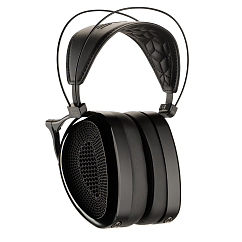
Planar Magnetic: These solve a classic problem of dynamic drivers. Instead of a cone-shaped diaphragm, they use a flat, ultra-thin film with a circuit printed on it, suspended between magnets. This allows the entire surface to move uniformly, like a perfect piston, resulting in incredibly precise and balanced sound with very low distortion.
Earpads material: leather
Headphone type: wired
Kind of headphones: over-ear
Brand: Dan Clark Audio
Headphone type: wired
The lowest frequency, Hz: 20
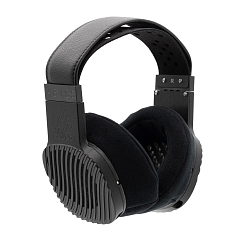

Brand: MoonDrop
Bluetooth version: 5.3
Codec support: AAC, SBC, LDAC, LC3
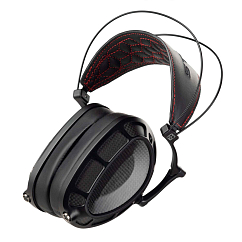
Brand: Dan Clark Audio
Headphone type: wired
The lowest frequency, Hz: 20
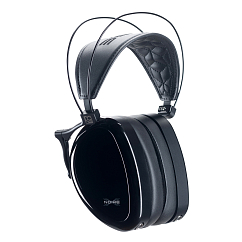
Headset type: stereo
Brand: Dan Clark Audio
Headphone type: wired
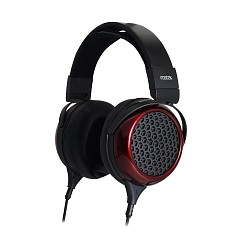
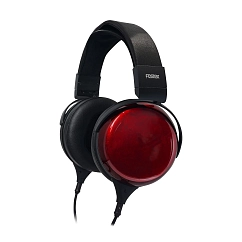
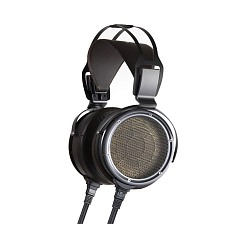
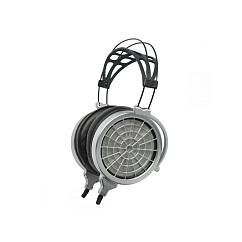
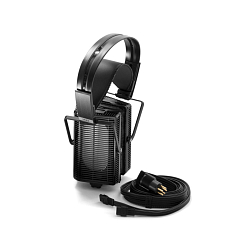
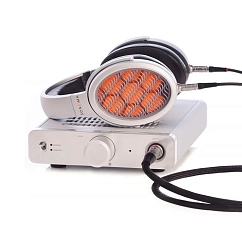
Electrostatic: The aristocrats of the headphone world. Their manufacturing is so complex and expensive that only a few perfectionist brands dare to even make them. They use an ultra-thin, statically charged diaphragm between two electrodes, and the result is arguably the purest, most spacious, and most natural sound you can get from a pair of headphones.

Earpads material: leather
Headphone type: wired
Kind of headphones: over-ear
Earpads material: leather
Headphone type: wired
Kind of headphones: over-ear
Earpads material: leather
Headphone type: wired
Kind of headphones: over-ear
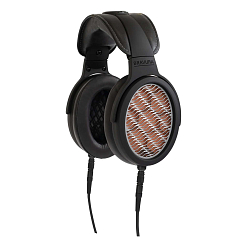
Brand: Warwick Acoustics
Headphone type: wired
The lowest frequency, Hz: 10
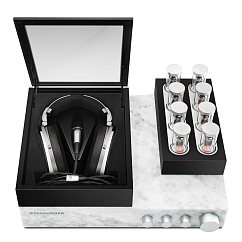
Earpads material: leather, microfiber
Headphone type: wired
Kind of headphones: over-ear
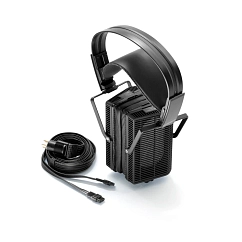
Earpads material: leather
Headphone type: wired
Kind of headphones: over-ear
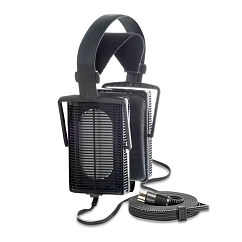
Earpads material: synthetic leather
Headphone type: wired
Kind of headphones: over-ear
Earpads material: synthetic leather
Headphone type: wired
Kind of headphones: over-ear
Brand: Warwick Acoustics
Headphone type: wireless
The lowest frequency, Hz: 10
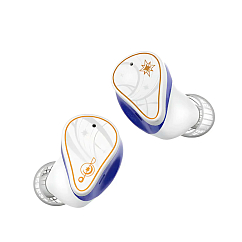
Hybrid: What if you combine the powerful bass of a dynamic driver with the precise mids of a balanced armature? You get a hybrid. This is a very popular configuration, and some models even mix in planar or electrostatic drivers.
Brand: MoonDrop
Headphone type: wired
The lowest frequency, Hz: 10
Brand: MoonDrop
Type of wireless headphones: True Wireless
Bluetooth version: 5.3
Headset type: stereo
Brand: Noble Audio
Type of wireless headphones: True Wireless
Detachable microphone: yes
Multipoint: yes
Headset type: stereo
Brand: MoonDrop
Type of wireless headphones: True Wireless
Bluetooth version: 5.4

Headset type: stereo
Brand: Noble Audio
Type of wireless headphones: True Wireless

Headset type: stereo
Brand: Noble Audio
Type of wireless headphones: True Wireless
Brand: MoonDrop
Headphone type: wired
The lowest frequency, Hz: 9
Step 6: Decoding the Specs (What the Numbers Really Mean)
Frequency Range: In theory, the wider the range, the better. In reality, manufacturers can measure this in different ways to get impressive-looking numbers. This is one of the least reliable specs. The bottom line here is, trust your ears, not the box.
Sensitivity: This tells you how loud the headphones will play at a given power level. The higher the number (in dB), the louder they'll be. This is another spec that manufacturers often measure in inconsistent ways, so it's only a rough guide.
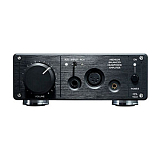
Impedance: This one tells you how much power the headphones need. Low-impedance (under 50 Ω) models are easy to drive, even with a smartphone. High-impedance models need a dedicated amplifier to sound their best (not a concern for wireless models, as they have their own built-in amp).
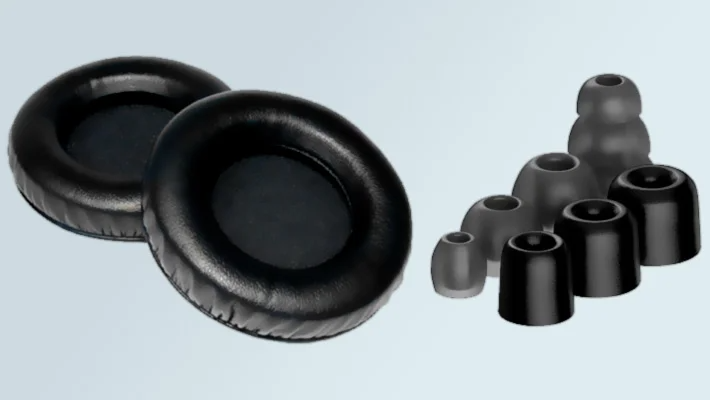
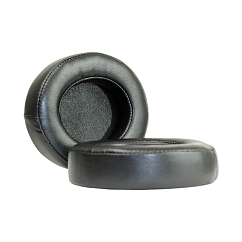
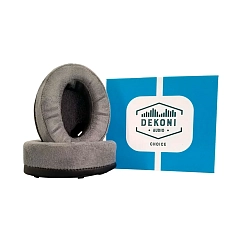
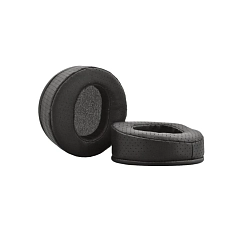
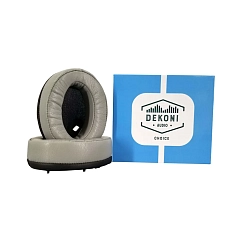
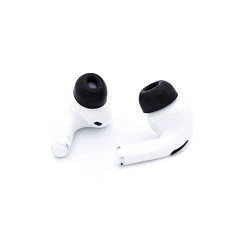
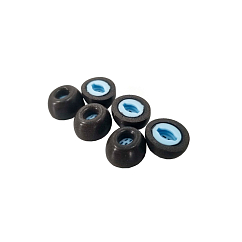
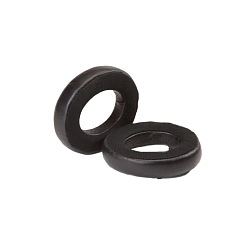
Earpads & Eartips: The material here makes a huge difference in comfort and sound. Premium models use memory foam and materials like genuine leather or velour. For IEMs, a generous selection of silicone and foam tips is crucial for getting a perfect seal, which is key for both comfort and bass response. The ultimate solution is a custom-molded eartip. If you want to learn more about earpads and eartips, welcome to our guide on them.
Brand: Dekoni Audio
Type: earpads
Material: synthetic leather
Brand: Dekoni Audio
Type: earpads
Material: suede
Brand: Dekoni Audio
Type: earpads
Material: leather
Brand: Dekoni Audio
: 44
Compatible headphone model: Sony WH-1000XM4

Purpose of nozzles: TWS earbuds
Brand: Dekoni Audio
Type: eartips
Brand: Dekoni Audio
: 46
Compatible headphone model: Apple AirPods Pro (2nd generation) with MagSafe 2023
Sound bore, mm: 3.8
Brand: Dekoni Audio
: 46

Brand: Dekoni Audio
Type: earpads
Material: synthetic leather
Brand: Dekoni Audio
Type: earpads
Material: leather, velour
Step 7: The Bells and Whistles
There’s quite a list of features modern headphones might boast, but you only need to really worry about these three, depending on your use case scenarios, of course.
- Active Noise Cancellation (ANC): Uses microphones to detect and cancel out ambient noise. A game-changer for travel.
- Built-in Microphone: Turns your headphones into a headset for calls and gaming.
- IPXX Rating: Tells you how resistant the headphones are to dust and water/sweat.
Step 8: Now You’re Ready
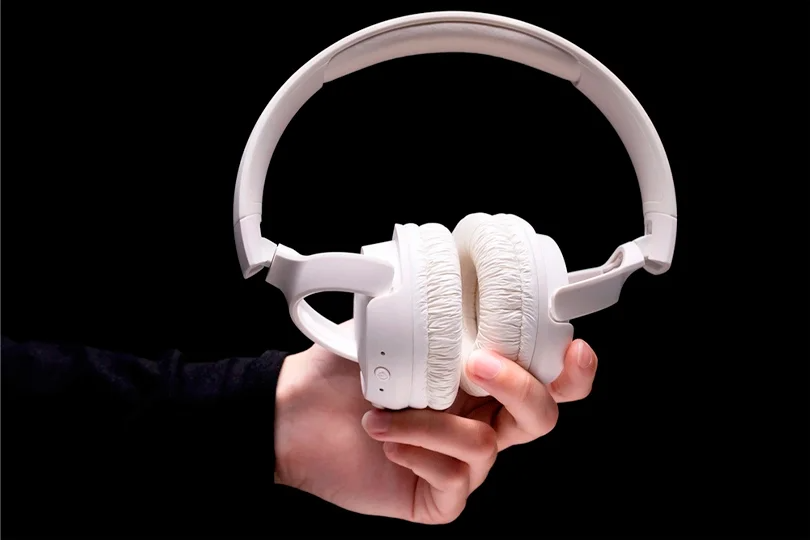
You've now got a handle on the types, specs, and features. You know what you need them for and what your budget is. The best advice from here? Try them on, listen to them, and compare them for yourself. Sound and comfort can't be measured by numbers on a spec sheet.
That’s why we invite you to come choose your next pair of headphones at our Dubai showroom. We know everything about sound, and we're always ready to share that knowledge. And if you can't test your future headphones in person, our experts are here to help you find the optimal solution for your needs, so make sure to reach out!
P.S. If you're looking for professional or kids' headphones, follow the links to read our guides on them. There are quite a few unique factors you'll need to consider that we covered in those articles.