













Earplugs 101: Why You Need Them and How to Choose
Modern life is loud. Between traffic, subway commutes, open-plan offices, and snoring partners, our ears take a constant beating. Protecting your hearing isn't about mere comfort anymore — it’s a necessity.
Whether you want uninterrupted sleep, protection at a loud concert, or focus in a noisy workspace, earplugs are your best defense. Let’s cut through the noise, look at the main types, and figure out which pair fits your lifestyle.
Contents
Understanding Noise Reduction (SNR & NRR)
Not all earplugs block sound equally. Effectiveness is measured in decibels (dB) using two main standards:
- SNR (Single Number Rating): Used in Europe, showing how many decibels of noise are filtered out.
- NRR (Noise Reduction Rating): The US standard, providing a conservative estimate of real-world attenuation.
Quality earplugs typically reduce sound by 20 to 40 dB. However, more attenuation isn't always better — if you're walking down a busy street, you still need to hear your surroundings.
Main Types of Earplugs by Material
Polyurethane & PVC
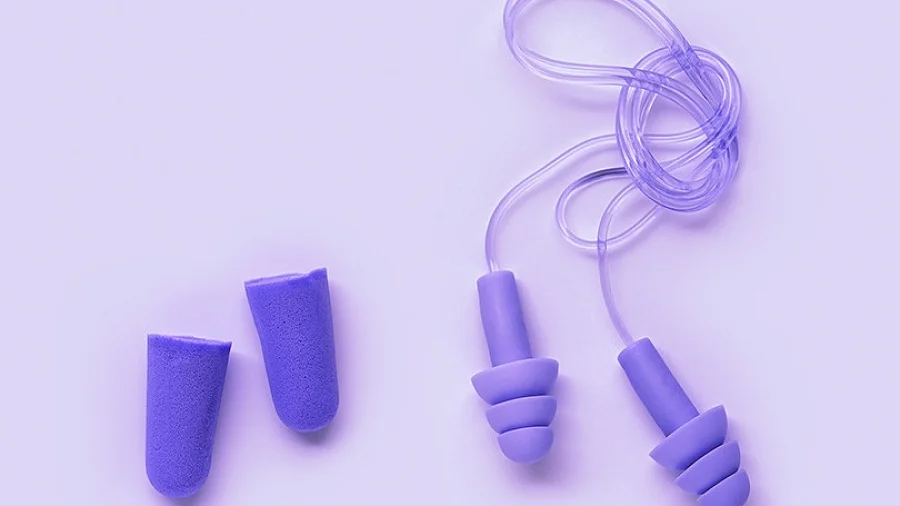
Foam plugs are the most common and budget-friendly option. They offer the highest level of noise reduction (often up to 36–37 dB), making them ideal for heavy industrial noise, shooting ranges, or loud travel. They are disposable and require rolling down before insertion.
Silicone
Versatile and durable, silicone plugs range from pre-molded designs to ultra-soft medical-grade silicone that adapts to your ear canal. They don't absorb sweat or earwax, are easy to wash, and are the go-to choice for swimming and general multi-purpose use.
Natural Wax & Cotton
The oldest design in the book, modern wax plugs are mixed with cotton and soften with body heat. They create a custom, pressure-free seal over the ear canal opening. They are exceptionally comfortable for sleeping, though less durable than silicone.
Filtered
If you go to concerts, play music, or ride motorcycles, standard foam plugs will ruin the experience by cutting high frequencies and making everything sound muffled. Filtered earplugs use specialized acoustic channels to reduce volume evenly across all frequencies, keeping music clear and speech intelligible.
Choosing by Use Case
- For Sleeping: Look for ultra-soft silicone or wax. You want enough reduction to block a partner's snoring (around 25–30 dB) without completely silencing your morning alarm.
- For Swimming: Use waterproof silicone "hydroplugs" to seal the ear canal and prevent infections like swimmer's ear.
- For Concerts & Musicians: Always choose filtered acoustic plugs. They protect your eardrums from permanent damage without sacrificing sound quality.
- For Travel: Flight-specific earplugs feature tiny ceramic filters that slowly equalize air pressure during takeoff and landing while cutting cabin drone.
- For Work & Riding: High-NRR foam plugs or filtered reusable plugs protect against heavy machinery or intense wind noise at highway speeds.
How to Properly Insert and Maintain Earplugs
Even the best earplugs won't work if you insert them incorrectly:
- For foam plugs: Roll them tightly between clean fingers into a thin cylinder. Reach over your head, pull your ear up and back to straighten the canal, and insert the plug. Hold it in place for 20 seconds while it expands.
- For silicone or molded plugs: Gently insert while twisting slightly to create a secure seal. Don't push too deep.
Always wash reusable plugs with mild soap and warm water. Throw away disposable foam plugs after a few uses to avoid ear infections.
The Verdict
Earplugs are an effortless way to protect your long-term hearing and reclaim your peace and quiet. Whether you need a simple pack of foam plugs for a flight or custom filtered plugs for daily focus, the right pair makes all the difference.
Drop by the Dr.Head showroom in Dubai to explore our selection of specialized earplugs and find the ideal fit for your ears.


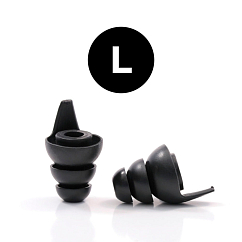
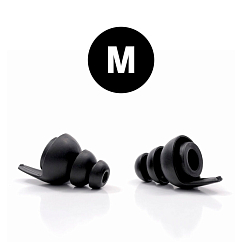
Crescendo PRO Amplified 20
Brand: Crescendo
Field of application: for concerts, for rehearsing
: 46


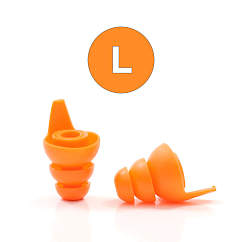


Crescendo Impact 20
Brand: Crescendo
Field of application: hearing protection
: 40


Crescendo Swim&Surf Eco Box
Brand: Crescendo
Field of application: swimming
: 44, 33, 45

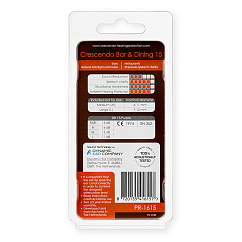
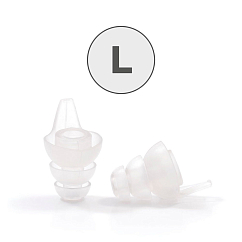
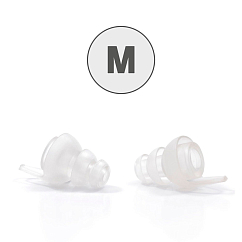

Crescendo Bar & Dining 15
Brand: Crescendo
Field of application: universal earplugs
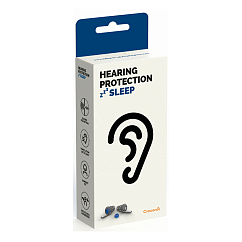
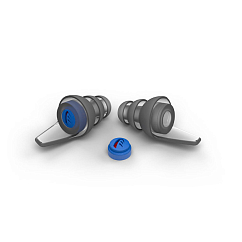
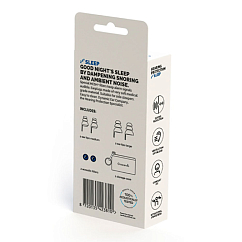
Crescendo Sleep Eco Box
Brand: Crescendo
Field of application: for sleep
: 44, 33


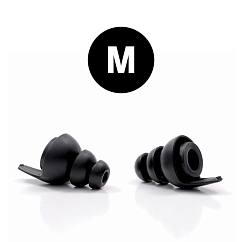
Crescendo PRO Acoustic 15
Brand: Crescendo
Field of application: for concerts, for rehearsing
: 46
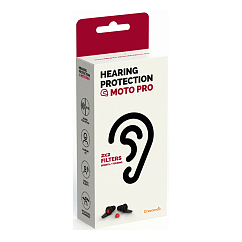
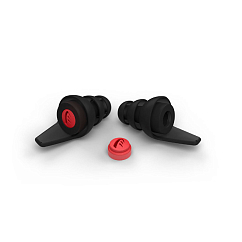

Crescendo Moto Pro Eco Box
Brand: Crescendo
Field of application: for motorcyclists
: 46, 38, 40


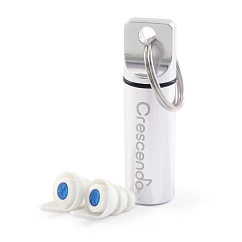
Crescendo Fly 15
Brand: Crescendo
Field of application: flying
: 47


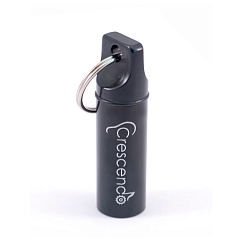
Crescendo Hunting 10-30 Multimode
Brand: Crescendo
Field of application: shooting
: 31
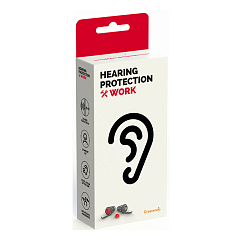


Crescendo Work Eco Box
Brand: Crescendo
Field of application: hearing protection
: 44, 38
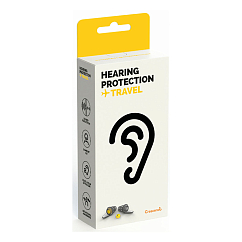
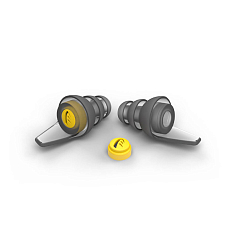
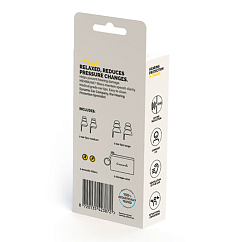
Crescendo Travel Eco Box
Brand: Crescendo
Field of application: flying
: 44, 34


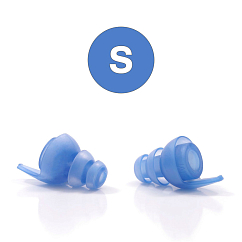

Crescendo Kids Race Cars 20
Brand: Crescendo
Field of application: hearing protection