










What is Lossless Audio? A Beginner’s Guide to High-Fidelity Sound
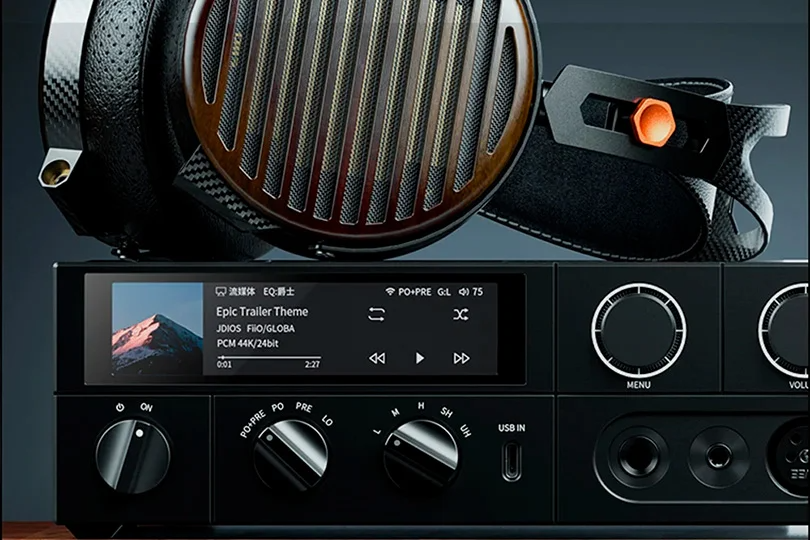
We all listen to music, but are we truly hearing it? Some people can distinguish the faintest breath of a vocalist, while others are happy with standard radio quality. However, the difference between compressed audio (like MP3) and Lossless audio is not just for "golden ears" — it’s something almost anyone can appreciate with the right gear.
But what exactly is "Lossless," and is it worth the hype? Let’s decode the jargon.
Contents
The "ZIP Archive" of Sound: How It Works
The name says it all: Lossless means "without loss." Unlike MP3, which chops off parts of the music to save space, Lossless formats keep 100% of the original data.
Think of it like a ZIP file on your computer. When you zip a document to make it smaller, you don't lose any words. When you unzip it, it returns to its exact original state. FLAC and ALAC codecs work the same way. They compress the audio file to about half its size for storage, but when you press "Play," they unpack it instantly to bit-perfect quality.
Lossless vs. Lossy: The Difference
Lossy formats (MP3, AAC, OGG) work by throwing away data. They analyze the music and delete frequencies that the human ear theoretically shouldn't hear — like those quieter sounds hidden behind loud drums. But Lossless keeps everything.
- Where you hear it: Instrumental music, vocals, jazz, and acoustic tracks. You hear more "air," better separation between instruments, and subtle details like a guitarist's fingers sliding on strings.
- Where you might miss it: Loud, heavily compressed pop or electronic music… though the bass often feels tighter in Lossless, anyway.
The Alphabet Soup: FLAC, ALAC, WAV
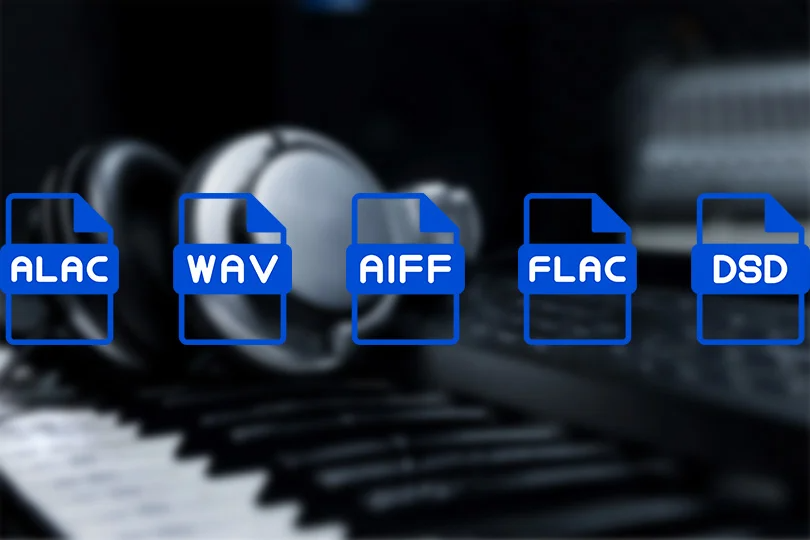
Which format should you choose? It depends on your device.
FLAC (Free Lossless Audio Codec)
The king of high-fidelity. It is open-source, free, and works on almost everything (Android, Windows, Hi-Res players). It compresses files efficiently without losing quality.
Verdict: The best choice for archiving music and listening on non-Apple devices.
ALAC (Apple Lossless Audio Codec)
Apple’s answer to FLAC, it is identical in sound quality but designed to work natively within the Apple ecosystem (iPhone, iPad, Mac, iTunes).
Verdict: The default choice for Apple users.
WAV / AIFF
These are uncompressed formats. They are huge — 3–4 times larger than FLAC — and typically used only by music producers in studios.
Verdict: Overkill for casual listening.
DSD (Direct Stream Digital)
The "Final Boss" of audiophile formats, DSD uses a completely different technology with massive sample rates. It requires specialized hardware (DACs) and takes up enormous storage space.
Verdict: Only for serious audiophiles with high-end setups.
Where to Find Lossless Music?
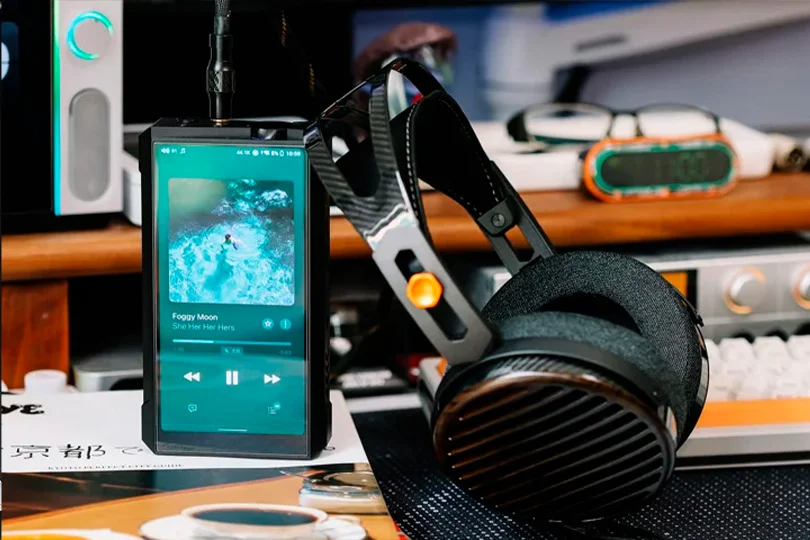
Gone are the days of ripping CDs (though that’s still a great option!). Today, high-quality sound is just a click away.
Streaming Services:
- Apple Music: Offers their entire catalog in Lossless and Hi-Res Lossless at no extra cost.
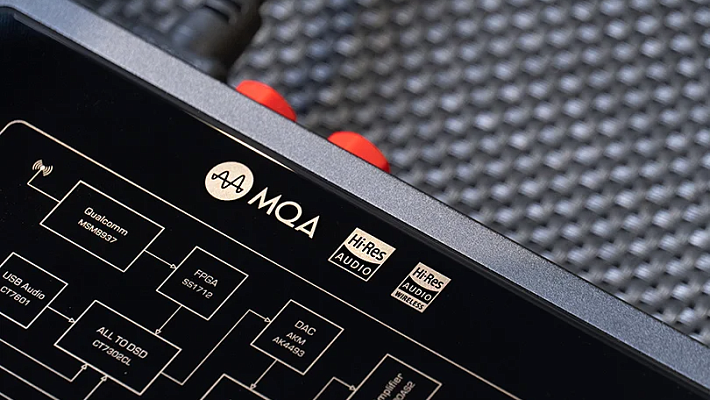
- Tidal: Famous for its "HiFi" tier and Master Quality Authenticated (MQA) tracks.
- Deezer / Amazon Music HD: Also offer CD-quality streaming.
Digital Stores:
- Bandcamp / Qobuz: Buy and download albums in FLAC/ALAC to own them forever, DRM-free.
The Gear: How to Unlock the Potential
You can’t pour jet fuel into a sedan and expect it to fly — and it works the same way with sound. In other words, to hear Lossless, you need compatible gear.
Wired is King
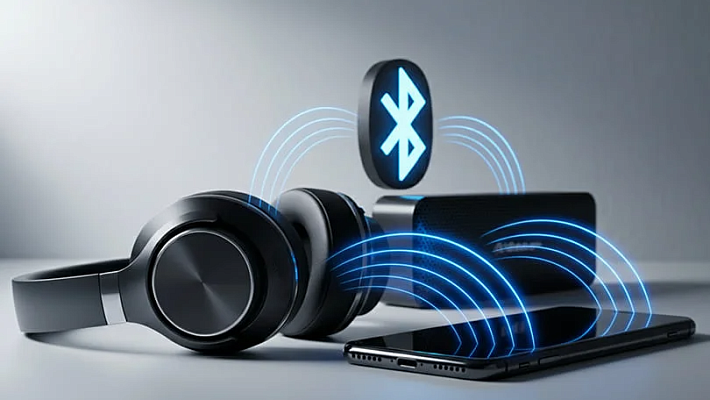
Here’s the harsh truth: Bluetooth compresses audio. Even the best Bluetooth headphones (think Sony, Bose, AirPods Max) can’t transmit true Lossless audio wirelessly because the pipe isn't big enough.
The Fix: Use a wired connection. Good wired headphones can reveal more detail than wireless headphones costing three times as much.

Brand: MoonDrop
Headphone type: wired
The lowest frequency, Hz: 15

Brand: MoonDrop
Headphone type: wired
The lowest frequency, Hz: 15
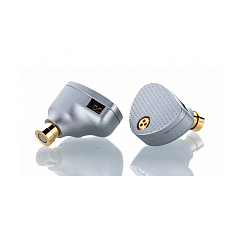
Brand: MoonDrop
Headphone type: wired
The lowest frequency, Hz: 16
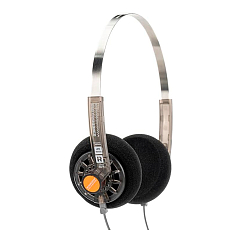
Brand: MoonDrop
Headphone type: wired
The lowest frequency, Hz: 20
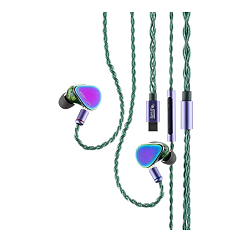
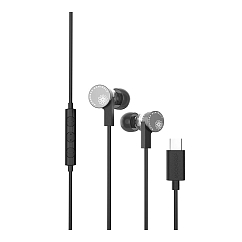
Brand: MoonDrop
Headphone type: wired
The lowest frequency, Hz: 20

Brand: MoonDrop
Headphone type: wired
The lowest frequency, Hz: 9
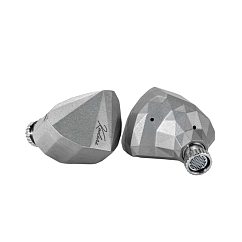
Brand: MoonDrop
Headphone type: wired
The lowest frequency, Hz: 8
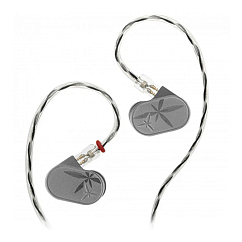
Brand: MoonDrop
Headphone type: wired
The lowest frequency, Hz: 12
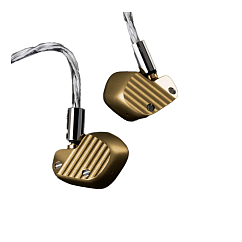
Brand: Final Audio
Headphone type: wired
The lowest frequency, Hz: 20
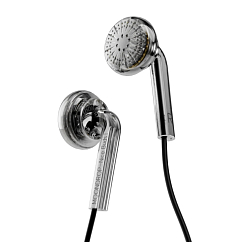
Brand: MoonDrop
Headphone type: wired
The lowest frequency, Hz: 20
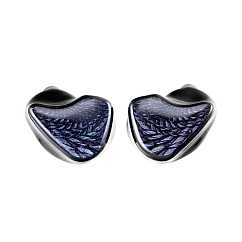
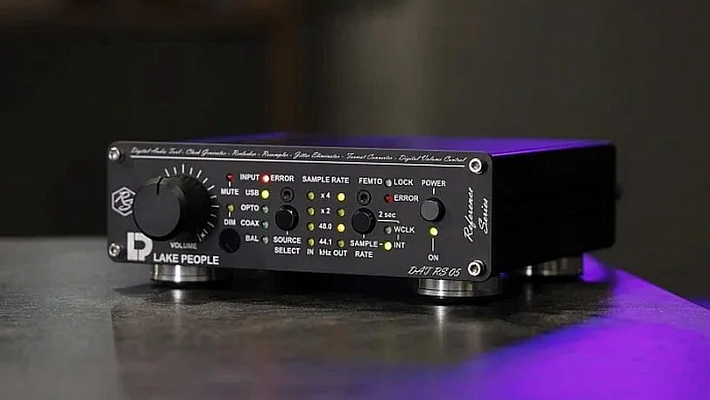
The DAC (Digital-to-Analog Converter)
Your phone’s built-in headphone jack (if it even has one) is often the bottleneck. An external USB DAC, aka a dongle, acts as a dedicated sound card, cleaning up the signal and powering your headphones properly.
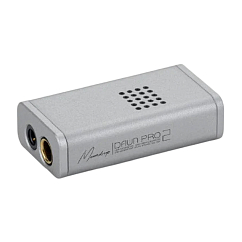
Brand: MoonDrop
Headphone output: 3.5mm jack, 4.4mm jack
Output connectors: 3.5mm jack, 4.4mm jack
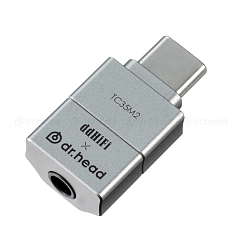
Connector (left): 3.5mm jack female, USB-C
Connector (right): 3.5mm jack female, USB-C
Brand: ddHiFi
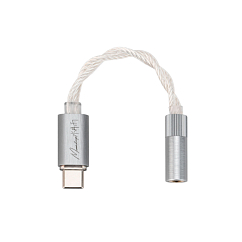
Braid material: PVC
Cable type: twisted Y-shaped
Conductor material: copper

Brand: Cayin
Headphone output: 4.4mm jack, 3.5mm jack
DAC chip: R2R
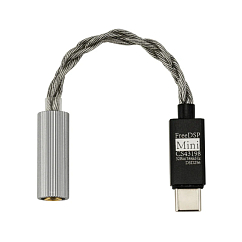
Brand: MoonDrop
Headphone output: 3.5mm jack
Output connectors: USB-C

Brand: FiiO
Headphone output: 3.5mm jack, 4.4mm jack
Output connectors: 3.5mm jack, 4.4mm jack
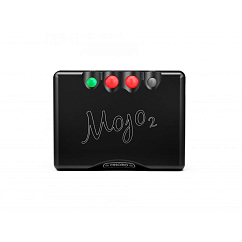
Brand: Chord
Headphone output: 3.5mm jack
Power output: 0.6

Brand: MoonDrop
Headphone output: 3.5mm jack, 4.4mm jack
Output connectors: 3.5mm jack, 4.4mm jack
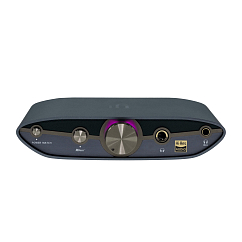
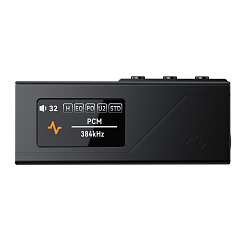
Brand: Cayin
Headphone output: 3.5mm jack, 4.4mm jack
Output connectors: 3.5mm jack, 4.4mm jack

Cable length, m: 0.08
Cable type: straight
Brand: ddHiFi
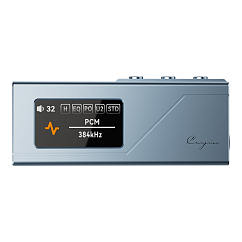
Brand: Cayin
Headphone output: 3.5mm jack, 4.4mm jack
Output connectors: 3.5mm jack, 4.4mm jack
Busting the Myths
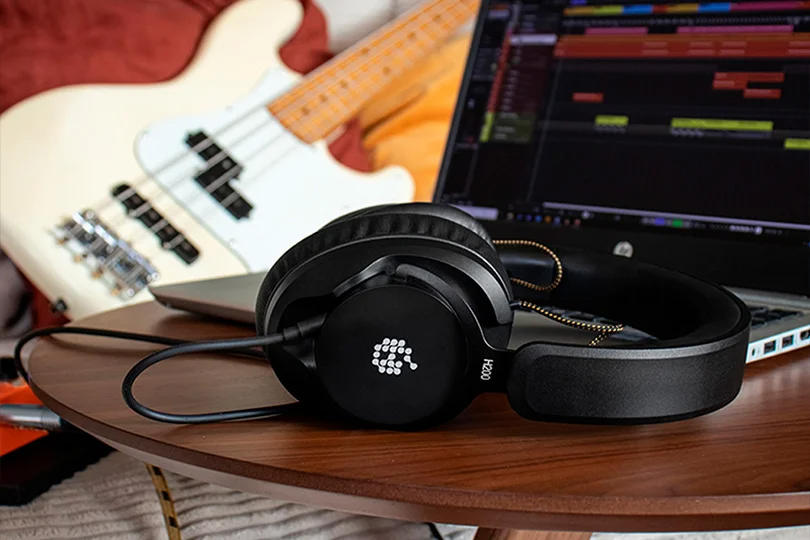
Before we wrap it up, let’s quickly debunk the two most common myths about Lossless audio. As it often does, it all comes down to necessity and price.
- "You need golden ears to hear it."
- False. While training helps, most people can hear the difference on acoustic tracks if they compare side-by-side using decent headphones.
- "You need to spend thousands."
- False. An entry-level Hi-Fi setup (like a simple USB DAC + wired IEMs) is affordable and a massive upgrade over standard Bluetooth buds.
The Final Word
Lossless isn't a requirement to enjoy music, but it is the best way to respect the artist's work. If you love music and find yourself noticing little details in your favorite songs, Lossless is your next step.
But don't trust the specs on a screen — trust your ears. Visit the Dr.Head showroom in Dubai. We have listening stations with FLAC players, high-end DACs, and the world’s best headphones ready for you to test. Bring your favorite track, and hear it like never before.