










IEMs: The Ultimate Guide to In-Ear Monitors
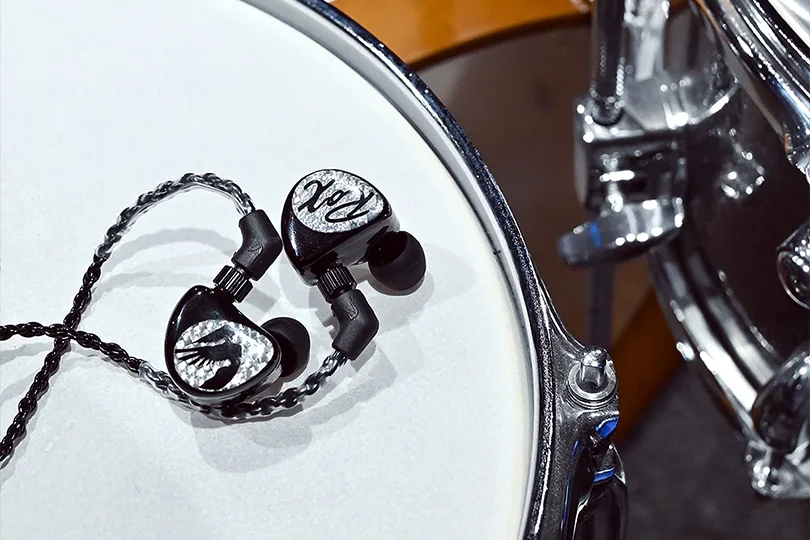
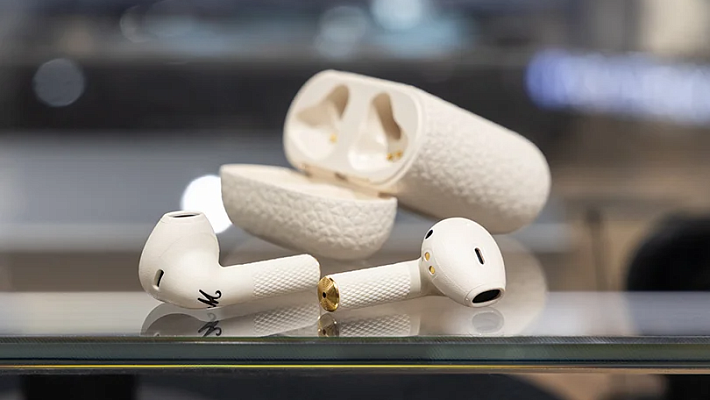
If you are tired of headphones that fall out of your ears, leak sound, or just feel "flat," it’s time to graduate. Welcome to the world of IEMs, aka In-Ear Monitors.
Originally designed for rock stars to hear themselves on loud stages, these devices have been adopted by audiophiles worldwide. Why? Because they offer a level of detail, isolation, and immersion that standard "earbuds" simply can't match.
But IEMs are a deep rabbit hole. You’ll hear terms like "Balanced Armature," "Hybrid Drivers," "Tip Rolling," and more. Don't worry — we’re here to decode the tech and help you find the perfect pair.
Contents
IEMs vs. Earbuds: The Quick Lowdown
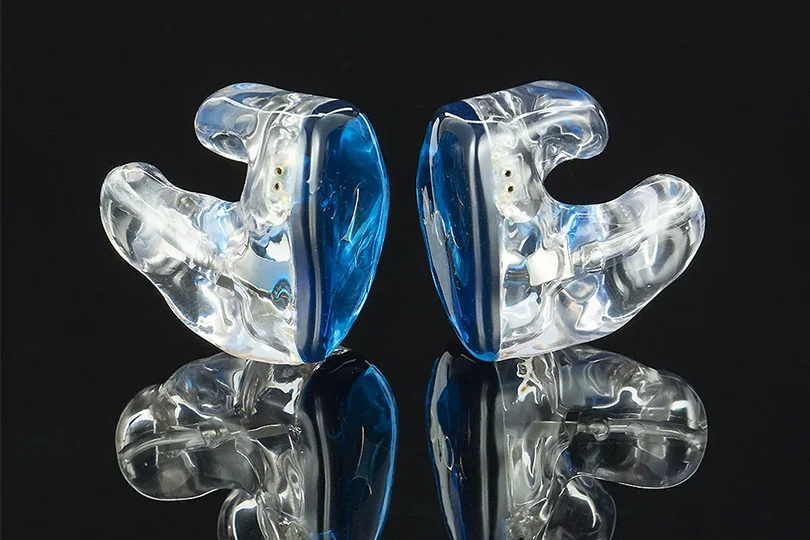
Before we dive into the tech, let's clear up a misconception.
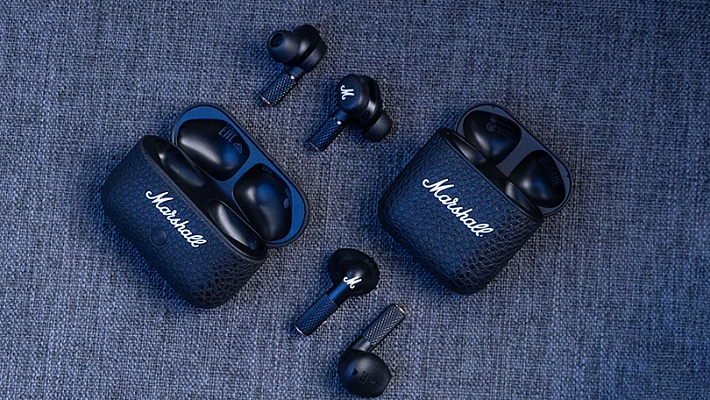
- Standard Earbuds: Built for convenience. They sit outside the ear canal, let noise in, and usually boost bass to compensate for a bad seal.
- IEMs: Built for accuracy. They insert into the ear canal, blocking outside noise physically. They use detachable cables (MMCX or 2-pin), wrap around the ear for security, and aim to play music exactly as it was recorded.
If you’re looking for a more detailed comparison, check out our dedicated guide on the differences between IEMs and earbuds.
The Engine Room: Choosing Your Driver Type
The "Driver" is the mini-speaker inside the shell. In the IEM world, there are three main types.
1. Dynamic Drivers (DD) — The "Soul"
This is a miniature version of the speakers in your living room or car. A diaphragm moves air to create sound.
- The Sound: Powerful, punchy, and natural. They are the kings of Bass. They move a lot of air, so you can physically feel the low end.
- Best For: Rock, Hip-Hop, EDM, and anyone who loves a warm, rhythmic sound.
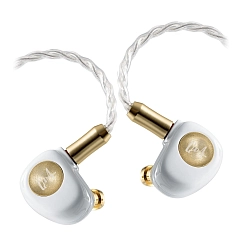
Brand: Queen Of Audio
Headphone type: wired
The lowest frequency, Hz: 20

Earpads material: silicone
Headphone type: wired
In-Ear headphone type: with a wire

Brand: Unique Melody
Headphone type: wired
The lowest frequency, Hz: 20

Brand: MoonDrop
Headphone type: wired
The lowest frequency, Hz: 10
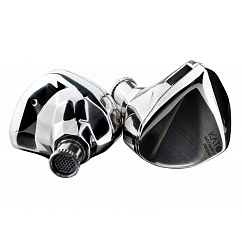
Brand: MoonDrop
Headphone type: wired
The lowest frequency, Hz: 10
2. Balanced Armature (BA) — The "Brain"
Originally invented for hearing aids, these are tiny metal boxes that vibrate. Because they are so small that engineers can pack 5, 10, or even 18 of them into one earpiece.
- The Sound: Surgical precision. They are incredibly fast and detailed, perfect for high frequencies and vocals. However, they can sometimes struggle to produce deep, rumbling bass.
- Best For: Classical, Jazz, Acoustic, and critical listening, where detail is everything.

Brand: Noble Audio
Headphone type: wired
The lowest frequency, Hz: 8
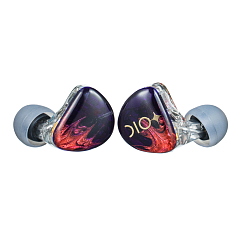
Brand: Aurian
Headphone type: wired
The lowest frequency, Hz: 20

Earpads material: silicone, foam
Headphone type: wired
In-Ear headphone type: with a wire


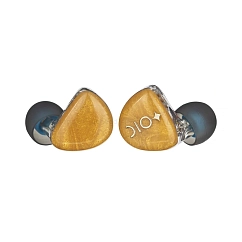
Brand: Aurian
Headphone type: wired
The lowest frequency, Hz: 20

Earpads material: silicone
Headphone type: wired
Kind of headphones: in-ear

Earpads material: silicone
Headphone type: wired
Kind of headphones: in-ear
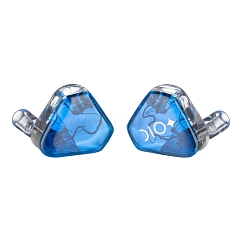
Connector shape: L-shaped
Earpads material: silicone
Headphone type: wired

Earpads material: silicone
Headphone type: wired
Kind of headphones: in-ear

Connector shape: L-shaped
Earpads material: silicone
Headphone type: wired
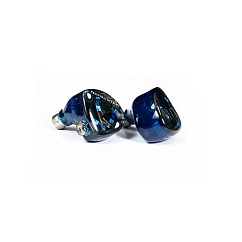
Earpads material: silicone
Headphone type: wired
Kind of headphones: in-ear
3. Hybrid — The Best of Both Worlds
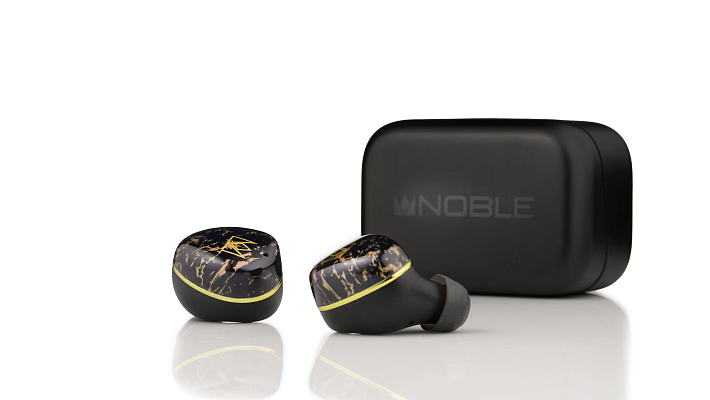
Why choose? Hybrid IEMs use a Dynamic Driver for the bass and Balanced Armatures for the mids and highs.
- The Sound: You get the physical slam of a subwoofer and the crystal-clear detail of a tweeter.
- Best For: Everything. These are the versatile all-rounders of the audiophile world.

Brand: MoonDrop
Headphone type: wired
The lowest frequency, Hz: 10
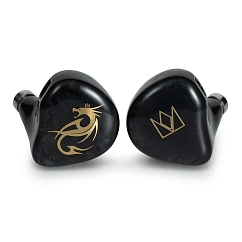
Brand: Noble Audio
Headphone type: wired
The lowest frequency, Hz: 20
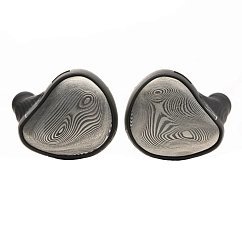
Brand: Noble Audio
Headphone type: wired
The lowest frequency, Hz: 20

Brand: Kinera
Headphone type: wired
The lowest frequency, Hz: 20

Brand: Noble Audio
Headphone type: wired
The lowest frequency, Hz: 20

Brand: MoonDrop
Headphone type: wired
The lowest frequency, Hz: 9

Brand: Noble Audio
Headphone type: wired
The lowest frequency, Hz: 10


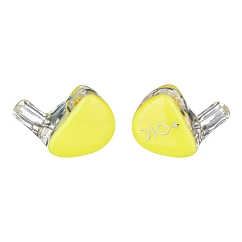
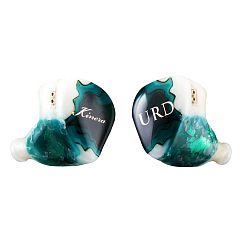
Earpads material: silicone, foam
Headphone type: wired
Kind of headphones: in-ear

Brand: Noble Audio
Headphone type: wired
The lowest frequency, Hz: 15
The Secret to Great Sound: Ear Tips
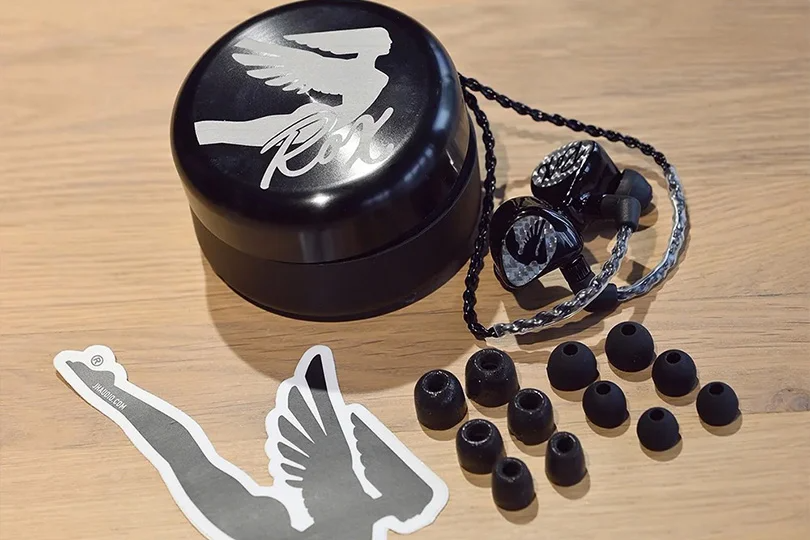
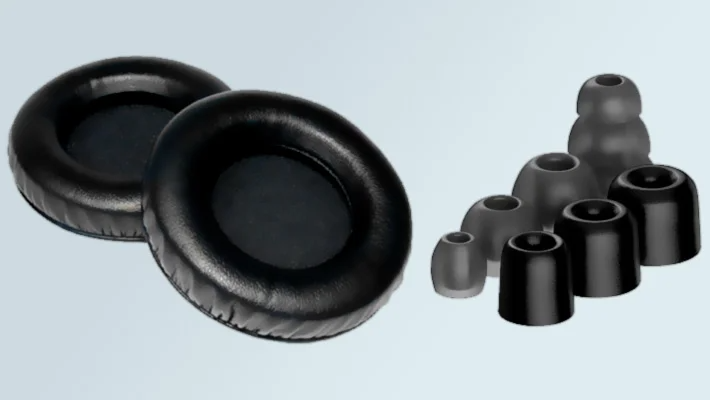
Here is a hard truth: If you don't get a good seal, even $2000 IEMs will sound like trash. The ear tip connects the headphone to your brain. It affects isolation, comfort, and bass response. Here, you have the two most common choices.
Silicone Tips
- Pros: Durable, easy to clean, bright sound.
- Cons: Can be slippery if you sweat.
- The Sound: Generally sharper treble and tighter bass.
Foam Tips
- Pros: They expand to fill your ear canal perfectly (like earplugs). Maximum isolation and comfort.
- Cons: They wear out over time and need replacing.
- The Sound: They often tame harsh treble and boost the bass perception by creating a perfect seal.
Pro-Tip: Your left and right ears might be different sizes! Don't be afraid to use a "Medium" tip on the left and a "Large" on the right. Go with what feels comfortable and offers the best isolation.

Purpose of nozzles: TWS earbuds
Brand: Dekoni Audio
Type: eartips
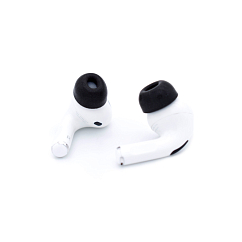
Brand: Dekoni Audio
: 46
Compatible headphone model: Apple AirPods Pro (2nd generation) with MagSafe 2023
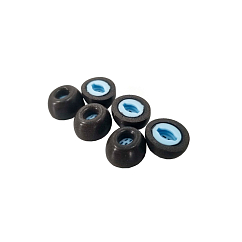
Sound bore, mm: 3.8
Brand: Dekoni Audio
: 46
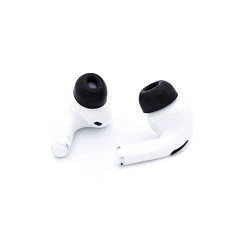
Brand: Dekoni Audio
: 46
Compatible headphone model: Apple AirPods Pro (2nd generation) with MagSafe 2023
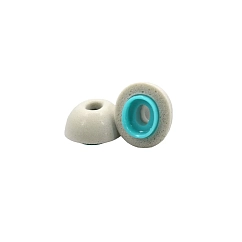
Brand: Dekoni Audio
: 44
Compatible headphone model: Apple AirPods Pro (2nd generation) with MagSafe 2023

Brand: Dekoni Audio
Type: eartips
Material: polyurethane foam

Brand: Dekoni Audio
: 44
Compatible headphone model: Apple AirPods Pro (2nd generation) with MagSafe 2023
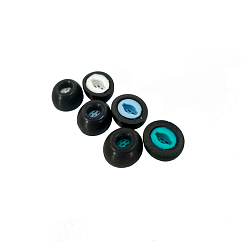
Sound bore, mm: 3.8
Brand: Dekoni Audio
: 46

Brand: Dekoni Audio
Type: eartips
Material: polyurethane foam

Brand: Dekoni Audio
Type: eartips
Material: polyurethane foam

Purpose of nozzles: wired earphones
Brand: Dekoni Audio
Type: eartips

Brand: Dekoni Audio
: 44
Compatible headphone model: Apple AirPods Pro (2nd generation) with MagSafe 2023
Garbage In, Garbage Out: The Source
IEMs are like microscopes for audio. If you feed them a low-quality MP3 file from a weak phone jack, they will reveal every flaw, and you don’t want that. Here are the two things you should do to avoid poor sound.
1. The Files
Stop listening to low-quality MP3s. Switch to Lossless (FLAC, Apple Lossless) on Apple Music, Tidal, or Qobuz. You need data to feed the drivers.
2. The DAC/Amp
Most modern phones don't even have a headphone jack. And laptops often have noisy, weak audio outputs. But fear not, as the solution is simple.
The Solution: A portable Dongle DAC. This tiny device bypasses your phone's cheap audio chip and delivers clean, powerful electricity to your IEMs. It opens up the soundstage and tightens the bass instantly.
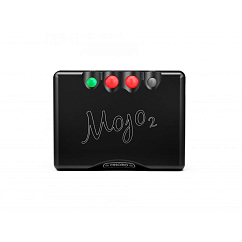
Brand: Chord
Headphone output: 3.5mm jack
Power output: 0.6
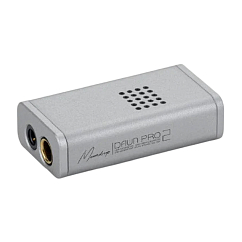
Brand: MoonDrop
Headphone output: 3.5mm jack, 4.4mm jack
Output connectors: 3.5mm jack, 4.4mm jack
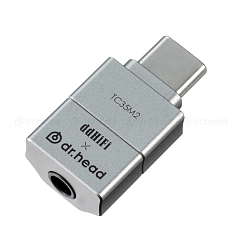
Connector (left): 3.5mm jack female, USB-C
Connector (right): 3.5mm jack female, USB-C
Brand: ddHiFi
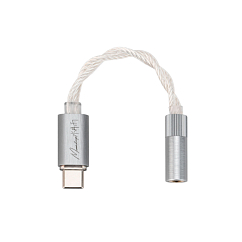
Braid material: PVC
Cable type: twisted Y-shaped
Conductor material: copper

Brand: Cayin
Headphone output: 4.4mm jack, 3.5mm jack
DAC chip: R2R

Brand: MoonDrop
Headphone output: 3.5mm jack, 4.4mm jack
Output connectors: 3.5mm jack, 4.4mm jack
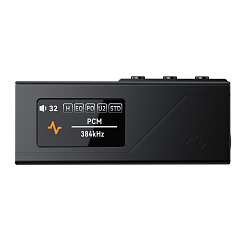
Brand: Cayin
Headphone output: 3.5mm jack, 4.4mm jack
Output connectors: 3.5mm jack, 4.4mm jack

Brand: FiiO
Headphone output: 3.5mm jack, 4.4mm jack
Output connectors: 3.5mm jack, 4.4mm jack
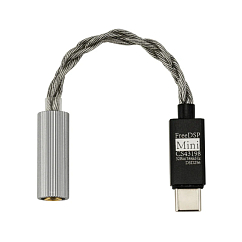
Brand: MoonDrop
Headphone output: 3.5mm jack
Output connectors: USB-C
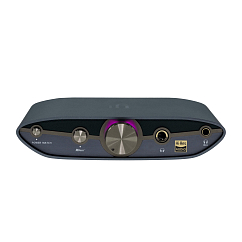

Brand: Campfire Audio
Headphone output: 3.5mm jack, 4.4mm jack
Output connectors: 3.5mm jack, 4.4mm jack
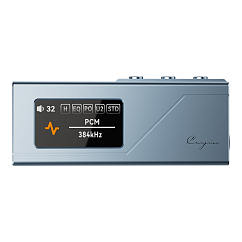
Brand: Cayin
Headphone output: 3.5mm jack, 4.4mm jack
Output connectors: 3.5mm jack, 4.4mm jack
Burn-In: Myth or Magic?
You will hear people say you need to play "Pink Noise" through your new IEMs for 100 hours to "break them in." There is some truth to it, but it’s not nearly as important as some would make you believe.
The Reality: While mechanical parts (Dynamic Drivers, to be exact) can loosen up slightly over time, the biggest "burn-in" happens in your brain. Your ears need time to adjust to a new sound signature. Don't stress about it — just listen to music! The "getting used to" part will happen naturally.
How to Test IEMs in the Store
Reading specs is boring. Listening is believing. When you’re hunting for a new pair of IEMs, follow this protocol:
- Bring Your Own Music: Don't listen to demo tracks. Listen to songs you know by heart. That’s how you truly tell the difference.
- Check the Fit: Shake your head. Chew. Walk around. If the seal breaks, try different tips. Don't settle for "good enough."
- Start Low, Aim High: Listen to a budget model first, then a flagship. This helps you understand what you are paying for. Usually, that would be separation, soundstage, and micro-detail — but you can only tell what’s most important to you if you do a comparison.
The Verdict
IEMs are the most intimate way to experience music. They put you inside the recording studio with the artist — and they let you bring your music anywhere without compromising on the sound quality.
Whether you want the bass-heavy fun of a dynamic driver or the analytical precision of a multi-BA setup, we have them all. Come to the Dr.Head showroom in Dubai, have a coffee, and let our experts help you find the perfect fit for your ears and your playlist.
Brand: MoonDrop
Headphone type: wired
The lowest frequency, Hz: 10
Brand: Noble Audio
Headphone type: wired
The lowest frequency, Hz: 20
Brand: Noble Audio
Headphone type: wired
The lowest frequency, Hz: 20
Brand: Kinera
Headphone type: wired
The lowest frequency, Hz: 20
Brand: Noble Audio
Headphone type: wired
The lowest frequency, Hz: 20
Brand: MoonDrop
Headphone type: wired
The lowest frequency, Hz: 9
Brand: Noble Audio
Headphone type: wired
The lowest frequency, Hz: 8
Brand: Noble Audio
Headphone type: wired
The lowest frequency, Hz: 10
Brand: Aurian
Headphone type: wired
The lowest frequency, Hz: 20
Earpads material: silicone, foam
Headphone type: wired
In-Ear headphone type: with a wire