













Embrace the Speakers: A Three-Step Guide to Home Audio
Choosing a great sound system should be like buying a car: after all, both are serious investments that can bring you years of joy. But there's a huge difference. Before buying a car, you'll spend weeks binge-watching reviews, you'll book a test drive, and you'll learn all about its quirks. But when it comes to speakers? Most people just wing it, even if the price tags are comparable.
That's a mistake. A well-chosen pair of speakers can last you longer than your car and deliver far more emotional impact. It's time to stop guessing and start choosing like an expert. We’ll show you exactly how.
Contents
Step 1. Answer Two Simple Questions
Before you even look at a single speaker, you need to answer these two questions. Get this right, and everything else becomes easier.
1. What do you actually need speakers for?
For Music
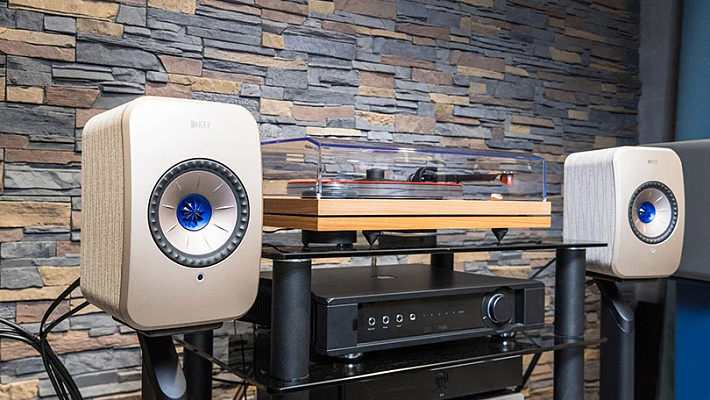
You're likely looking for a classic stereo pair (two speakers). Don't get fooled into thinking a massive home theater system will make your music sound better: most music is still recorded in stereo. A great pair of speakers, maybe with a subwoofer to back them up, is all you need for a breathtaking musical experience.
For Movies & TV
Here's where things get bigger. You can go for a multi-channel home theater system or a sleek, space-saving soundbar. A full-blown home theater is a complex and expensive project, but the immersive result is undeniable.
2. Where are your speakers going to live?
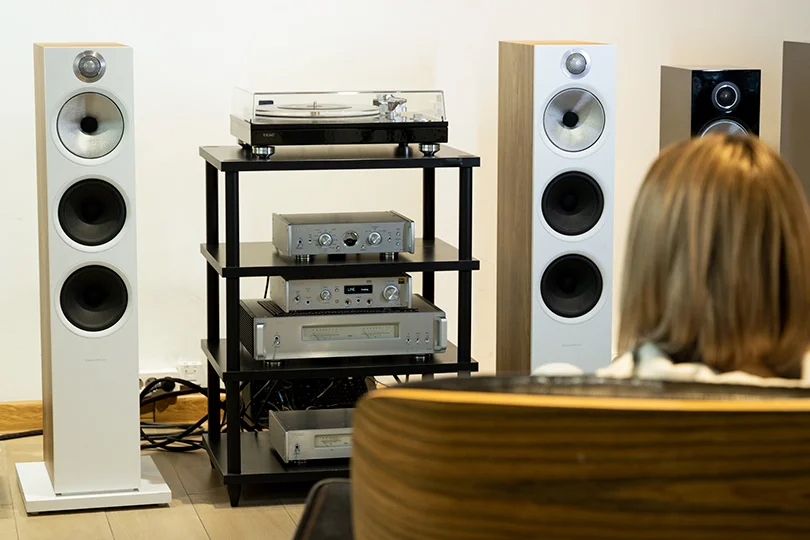
This is the first question any good audio consultant will ask you. The size and characteristics of your room will dictate your choice. Putting huge floorstanding speakers in a small 20-square-meter room is a waste; they'll never be able to breathe and will sound boomy. While a pair of DALI Oberon 9 might be perfect for a large living room, a smaller space would be better served by a great pair of bookshelf speakers like the KEF Q350.
Long story short, always match the speaker to the room.
Step 2: Choose Your Type
Now that you know your mission, you can pick the right tool for the job.
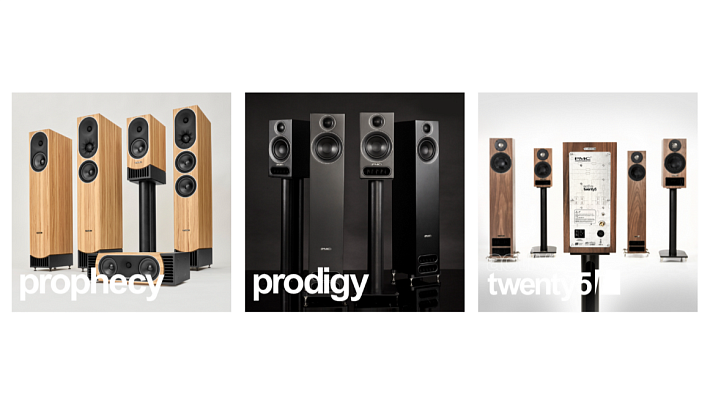
Floorstanding Speakers
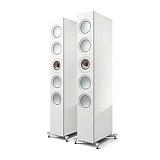
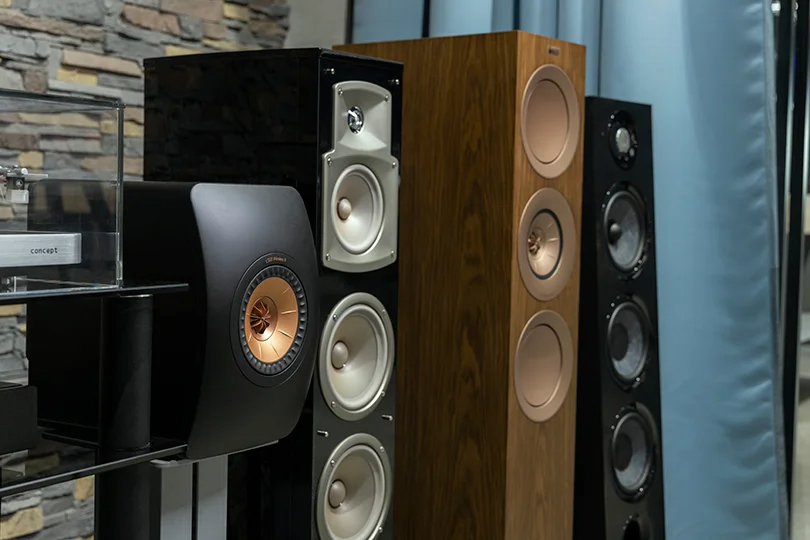
These are the big guns. They're large enough that their tweeters are naturally at ear level when you're seated. They deliver big, powerful bass and are best suited for larger rooms. They're the classic choice for a serious stereo setup or as the front left/right channels in a home theater.

Brand: Focal
: 44
Connection method: hdmi, optical, rca, usb-a, rj45, bluetooth, wifi


Brand: Sonus Faber
: 37
Connection method: bi-amp, bi-wiring


Bookshelf Speakers
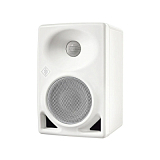
Don't let the name fool you — please don't put them on a bookshelf. These speakers sing their best on dedicated stands. Brands often use bookshelf models to show off their engineering prowess, packing incredible technology like complex bass ports and passive radiators into a compact box. A great example is the Amphion Argon1, which is engineered to be minimally affected by the room around it.


Bluetooth version: 5.3
Cable included: yes
Charging connector: DC-IN
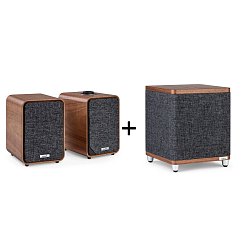
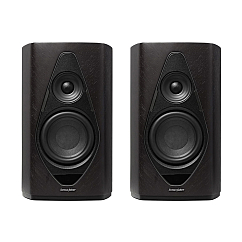
Connection method: bluetooth, wifi, rj45, hdmi
Max SPL, dB: 105
Number of lanes: two-lane
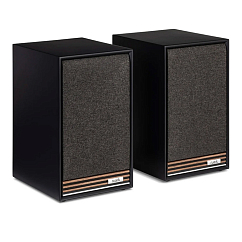


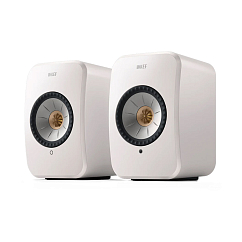
Brand: KEF
: 32
Connection method: bluetooth, wifi, rj45, optical, usb, 3.5
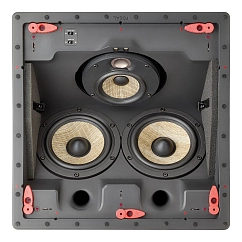
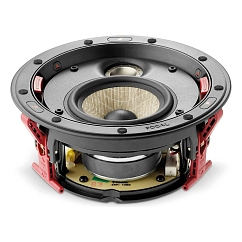
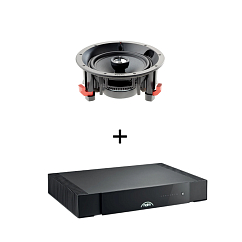
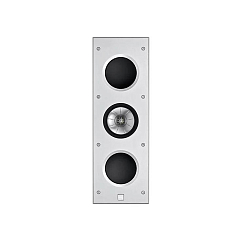
Surround / In-Wall Speakers
These are the specialized players in a multi-channel home theater system, used for immersive sound formats like Dolby Atmos. They're installed in your walls or ceiling to create a true bubble of sound.



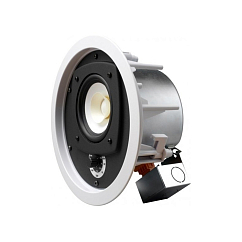
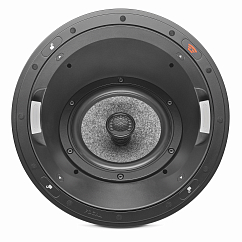
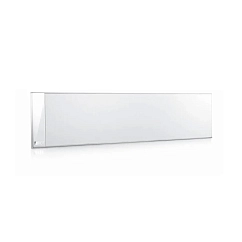
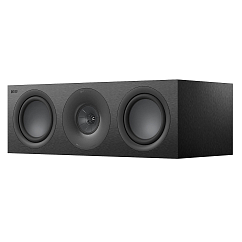
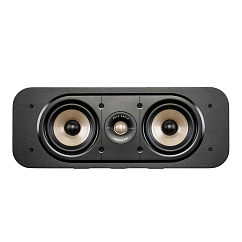
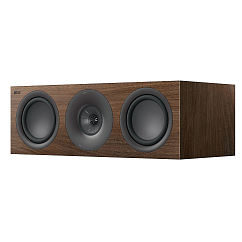
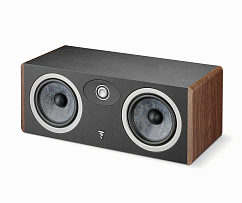
Center Channel
The unsung hero of your home theater, this speaker usually sits under your TV and is dedicated to one crucial job: dialogue. It ensures that voices are always crystal clear, no matter how chaotic the on-screen action gets.

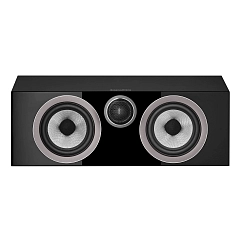
Brand: Bowers & Wilkins
: 46
Connection method: bi-amp, bi-wiring
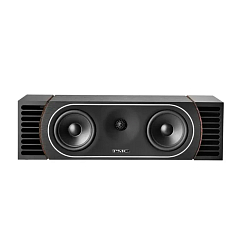

Brand: Polk Audio
: 46
Connection method: terminals
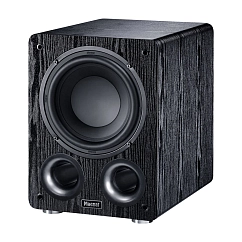
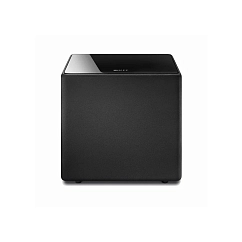
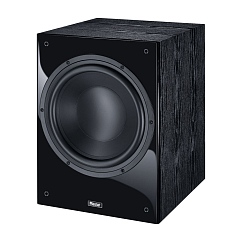
Subwoofer
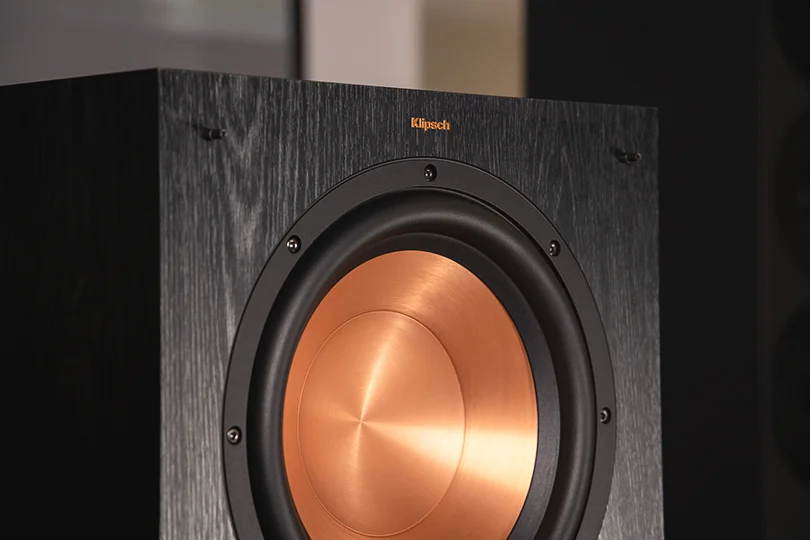
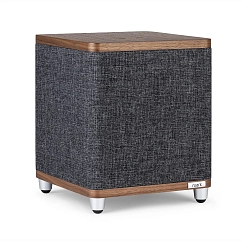
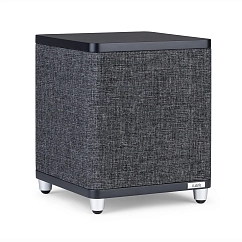
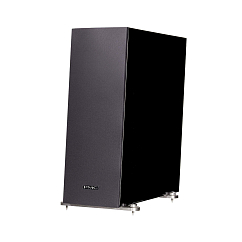
A dedicated speaker that does one thing and does it brilliantly: reproduce deep, low-frequency bass. A good "sub" lets you not just hear, but feel the explosions in a movie or the lowest notes of a bass guitar.



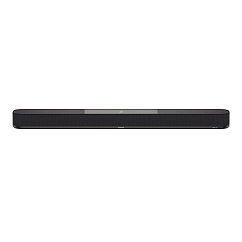
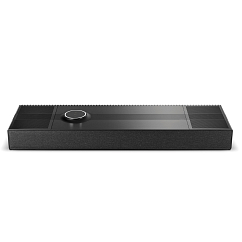
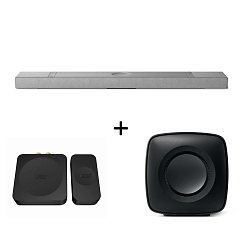
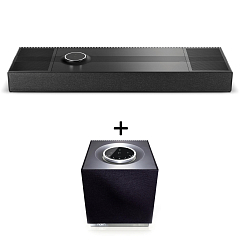
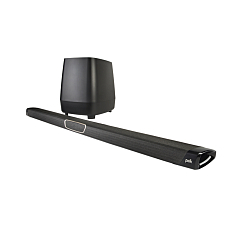
Soundbar
The minimalist's alternative to a full home theater. It's a sleek bar that sits under your TV, using clever processing to create a wide, immersive soundscape without filling your room with speakers.

AirPlay support: yes
Audio return channel: eARC
Bluetooth version: 5.0
AirPlay support: yes
Audio return channel: eARC
Bluetooth version: 5.0
AirPlay support: yes
Audio return channel: eARC
Bluetooth version: 5.3
AirPlay support: yes
Audio return channel: eARC
Bluetooth version: 5.1

AirPlay support: yes
Audio return channel: eARC
Bluetooth version: 5.0


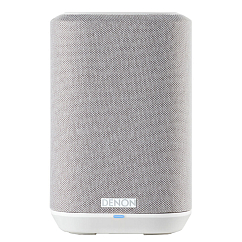
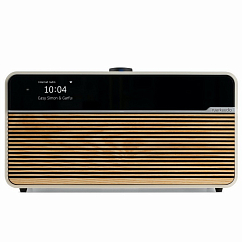
Wireless / Smart Speakers
The ultimate in convenience, these can provide high-quality sound anywhere in your home, all controlled from your smartphone.

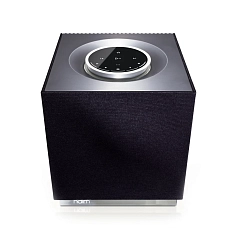
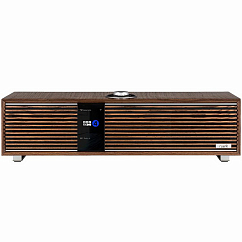
Connection method: wifi, rj45
Phase Inverter location: below
The highest frequency, kHz: 22

Connection method: bluetooth, wifi
Type of speakers: active bookshelf
Alarm clock: yes
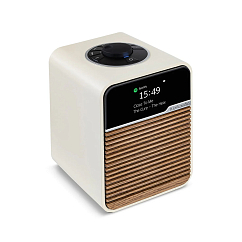
Connection method: bluetooth, wifi
Type of speakers: active bookshelf
Alarm clock: yes
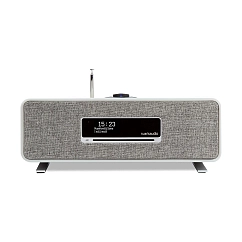
CD drive: yes
Connection method: wifi, bluetooth
Number of lanes: broadband

Step 3. Decode the Specs
Okay, you know what you need those speakers for and what type you want; now for the specs. Don't worry, this is the easy part.
Price
Think of your sound system as a chain. It's only as strong as its weakest link. If you pair budget speakers with a high-end amplifier, you're wasting the amp's potential. The reverse is also true. Your speakers should be a proportional investment to the rest of your system (amplifier, player, etc.). Can you buy speakers "to grow into"? Yes, but be prepared to upgrade your other components later.
Frequency Range (Hz)
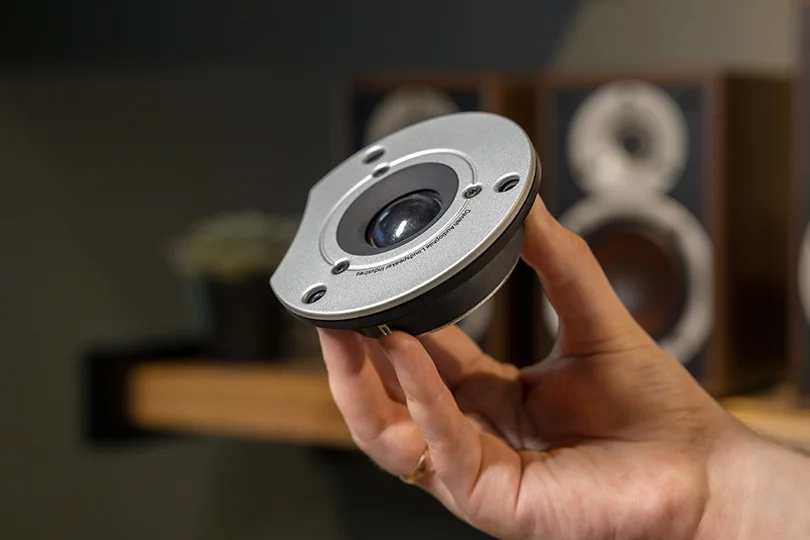
This shows the range of sounds the speaker can produce. The human ear hears from about 20 Hz to 20 kHz. So why would you want a speaker that goes lower? Because you don't just hear deep bass, you feel it as a physical vibration. The wider the range, the fuller the picture. For a good stereo pair, look for a low-end that starts at 45 Hz or lower.
Sensitivity (dB)
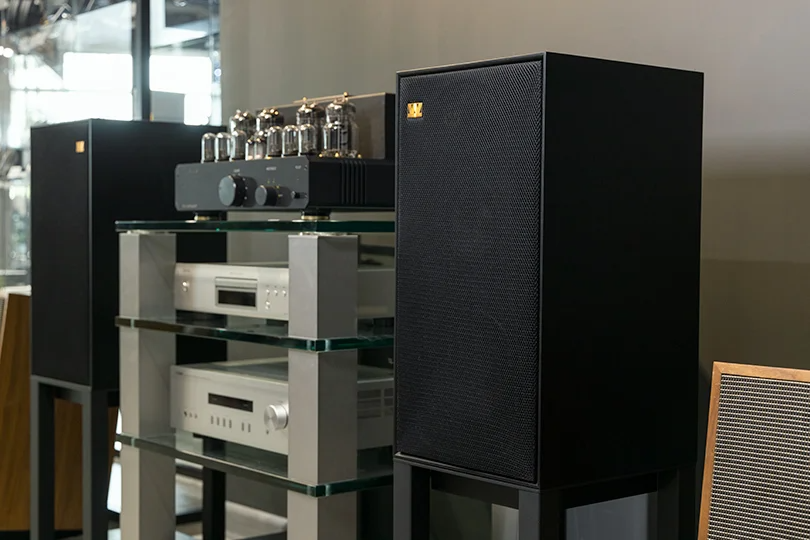
This tells you how efficiently a speaker converts power into sound. A higher sensitivity speaker will play louder with the same amount of power. For home use, we recommend choosing speakers with a sensitivity of 86 dB or higher. This means the drivers will be more responsive and better at reproducing subtle details, especially with analog sources like a turntable.
Power Handling (Watts)
This one tells you how much power the speaker can take without being damaged. Here, it's all about matching. A powerful amplifier can easily destroy a low-power speaker; conversely, a weak amplifier will struggle to drive a powerful speaker, leading to distortion that can also cause damage.
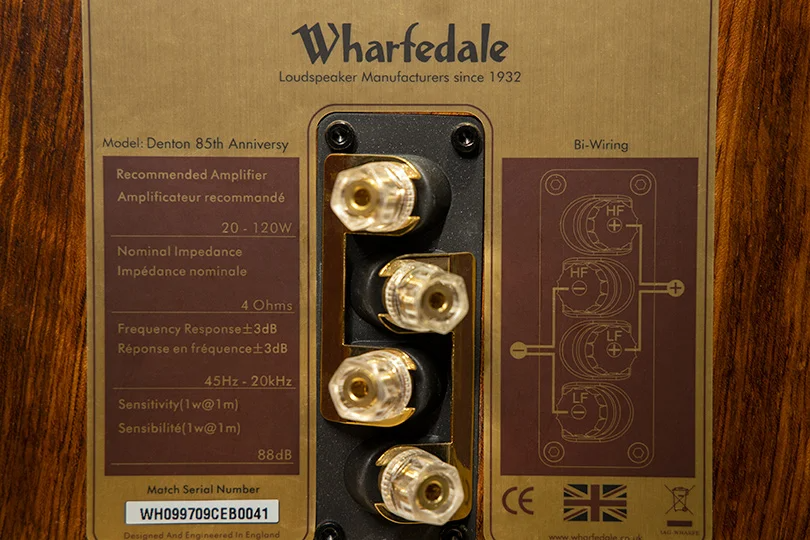
Impedance (Ohms)
This is the speaker's electrical resistance. Most home speakers are between 4 and 8 Ohms. The key is to match the speaker's impedance to what your amplifier is designed to handle, which is usually written on the back of the amp.
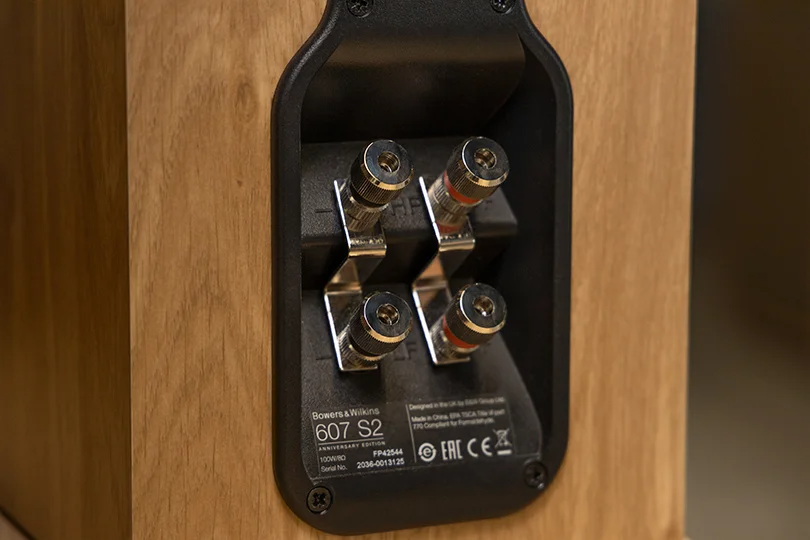
Terminals (Bi-Wiring/Bi-Amping)
Some speakers have two pairs of connection terminals. This allows for advanced setups like Bi-Wiring (running two sets of cables from one amp) or Bi-Amping (using two separate amplifiers). Both methods can give the amplifier better control over the speaker and result in a cleaner sound.
Step 4. Test Them Out
You've figured out your goals, you know the different types, and you can decode the specs. The last and most important step? Listen with your own ears.
No spec sheet or review can tell you how a speaker will sound to you, in your room. That's why at Dr.Head, we have dedicated listening rooms. Come visit us at our Dubai showroom, bring your favorite music, and let's find the pair of speakers that's right for you.