













The Ultimate Pre-Purchase Headphone Checklist
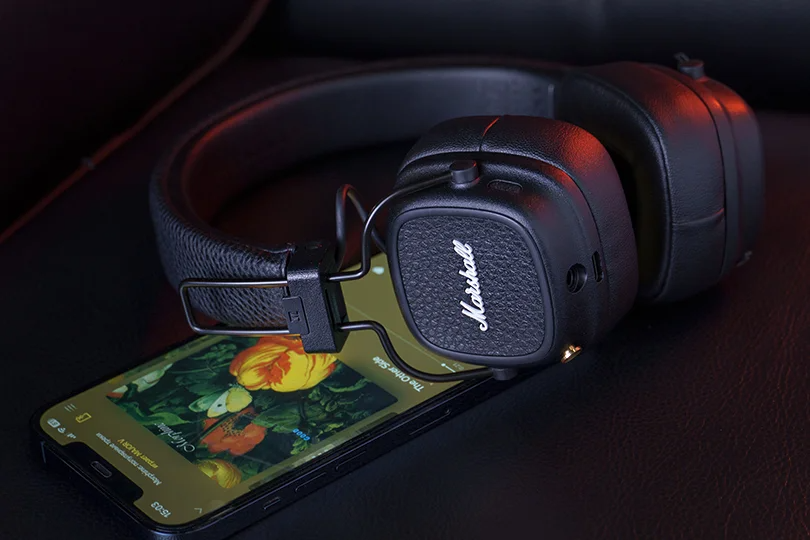
Buying new headphones is a thrill, a process filled with anticipation and excitement. But let's be honest, it's also a leap of faith. You never truly know how a pair will sound or feel during long-term use until you’ve already spent the money.
At Dr.Head, we believe in taking the guesswork out of the equation. That's why you can always come in and listen to any model we have. But to help you get the most out of your listening session, we’ve created a step-by-step guide to properly test any pair of headphones before you buy them.
Contents
Step 1: The Physical Exam
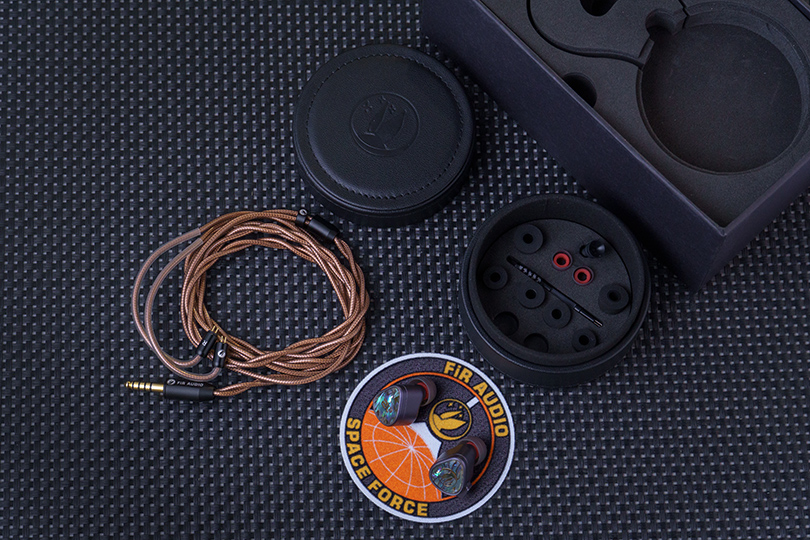
It all starts with your eyes and hands. Before you even listen, give the headphones a thorough inspection.
- Packaging: Take a look at the box. Does it feel premium and well-designed, or cheap and flimsy? A company that invests in quality packaging is giving you a good first sign that they care about their product.
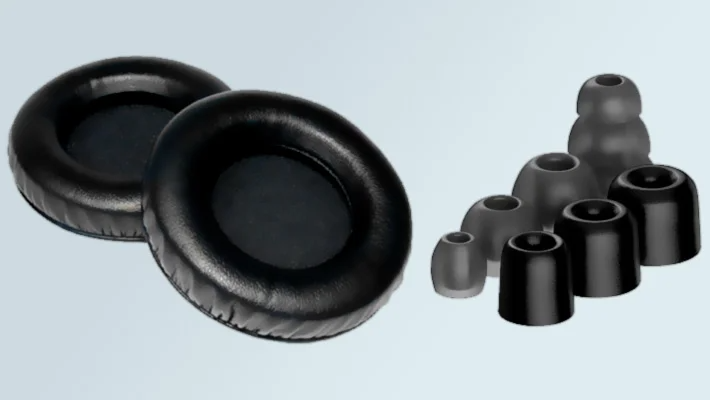
- Accessories: Do you get the bare minimum, or are there nice bonuses? Three sizes of eartips are the standard for TWS models, but some brands go the extra mile. These little things improve the ownership experience.
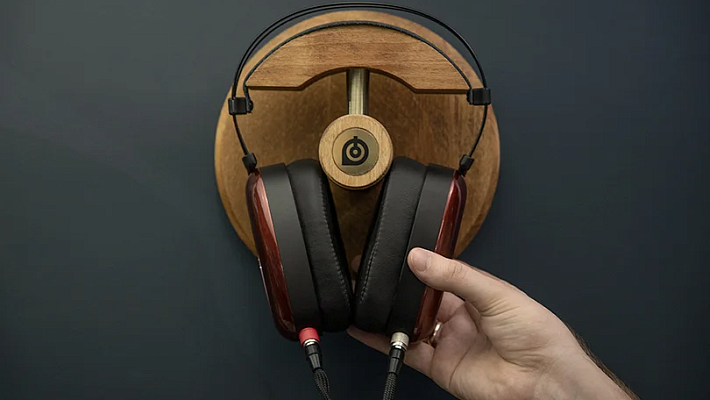
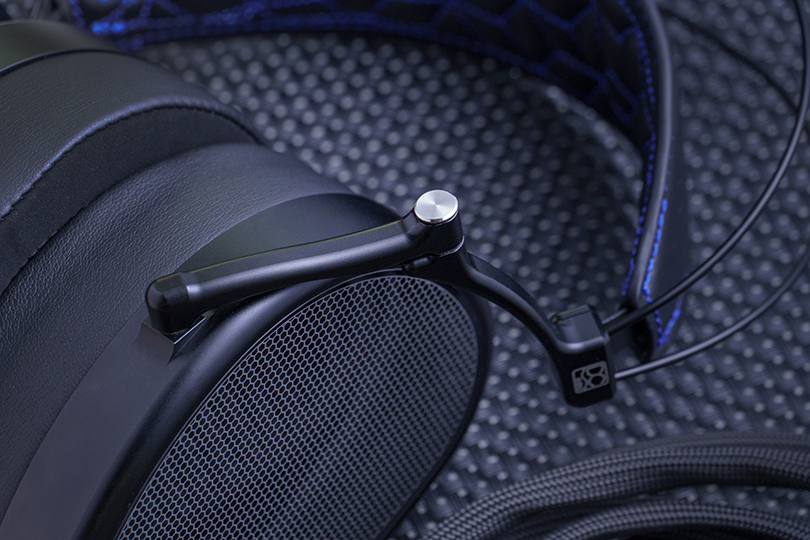
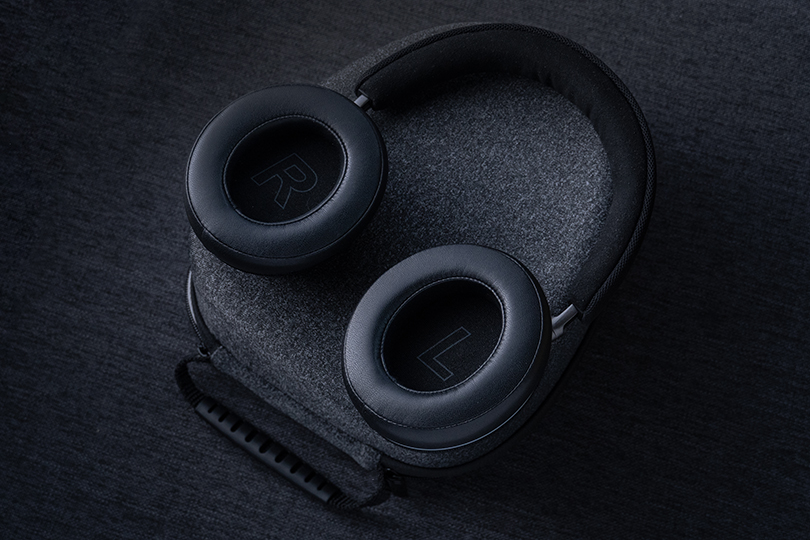
- Build Quality: Now, pick up the headphones. Examine the housing, the fit and finish of the materials, and the headband mechanism. If it’s an over-ear model, the headband should adjust smoothly but firmly. There should be no manufacturing defects. Pay close attention to the yokes that connect the earcups to the headband; they should feel robust.
- Fit and Comfort: This is non-negotiable. Whether it’s an in-ear or an over-ear model, it has to be comfortable for long sessions. This depends on many factors: getting the right eartips, an ergonomic housing, an adjustable headband, and good weight distribution.
Step 2: The All-Important Sound Test
Ask a hundred audio lovers what they use to test gear, and you'll get a hundred different answers. That's how it should be. While it's fun to try out recommended test tracks, it's very difficult to judge sound quality with music you don't know intimately. Always use your own favorite, well-known tracks.
To help you know what to listen for, here is a breakdown of the key sonic characteristics.
| Characteristic | What to Listen For | Red Flags (Negative Signs) |
|---|---|---|
| Sub-bass (20-60 Hz) | This is the lowest range, where sounds are often felt more than heard. The kick of a bass drum should be fast, clean, and weighty. | Rattling from the drivers or a muddy, undefined sound. |
| Bass (60-250 Hz) | This range gives music its depth and foundation. The bass should be tight and fast. Use tracks where the bass is powerful but not overwhelming. | Boomy, rattling, or slow bass that sounds disconnected. |
| Mid-range (250 Hz-2 kHz) | This is the "body" of the music, containing vocals and most instruments. Mids should be clear and well-balanced. This is the most important range for our perception. | Harshness, unnatural tone, or being overshadowed by the bass. |
| Upper Mid-range (2-6.3 kHz) | Contains high-frequency instruments and harmonics. These should be crisp and detailed, enhancing the texture of the sound. | Harshness and the presence of distortion (whistling, hissing). |
| Treble (6.3-20 kHz) | The highest audible frequencies. The treble should be clear without causing ear fatigue, adding air and detail to the sound. | Distortion and harshness. Piercing or, conversely, dull sound. |
| Balance | The different parts of the frequency range should not drown each other out. All frequencies should have an equal sense of weight and impact. | Bass that masks the midrange, or treble that is sharply elevated above the rest. |
| Soundstage | A good headphone can create a soundscape where you can hear the precise location of instruments and vocals in the mix, creating a sense of space. | A congested balance, lack of clear instrument placement. |
| Dynamic Range | The difference between the loudest and quietest sounds a headphone can reproduce without distortion. | Distortion at high volumes, loss of quiet details due to background noise. |
At first, these characteristics can seem complex, but with experience, you'll start to recognize the unique personalities of different headphones.
Step 3: The Isolation Test
.jpg)
If you plan to use your headphones in noisy environments, this test is crucial.
- Test Passive Isolation: Listen to music in a noisy environment. Notice how well the headphones naturally block out sound without ANC turned on. This is all about the physical fit and the earpad/eartip materials.
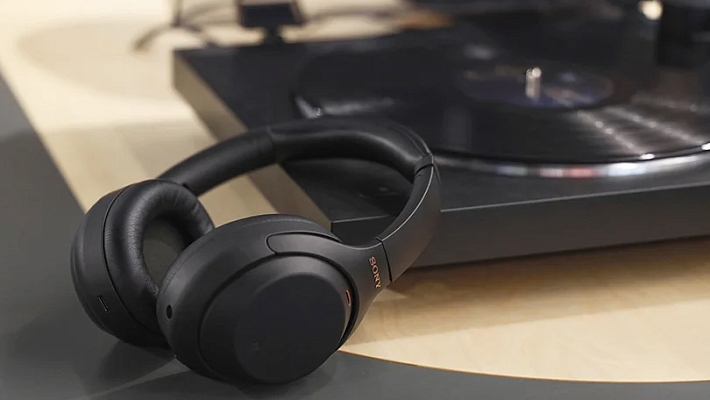
- Test Active Noise Cancellation (ANC): Now, turn on the ANC and repeat the test. Effective ANC should dramatically reduce the background noise, improving clarity. Good ANC should do this without altering the sound of your music.
- Check for ANC Artifacts: Listen for any hissing, a feeling of pressure or a "vacuum," or other strange sounds that the ANC might be introducing. These should be minimal to non-existent in a high-quality pair.
Step 4: The Cable Check
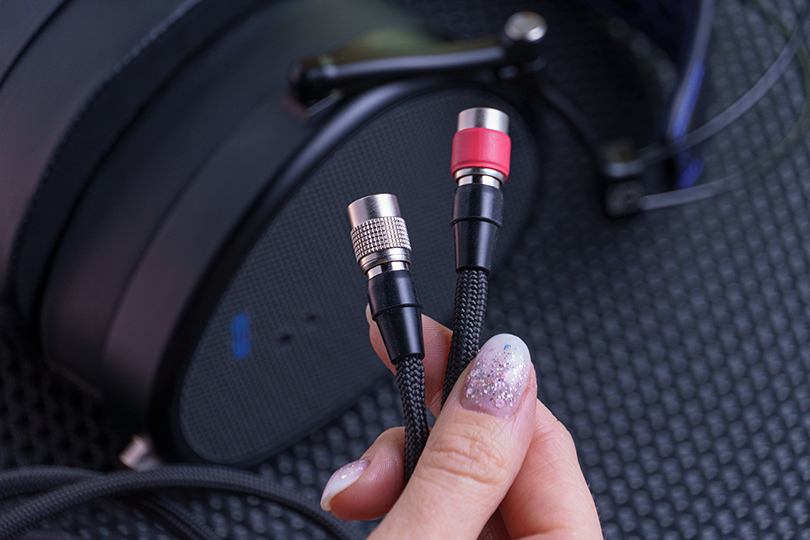
For wired models, the cable is a common point of failure.
- Inspect It: Check for any visible damage, kinks, or breaks in the insulation.
- The Wiggle Test: While listening, gently bend the cable at the plug and where it enters the earcups. If you hear static or the sound cuts out, the cable is damaged.
- Check the Connectors: The jacks should fit snugly and securely. A detachable cable is always a huge plus, as it's much easier to replace a cable than to repair the entire headphone.
Your Top Questions, Answered (FAQ)
At what volume should I test headphones? We recommend testing at a moderate volume to protect your hearing. You can briefly increase the volume to check for distortion at higher levels.
Are open-back and closed-back headphones tested differently? Yes. Open-back models will have a wider, more natural soundstage but offer no noise isolation. Closed-back models will have better isolation, which affects how you perceive the sound, especially the bass.
What's the difference between frequency response and frequency range?Frequency range is the spectrum of frequencies a headphone can produce (e.g., 20 Hz–20 kHz). Frequency response is a graph that shows how evenly it reproduces those frequencies.
Does a wireless connection affect sound quality? Modern Bluetooth technology and codecs have become so advanced that the impact is minimal for most listeners, especially with high-quality codecs like aptX HD or LDAC.
The Bottom Line
This guide simplifies the process of testing headphones, focusing on what truly matters: build quality, comfort, sound, and isolation. But remember, the most important factor is your own listening experience.
At Dr.Head, you can test everything we sell, from headphones and speakers to players and amplifiers. That’s why we invite you to our Dubai showroom, where our experts can help you find your perfect sound, and you can pick your next headphones knowing fully well they're perfect for you.