











Portable DAC vs. Hi-Fi Player: What’s the Best Way to Boost Your Phone Audio?
Not happy with your smartphone's sound? Is it too quiet, lifeless, or lacking support for high-res formats? Or maybe your new phone doesn't even have a headphone jack? Welcome to the club: many people have this issue. Most fortunately, we have the solution — two of them, even.
For the modern music lover, there are two main paths to audio salvation:
- Upgrade Your Phone: Add a Portable DAC/Amp.
- Replace Your Phone: Get a Dedicated Hi-Fi Player (DAP).
Which is better? There's no single right answer. It's a classic battle of convenience versus dedication. Let's break down the pros and cons of each to find the right fit for you.
Contents
Path 1: The Upgrade — Portable DAC/Amp
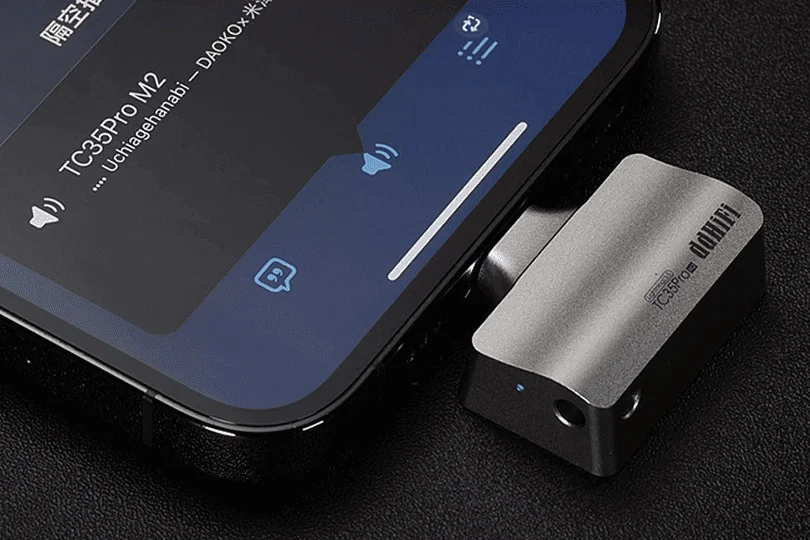
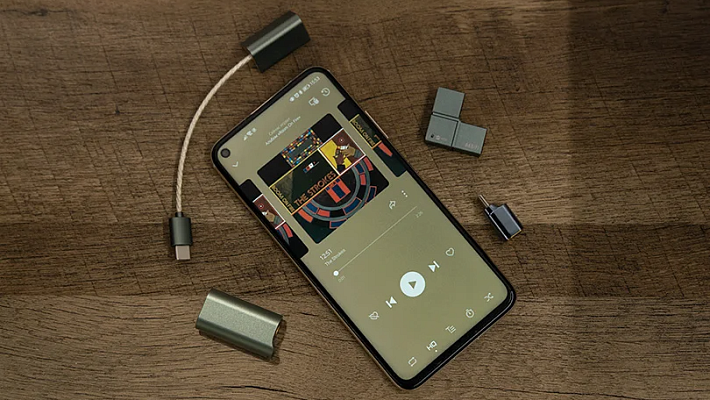
A portable DAC (Digital-to-Analog Converter) is an external "sound card" for your phone. It bypasses your phone's built-in — and usually low-quality — audio hardware. It connects to your phone's USB-C or Lightning port, grabs the pure digital audio stream before your phone's internal chip can ruin it, and then uses its own superior hardware to convert that digital signal to analog and amplify it for your headphones.
These come in three main flavors:
- The Dongle: A tiny, pocket-friendly DAC/amp that looks like a slightly thicker cable. It's powered by your phone and is the simplest, most popular way to get an instant, massive audio upgrade.
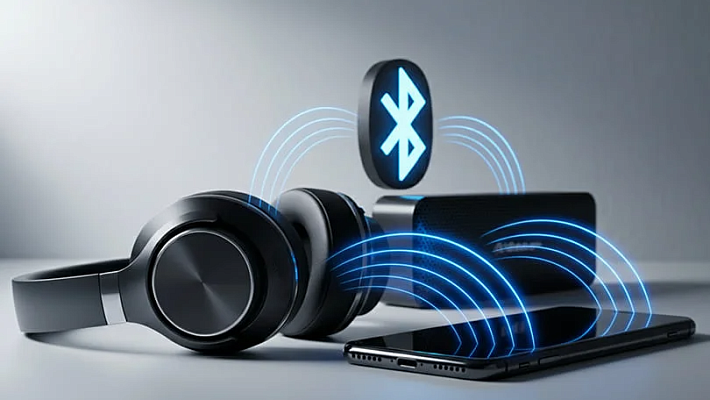
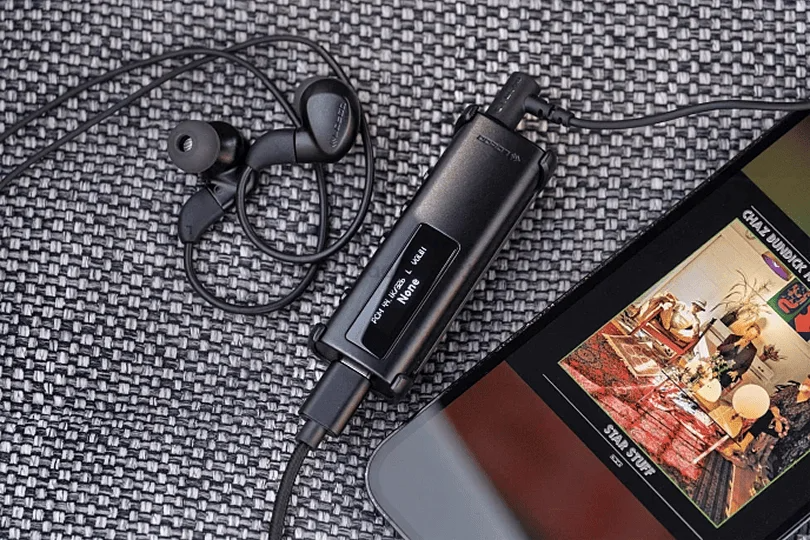
- The Bluetooth DAC/Amp: A small, clip-on device that connects to your phone wirelessly via Bluetooth, but then provides a high-quality wired connection to your headphones. This is the ultimate "best of both worlds" for convenience, letting you keep your phone in your pocket and your high-end wired headphones on your person.
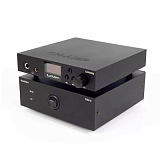
- The Portable DAC/Amp: A larger, more powerful unit (often the size of a small wallet) with its own built-in battery. Because it doesn't rely on your phone's power, it can run much more powerful amplifiers to drive demanding, high-end, full-sized headphones.
Path 2: The Dedicated Device — Digital Audio Player
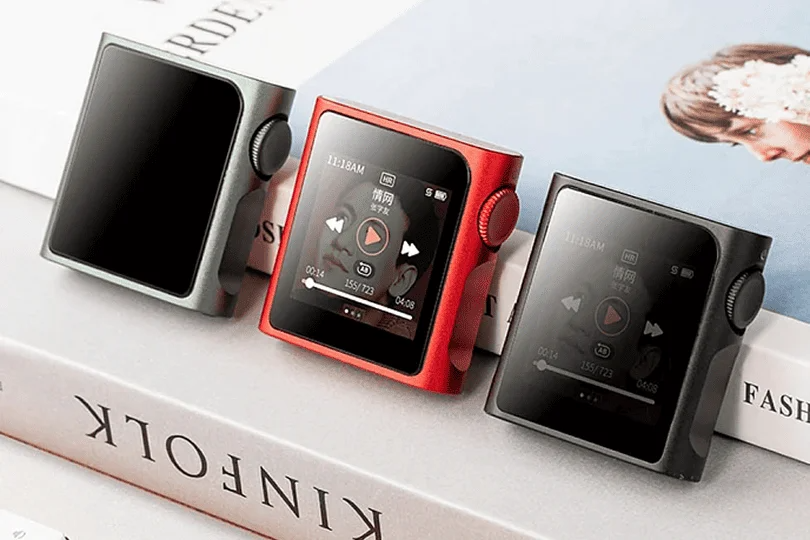
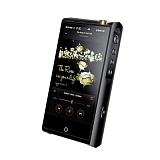
To put it simply, a DAP is an iPod on steroids. It's a completely separate, standalone device built for one purpose and one purpose only: to play music at the absolute best quality. It has its own operating system (often Android), storage (usually via microSD cards), screen, battery, and, most importantly, a high-end, custom-built audio circuit.
A DAP doesn't just have a good DAC and amp; it is a good DAC and amp, with an entire ecosystem built around them.
The Showdown: DAC vs. DAP
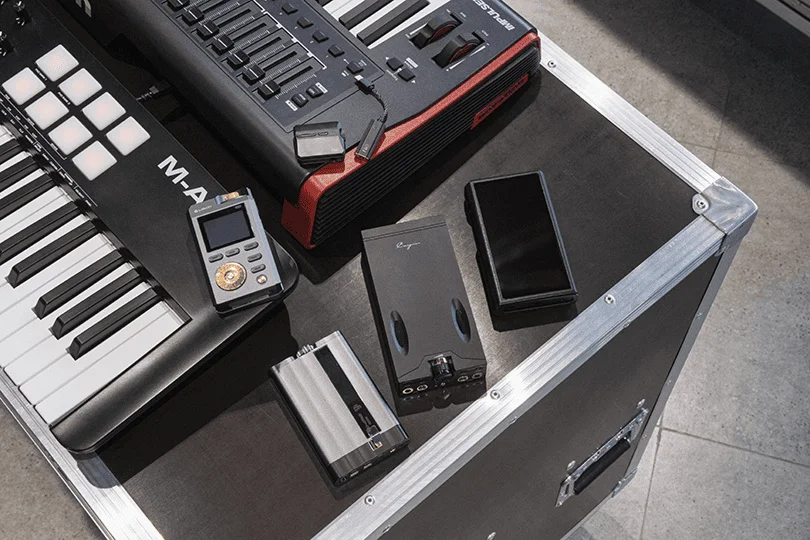
Now, let's pit these two head-to-head on the factors that matter most.
Round 1: Portability & Convenience
- DAC: The clear winner on convenience. A DAC dongle is just a part of your headphone cable. You still use your phone for everything — streaming on Spotify, managing playlists, etc. It's an upgrade that doesn't change your habits.
- DAP: This is a second device. You have to carry it, charge it, and manage music on it. It’s a "stack" (DAP + headphones) versus your phone's "stack" (Phone + DAC + headphones). If you hate full pockets, a DAP is a tough sell.
Winner: DAC
Round 2: Sound Quality & Power
- DAC: The quality ranges from "great" (dongles) to "outstanding" (battery-powered units). A dongle is perfect for efficient in-ear monitors (IEMs) but will struggle with power-hungry over-ear headphones. A battery-powered DAC/amp, however, can power almost anything.
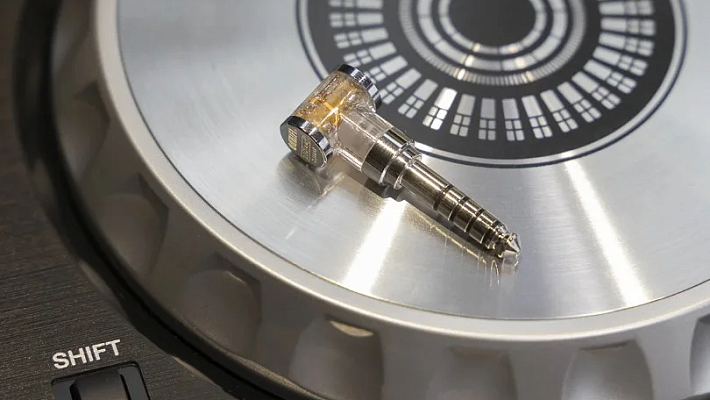
- DAP: DAPs generally have an edge here simply because they are designed from the ground up for audio. The entire circuit is optimized, the components are isolated, and the power delivery is clean. They are built to handle a huge range of headphones, from sensitive IEMs (with silent, hiss-free backgrounds) to massive planar magnetics, often including balanced outputs (2.5mm, 4.4mm) for even more power and clarity.
Winner: DAP (especially when compared to small dongles).
Round 3: Battery Life & The "Experience"
- DAC: A dongle DAC is powered by your phone, so it will drain your phone's battery faster. A Bluetooth DAC has its own small battery to charge. A larger DAC/amp has its own large battery to charge. In all cases, you are still at the mercy of your phone's notifications, calls, and pop-ups, which can interrupt your listening.
- DAP: A DAP has its own battery and doesn't touch your phone's — this is a massive win for long flights or commutes. More importantly, it offers a distraction-free experience. No calls, no social media alerts, no work emails — just you and your music. This is a "hidden" feature that many audiophiles value most.
Winner: DAP
The Verdict: Who Wins?

There's no single winner, only the right choice for your lifestyle. So ultimately, the winner should only be you.
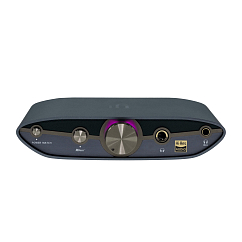
Choose a DAC if...
- You primarily listen to music from streaming services on your phone.
- You value convenience and portability above all else.
- You use easy-to-drive headphones (like IEMs or efficient portable models).
- You hate the idea of carrying and charging a second device.
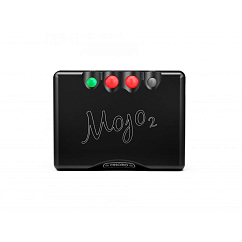
Brand: Chord
Headphone output: 3.5mm jack
Power output: 0.6
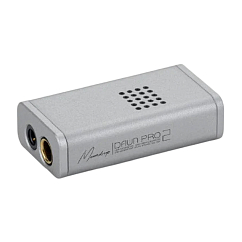
Brand: MoonDrop
Headphone output: 3.5mm jack, 4.4mm jack
Output connectors: 3.5mm jack, 4.4mm jack
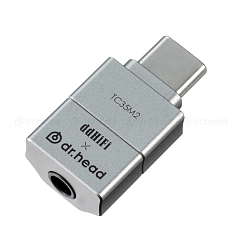
Connector (left): 3.5mm jack female, USB-C
Connector (right): 3.5mm jack female, USB-C
Brand: ddHiFi

Brand: Cayin
Headphone output: 4.4mm jack, 3.5mm jack
DAC chip: R2R
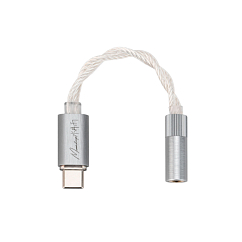
Braid material: PVC
Cable type: twisted Y-shaped
Conductor material: copper
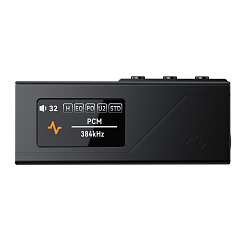
Brand: Cayin
Headphone output: 3.5mm jack, 4.4mm jack
Output connectors: 3.5mm jack, 4.4mm jack

Brand: MoonDrop
Headphone output: 3.5mm jack, 4.4mm jack
Output connectors: 3.5mm jack, 4.4mm jack

Brand: FiiO
Headphone output: 3.5mm jack, 4.4mm jack
Output connectors: 3.5mm jack, 4.4mm jack
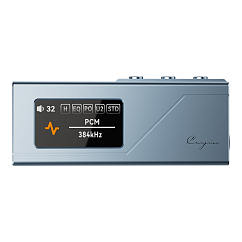
Brand: Cayin
Headphone output: 3.5mm jack, 4.4mm jack
Output connectors: 3.5mm jack, 4.4mm jack
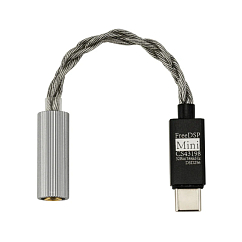
Brand: MoonDrop
Headphone output: 3.5mm jack
Output connectors: USB-C

Brand: Campfire Audio
Headphone output: 3.5mm jack, 4.4mm jack
Output connectors: 3.5mm jack, 4.4mm jack
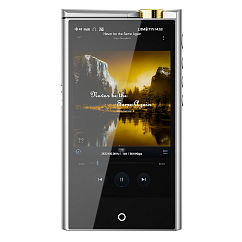
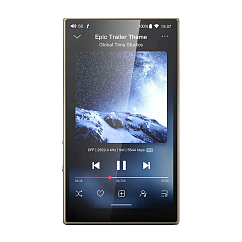
Choose a DAP if...
- You have a large local library of Hi-Res audio files (FLAC, DSD, WAV).
- You have power-hungry, high-end headphones that need a serious amplifier.
- You hate your phone's battery dying just because you were listening to music.
- You crave a pure, distraction-free listening session without notifications.
- You want the absolute best sound quality in a single, dedicated package.
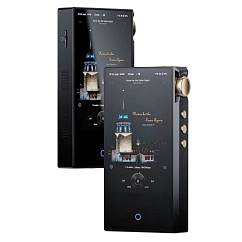


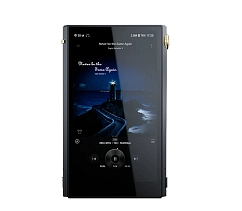
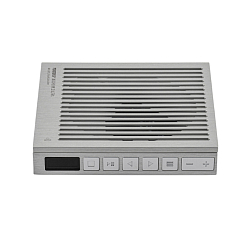
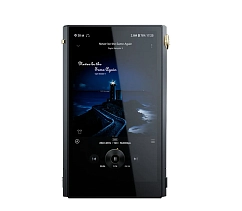

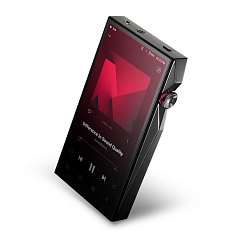

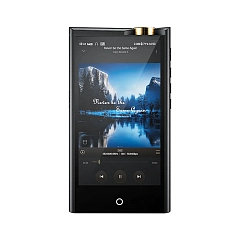
Oh, and one last tip: many modern DAPs can also function as a high-end USB DAC for your laptop, making them a powerful two-in-one solution.
As always, be sure to stop by the Dr.Head showroom in Dubai to personally test both options and see which one suits you better. We have an entire library of different DAC and Hi-Fi player models for you to choose from.