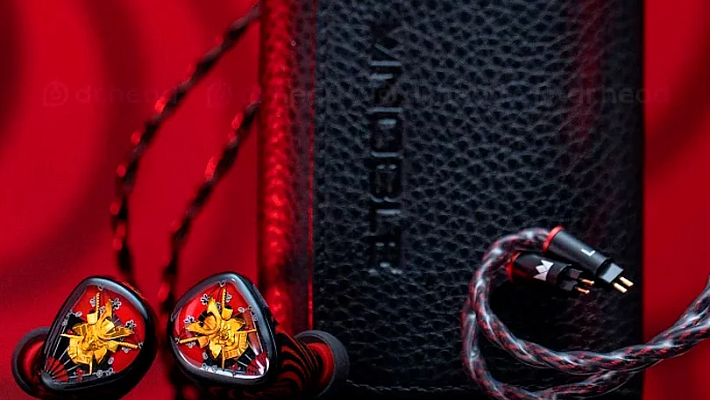














Fake Headphones & How to Identify Them
The modern electronics market is vast, to say the least. But if you are buying gear online, you might face a much bigger headache than just choosing the right model: fakes.
Premium headphones, mics, and portable speakers get knocked off constantly. Today, buying a counterfeit gadget is way too easy, and telling it apart from the real deal is getting insanely hard. Let’s break down exactly where to look, why you can't always trust your eyes, and how to avoid getting scammed.
Contents
The Price Tag: Is It Too Good to Be True?
The first thing to look at is the price. Sure, scoring premium headphones for half the retail price on a marketplace feels like a massive win. But who guarantees they are real? That flashy "100% Original" sticker on the thumbnail means absolutely nothing. Rule of thumb: if the price is significantly lower than the market average, it is almost certainly a fake.
But here is the scary part: price isn't even a reliable indicator anymore. Scammers are getting greedy and selling fakes at full retail price to make them seem legit. The only foolproof way to get what you pay for is to buy from a verified retailer.
At Dr.Head, everything is 100% authentic. We’ve stuck to this rule for almost 20 years, working only with official, rock-solid distributors. The authenticity of our gear is backed by official certificates and, most importantly, flawless quality.
The Packaging: Don't Ignore the Box
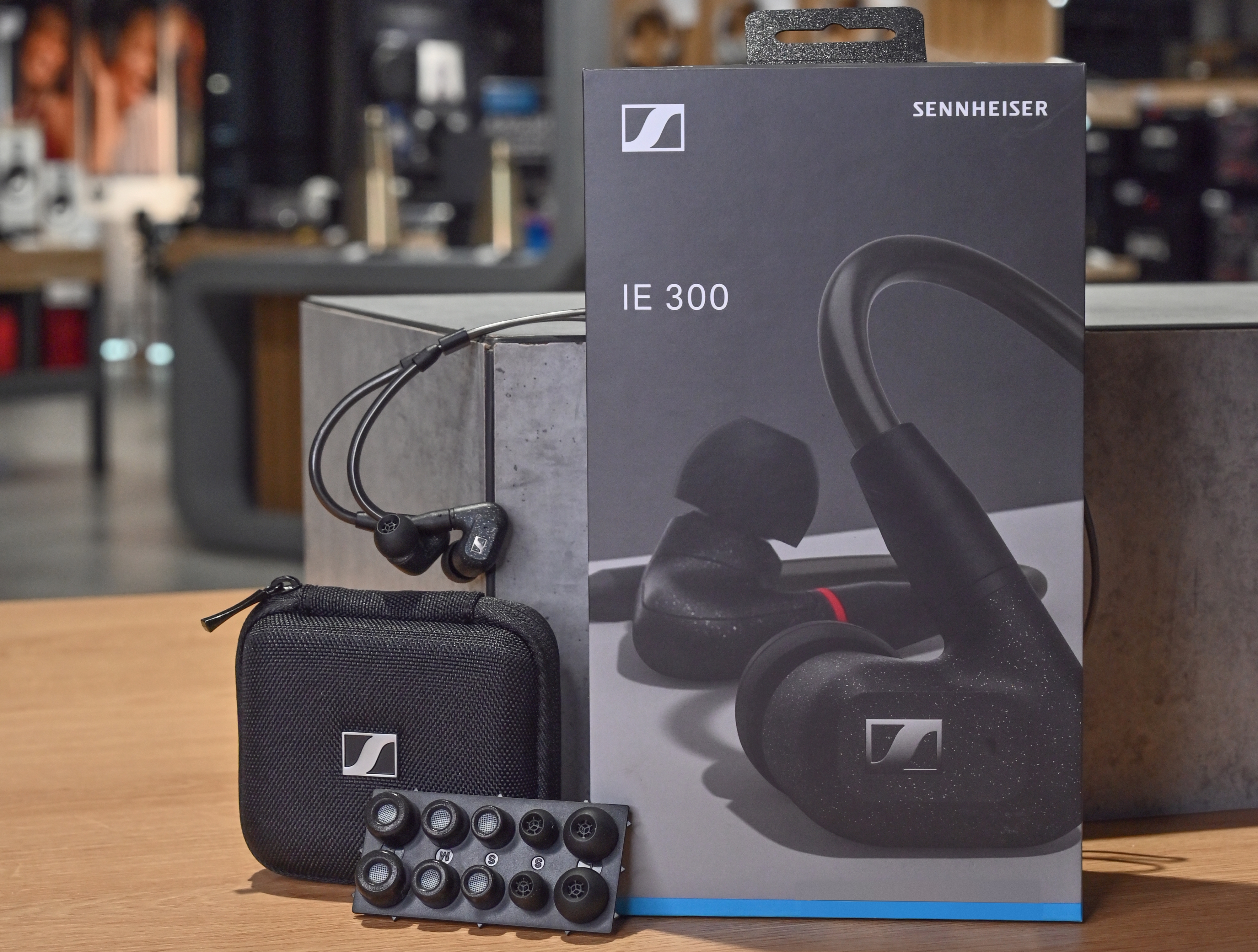
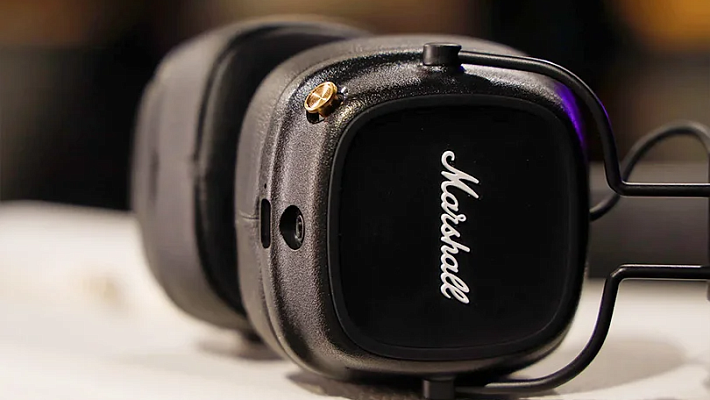
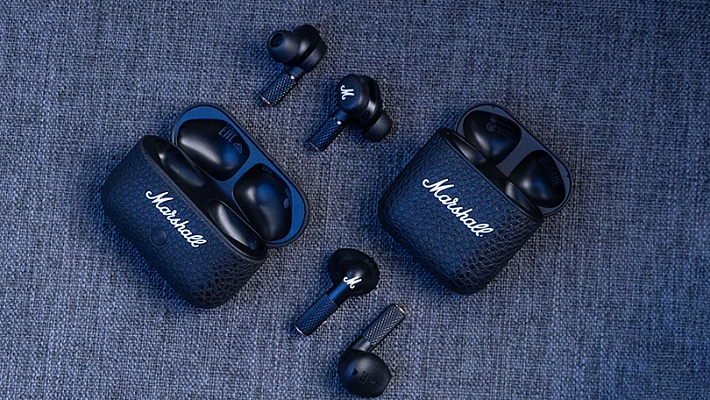
They say, "Don't judge a book by its cover." But when it comes to audio gear, throw that advice out the window: you absolutely should judge a gadget by its box. The packaging is a core part of the brand's design code. Heavyweights like Marshall, Beyerdynamic, or Sennheiser do not cut corners on their unboxing experience.
A legit box has crisp text, vibrant colors, and feels solid in your hands. Fake packaging is usually flimsy, badly glued, and has rough edges. Weird fonts, uneven spacing between letters, washed-out colors, and typos are massive red flags.
But there is a catch: modern high-tier replicas are getting terrifyingly good. They look real, they sound almost real, but they are still counterfeits! We constantly see clients bringing marketplace "bargains" into the Dr.Head service centers. Our techs can spot these fakes with 100% accuracy, but to the untrained eye, they look identical to the real thing.
It’s All in the Accessories
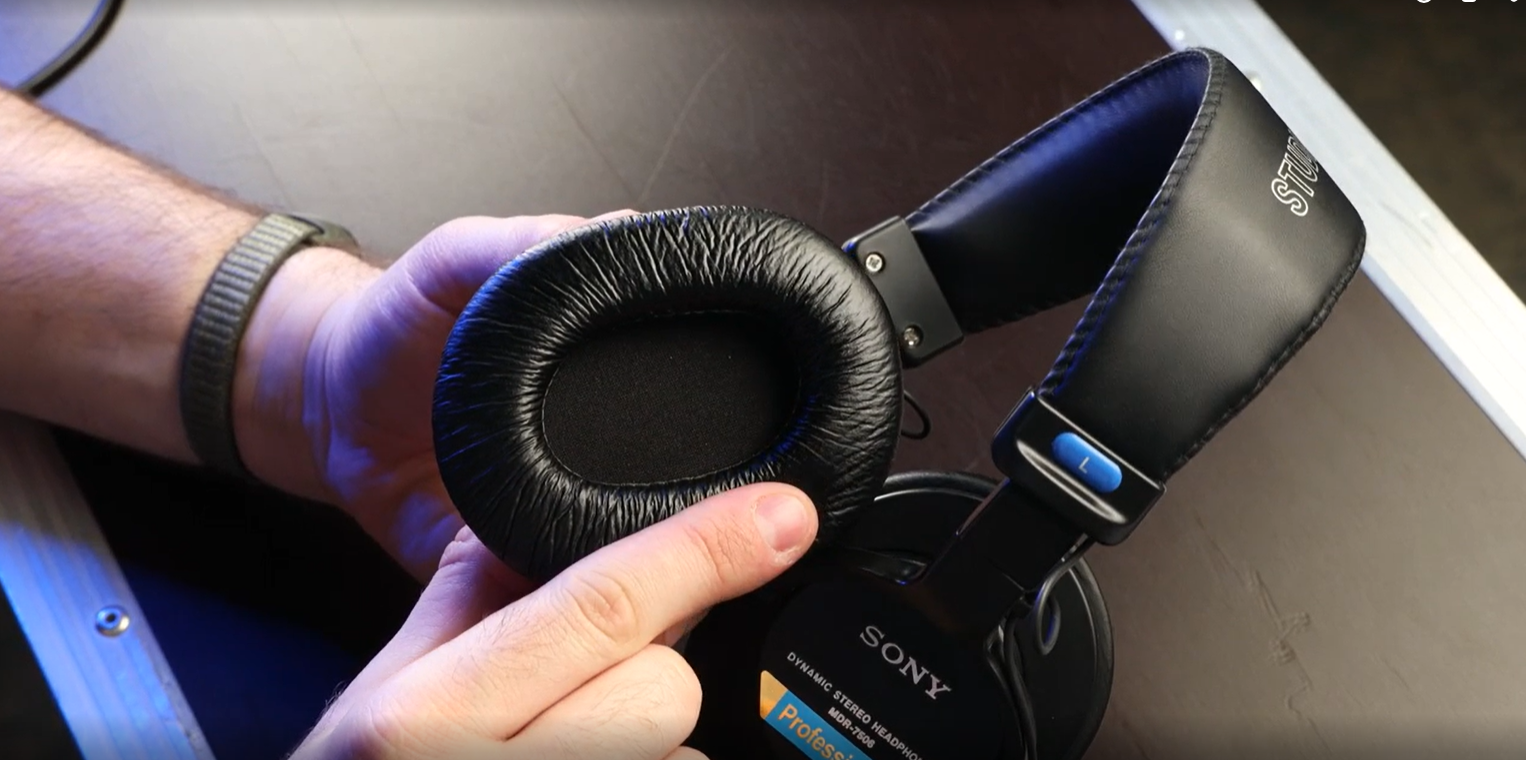
What’s inside the box is typically a dead giveaway. We are talking about cables, ear pads, adapters, and cases.
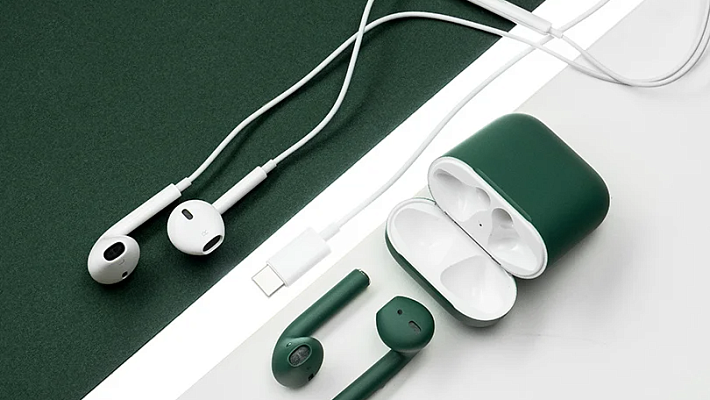
- The Cables: Original cables are flexible, sturdy, and have perfect connectors that snap right into place. Fakes feel overly light, stiff, and fragile. If you plug it in and hear crackling, popping, or audio dropouts — congratulations, it’s a fake.
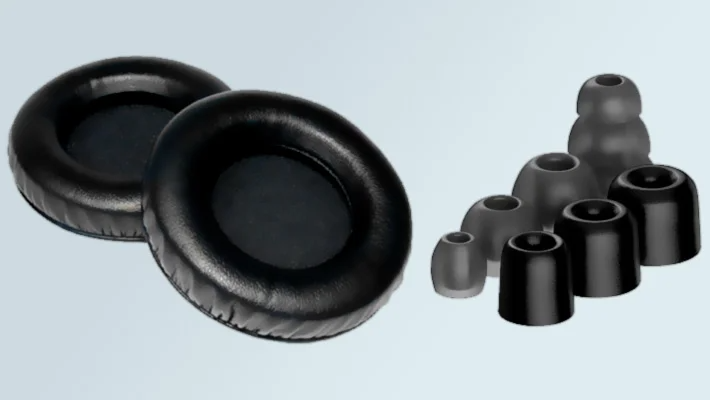
- Ear Pads and Windscreens: These should be pristine, soft, and fit the device perfectly to ensure acoustic isolation and comfort.
- Cases and Pouches: You can literally feel and smell a fake. Cheap, toxic-smelling synthetic leather, flimsy zippers, and thin plastic are instant giveaways.
But sometimes, counterfeiters throw in "okay" accessories, and if you don't have the original right next to it to compare, you might get fooled. Buying from a trusted shop kills this risk entirely, ensuring every single cable and pad in the box is genuine and fully functional.
Build Quality and Materials
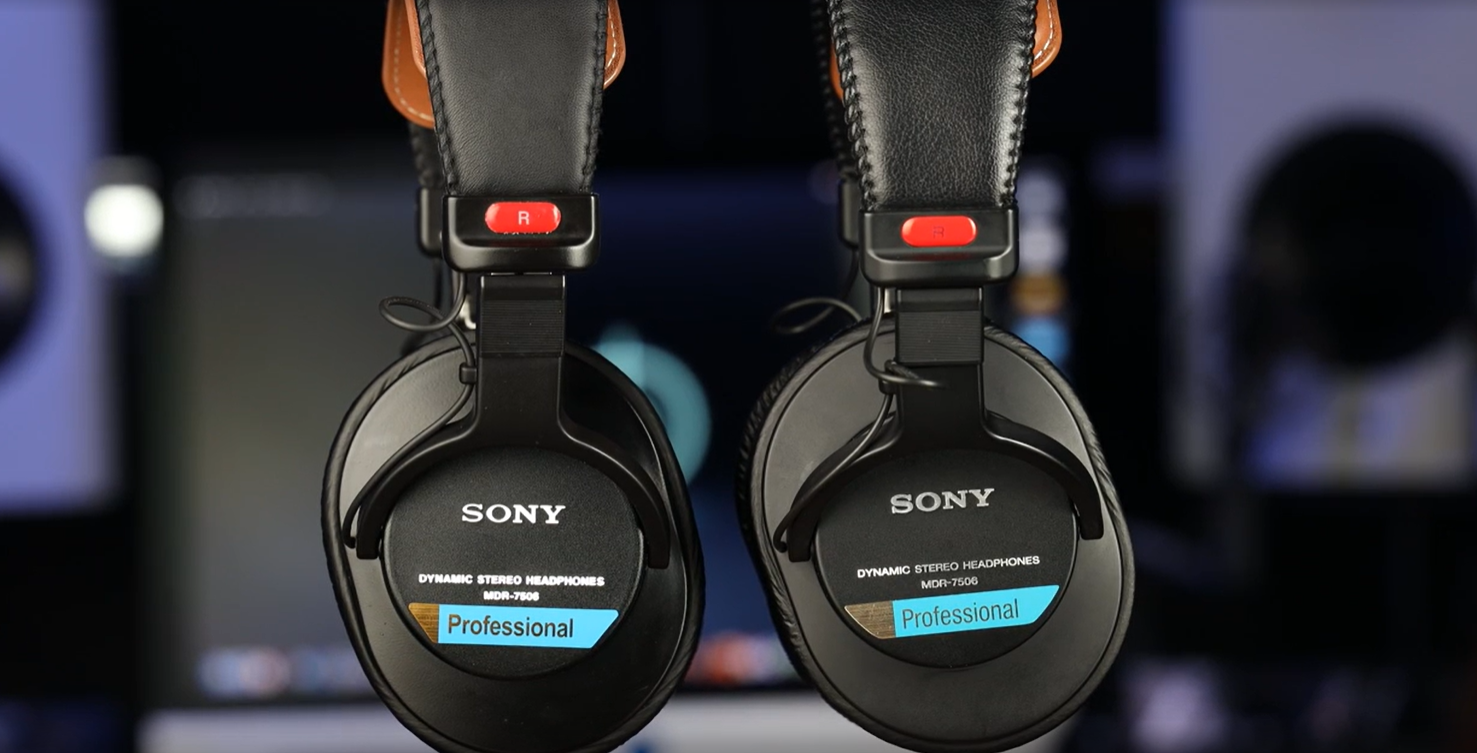
Just like the box, the logos printed directly on the device should be razor-sharp. Fakes often have blurry or slightly smeared branding.
Build quality speaks volumes. Cheap knockoff plastic feels rough and thin. The seams have ugly gaps, and the whole thing probably creaks when you hold it. On a genuine device, every single millimeter is perfectly aligned, the plastic feels premium, and moving parts (like headphone sliders) glide smoothly without grinding. Oh, and original gear doesn't reek of harsh industrial chemicals, obviously.
Brands like Marshall, JBL, Bose, Shure, Apple, and Sony are prime targets. Sure, some high-end fakes are built decently, but they are ticking time bombs. A driver will blow or a wire will snap, usually just weeks after you buy it. It's a lottery. And guess what? Fakes don't have a warranty. You just throw them in the trash.
The Sound (The Whole Point)
You are buying audio gear for one main reason: the sound. Do you really expect a knockoff to deliver? Real brands spend millions on acoustic engineering and tuning. Counterfeiters just throw in the most okay-ish (at best) or cheapest (at worst) drivers they can find.
The sound on a fake is an afterthought. But even if a "super-fake" manages to sound somewhat decent, it will cost nearly as much as the original while being infinitely less reliable. Why risk your money and your mood?
At Dr.Head, you can physically test-drive the sound of any device before you swipe your card, ensuring you get the exact acoustic signature you are paying for, and nothing less.
Who is the Seller?
Do you check who you are buying from on a marketplace? Do you google them, read reviews, or look at their other listings? Because you most definitely should. If you want to avoid fakes, stick to the golden rule: the seller must be trustworthy.
Here are the red flags of a scam seller:
- Gibberish Names: If the store name is just a random string of letters or a generic "John Doe LLC" selling headphones alongside kitchen blenders, run.
- Screaming Design: Product cards packed with flashy, obnoxious graphics, ALL CAPS TEXT, and desperate sales pitches. Real brands use clean, aesthetic, recognizable marketing.
- Too Cheap: Again, miracles don't exist in retail pricing.
- Endless Stock: If the listing claims they have thousands of units of a rare headphone in stock, they are lying.
Let's Recap
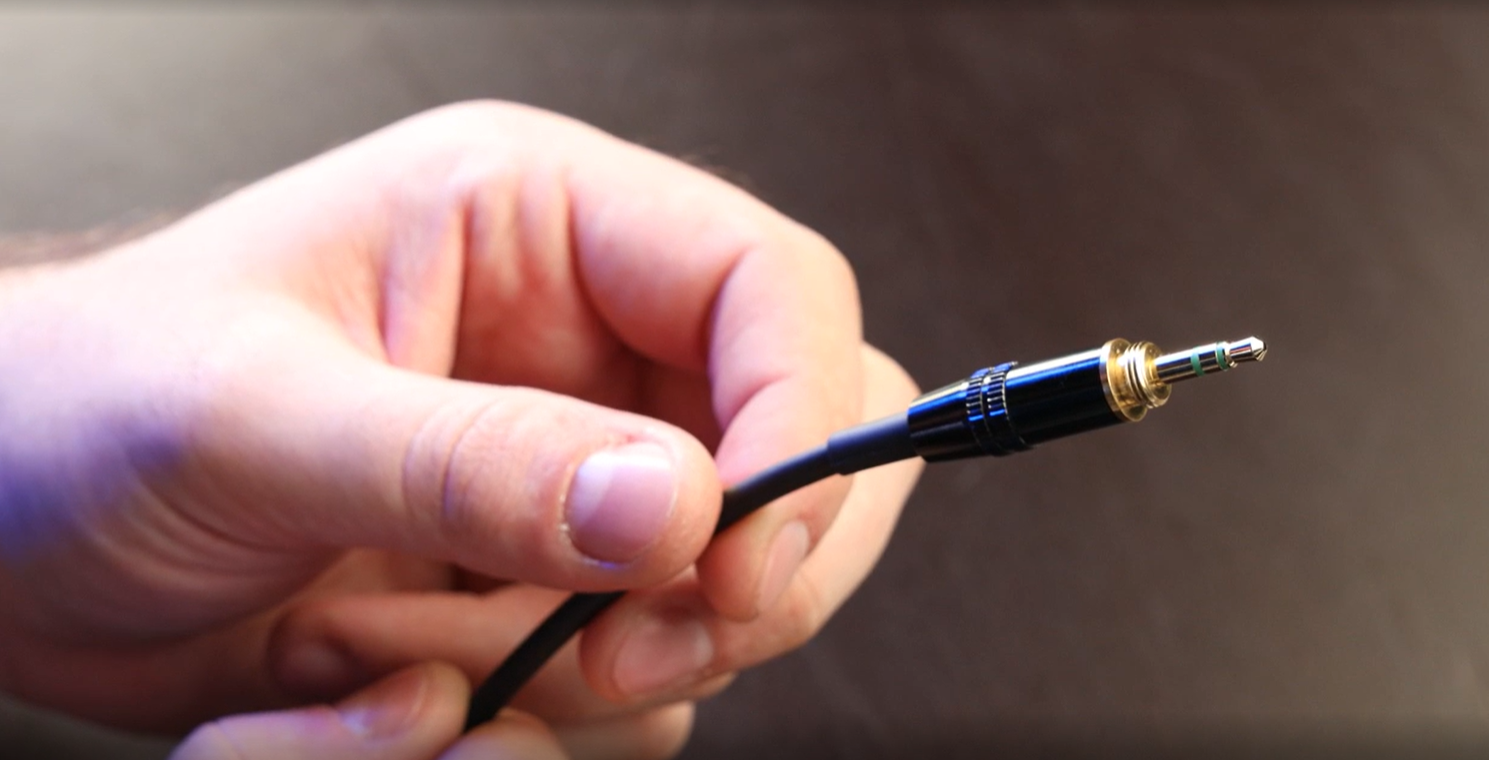
Let's do a quick step-by-step checklist of things you should pay attention to:
- Price: Means nothing on its own. If it's too cheap, it's a fake. If it's retail price, it still might be fake.
- Packaging: Look out for cheap cardboard, typos, and washed-out printing.
- Accessories: Toxic smells, stiff cables, and flimsy ear pads are huge red flags.
- Build Quality: Creaky, rough plastic with gaps in the seams means it's a knockoff. Well-built fakes exist, but they still break fast.
- Sound: Fakes sound either bad or downright terrible. Period.
- The Seller: Check who is actually shipping the item. No-name stores with messy listings are dangerous.
In a market flooded with counterfeits, trust is everything. You can always drop by the Dr.Head store in Dubai, relax, and physically test any gear. Feel it, listen to it, hold it in your hands, and compare it with other models. By trusting your own ears, you will walk away with the real deal that gives you goosebumps every time you hit play.