












Beautiful Chaos: A Crash Course in Jazz
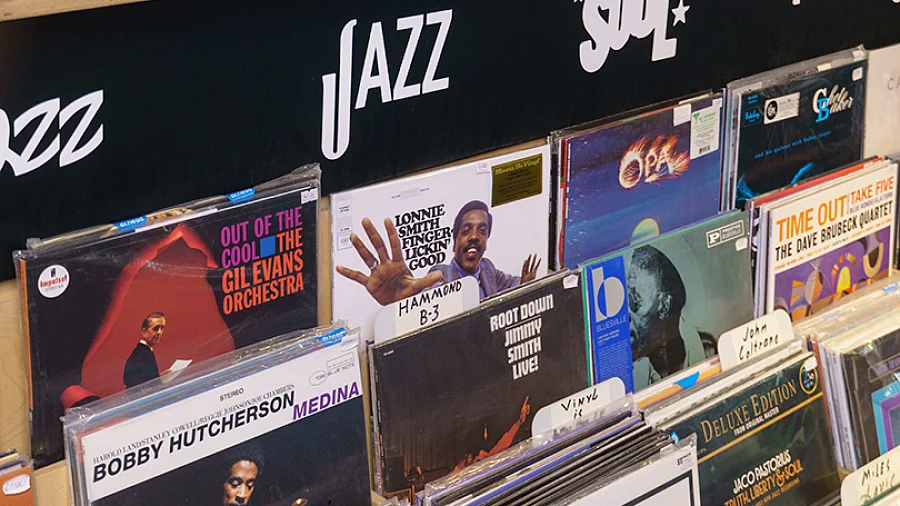
What is the first thing that comes to mind when someone mentions "jazz" or puts a record on? For a lot of people, the immediate thought is: "This isn't for everyone. It’s too complex, hard to understand, and lacks a clear structure."
Don't worry — you aren't alone in thinking that. Even seasoned musicologists share similar sentiments. Ted Gioia, the author of the definitive The History of Jazz, noted in an interview:
"Jazz is messy; its trends are complex and often swing back and forth in surprising ways."
While Gioia doubts that the history of this genre can be perfectly plotted on a neat timeline, a little bit of chronology goes a long way in understanding it.
Consider this article your crash course in jazz history. We are going to break down the key characteristics, trace the major milestones, and map out the biggest "must-see" landmarks for anyone looking to navigate this incredible musical landscape. Worry not, for we shall start from the basics.
Contents
Defining the Genre
There are countless definitions of the genre, and they can get long, so here’s the “everything you should know” version:
Jazz is a massive, sprawling musical style characterized by complex harmonies, syncopated rhythms, and a massive emphasis on improvisation. Created by Black Americans, jazz successfully blended the rhythmic and harmonic traits of both African and European musical traditions.
Geographical and Cultural Roots
While the exact origins of jazz spark plenty of debate, researchers universally agree on its birthplace: the American South, predominantly New Orleans.
At the dawn of the 20th century, this port city was going through a rough economic patch as trade routes began to bypass it. Meanwhile, the children of freed African Americans were largely stuck working in the fields, unable to easily leave the area. Music became their outlet — a powerful way to express themselves and unite their communities. Eventually, musical talent became a genuine social elevator, working just as effectively as sports.
This new sound emerged within African American communities as a statement, a protest, and a rallying cry. This need for expression is likely why jazz remains such an inherently free and unbound genre. By the 1920s, the music had been picked up by traveling musicians, turning cities like Los Angeles, Denver, Baltimore, New York, and even the mining towns of Colorado into thriving jazz hubs. Shortly after, the culture spilled over the borders of the US and gained worldwide recognition.
The Musical DNA
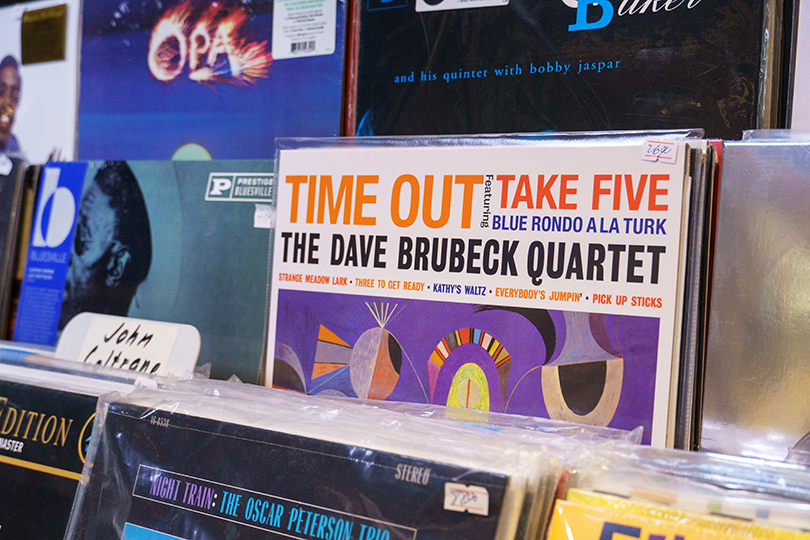
While jazz borrows from countless musical traditions, its core DNA is built on two main pillars: blues and ragtime.
Imagine the relaxed, slow, and heavy feel of the blues colliding head-on with the bouncy, syncopated rhythms of ragtime. The songs sung by slaves on plantations, Southern folklore, spiritual gospels, and the wildly popular brass bands of New Orleans — all of these ingredients went into the jazz melting pot. Early pioneers like Jelly Roll Morton and Louis Armstrong took these foundational forms and improvised over them, birthing a completely new genre of American music.
As the musical form evolved, it absorbed pop standards, rock, funk, and absolute avant-garde compositions. The sound morphed depending entirely on the specific musicians playing it… So the question is —
How Does Jazz Actually Sound?
Because jazz intersects with almost every other genre on the planet — from rock and electronic to classical — it has spawned a massive spectrum of subgenres. However, three central elements help define a track as distinctly "jazz":
- Rhythms: Traditional jazz is famous for its "swinging" eighth notes. The first note in a pair of eighths gets an extra accent, while the second note is weakened, creating a "swinging" motion toward the next beat. Meanwhile, Latin jazz (built on Caribbean music) ditches the swing but leans heavily into syncopated rhythms borrowed from Afro-Cuban traditions.
- Sophisticated Harmonies: You will rarely find the simple three-note chords that define pop, country, or folk music. Almost all jazz chords are "spiced up" with additional notes to create specific moods and musical tension.
- Improvisation: More than anything else, the spirit of improv is the glue that holds all forms of jazz together. Every member of the band — from the lead horns to the rhythm section and the vocalists — gets a chance to solo and improvise over the core melody.
The 8 Core Instruments of Jazz
 LP_1.jpg)
- Drums: The heartbeat of the rhythm section. Jazz drummers typically use a compact four- or five-piece kit. Latin jazz ensembles often throw hand percussion or cajons into the mix.
Jazz Drum Legends: Art Blakey, Max Roach, Billy Cobham. - Bass: You will hear an upright double bass or a bass guitar on almost every jazz record ever made.
Jazz Bass Legends: Charles Mingus, Ray Brown, Dave Holland, Gary Peacock. - Keyboards / Piano: The classic, central anchor of the jazz ensemble.
Jazz Piano Legends: Bud Powell, Thelonious Monk, Bill Evans, Herbie Hancock, Keith Jarrett, Jason Moran. - Guitar: Second only to the piano in popularity, this is the most common chordal instrument in a jazz band.
Jazz Guitar Legends: Charlie Christian, Wes Montgomery, Joe Pass, Pat Metheny, Mike Stern. - Trumpet: Ever since the New Orleans days, the trumpet has been the genre's leading voice.
Jazz Trumpet Legends: Louis Armstrong, Miles Davis, Dizzy Gillespie, Wynton Marsalis. - Trombone: While slightly less flashy than the trumpet, the trombone is an absolute staple of big bands and modern ensembles.
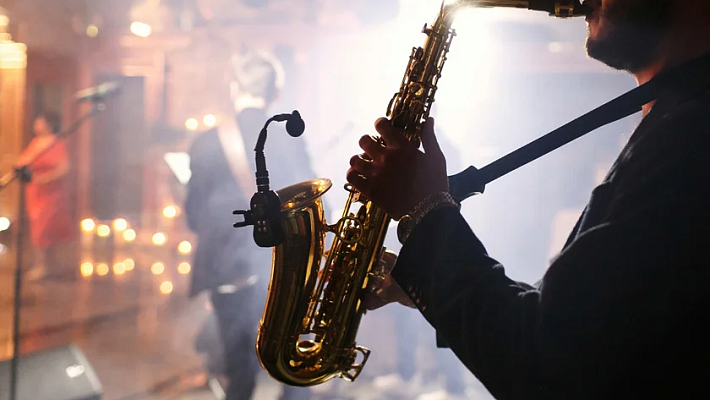
Jazz Trombone Legends: Robin Eubanks, Turk Murphy. - Saxophone: The most romanticized jazz instrument, offering endless improvisational possibilities.
Jazz Saxophone Legends: Coleman Hawkins, Lester Young, Charlie Parker, John Coltrane, Sonny Rollins, Ornette Coleman, Michael Brecker. - Vocals: While jazz is less reliant on lead singers compared to pop music, vocalists still play a massive role.
Jazz Vocal Legends: Sarah Vaughan, Billie Holiday, Ella Fitzgerald.
Where Should You Start?
 LP.jpg)
If you are looking to dip your toes in, you can't go wrong with the genre's most influential pioneers. Listening to these artists will give you a perfect understanding of the form and soul of the music:
- Louis Armstrong: The world-famous trumpet player and vocalist who single-handedly popularized swing.
- Duke Ellington: A genius pianist and composer who brought deep emotional complexity and innovation to the genre.
- Charlie Parker: The trailblazing saxophonist, bandleader, and composer who spearheaded the bebop movement.
- Count Basie: A pianist, organist, and bandleader who made big band and orchestral jazz a global phenomenon.
- Miles Davis: A trumpet virtuoso and constant innovator who made jazz accessible to a massive mainstream audience.
- Ella Fitzgerald: Universally known as the "First Lady of Song" and one of the greatest vocalists in jazz history.
A Quick Timeline of Jazz History
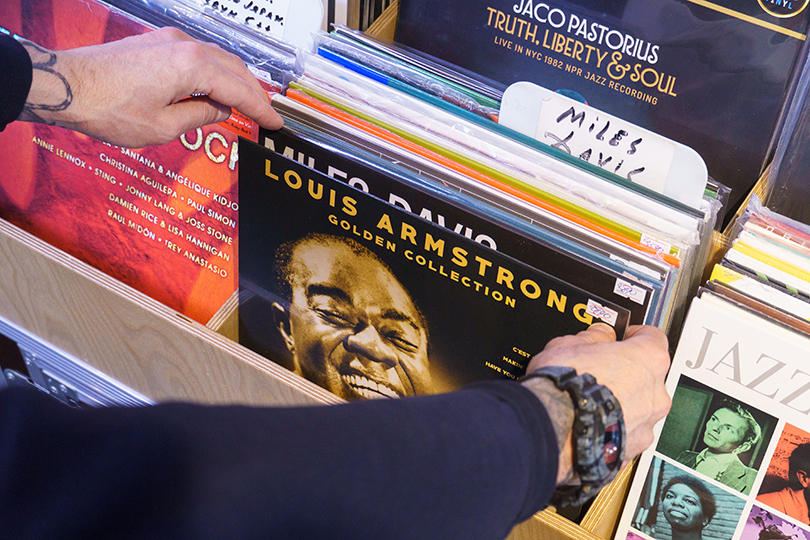
- The 1900s: The genre takes root in New Orleans. Musicians like Jelly Roll Morton, King Oliver, and Louis Armstrong borrow heavily from ragtime, blues, and marching brass bands. This early Southern style eventually becomes known as Dixieland.
- The 1920s & 30s: While Chicago and Kansas City become major jazz hubs, New York cements the genre as a cornerstone of American culture. Duke Ellington and Fletcher Henderson form legendary Big Bands, playing packed nightclubs.
- The 1940s & 50s: NY musicians like Charlie Parker, Dizzy Gillespie, and Art Blakey develop Bebop — a lightning-fast style with wild solos and complex chord changes. Later, Ornette Coleman pushes the boundaries even further by creating Free Jazz, completely abandoning traditional song structures.
- The 1960s: Enter Post-Bop. Tempos slow down, and harmonic sophistication spikes thanks to Thelonious Monk and Charles Mingus. Miles Davis pioneers Cool Jazz (minimalist and relaxed), while John Coltrane explores everything from bebop to post-tonal avant-garde. Meanwhile, Herbie Hancock and Joe Zawinul start mixing jazz with funk and rock to create Fusion.
- The 1970s: The golden era of Fusion. Miles Davis and Chick Corea heavily incorporate electric instruments, funk, and R&B. Simultaneously, Smooth Jazz emerges as a more commercial, accessible, and groove-oriented alternative, led by George Benson and David Sanborn.
- The 1980s: Fusion goes global. The era also gives birth to Acid Jazz (championed by Incognito and the Brand New Heavies), which blends funk, soul, and rock into a highly danceable club sound.
- The 1990s: Hip-hop's influence becomes undeniable, birthing Jazz-Rap (A Tribe Called Quest, Gang Starr). Electronic music also bleeds into the genre to create Nu Jazz, offering a more abstract, experimental vibe.
- The 2000s: Nu Jazz hits its stride as artists trade analog organs for digital samplers and synths. Ironically, this digital push also triggers a massive revival of traditional swing and bebop.
- The 2010s: While the genre continues to absorb outside influences, the biggest shift isn't musical — it's logistical. Jazz festivals, boutique clubs, and streaming platforms make the music more accessible than ever before.
- The 2020s: We are in the era of hyper-collaboration. Artists are leveraging social media and digital platforms to cross-pollinate genres, introducing the massive cultural legacy of jazz to a brand new generation of Millennials and Zoomers.
Final Thoughts
Jazz is an incredible, sprawling universe, and the door is wide open for anyone willing to listen. Every single step through its history is packed with raw human emotion and fascinating stories.
Here at Dr.Head, we’ve put together a massive collection of jazz across every imaginable subgenre, and we can't wait to share it with you. Drop by our Dubai showroom, and our music experts will gladly guide you through the winding streets of the genre, introduce you to new names, and help you find your new favorite record.