













Electronic Music 101: A Beginner’s Guide to the Genre of Many Faces
Let’s set the record straight right off the bat: electronic music isn't just a genre. It’s an entire universe of sound where every single note and vibration is born from technology. It brings together an incredible variety of styles, from the hypnotic, driving beats of techno to the vast, meditative soundscapes of ambient music.
In this guide, we are going to break down the roots and evolution of electronic music, its massive cultural impact, and the core subgenres that shaped the scene. Let’s take a trip through history and see exactly how these electronic beats completely rewired our perception of sound and rhythm.
Contents
What is Electronic Music?
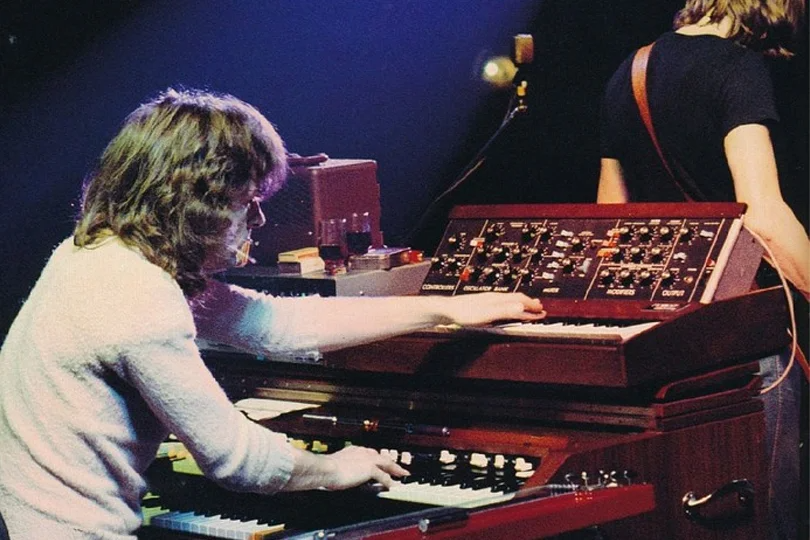
At its core, electronic music is any genre that relies on electronic devices to generate and process sound. Unlike traditional acoustic setups, this music is built using synthesizers, drum machines, and computers. This hardware allows producers to create audio textures and rhythms that are physically impossible to replicate with a standard guitar or drum kit.
Synthesizers were the first electronic instruments to truly hit the mainstream. When they eventually went into mass production, their relatively accessible price tags made them incredibly popular among jazz, rock, and pop musicians. Legendary rock bands like early Deep Purple and Pink Floyd simply couldn't function without these cutting-edge devices. Brands like Moog and Roland completely opened up new horizons for composers, allowing them to manipulate raw sound waves and invent unique, colorful melodies.
As technology progressed, drum machines entered the chat. A drum machine is exactly what it sounds like: a piece of hardware designed to create, edit, and loop percussive beats. Think of it as a flawless digital drummer that you can program to any tempo. The Roland TR series — specifically, the legendary TR-808 and TR-909 — became the absolute backbone of pop, rock, and early hip-hop. They gave artists the power to program insanely accurate and diverse rhythms.
But the real game-changer was the computer. Starting in the 1970s and 80s, computers rapidly took over the studio. They allowed producers to manipulate audio, record, edit, and perfect their tracks all in one place. Today, computers and Digital Audio Workstations (DAWs) are the beating heart of modern music production, making it possible to build complex, multi-layered sonic landscapes from a bedroom.
Rhythm, Textures, and Sound Effects
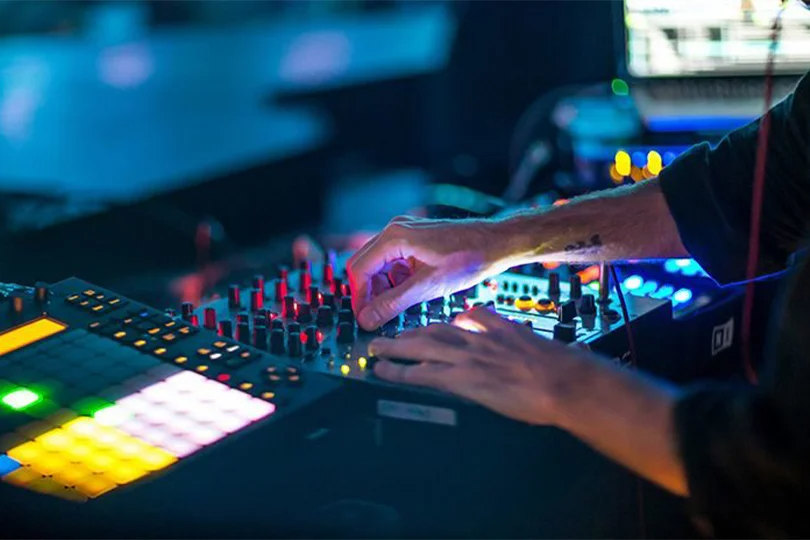
As electronic music exploded in popularity, producers started to hyper-focus on three main pillars: rhythm, textures, and sound effects. Fans were becoming more demanding, craving deeper, more dynamic, and more immersive audio experiences.
Rhythm is the absolute pulse of electronic music. It can be explosive and high-energy (like in house and techno) or slow and meditative (like in ambient). Meanwhile, textures and sound effects add depth and atmosphere, pulling the listener into a unique sonic world. This balance is what gives every subgenre its own distinct personality.
The heavy hitters of the electronic world include House, Techno, Trance, Drum & Bass, and Ambient.
- House and Techno: With their driving basslines and melodic samples, these genres built the foundation for 90s rave culture and completely reinvented dance music. Techno leans heavily into minimalistic, industrial, and hypnotic sounds.
- Trance: Known for massive, melodic buildups and intensely emotional drops that create a feeling of euphoria.
- Drum & Bass (aka DnB): Fast, breakneck rhythms and aggressive sub-bass made DnB the ultimate soundtrack for underground street culture.
- Ambient: Strips away the heavy beats, inviting listeners to float through calm, meditative soundscapes.
The History of Electronic Music
It didn’t happen overnight. To become a standalone movement, electronic music took a long, fascinating journey. It all started back in the late 19th century when Thaddeus Cahill invented the Telharmonium — the first electromechanical instrument capable of producing sound. This massive machine kicked off humanity's ongoing experiment with electricity and audio.
Early 20th Century
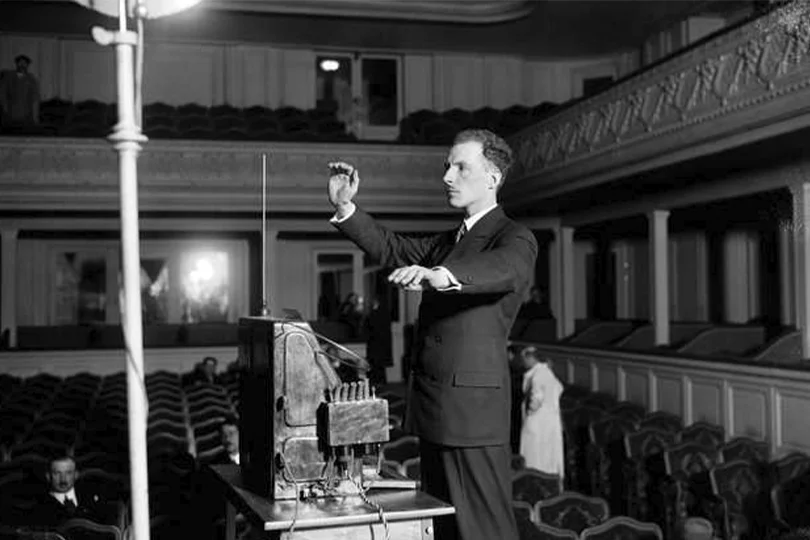
One of the true pioneers of the electronic age was Leon Theremin, who invented the Theremin in 1920. At a time when traditional brass and string instruments ruled the stage, the Theremin offered something straight out of a sci-fi movie: an instrument you play without actually touching it.
Controlled entirely by the movement of the player's hands through electromagnetic fields, this wild device became a symbol of sonic innovation and blew the doors open for future electronic research.
Mid-20th Century
Things really started speeding up in the 1950s. Progressive avant-garde composers like Karlheinz Stockhausen and Pierre Schaeffer began physically cutting and splicing magnetic audio tape to create brand-new sound collages — a technique known as Musique concrète. Stockhausen’s Gesang der Jünglinge famously blended a human voice with purely synthesized sounds, marking the exact moment where raw technology and musical creativity officially merged.
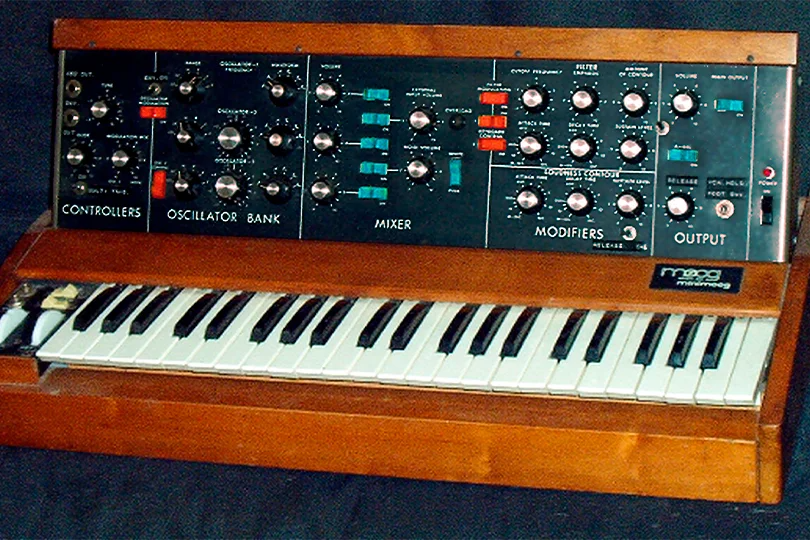
But tape splicing was tedious. By the 1960s, the first true synthesizers arrived to replace it. Robert Moog, the father of the Moog synthesizer, gave musicians the power to generate sounds that had never existed before on Earth. The real turning point was 1968, when Wendy Carlos released Switched-On Bach — an album played entirely on a Moog synth. It proved to the masses that electronic instruments could make "real" music, sparking a revolution. Throughout the 70s, synths became the coolest gear in the studio, rapidly replacing old electric organs.
The 1980s
The 80s were the golden era. The invention of MIDI (Musical Instrument Digital Interface) allowed different synths, drum machines, and computers to "talk" to each other seamlessly. This tech boom birthed entirely new genres. House was born in Chicago; Techno emerged from Detroit; and legendary DJs like Frankie Knuckles and Derrick May became the rockstars of a new, underground club movement.
During this decade, electronic music split into three main lanes:
- Instrumental "Space" Music: Artists like Tangerine Dream, Vangelis, and Jean-Michel Jarre used synths to create epic, sci-fi-inspired soundscapes.
- Ambient: Brian Eno practically invented this genre, creating "background music" devoid of standard beats, designed to mimic nature and environments.
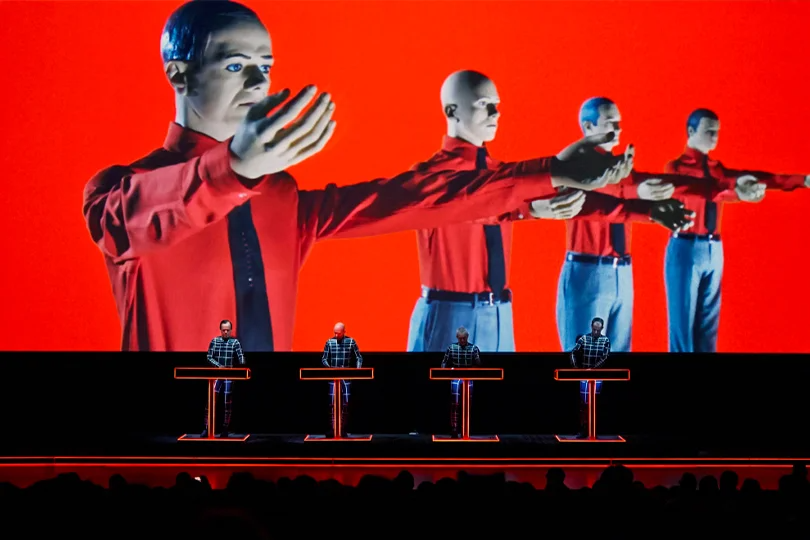
- Synth-Pop: Pioneers like Kraftwerk paved the way for bands like Depeche Mode, Pet Shop Boys, and The Human League. They ditched acoustic guitars entirely, using synths to craft incredibly catchy, deliberately artificial-sounding pop anthems.
The 1990s

By the 90s, electronic music was a full-blown global phenomenon. Trance, breakbeat, and drum & bass took over the world. Massive digital music festivals like Love Parade in Berlin and Creamfields in the UK drew hundreds of thousands of fans.
Crossover acts like The Prodigy and The Chemical Brothers brought heavy electronic beats to mainstream rock and pop fans. The genre became incredibly energetic, highly technological, and heavily reliant on sampling — taking old records, chopping them up, and flipping them into modern club anthems. The DJ officially evolved from the guy standing in the corner of a club to the main attraction.
Electronic Music Today
Since the 2000s, the scene has evolved at a breakneck pace, adapting to bedroom producers and digital streaming. "Pure" genres barely exist anymore; modern tracks constantly blend elements of house, dubstep, pop, and hip-hop into complex hybrid styles.
Platforms like SoundCloud and Spotify democratized the industry, allowing anyone with a laptop to release music globally. The barrier to entry has never been lower, which has massively expanded the audience and pushed electronic music to the very top of the global pop charts.
The Verdict: The Genre’s Cultural Impact

Electronic music built modern club and festival culture, bringing millions of people together into tight-knit, global communities. But its impact goes way beyond the dancefloor.
It completely revolutionized modern cinema, theater, and television. While old movies relied entirely on traditional orchestras, directors in the 70s and 80s realized that synthesizers were the perfect tool for building tension. Today, sci-fi epics, thrillers, and fantasy films rely heavily on dark, pulsing electronic scores to create otherworldly atmospheres.
It has also become a massive platform for social change. Countless electronic artists use their music and festival platforms to push political ideas, promote unity, and spark dialogue. Electronic music hasn’t just changed what we listen to; it has reshaped fashion, modern art, and the daily lifestyle of millions.
Electronic music is the ultimate collision of human creativity and raw technology. From the eerie, touchless wails of the 1920s Theremin to the massive, stadium-shaking drops of modern superstar producers, the genre has constantly reinvented itself. It is no longer just a niche corner of the music industry — it is the very foundation of modern sound, and the world loves it.