
























Open vs. Closed-Back Headphones: A Simple Guide to Acoustic Design
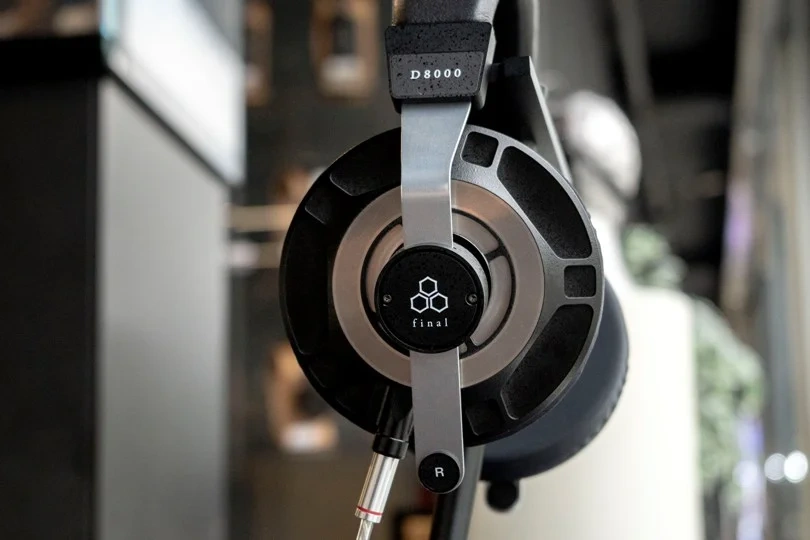
So, you finally got those awesome full-size headphones for some quality listening time at home. Peace and quiet, right? Except… everyone else in the room can hear every note of your playlist, almost like you weren't wearing headphones at all. What gives?
The culprit is likely the acoustic design of your headphones — specifically, whether they are open-back or closed-back. It’s one of the most fundamental design choices, and it drastically changes how headphones sound and where you can use them. Let's break it down.
Contents
What is Acoustic Design, Anyway?
It all comes down to the back of the earcups — the part facing away from your ears. Are they sealed shut, or do they have grilles, vents, or perforations? This single design element dictates:
- Sound Isolation: How much sound gets in from the outside world, and how much sound leaks out.
- Soundstage: How spacious and "out-of-head" the music feels.
- Overall Sound Character: Especially the bass response and perceived naturalness.
- Comfort: How breathable they are during long listening sessions.
Open-Back: The Wide-Open Soundstage
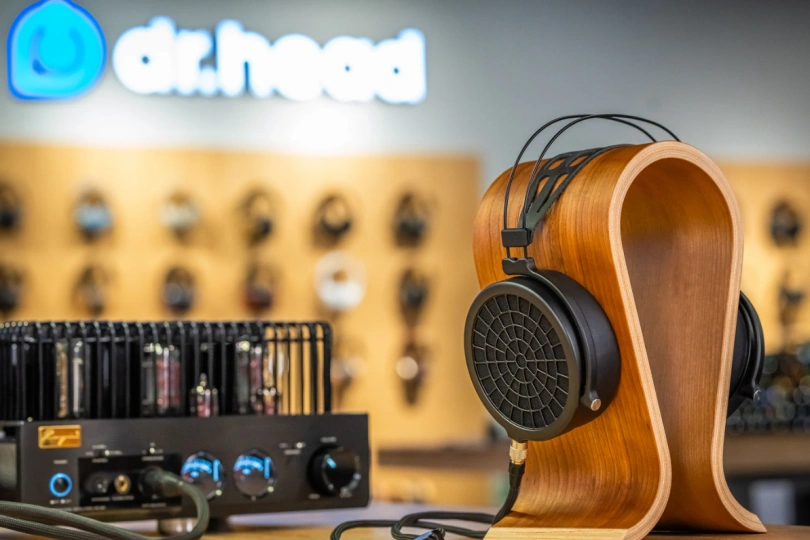
Imagine tiny speakers floating next to your ears. That's kind of what open-back headphones feel like.
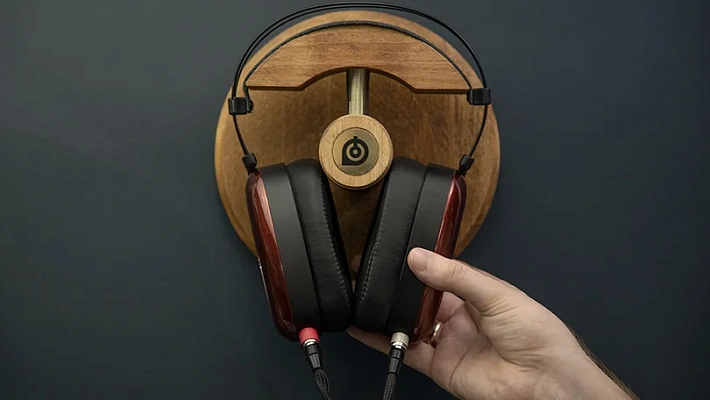
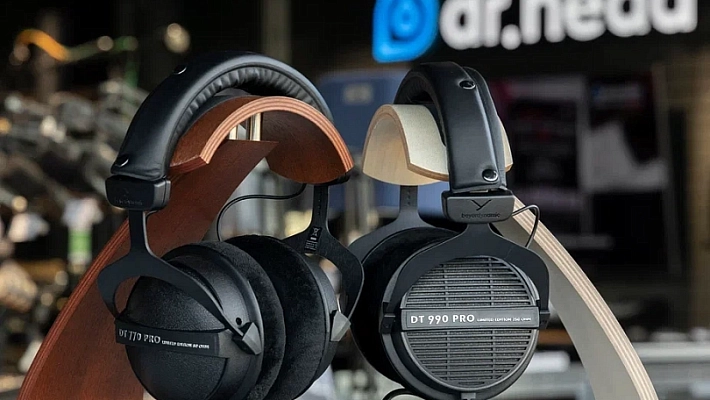
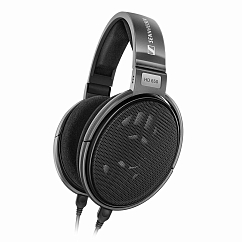
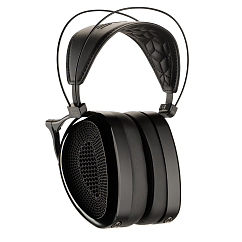
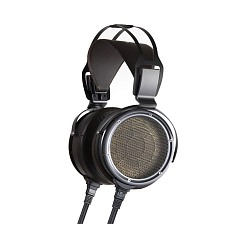
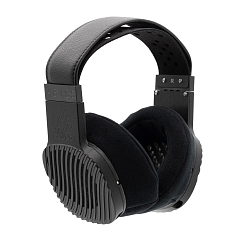
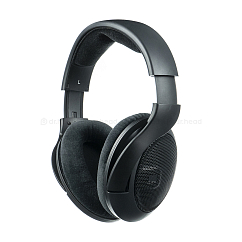
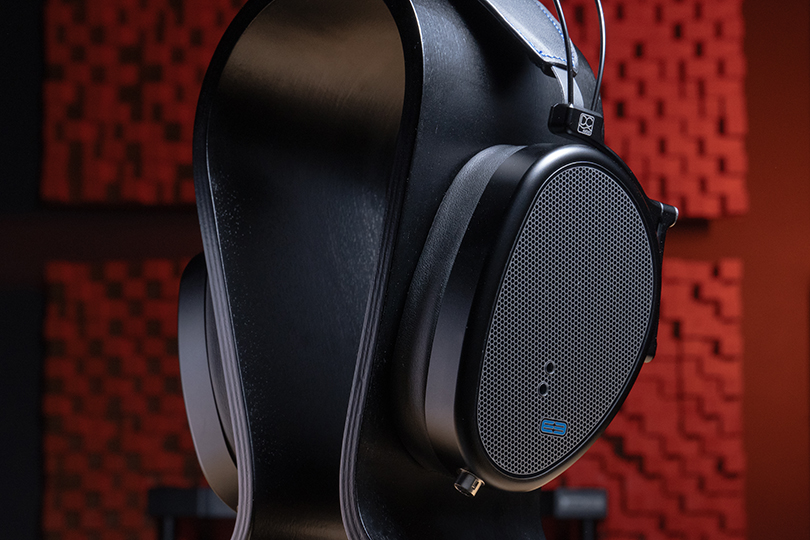
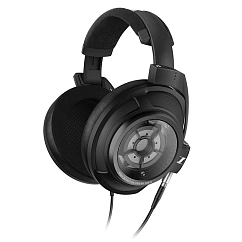
- Design: The back of the earcups is intentionally left open, usually covered by a grille or mesh. Sound waves can travel freely in both directions — into the cup and out into the room.
- Sound: This design prevents sound pressure from building up inside the earcup, eliminating unwanted resonances and reflections. The result is an incredibly natural, clear, and spacious sound. The soundstage feels wide and airy, much like listening to a pair of good speakers in a room.
- Comfort: Because air can circulate freely, open-backs are generally more breathable and comfortable for long listening sessions — your ears are less likely to get hot and sweaty.
- The Big Catch: They offer virtually zero noise isolation. You'll hear everything happening around you (doorbells, conversations, traffic), and everyone around you will hear your music.
Who are they for? Critical listeners, audiophiles, mixing/mastering engineers, and home listeners who have a quiet, private space to enjoy their music without disturbing others or being disturbed. Perfect for immersive music sessions or detailed studio work.

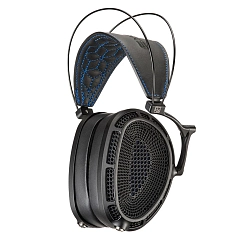
Earpads material: leather
Headphone type: wired
Kind of headphones: over-ear
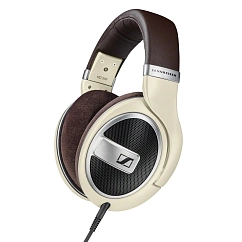
Brand: Sennheiser
Headphone type: wired
The lowest frequency, Hz: 12

Cable type: straight
Field of application: DJ, mixing
Brand: Sennheiser
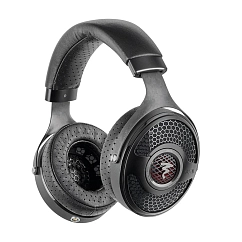
Cable type: straight
Max SPL, dB: 103
Nonlinear distortion level (NDL), %: 0.1
Brand: Dan Clark Audio
Headphone type: wired
The lowest frequency, Hz: 20

Brand: Sennheiser
Headphone type: wired
The lowest frequency, Hz: 8

Earpads material: leather
Headphone type: wired
Kind of headphones: over-ear
Earpads material: leather
Headphone type: wired
Kind of headphones: over-ear
Closed-Back: Your Private Sound Bubble
These are the headphones you see most often out in the world.
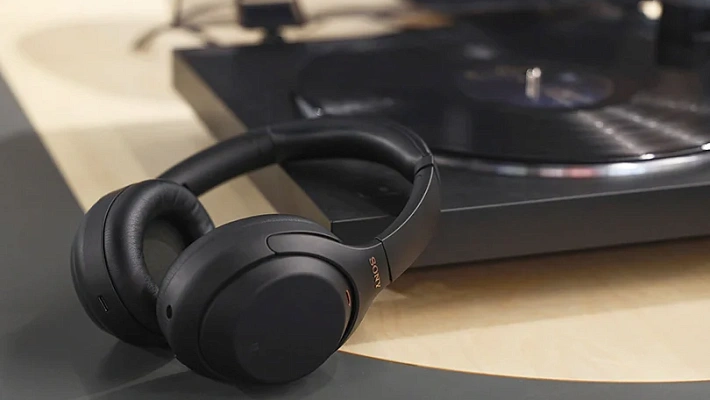
- Design: The back of the earcups is completely sealed. No vents, no grilles. Sound is trapped inside.
- Sound: This sealed design provides significant passive noise isolation, blocking out a good chunk of ambient noise. It also prevents your music from leaking out, ensuring privacy. Sonically, closed-backs often deliver a more powerful, impactful bass response because the trapped air pressure reinforces the low frequencies. However, that trapped sound can also lead to internal reflections and resonances, sometimes making the sound feel less natural or "congested" compared to open-backs. The soundstage typically feels narrower and more "in-your-head."
- Comfort: The lack of ventilation means closed-backs can get warmer and less comfortable during very long sessions.
- The Big Win: Isolation and privacy. Plus, they're essential for recording vocals or instruments (preventing microphone bleed) and are the foundation for almost all ANC headphones.
Who are they for? Commuters, office workers, travelers, recording musicians, DJs, and anyone who needs to block out external noise or listen privately in shared spaces. Great for powerful genres like electronic music and hip-hop, or just focusing on your tunes anywhere, anytime.
Multipoint: yes
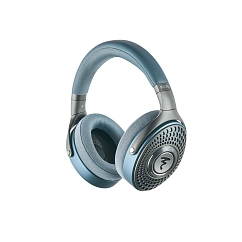
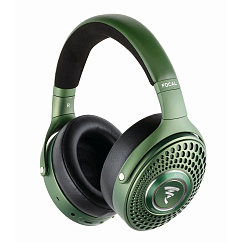
Brand: Focal
Headphone type: wireless
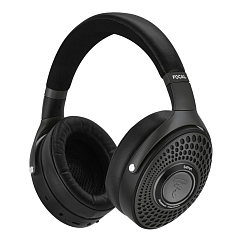

Multipoint: yes
Brand: Sennheiser
Headphone type: wireless, wired
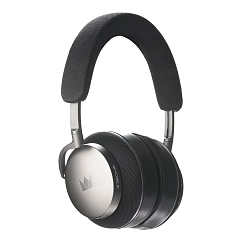
Detachable microphone: yes
Multipoint: yes
Headset type: stereo

Brand: Focal
Headphone type: wireless
The lowest frequency, Hz: 15
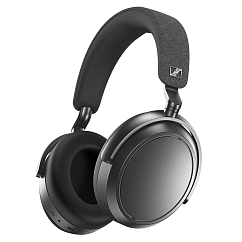
Brand: Sennheiser
Headphone type: wireless
The lowest frequency, Hz: 6
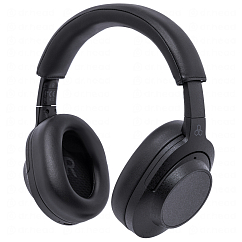
Brand: Final Audio
Headphone type: wireless
The lowest frequency, Hz: 20

Brand: Sony
Headphone type: wireless
The lowest frequency, Hz: 4

Earpads material: microfiber
Headphone type: wired
Kind of headphones: over-ear
Semi-Open: The (Rare) Middle Ground
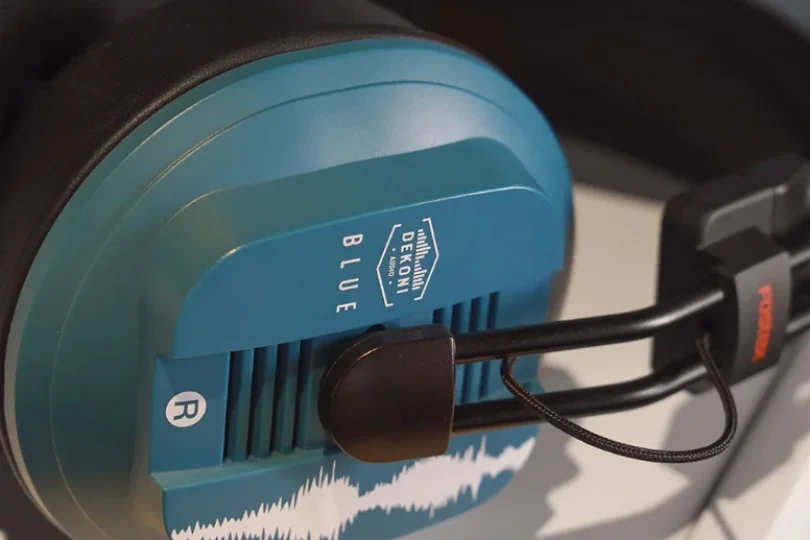
As the name suggests, these try to split the difference.
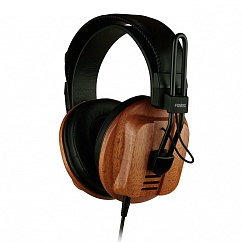
- Design: They have some limited openings or vents on the back of the earcups, but not as many as fully open-back models.
- Sound & Isolation: They offer a slightly wider soundstage and more natural sound than most closed-backs, while providing a bit more isolation and bass presence than fully open-backs. However, they still leak a noticeable amount of sound and don't isolate nearly as well as true closed-backs.
- Rarity: Honestly, truly "semi-open" designs are quite uncommon these days. Many that are labeled as such often behave very similarly to fully open models in terms of sound leakage.
Who are they for? Potentially useful in home studio settings where a balance between openness and some bass containment is needed, or for home listeners who want a slightly airier sound than closed-backs but can tolerate some sound leakage.
The Final Verdict: Choose Your Type
There's no single "best" type of acoustic design — it all depends on where and how you plan to listen.
- Need isolation and privacy? Going mobile? Recording? –> Closed-Back is your only real choice.
- Listening critically in a quiet room? Crave the most natural, spacious sound? –> Open-Back is king.
- Want a bit of both (but accept compromises)? –> Semi-Open might be worth exploring, but manage your expectations regarding isolation and sound leakage.
Understanding this fundamental difference is the first step to finding headphones that truly suit your lifestyle and listening needs. Want to hear the difference side-by-side? Come visit us at the Dr. Head showroom in Dubai, and we'll be happy to help you test and compare them all.