













Built-In Phono Stages: Easy Start or Vinyl Roadblock?
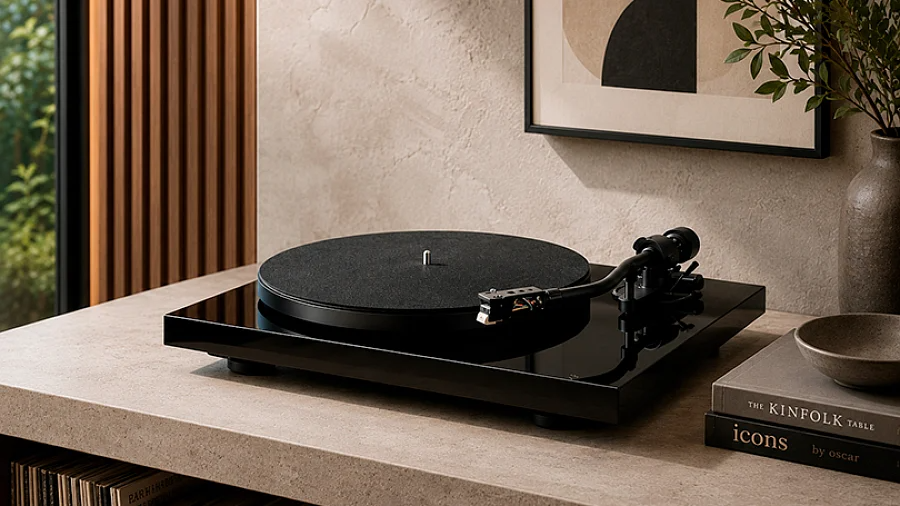
When you buy your first turntable, you just want to plug it in, drop the needle, and start spinning. A built-in phono stage gives you exactly that — no extra boxes, no spaghetti of extra cables, and zero configuration headaches.
Sounds like a dream, right? But as your setup evolves, your speakers get an upgrade, and your vinyl collection grows, you might notice the sound losing its magic. Let's talk about why your turntable’s built-in phono stage might be holding your music back, and when it's time to step up to a dedicated external box.
Contents
- Why Built-In Phono Stages Feel Like a No-Brainer
- What Does a Phono Stage Actually Do?
- Built-In vs. External: What’s the Catch?
- When Your Built-In Phono Stage Holds You Back
- When Is a Built-In Phono Stage Totally Worth It?
- 5 Signs It’s Time to Switch to an External Phono Stage
- Cartridge Compatibility: MM vs. MC
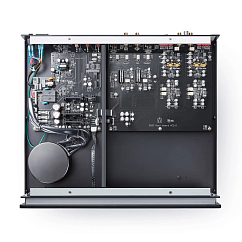
- Where Does the Built-In Phono Stage Live?
- How to Tell If the Phono Stage Is the Real Culprit
- What Actually Changes After Moving to an External Box?
- When a New Phono Stage Won't Save the Day
- The Verdict
Why Built-In Phono Stages Feel Like a No-Brainer
A built-in phono preamp keeps things clean and simple. Your turntable plugs straight into active speakers, an integrated amplifier, or a receiver with a standard line input. You don’t need to hunt down an extra component, find matching interconnect cables, or stress over technical specs.
For a beginner setup, it’s absolute perfection — fewer points of failure, zero setup anxiety, and less clutter on your desk. It gets the job done brilliantly and stays relevant for background listening.
However, that plug-and-play convenience comes with a big trade-off: flexibility. The moment your audio system starts growing up, that built-in circuit is often the first thing to put a ceiling on your sound.
What Does a Phono Stage Actually Do?
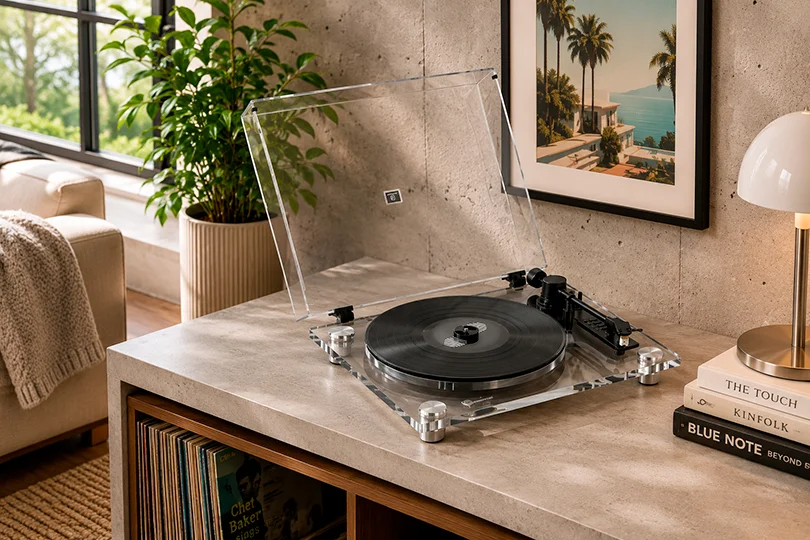
Let’s get technical for a second. The signal coming straight off a phono cartridge is minuscule — dozens of times weaker than a standard line-level source. It needs a massive boost just to be understood by your amplifier or active speakers. But amplification is only half the battle.
Back in the golden era of vinyl, the RIAA equalization standard was introduced: cutting bass frequencies and boosting highs during the cutting process to save physical groove space and reduce surface noise. Your phono stage applies the exact reverse RIAA curve to restore a natural, balanced sound.
If this circuit is weak or poorly designed, your vinyl will sound flat, thin, harsh, or drowning in background noise. A phono stage doesn't just make things louder; it dictates the dynamics, micro-details, soundstage depth, and background silence. It is a full-fledged component in your signal chain, and its quality matters just as much as your turntable or speakers.
Built-In vs. External: What’s the Catch?
A built-in phono stage saves you space and cash. Everything lives inside the turntable, amplifier, or speakers. No extra power supplies, no extra shelf space, and zero cable mess. It lowers the barrier to entry for vinyl beginners.
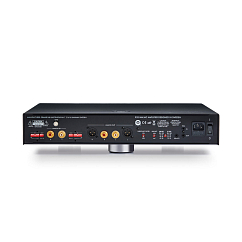
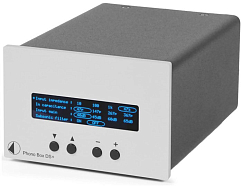
An external stage, however, gives you total control. A dedicated external phono stage can be custom-matched to your cartridge and amp. Good units feature adjustable gain, load capacitance, and resistance, plus dedicated MM/MC switches. Plus, when you want to upgrade later, you swap one box instead of replacing your whole turntable or amp.
The Reality Check: Quality comes down to engineering execution, not the form factor. A brilliant built-in phono stage inside a high-end integrated amp will easily outperform a dirt-cheap external box. Always judge by the specific implementation, not the marketing specs.
When Your Built-In Phono Stage Holds You Back

If your system is plateauing, keep an ear out for these four warning signs:
- Dirty Noise Floor: Phono stages work with ultra-weak signals, making them prime targets for electromagnetic interference. If you hear constant buzzing, hiss, or a dirty background hum, your built-in stage might be picking up noise from the internal power supply.
- Flat Staging & Smear: A weak phono stage compresses the soundstage. You lose the air, depth, and clean instrument separation. Records start sounding boxed-in and lifeless, even though your cartridge is capable of way more.
- Loose, Flabby Bass: Low frequencies lose their tight grip, turning into a muddy, bloated mess. This usually points to weak power delivery or inaccurate RIAA EQ curves. An external upgrade instantly brings back punchy, well-defined low end.
- Compressed Dynamics: On loud, complex passages, the music feels squeezed. The dynamic spikes get ironed out, robbing the record of its raw energy and emotional punch.
When Is a Built-In Phono Stage Totally Worth It?
Let’s be clear: you don’t need an external box if your system is entry-level. If you’re running a starter turntable with a stock cartridge into affordable active speakers, a built-in phono stage is all you need. It’s also ideal if vinyl is just background music for a small room or casual listening.
If you aren't planning to buy high-end cartridges or build a complex separates system, stick with what you have. Don’t chase upgrades until your current gear actually limits what your ears can enjoy.
5 Signs It’s Time to Switch to an External Phono Stage
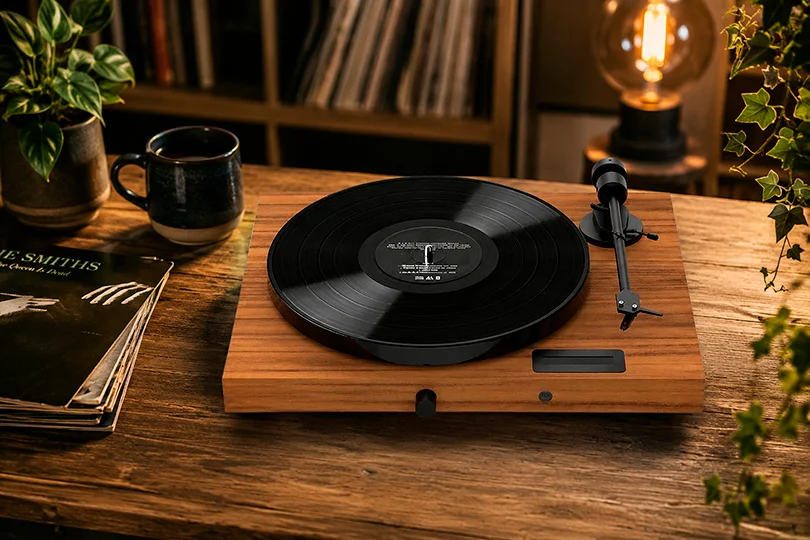
- Sign 1: You installed a higher-quality cartridge, but the sound barely changed. That’s a dead giveaway that your new needle is choking on the limitations of the built-in circuit.
- Sign 2: Your records sound flat, harsh, or boxed-in, even though your speakers and pressings are top-tier.
- Sign 3: You need precise loading adjustments. If your high-end cartridge demands specific impedance or capacitance matching, a basic built-in stage leaves you flying blind.
- Sign 4: Your overall system resolution has evolved. As your amp and speakers get better, they reveal the weakest link in your signal chain.
- Sign 5: You want a modular upgrade path. An external box lets you upgrade your analog front-end piece by piece, which is especially vital if you're eyeing an upgrade to an MC cartridge.
Cartridge Compatibility: MM vs. MC
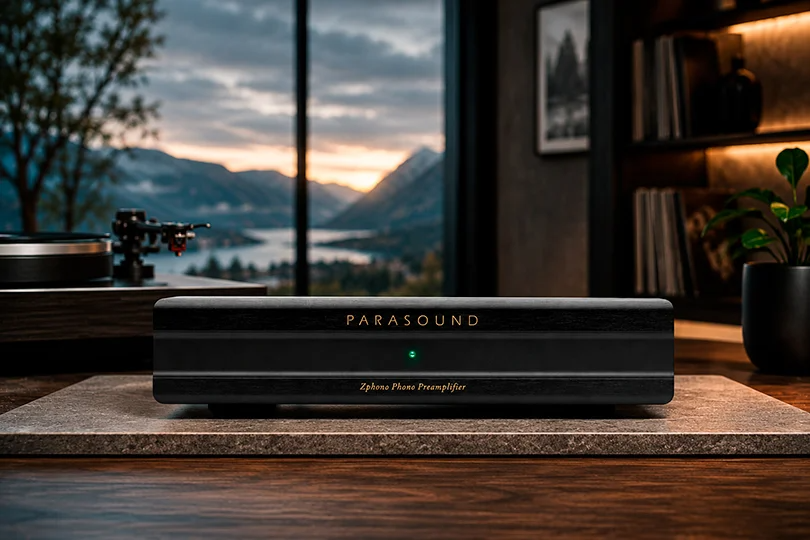
Gain
Moving Magnet (MM) cartridges output a healthy signal. Moving Coil (MC) cartridges produce an extremely weak micro-signal and demand serious amplification. Most built-in phono stages only support MM. Plug an MC cart straight into a standard input, and you’ll get whisper-quiet audio drowned in noise.
Impedance & Capacitance
MM carts need precise load capacitance, while MC carts need correct electrical resistance. If these parameters don't match, your treble gets piercing, or your detail vanishes into mud. Built-in setups almost never let you tweak these settings.
Where Does the Built-In Phono Stage Live?
- Inside the Turntable: Super convenient for plugging into any gear, right next to the tonearm. But space is tight, meaning manufacturers often skimp on power supplies and component quality. Great for entry-level decks, rare in high-end gear.
- Inside the Amp or Receiver: Hit or miss. A well-designed integrated amp will feature a dedicated, shielded phono stage. Budget multi-channel home theater receivers often slap a phono input on the back as an afterthought using cheap microchips.
- Inside Active Speakers: Perfect for minimalist setups. But if the built-in phono stage is weak, upgrading it is a headache — you’ll have to bypass it and add an external box anyway.
How to Tell If the Phono Stage Is the Real Culprit
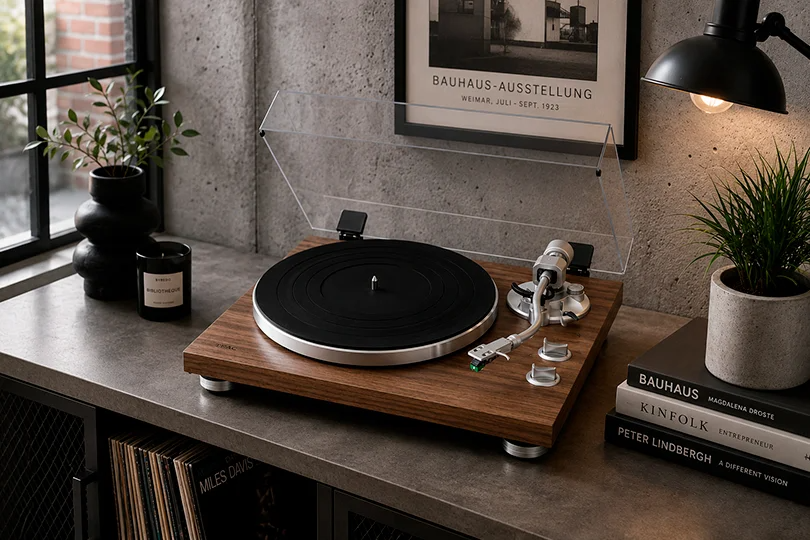
- Borrow & Compare: The ultimate test is plugging in a quality external phono stage for a couple of days. Always match the volume levels during testing. Our brains naturally trick us into thinking louder = better.
- Check Your Basics First: Rule out ground loops, dodgy cables, or power bricks sitting too close to your setup. Sometimes a cleaner cable run fixes your noise issues instantly.
- Evaluate the Whole Chain: If you're running budget speakers or a worn-out stylus, your phono stage isn't the main problem. Fix the weakest link first.
- Look for Real Improvements: A good upgrade shouldn't just sound "different" — it should sound better. Cleaner vocals, tighter bass, lower noise floor. If you can't hear a real jump in performance, hold onto your cash.
What Actually Changes After Moving to an External Box?
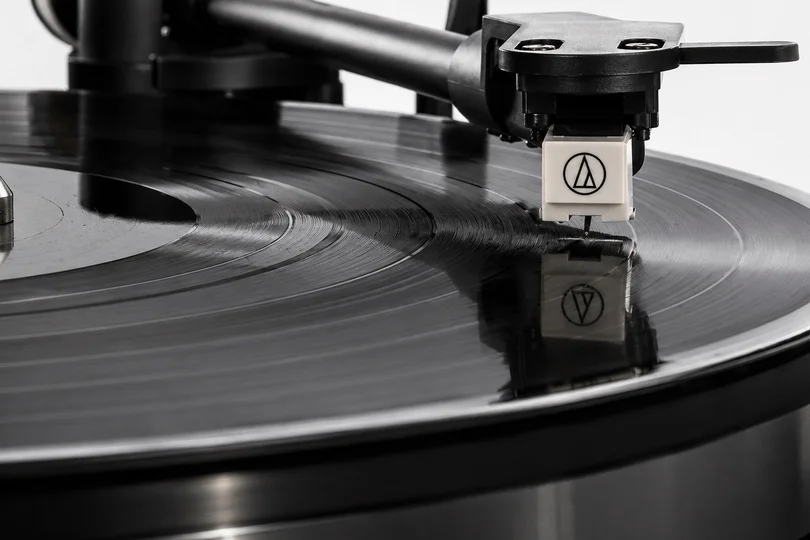
When you plug a proper external phono stage into a capable system, expect:
- A dramatically quieter, cleaner background noise floor.
- Expanded soundstage depth and pinpoint instrument separation.
- A faster, punchier, and more controlled low end.
- Uncompressed dynamics that let massive tracks breathe.
- Total flexibility to dial in custom loads and run advanced MC cartridges.
Note: Nobody can guarantee a night-and-day transformation if your system components aren't ready for it. The gains scale directly with the quality of your gear.
When a New Phono Stage Won't Save the Day
An external box won't perform miracles if the issue lies elsewhere:
- A worn-out, tired stylus.
- Filthy, neglected vinyl records loaded with pops and crackles.
- Bad tonearm calibration (wrong tracking force, anti-skate, or alignment).
- Low-tier speakers or amplifiers masking the details.
- A cheap external phono stage that is actually worse than your built-in one.
The Verdict
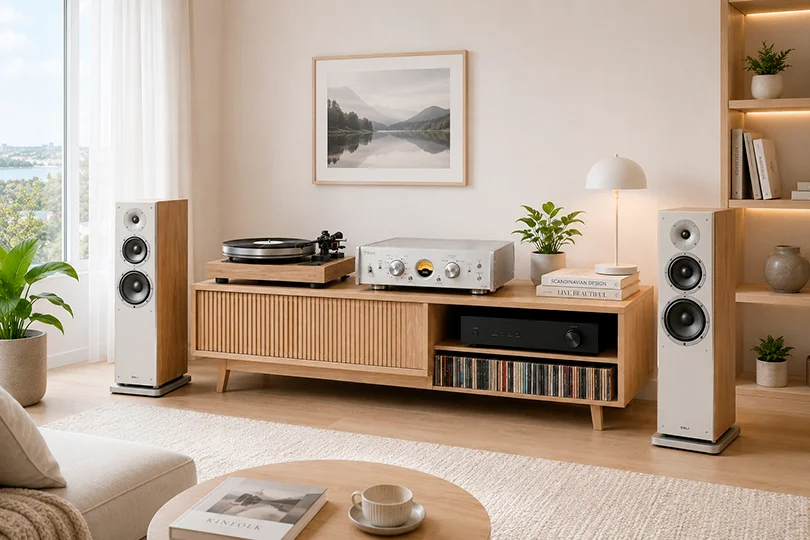
A built-in phono stage is an incredible starting point. It gets music spinning straight out of the box without turning you into an audio engineer. But as your ear develops and your gear gets serious, those hardware limits will start showing.
You don't need an external box on day one, but it's the ultimate tool for unlocking your vinyl collection's true DNA.
Drop by the Dr.Head showroom in Dubai to test drive gear in person. Hearing components side-by-side on real systems is the best way to know whether your setup is ready for the next step.
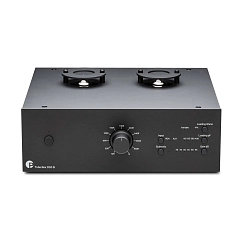
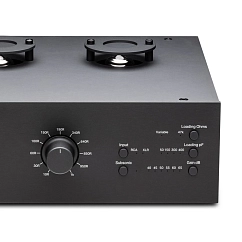
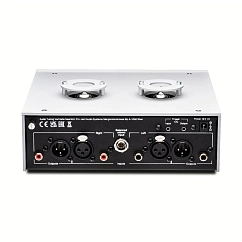

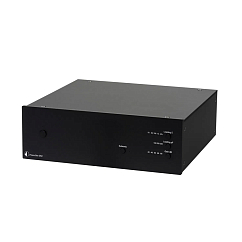
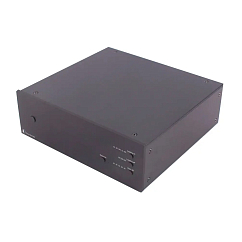
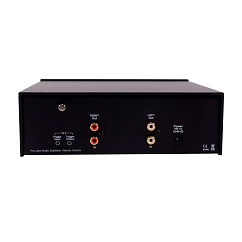
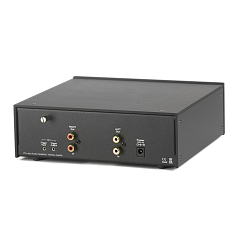


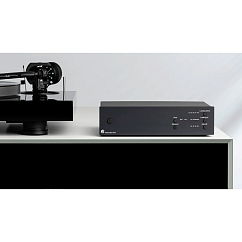


Pro-Ject PHONO BOX S3 B Black
Brand: Pro-Ject
Circuit design: discrete
: 46
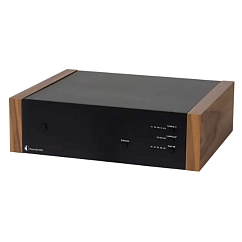
Pro-Ject Phono BOX DS2 Black Walnut
Brand: Pro-Ject
Circuit design: discrete
: 46, 37
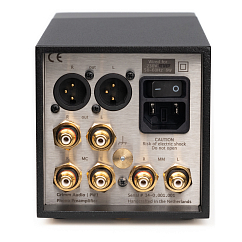
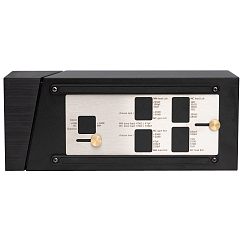
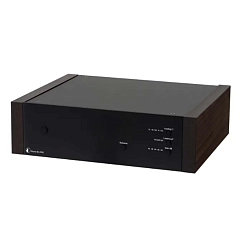
Pro-Ject Phono BOX DS2 Black Eucalyptus
Brand: Pro-Ject
Circuit design: discrete
: 46, 37
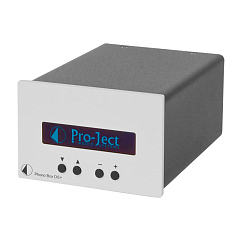
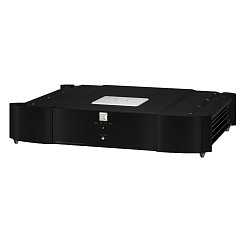
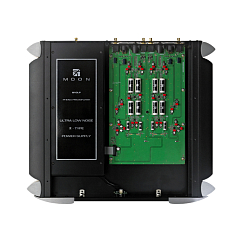
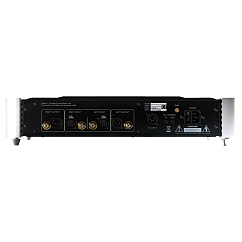
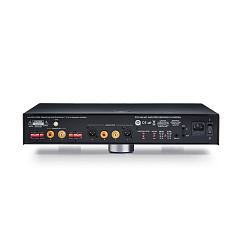
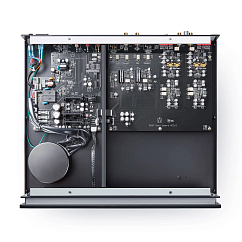
Moon by Simaudio 610LP Black
Brand: Moon by Simaudio
Circuit design: discrete
: 46