













Bookshelf vs. Floor-Standing Speakers: What’s Actually Best for an Apartment?
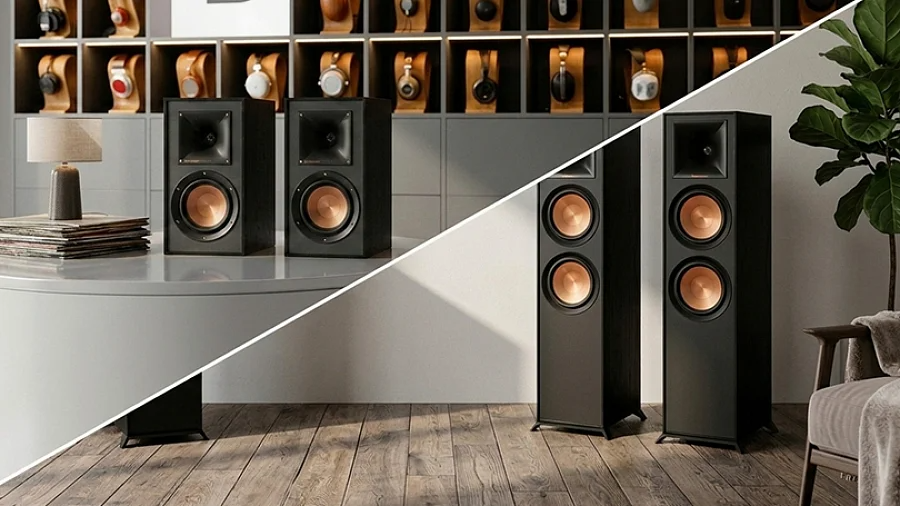
It’s tempting to go as big as possible when buying audio gear. After all, massive towers look impressive. But in a regular apartment with tight corners, shared walls, and furniture lining every wall, large floor-standing speakers rarely reach their full potential.
Let’s talk about why compact bookshelf speakers often sound much more confident in real-world apartments and how to pick the right setup for your actual living space, not a showroom floor.
Contents
- Size Doesn't Guarantee Better Sound
- Why Bookshelf Speakers Rule Apartment Life
- The Three Traps of Floor-Standing Speakers in Apartments
- Room Acoustics Trump Paper Specs
- Imaging and Soundstage in Close Quarters
- Bass: Less Depth, Not Less Quality
- Stop Putting Bookshelf Speakers on Bookshelves
- When to Choose Bookshelf vs. Towers
- A Practical Checklist for Your Apartment
- Quick Setup Tips for Bookshelf Speakers
- The Verdict
Size Doesn't Guarantee Better Sound
Big floor-standing speakers are universally associated with serious high-end audio: deep bass, a massive soundstage, and pure power. The logic seems simple — larger cabinets and bigger drivers must equal better sound. But in an apartment, room acoustics, speaker placement, listening distance, and your amplifier work together and matter far more than cabinet size.
Towers definitely dig deeper, but in a small space, that extra low-end rarely stays controlled. It quickly turns into room-shaking boominess that muddies the midrange. Bookshelf speakers often sound cleaner and tighter because their smaller footprint matches the scale of the room. The right question isn't "which speakers are bigger?" but rather "what acoustics does this room actually handle?"
Why Bookshelf Speakers Rule Apartment Life
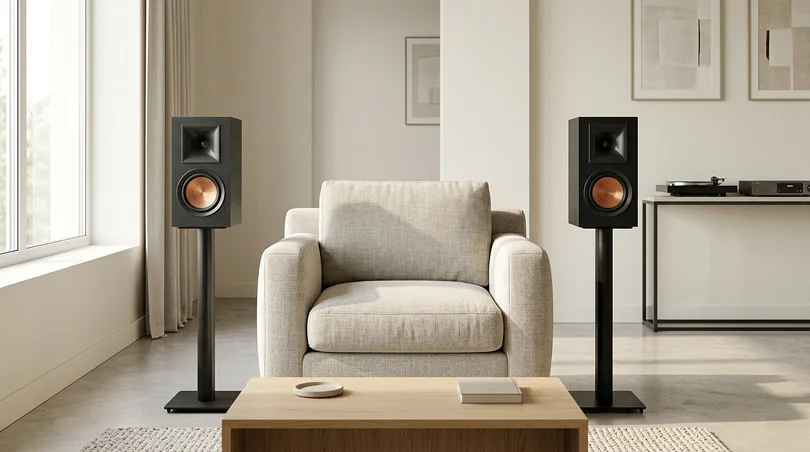
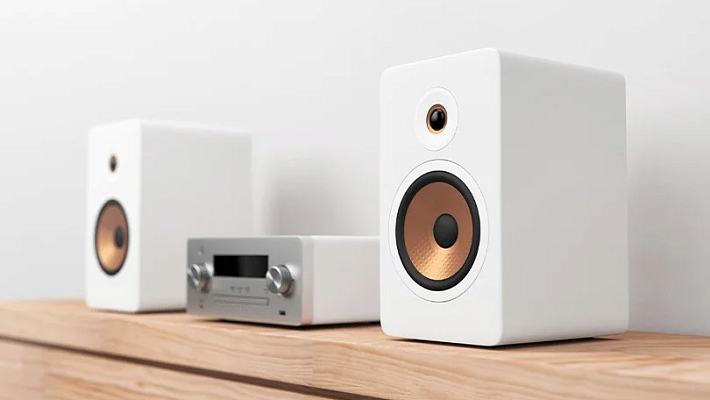
Compact cabinets are the superpower of bookshelf speakers. They are much easier to position in a typical room, letting you pull them away from walls and set them at the right height without rearranging your entire living room.
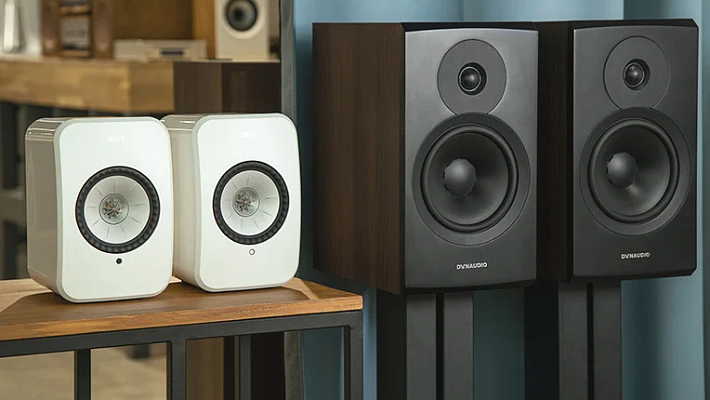
Because they move less air volume, they are far less likely to excite annoying room resonances or create an unbearable hum. When placed in near-field or mid-field listening positions — about 1.5 to 2 meters away — they deliver razor-sharp imaging and crystal-clear vocals. Good stand-mounted bookshelf speakers often sound vastly more cohesive than large towers shoved into the corners of a crowded living room.
Active bookshelf options with built-in amplifiers make things even simpler by cutting down on messy cables and extra components. Just remember: calling them "bookshelf" speakers doesn't mean you should literally shove them onto a packed bookshelf. They still need proper setup to shine.


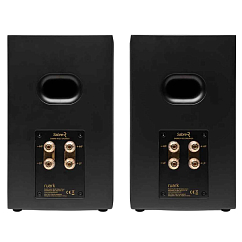
Ruark Sabre-R Charcoal
Brand: Ruark
: 46
Connection method: bi-amp, bi-wiring


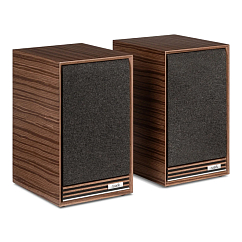
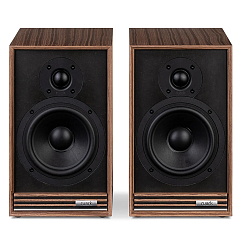

Ruark Sabre-R Fused Walnut
Brand: Ruark
: 37
Connection method: bi-amp, bi-wiring
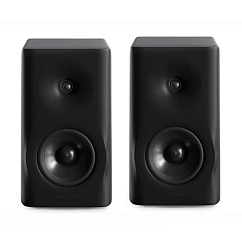
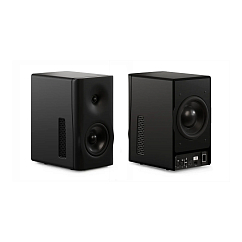
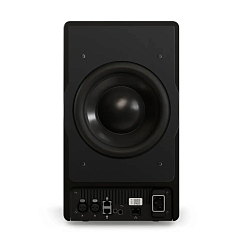
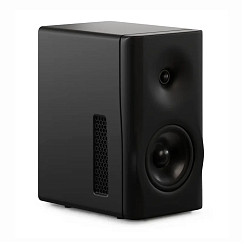
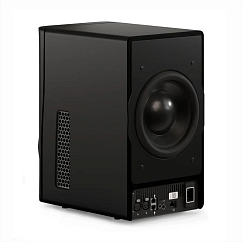
Dutch & Dutch 6c Black Matte
Brand: Dutch & Dutch
: 46
Connection method: rj45
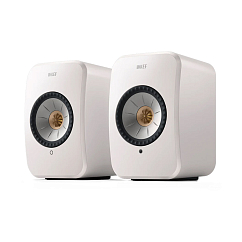
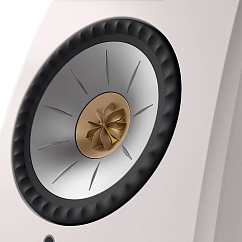
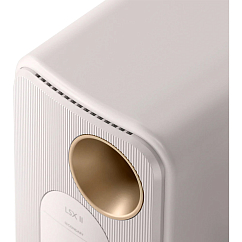


KEF LSX II Mineral White
Brand: KEF
: 32
Connection method: bluetooth, wifi, rj45, optical, usb, 3.5
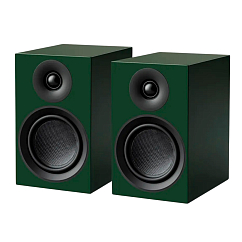
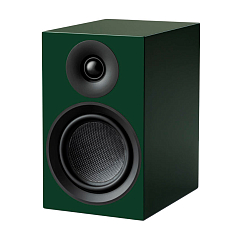
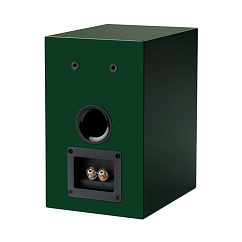
Pro-Ject Speaker Box 5 E Carbon Satin Green
Brand: Pro-Ject
: 35
Connection method: terminals
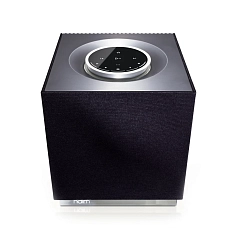

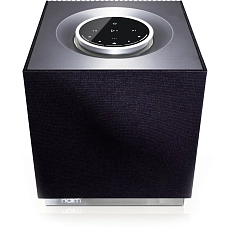


Naim Mu-So QB 2nd Generation
Connection method: wifi, 3.5, optical, rj45
Number of lanes: three-lane
Phase Inverter location: on the side

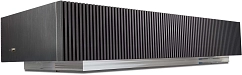
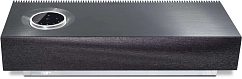
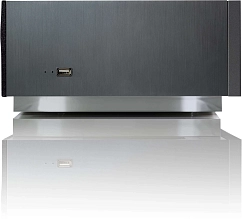
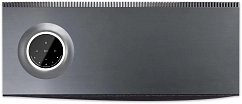
Naim Mu-So 2nd Gen Black
Connection method: 3.5, optical, hdmi, rj45, usb-a
Impedance, Ohms: 6
Number of lanes: three-lane


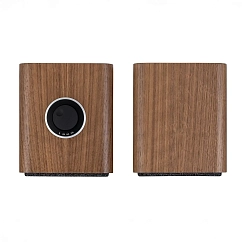

Ruark MR1 Mk3 Rich Walnut
Brand: Ruark
: 37
Connection method: bluetooth, usb-c


KEF LS50 Meta Mineral White
Brand: KEF
: 32
Connection method: stereo


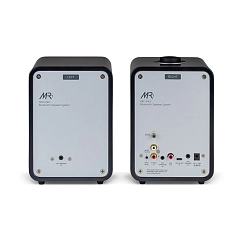
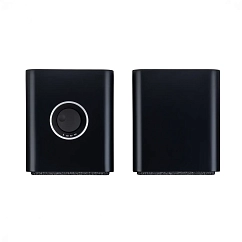

Ruark MR1 MK3 Satin Charcoal
Brand: Ruark
: 46
Connection method: bluetooth, usb-c
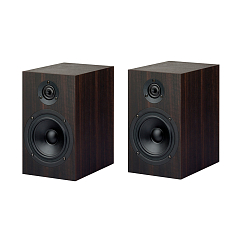
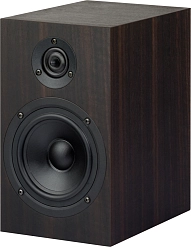

Pro-Ject Speaker Box 5 DS2 Eucalyptus
Brand: Pro-Ject
: 46
Connection method: stereo


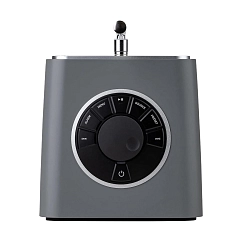

Ruark R1S Mid Grey
Connection method: wifi, bluetooth
Type of speakers: active bookshelf
Alarm clock: yes
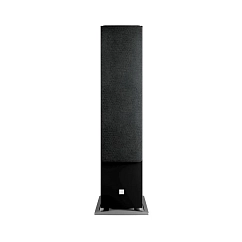
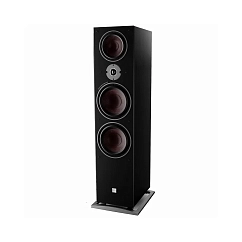
The Three Traps of Floor-Standing Speakers in Apartments
Big towers look incredible, but in a standard apartment, they face three major hurdles:
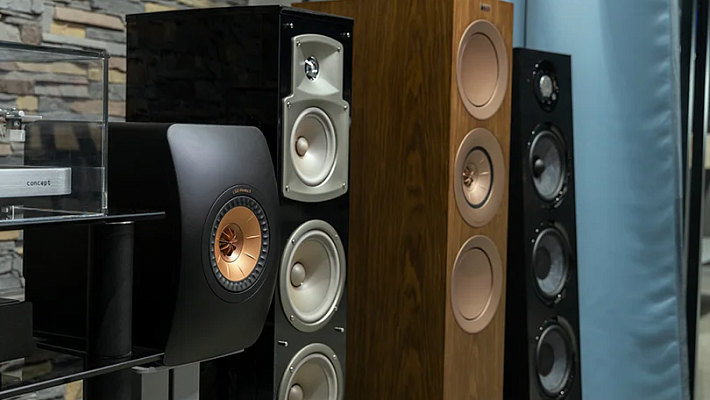
- Too Much Bass for the Room: Large cabinets and big woofers are designed to push serious air. In a spacious hall, that's an asset. In a compact room, those low frequencies trigger wall and corner resonances, turning your music into a muddy, bloated mess that causes listening fatigue within half an hour.
- Placement Nightmares: Towers need breathing room — they require distance from rear and side walls to let the soundstage breathe. In an apartment, speakers usually have to go where the furniture allows, not where the sound demands. If your towers are trapped against a wall or wedged into a corner, their acoustic potential is entirely wasted.
- Amplifier Demands: Floor-standers are often harder to drive and control, especially when handling complex low-end transients. A weak amplifier will make even expensive towers sound loose, sluggish, and lifeless. Loud specifications don't mean much if your amp can't keep the drivers on a tight leash.

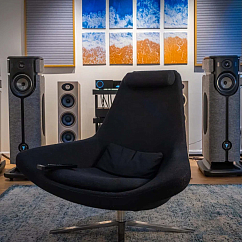

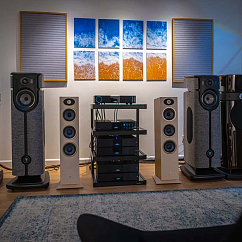
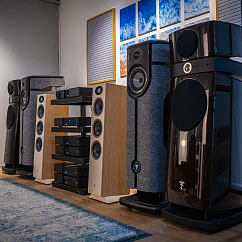
Focal DIVA Utopia
Brand: Focal
: 44
Connection method: hdmi, optical, rca, usb-a, rj45, bluetooth, wifi

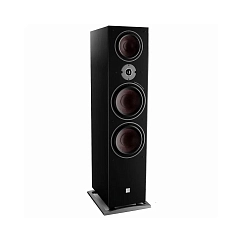
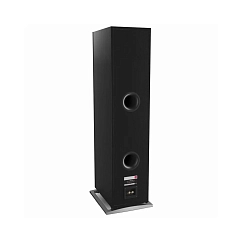
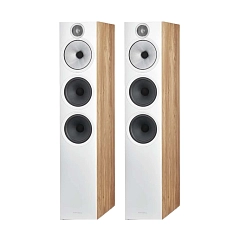
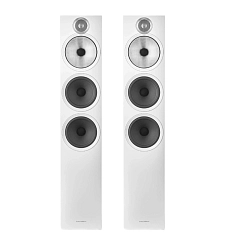
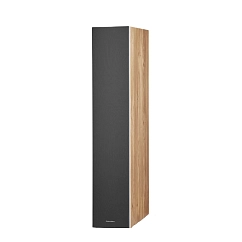

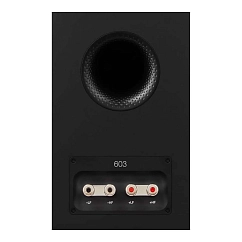
Bowers & Wilkins 603 S3 Oak
Brand: Bowers & Wilkins
: 37, 32
Connection method: bi-amp, bi-wiring


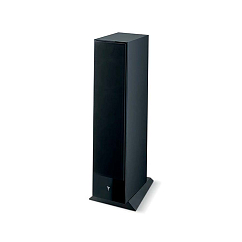
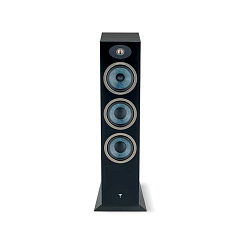

Focal Theva N3 Black
Brand: Focal
: 46
Connection method: stereo


Focal Theva N3-D Dark Wood
Brand: Focal
: 37
Connection method: stereo
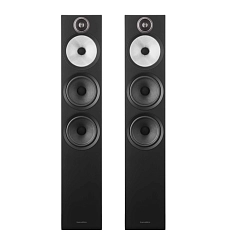
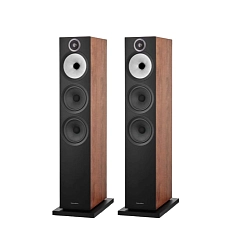

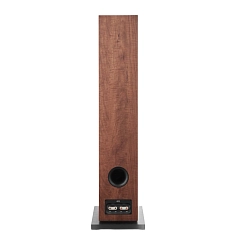

Bowers & Wilkins 603 S3 Cherry
Brand: Bowers & Wilkins
: 37, 46
Connection method: bi-amp, bi-wiring


Focal Grande Utopia EM EVO Metallic Blue
Brand: Focal
: 45
Connection method: bi-amp, bi-wiring


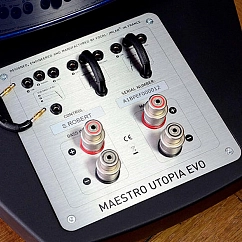
Focal Maestro Utopia EVO British Racing Green Lacquer
Brand: Focal
: 35
Connection method: bi-amp, bi-wiring

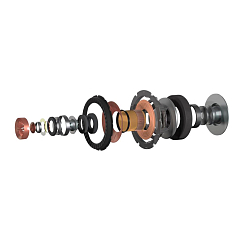
KEF Q7 Meta Satin Black
Brand: KEF
: 46
Connection method: terminals
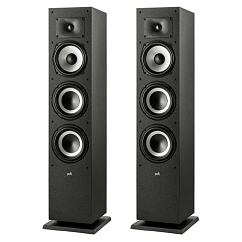


Polk Audio Monitor XT60 Black
Brand: Polk Audio
: 46
Connection method: terminals


Bowers & Wilkins 801 D4 Signature Midnight Blue Metallic
Brand: Bowers & Wilkins
: 45
Connection method: bi-amp, bi-wiring


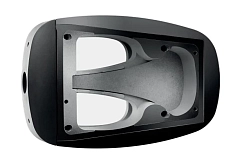
Focal Sopra N1 Carrara White
Brand: Focal
: 32
Connection method: stereo
Room Acoustics Trump Paper Specs
Manufacturer spec sheets don't tell you how speakers will behave in your specific home. Frequency response numbers look identical on paper for thousands of apartments, yet the sound varies wildly in every single one.
Bass is notoriously moody. Low frequencies depend entirely on room dimensions, speaker placement, and where your head is parked on the couch. Step half a meter to the side, and the bass might completely vanish or swell into an overwhelming drone. Bare walls, windows, and hardwood floors only make reflections harsher.
Bookshelf speakers win here because they don't aggravate problematic room modes nearly as much. In an apartment, what matters isn't the maximum bass on paper, but the amount of bass your room can actually digest without buzzing.
Imaging and Soundstage in Close Quarters
In a typical apartment setup, you sit relatively close to your speakers — about 1.5 to 2 meters away, rather than 6 meters across a massive hall. Bookshelf speakers excel in this near-field and mid-field territory.
They are easy to raise to ear level, toe-in toward your seat, and lock into a classic acoustic triangle. With less chaotic room bass bouncing around, vocals and instruments stay focused and transparent. If towers are placed too close to the listener or pinned against walls, that delicate soundstage completely collapses.
Scale isn't determined by cabinet size; it’s determined by proper placement and room control.
Bass: Less Depth, Not Less Quality
Lower bass extension doesn't automatically mean better music. In an apartment, tight control over low frequencies is always better than sheer depth.
- Control Over Depth: Bookshelf speakers might not rattle the floorboards like massive subwoofers, but their bass is usually faster, tighter, and free of bloat. A little less depth is a great trade-off to avoid a constant, exhausting hum.
- Add a Sub Later: If you find yourself missing the absolute lowest octaves, you can easily add a dedicated subwoofer down the road. Subwoofers are much easier to move around to find a resonance-free sweet spot.
- Genre Flexibility: Vocal jazz, classic rock, acoustic sessions, and podcasts don't need earth-shattering sub-bass to sound breathtaking — they thrive on a clear, natural midrange.
Stop Putting Bookshelf Speakers on Bookshelves
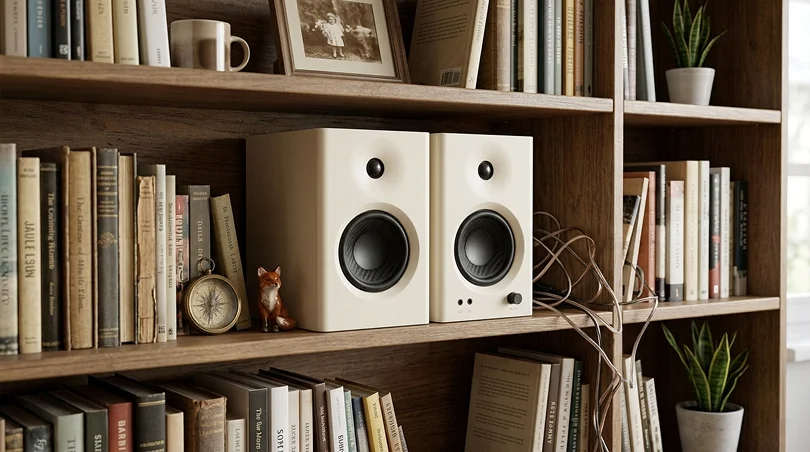
The name "bookshelf" is a bit misleading. Shoving a speaker onto a random shelf right against the back wall chokes its port, ruins the bass, and smears the soundstage.
Furthermore, shelves add unwanted vibrations and reflections that color the music. Ideally, your tweeters should sit right at ear level when seated. Dedicated speaker stands, or sturdy, vibration-damped media consoles, make a massive difference.
When to Choose Bookshelf vs. Towers
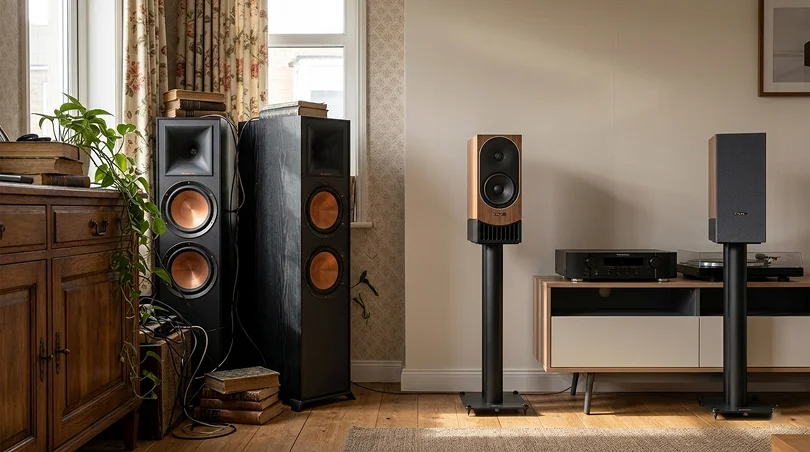
Go with bookshelf speakers if:
- You are setting up a bedroom, home office, or a modest living room where you sit close to the gear.
- Your speakers have to live close to walls with nowhere else to go.
- You value pristine vocals, imaging, and detail over maximum volume and pressure.
- You want to keep peace with neighbors sharing your walls by keeping late-night listening clean and controlled.
Go with floor-standing speakers if:
- You have a spacious, open-plan room where you can pull the speakers at least half a meter away from any wall.
- You have a powerful, high-current amplifier that can keep large drivers under strict control.
- You want movie-theater scale, visceral impact, and massive headroom for parties.
- You are ready to experiment with speaker placement and room treatment.
A Practical Checklist for Your Apartment
- Assess the room, not your budget: Room size and layout matter more than buying the biggest gear on display. Small rooms love compact speakers.
- Map out your placement: Can you pull the speakers away from the walls? Is there floor space for proper stands? Symmetry is key.
- Match your listening habits: If you mostly listen at moderate volumes or focus on acoustic and vocal tracks, compact speakers will delight you every single day.
- Check your amplifier: Never pair demanding towers with a weak budget amp just because they were on sale. A balanced, healthy chain always wins.
Quick Setup Tips for Bookshelf Speakers
- Use stands: Dedicated stands get the tweeters to ear height and isolate the speakers from furniture vibrations.
- Give them breathing room: Even pulling them 15 to 30 centimeters away from the back wall clears up muddy bass.
- Nail the triangle: Form an equilateral triangle between the two speakers and your listening chair.
- Experiment with toe-in: A slight angle toward your ears locks vocals right into the center stage.
The Verdict
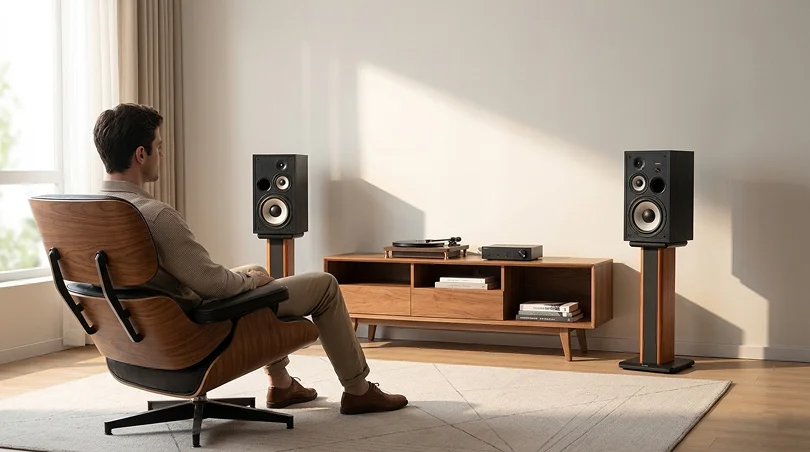
Bigger isn't always better, especially when physics ties your hands in a standard apartment. Floor-standing speakers can easily overpower a modest room with unwanted bass bloat and demand more space than you have.
Bookshelf speakers offer a smarter, more predictable path to great sound in an apartment, provided you set them on proper stands with room to breathe. Pick the gear that fits your real living space, and your music will thank you.
If you want to hear the difference yourself, drop by the Dr.Head showroom in Dubai. Testing bookshelf and floor-standing models side-by-side on real gear is the absolute best way to figure out what works for your room.