













Bluetooth Turntables: Convenient Gateway or Vinyl Sacrilege?
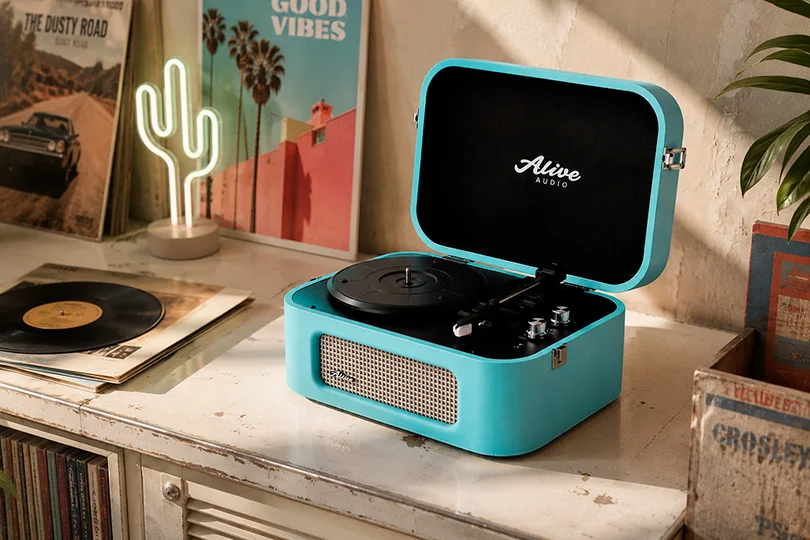
We love vinyl for its tactile nature: watching the record spin, guiding the tonearm into the groove, holding the album jacket, and experiencing music side by side. Bluetooth, on the other hand, stands for digital convenience, wireless freedom, and lossy compression.
Because of this juxtaposition, wireless record players carry a bizarre reputation: to newcomers, they offer a friction-free entry point into analog audio; to purists, they violate the core philosophy of vinyl.
The reality, however, isn't black and white.
Let's break down where the analog magic stops, what happens to the audio signal over the air, and how to pick a Bluetooth turntable that won't trap you in an upgrade dead end.
Contents
Why Bluetooth Vinyl Triggers Audiophiles
Historically, vinyl is an uncompressed, purely analog format. Sound physicalized in a micro-groove is read by a diamond stylus, converted into an electrical signal by a phono cartridge, and sent down a copper wire to an amplifier and speaker drivers. In a traditional setup, zero digital conversion takes place.
Bluetooth disrupts this signal path. To transmit audio wirelessly to a speaker or headphones, a record player must:
- Take the analog voltage from the stylus.
- Convert it into a digital stream using an Analog-to-Digital Converter (ADC).
- Compress and encode that stream using a Bluetooth codec.
- Transmit it over the air to a receiver.
- Convert that digital stream back into an analog signal using a DAC inside your wireless speaker or headphones.
This is where the philosophical clash happens. An audiophile prioritizes absolute signal purity through an all-analog chain: cartridge, phono stage, amplifier, cables, and passive speakers. A beginner simply wants to set a turntable on a sideboard, pair a Bluetooth speaker, and spin records without clutter. Both perspectives are valid — it just comes down to expectations.
How a Bluetooth Turntable Actually Works
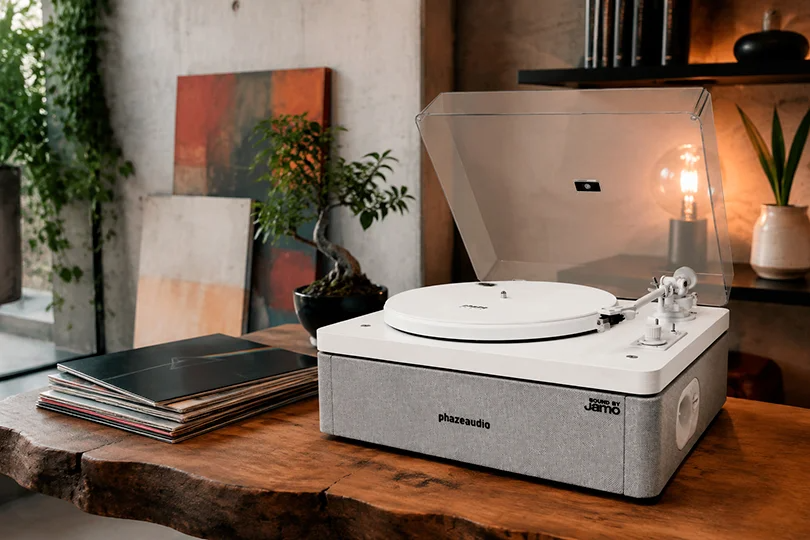
The journey starts identically to a classic deck. The stylus tracks the record groove, vibrating a magnet or coil inside the cartridge to generate a microscopic analog signal.
Because a cartridge’s output is far too quiet, it passes through an internal phono preamp. This circuit amplifies the tiny signal to line level and applies the standard RIAA equalization curve to restore natural tonal balance. Built-in phono stages are mandatory on Bluetooth turntables because the wireless encoder requires a pre-amplified line-level signal.
From there, the signal enters the digital domain:
- An Analog-to-Digital Converter (ADC) samples the analog sound into digital bits.
- A Bluetooth transmitter encodes the audio stream using supported codecs (such as SBC, AAC, or aptX) and beams it across the room.
- Your wireless speaker or Bluetooth headphones receive the signal, decode the digital packets, run them through an internal Digital-to-Analog Converter (DAC), and feed the final analog signal to the speaker drivers.
So while a Bluetooth turntable remains a physical vinyl source, the audio path after the phono stage is undeniably hybrid.
How Bluetooth Shapes Your Sound
Wireless transmission introduces three main variables to your audio quality:
- Codec Compression: Basic Bluetooth codecs like SBC compress audio data heavily, sacrificing subtle micro-details. Higher-tier codecs like aptX HD or LDAC preserve far more bandwidth, but they still operate within digital wireless constraints.
- Internal Component Quality: A wireless turntable relies heavily on its built-in phono preamp, ADC, and Bluetooth chipset. Cheap components can flatten dynamics, introduce background hiss, or smear spatial detail.
- The Playback Device: A compact, standalone Bluetooth speaker is usually the biggest sonic bottleneck — far more so than the wireless link itself. Small driver enclosures and aggressive built-in DSP can mask the dynamic range and soundstage that vinyl is capable of delivering.
What Remains of the Vinyl Experience?
Even with a digital wireless link, you keep the core tactile heart of vinyl:
- The Ritual: Selecting an album, slipping the disc from its sleeve, cleaning the surface with a brush, cueing the tonearm, and flipping sides after 22 minutes.
- Mastering Differences: Vinyl records are mastered differently than crushed digital streaming tracks, often boasting wider dynamic range and warmer tonal balances that survive Bluetooth conversion.
- Deliberate Listening: Vinyl forces you to listen to full albums without skipping tracks every thirty seconds.
For casual listeners, this physical engagement is 90% of the fun. But for audiophiles seeking absolute transparency and holographic staging, wireless transmission remains an avoidable compromise.
When a Bluetooth Turntable Makes Sense
- Your First Step Into Vinyl: If you aren't ready to spend heavily on dedicated Hi-Fi separates, a Bluetooth deck lets you sample the hobby using wireless gear you already own.
- Tight Living Spaces: Ideal for apartments where running long interconnect cables across a living room is impractical.
- Background & Multi-Room Audio: Perfect for casual morning listening while making breakfast or hosting dinner in another room.
- Late-Night Private Listening: Pair a set of wireless noise-canceling headphones to enjoy records late at night without disturbing family or neighbors.
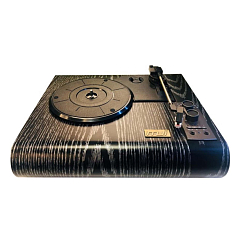
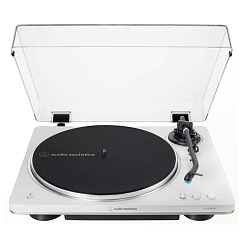
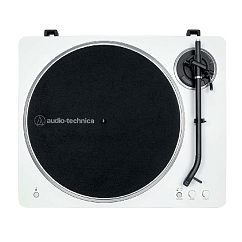
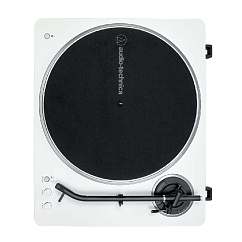
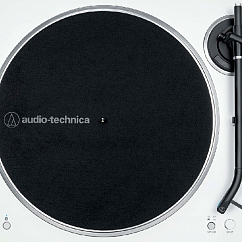
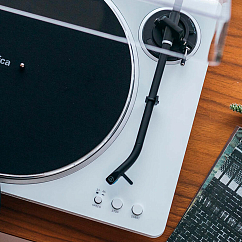
Audio-Technica AT-LP70XBT WS White/Silver
Bluetooth version: 5.0
Brand: Audio-Technica
Cartridge type: MM
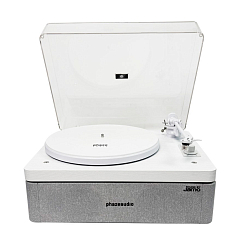
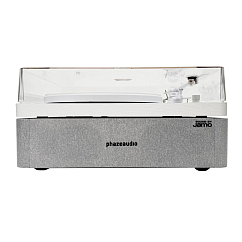
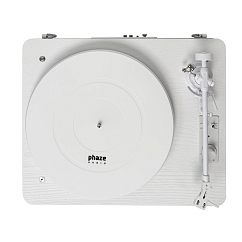
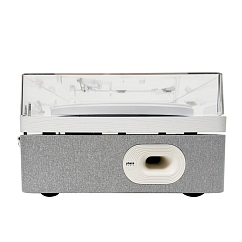
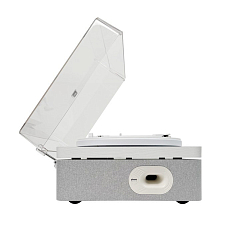
Phaze Audio Adelle Siberian White
Bluetooth version: 5.0
Brand: Phaze Audio
Cartridge type: MM
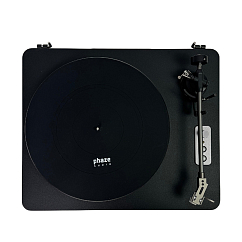
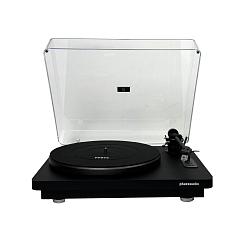
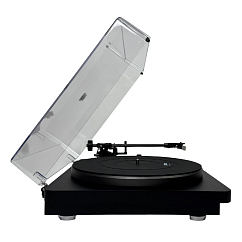
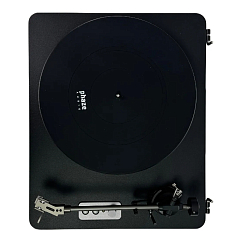
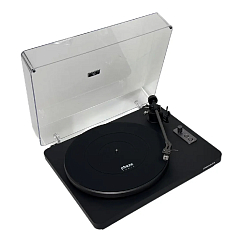
Phaze Audio Diana MK2 Shadow Black
Bluetooth version: 5.3
Brand: Phaze Audio
Cartridge type: MM
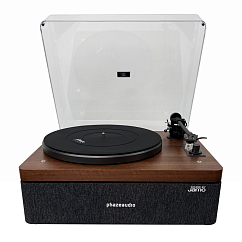
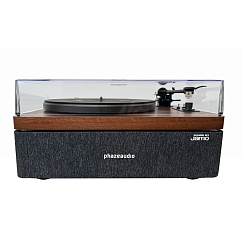
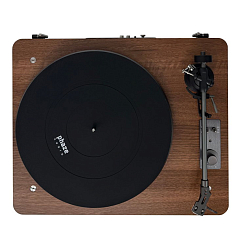
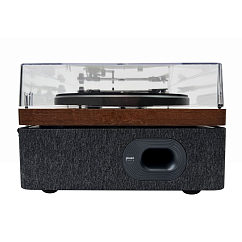
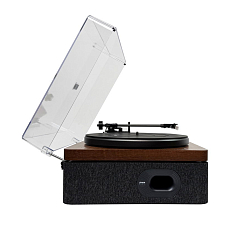
Phaze Audio Adelle Walnut
Bluetooth version: 5.0
Brand: Phaze Audio
Cartridge type: MM
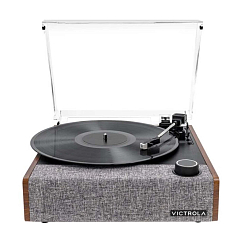

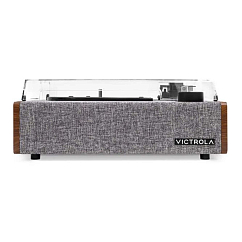
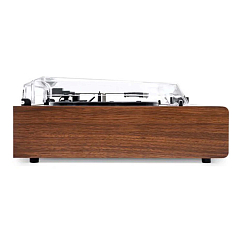

Victrola The Eastwood II Walnut
Bluetooth version: 5.1
Brand: Victrola
Cartridge type: MM
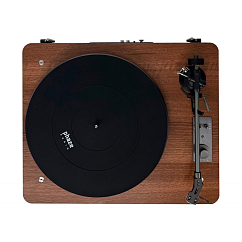
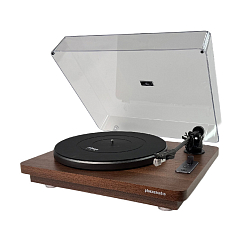
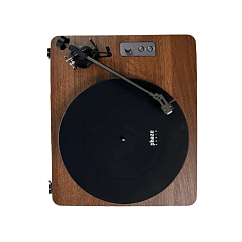
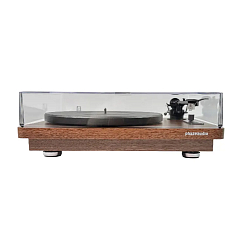
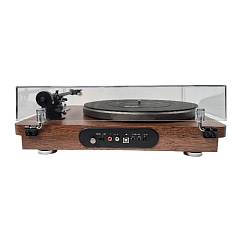
Phaze Audio Diana MK2 Walnut
Bluetooth version: 5.3
Brand: Phaze Audio
Cartridge type: MM
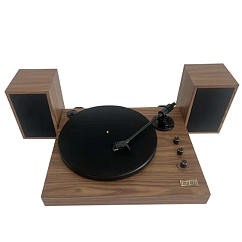

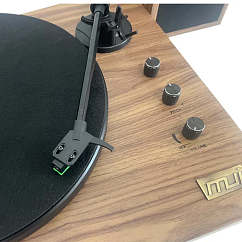


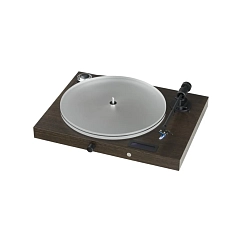

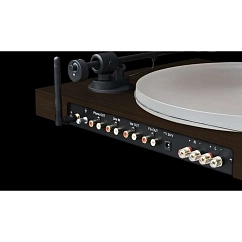
Pro-Ject Set JukeBox S2 + Speaker Box 5 S2 Eucalyptus
Bluetooth version: 4.2
Brand: Pro-Ject
Cartridge type: MM
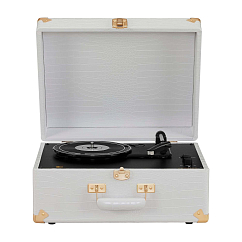
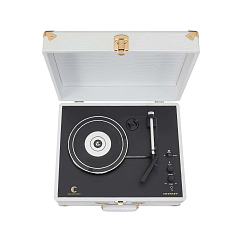
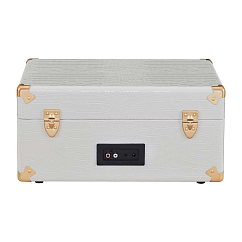
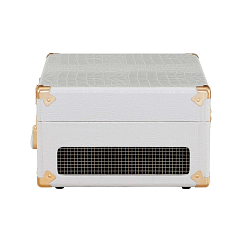
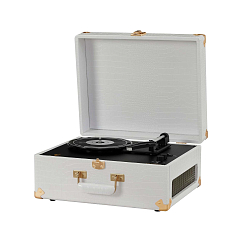
Crosley Anthology white croc
Bluetooth version: 5.0
Brand: Crosley
Cartridge type: MC, MM
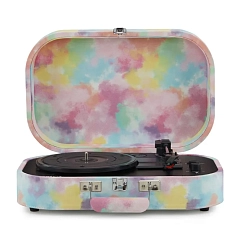
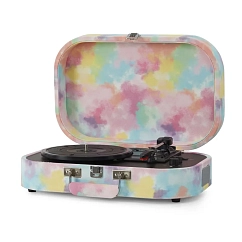
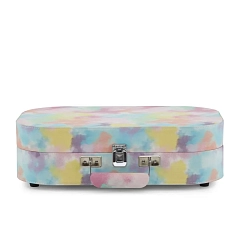
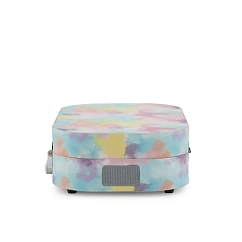
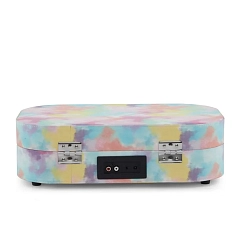
Crosley Discovery Bluetooth Out Turntable Tie-Dye
Bluetooth version: 5.0
Brand: Crosley
Cartridge type: MM
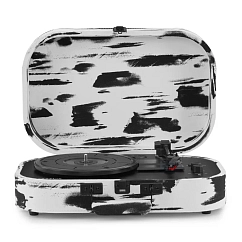
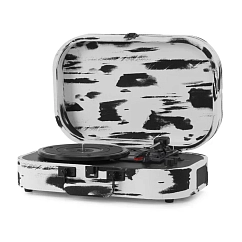
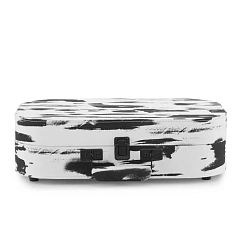
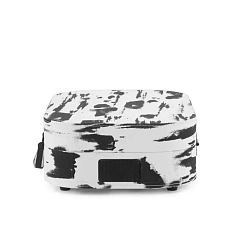
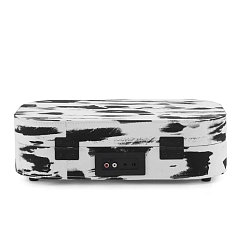
Crosley Discovery Bluetooth Out Turntable Black White
Bluetooth version: 5.0
Brand: Crosley
Cartridge type: MM
When You Should Stick to Physical Cables
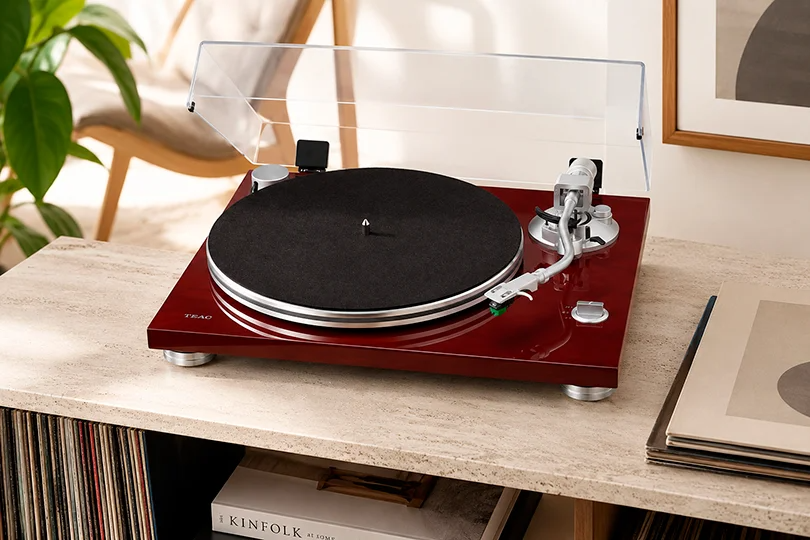
- Building a Dedicated Hi-Fi System: If you own a stereo receiver, integrated amplifier, quality phono preamp, and passive speakers, copper cables keep your signal chain 100% analog.
- Upgrading Cartridges: If you plan to experiment with high-end Moving Magnet (MM) or Moving Coil (MC) cartridges, an ADC/Bluetooth bottleneck will mask those delicate audio upgrades.
- Critical Listening Sessions: When you sit in the listening sweet spot specifically to analyze soundstage, instrument separation, and dynamic impact.


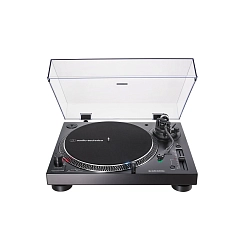
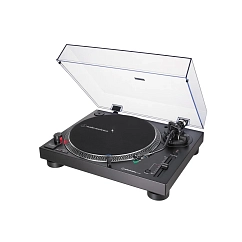
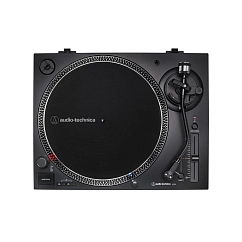
Audio-Technica AT-LP70XBT WS White/Silver
Bluetooth version: 5.0
Brand: Audio-Technica
Cartridge type: MM
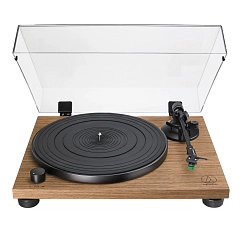
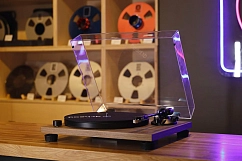
Phaze Audio Adelle Siberian White
Bluetooth version: 5.0
Brand: Phaze Audio
Cartridge type: MM


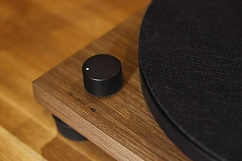
Phaze Audio Diana MK2 Shadow Black
Bluetooth version: 5.3
Brand: Phaze Audio
Cartridge type: MM
Phaze Audio Adelle Walnut
Bluetooth version: 5.0
Brand: Phaze Audio
Cartridge type: MM
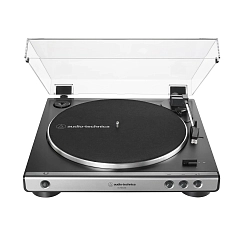

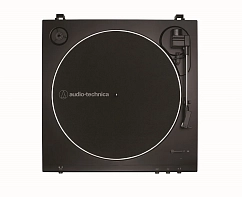

Audio-Technica AT-LP60X USB Gun Metal
Brand: Audio-Technica
Cartridge type: MM
: 46, 43
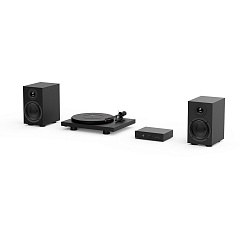

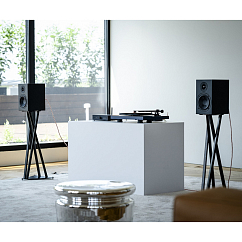
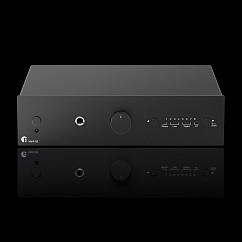
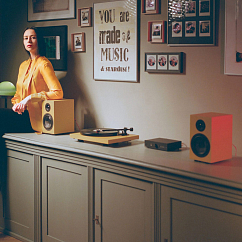
Pro-Ject COLOURFUL AUDIO SYSTEM (UK PLUG) Satin Black
Brand: Pro-Ject
: 46
Color shade: black
Victrola The Eastwood II Walnut
Bluetooth version: 5.1
Brand: Victrola
Cartridge type: MM
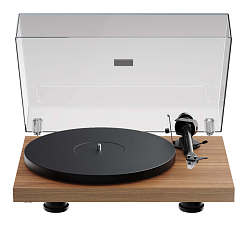
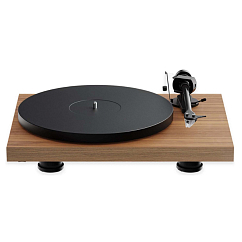
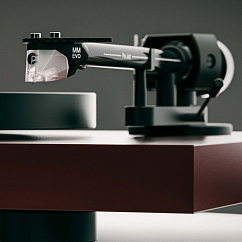
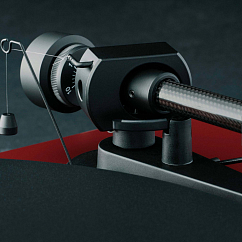
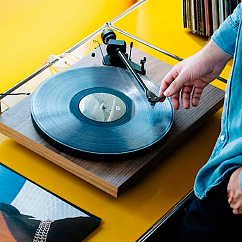
Pro-Ject Debut EVO 2 (PICK IT MM EVO) Walnut
Brand: Pro-Ject
Cartridge type: MM
: 37
The Verdict
A Bluetooth turntable preserves the physical magic, album art, and deliberate ritual of vinyl, but trades away absolute analog signal purity for wireless convenience. It is a fantastic bridge for beginners and flexible spaces, provided you buy a model with analog RCA outputs for future system upgrades.
Drop by a Dr.Head showroom in Dubai to compare wireless turntables side-by-side with traditional wired Hi-Fi setups and find the right match for your listening habits.