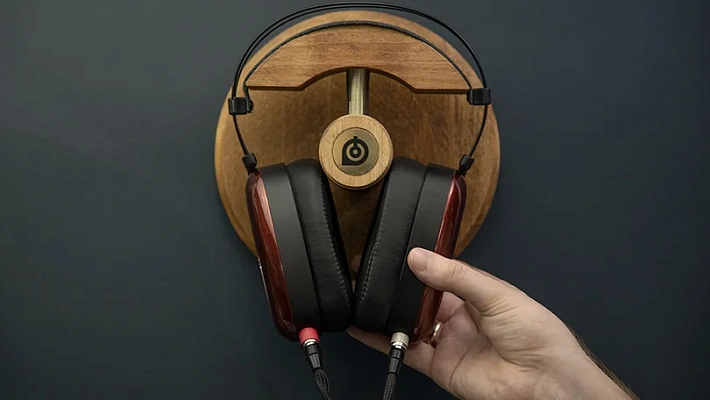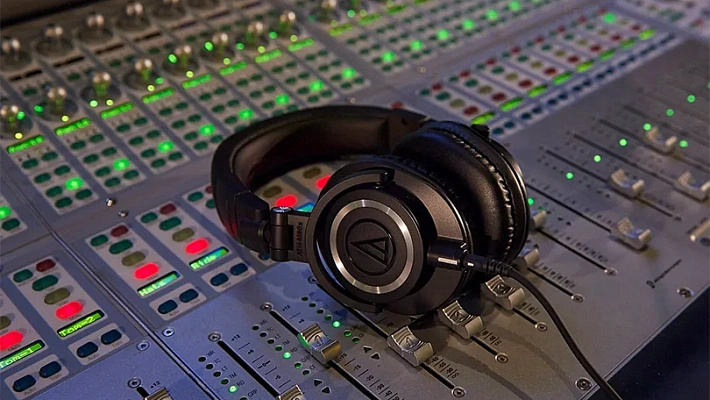














Why Choose Planar Headphones Over Dynamic?
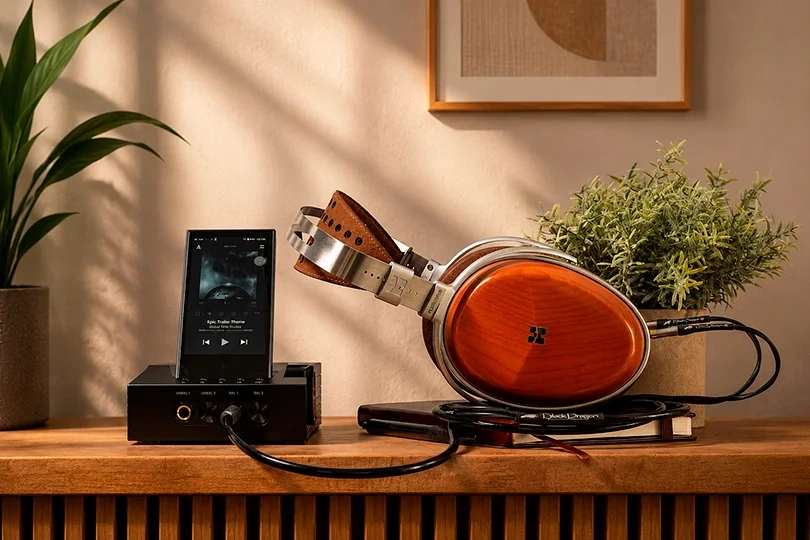
Planar magnetic headphones are highly regarded by audiophiles for their tightly controlled bass, lightning-fast transient response, and pristine instrument separation. But is this signature sound purely because of the driver, or is it marketing hype?
Let’s break down exactly how planar headphones differ from traditional dynamic drivers, what actually impacts the sound, and what you need to know before upgrading.
Contents
The Core Difference: How They Work
To understand the sound, you have to understand the mechanics.
Dynamic Drivers
This is the standard technology found in the vast majority of headphones. A voice coil is attached to the center of a cone-shaped diaphragm. When an electrical signal passes through, the coil pushes and pulls the center of the cone to create sound. It is efficient, compact, and delivers great physical bass punch. Because it is driven from the center, the edges of the cone can sometimes flex, causing slight distortion.
Planar Magnetic Drivers
Instead of a cone, a planar driver uses a microscopically thin, flat diaphragm printed with a conductive circuit. This film is suspended between arrays of powerful magnets. When the signal hits, the magnetic force pushes and pulls the entire flat surface evenly at the exact same time. This uniform movement drastically reduces distortion.
Why Planar Headphones Sound Different
Because the planar diaphragm is driven uniformly across its entire surface, it creates an incredibly accurate sound reproduction.
When reviewers call a headphone fast, they mean transient response — how accurately the driver starts and stops a sound. A featherweight planar membrane stops on a dime. This allows you to effortlessly track individual instruments, like rapid bassline plucks or snare hits, even in dense, chaotic metal or layered electronic tracks. The sound never gets muddy.
Also, planar bass is incredibly deep, perfectly linear, and controlled. You rarely hear bass notes smear together. While a large dynamic driver physically pushes air in a way that creates a visceral slam on your eardrum, planars prioritize texture and extreme sub-bass depth over that brute-force physical punch.
The Soundstage Myth
Many people assume planars automatically have a massive soundstage. This is a misconception. A wide soundstage — how far voices and instruments sound outside your head — is dictated by acoustic design.
Most audiophile planars are open-back, and that lack of isolation is what creates the airy sound. You can easily find closed-back planars with an intimate, narrow soundstage, and open-back dynamic headphones that sound absolutely massive. Do not buy a planar headphone simply assuming it will sound wider than a dynamic one.
Do You Need a Dedicated Amplifier For Planars?
In short, not always. The need for an amp depends entirely on the headphone's sensitivity and impedance, not just the driver type.
Some modern planar headphones are highly efficient and run perfectly from a portable DAC, a digital audio player, or a good laptop. Others are notoriously power-hungry and demand a dedicated desktop amplifier to reach a comfortable listening volume and deliver proper bass dynamics.
The Rule of Thumb: If you have to push your smartphone's volume to 90% just to get a comfortable listening level, or if the sound gets harsh and distorted during loud passages, you lack power and need an external amplifier.
The Verdict
Planar magnetic headphones are the ultimate choice for critical home listening, offering surgical control, flawless sub-bass, and incredible instrument separation. Dynamic drivers, however, remain the kings of versatility, offering superior portability, easier power requirements, and a heavier physical bass impact.
There is no universal answer to whether planar or dynamic headphones are better. Planars offer analytical control and separation for critical listening. Dynamic drivers offer better portability, easier power requirements, and a more physical mid-bass impact.
The best way to decide is to test a planar and a dynamic headphone side-by-side using music you know intimately. Drop by the Dr.Head showroom in Dubai to test them on premium equipment and find your perfect match.