

















The Great Speaker Tribes: Active vs. Passive
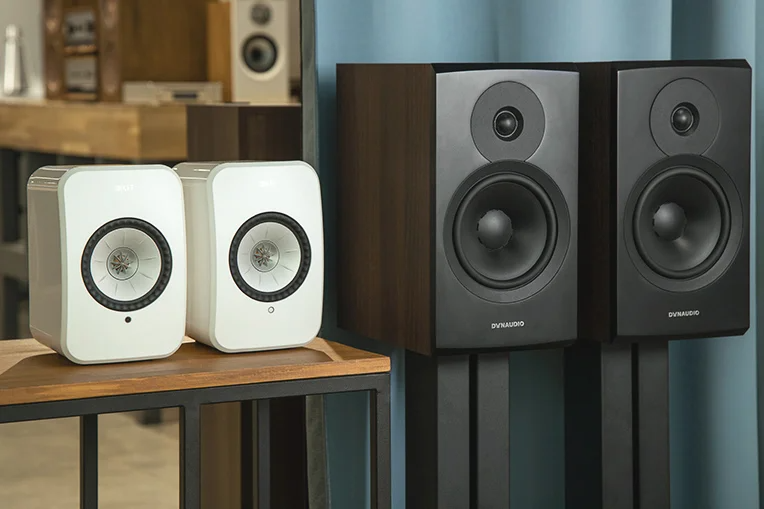
In the world of high-fidelity audio, there are two distinct tribes. In one camp, you have the traditionalists, the tinkerers, the system-builders who believe in the art of synergy — pairing the perfect amplifier with the perfect speakers to create something uniquely theirs. In the other, you have the modernists, the minimalists, the pragmatists who believe in the elegance of an all-in-one solution, where every component is perfectly optimized right out of the box.
This is the fundamental divide between passive and active speakers. Both paths can lead to sonic nirvana, but they offer very different journeys. So, which tribe do you belong to?
Contents
What’s the Difference, Anyway?
Let's break it down.
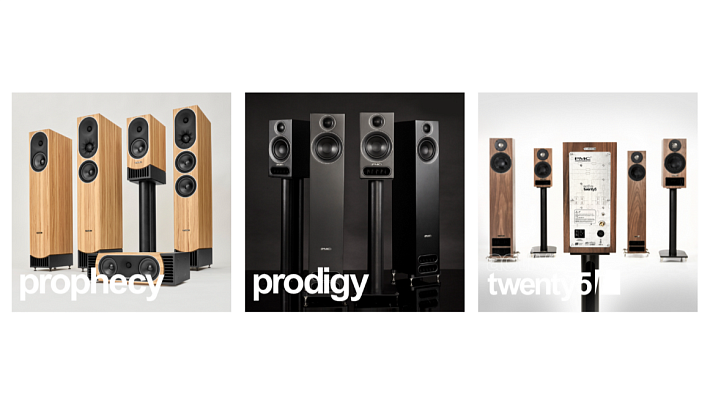
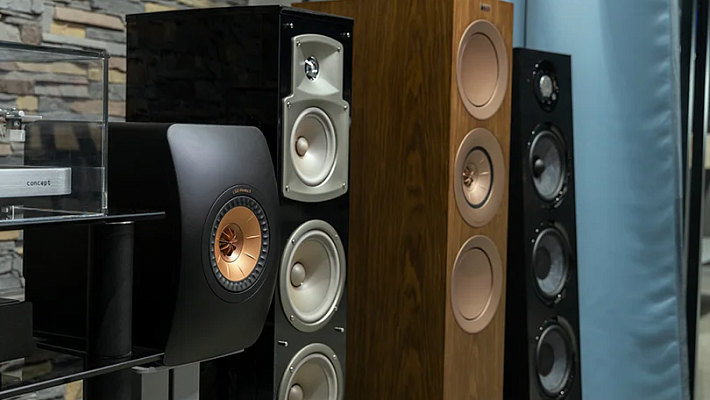
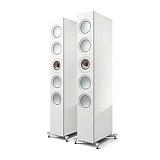
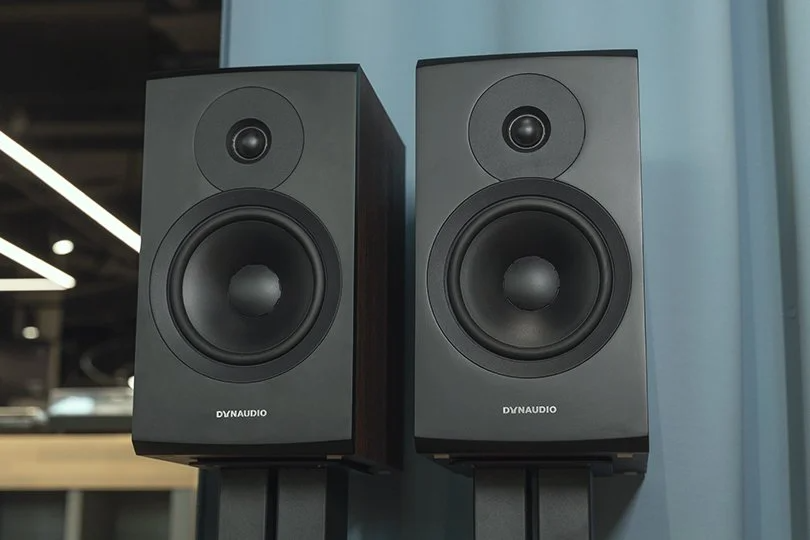
Passive speakers are the classic Hi-Fi component. They are essentially a beautifully crafted cabinet containing drivers and a crossover circuit. That's it. They have no internal power and are completely reliant on an external amplifier to make a sound. Here, you are the architect of your system.
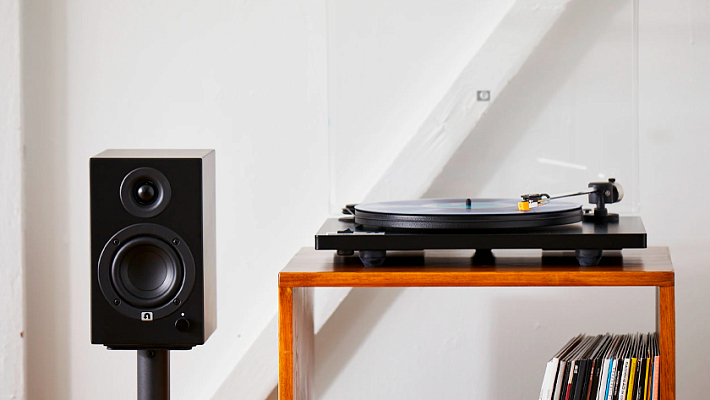
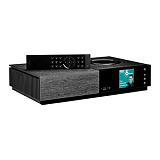
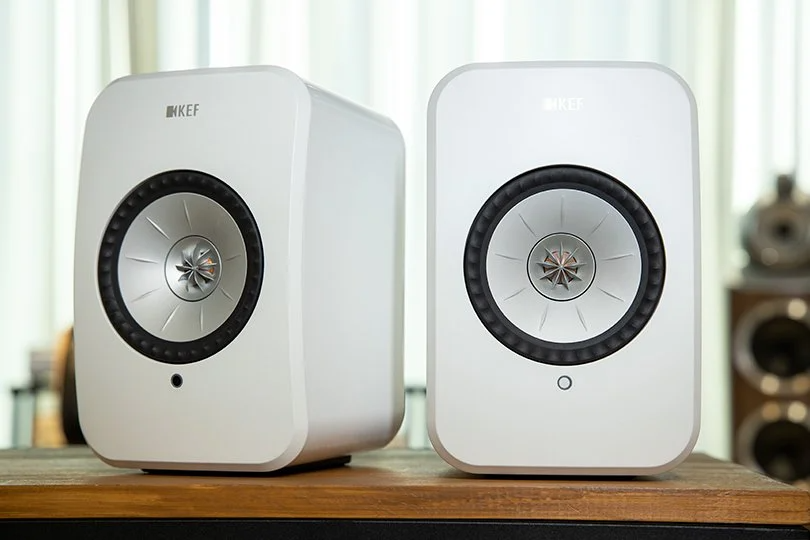
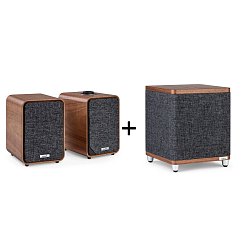
Active speakers are a self-contained ecosystem. They have amplifiers, and often a DAC and a streamer, built directly into the speaker cabinet. They are a complete sound system in a pair of boxes. All they need is a power cord and a source.
| Passive Speakers | Active Speakers | |
|---|---|---|
| Power | Needs an external amplifier | Built-in amplifier |
| Power Cord | Not required for the speakers | Required for each speaker |
| Signal | Works with analog signal only | Works with analog & digital signals (built-in DAC) |
| Flexibility | High (you can upgrade any component) | Low (all-in-one system) |
Now, let's dive deeper into their pros and cons.
Passive Speakers: The Tinkerer's Dream
Pros
The Joy of Experimentation
This is the biggest draw: passive systems are a playground. The sound character will change every time you connect a different amplifier. A ROTEL amp will sound different from a Marantz. The speaker cables you choose will make a difference. You can upgrade your source, your amp, or your speakers independently over time, constantly refining your sound. It's a journey.
Future-Proofing Your Setup
Passive speakers don't have digital components that become obsolete. Bluetooth codecs, streaming tech, and DAC capabilities evolve every year. A state-of-the-art active speaker today might feel dated in ten years. A great pair of passive speakers is an investment for decades. There's simply nothing in them to go out of style.
The Price (Sometimes)
A pair of passive speakers is generally more affordable than its active equivalent because you're not paying for the built-in electronics. If you already own an amplifier you love, this is the more cost-effective path.
Cons
Complexity
You can't just plug your passive speakers in and go; you need to carefully match them with an amplifier, considering impedance and power. Get it wrong, and you won't get the best sound — or worse, you could damage your gear.
Space Investment
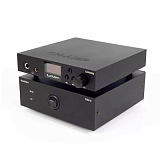
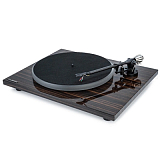
An amplifier, a preamp, a streamer, a turntable... A classic Hi-Fi system requires a dedicated rack and can take up significant space. And let's not forget the cables, because those want to have a piece of your land, too.


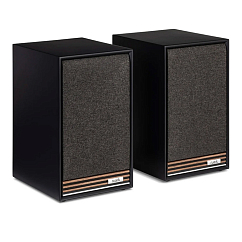


Connection method: bluetooth
Mount type: body
The highest frequency, kHz: 16

Brand: Sonus Faber
: 37
Connection method: bi-amp, bi-wiring

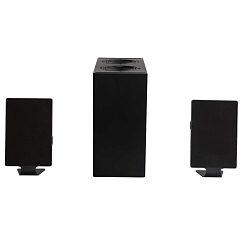
Connection method: bluetooth
Mount type: body
The highest frequency, kHz: 18
Active Speakers: The All-in-One Powerhouse
Pros
Everything in One Box
This is the ultimate plug-and-play experience. You get your speakers, amplifier, DAC, Bluetooth, and sometimes even a phono stage for your turntable, all in one package.
Simplicity and Ease of Use
Active speakers are ready to go right out of the box. Modern wireless models don't even need a cable connecting the two speakers. You get incredible, high-resolution sound with zero clutter.
Perfect Synergy
The manufacturer has done all the hard work for you. The built-in amplifiers are perfectly matched to the drivers, ensuring you get the absolute best performance possible from that specific design. There's no guesswork and very little risk of mismatched components.
Cons
Power Outlet Usage
Each active speaker needs to be plugged into the wall. If you're building a multi-channel home theater with active speakers, you're going to need a lot of sockets. And we do mean a lot.
Tricky Repairs
If a built-in amplifier fails, the repair can be complex and expensive. You can't just swap out the amp like you can in a passive system: you’re dealing with a complex entity where everything is interconnected.

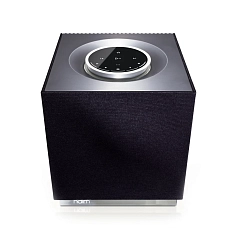


Brand: Focal
: 44
Connection method: hdmi, optical, rca, usb-a, rj45, bluetooth, wifi

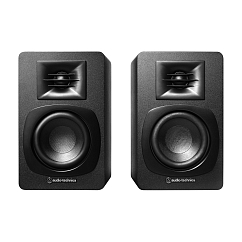
Bluetooth version: 5.3
Cable included: yes
Charging connector: DC-IN
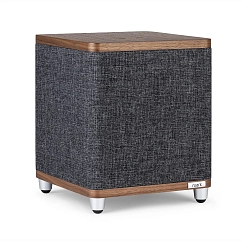
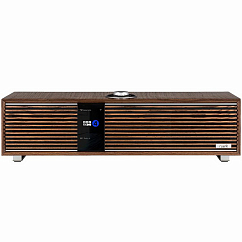
Connection method: wifi, rj45
Phase Inverter location: below
The highest frequency, kHz: 22
Which Tribe Should You Join?
The choice comes down to your philosophy as a listener.
If you are a modern user who primarily listens to digital sources like streaming services or your PC, and you value convenience, simplicity, and a clutter-free space, then active speakers are your best bet. You belong to the tribe of modernists.
If you are a classic Hi-Fi enthusiast, a lover of analog sound, and someone who enjoys the process of building and upgrading a system over time, then a passive system is your world. You belong to the tribe of traditionalists.
But as always, the best way to know for sure? Come to our Dubai showroom, where you can experience both philosophies in our dedicated listening rooms. Our experts will help you find the perfect sound for your life, whichever tribe you belong to.