



















Speakers 101: How to Choose the Perfect Audio System for Your Room
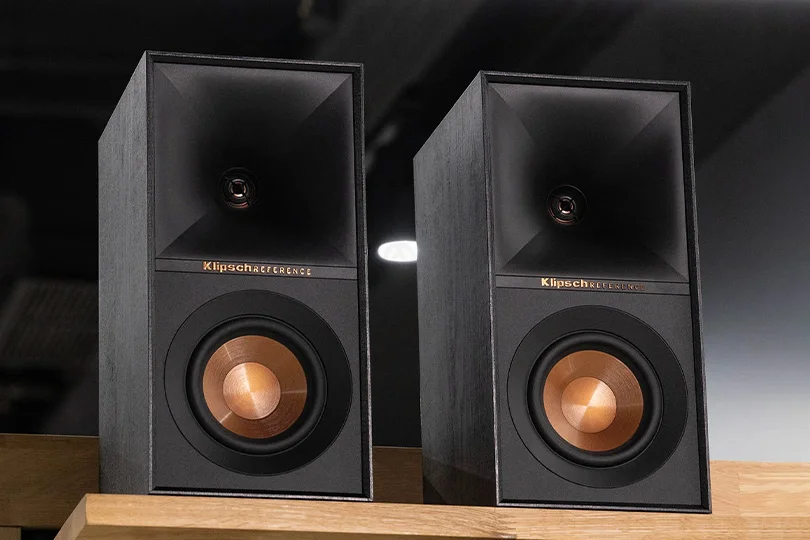
A speaker is a magical device. It takes a silent electrical signal and transforms it into the physical emotion of your favorite song. Without it, your phone, TV, or expensive turntable are mute.
But when you look at the specs, it can get confusing fast. What is a "Bass Reflex"? Do you need 50 Watts or 200 Watts? Why do some speakers cost $100 and others $10,000?
In this guide, we will strip away the jargon. We will explain how speakers work, the difference between the designs, and how to pick the right one for your apartment or villa.
Contents
What is Inside the Box?
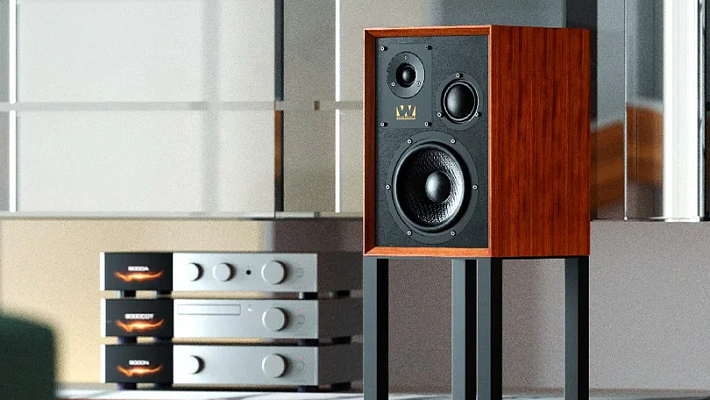
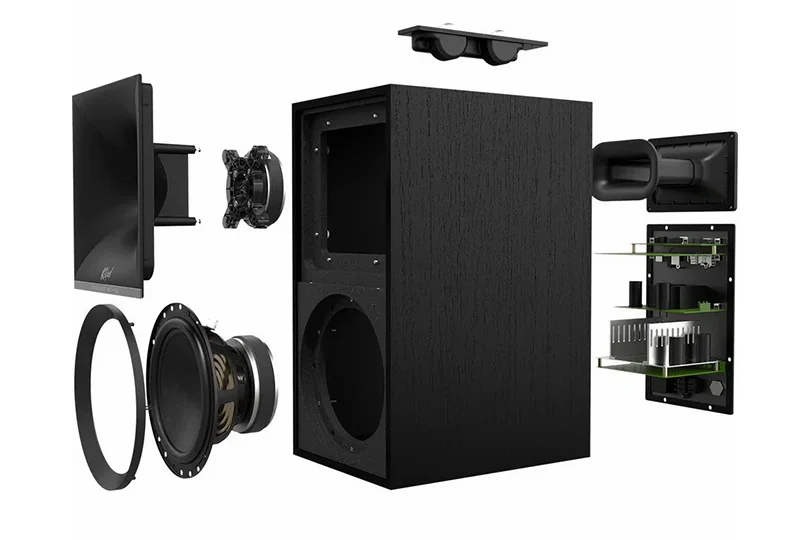
To understand sound, you need to know the players. Most speakers consist of Drivers (the round things that move) and the Cabinet (the box).
The Drivers
A single driver cannot play every sound perfectly. That is why Hi-Fi speakers usually split the job between specialized drivers:
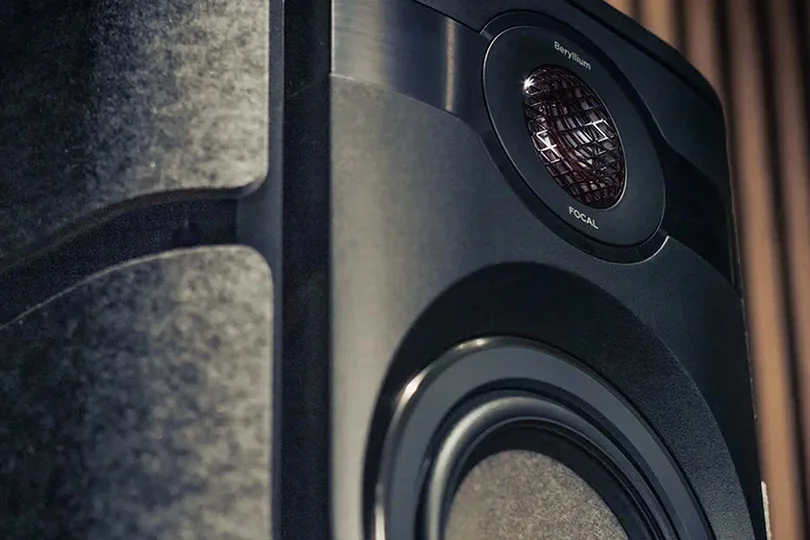
- Tweeters (High Frequency): Small domes (10–30mm). They handle the details — female vocals, cymbals, the "air" in the recording.
- Mid-range (Mid Frequency): Medium cones (50–130mm). They cover the most critical part of the spectrum: human voices and most instruments, like guitars and pianos.
- Woofers (Low Frequency): Large cones (100–300mm). They move a lot of air to create deep, thumping bass.
The Cabinet
The box isn't just for looks; it dictates the physics of the sound.
The Sealed Box (Acoustic Suspension)
A completely airtight box. The air inside acts like a spring, controlling the woofer.
- The Sound: Tight, fast, and very accurate bass.
- Best For: Jazz, Classical, and critical listening where detail matters more than earth-shaking rumble.
The Bass Reflex (Ported)
The most common design today. It features a hole (aka port) on the front or back.
- The Sound: The port resonates to boost the bass output. You get louder, deeper bass with less amplifier power.
- Best For: Rock, Pop, Electronic music, and Home Cinema.
Active vs. Passive: The Great Debate
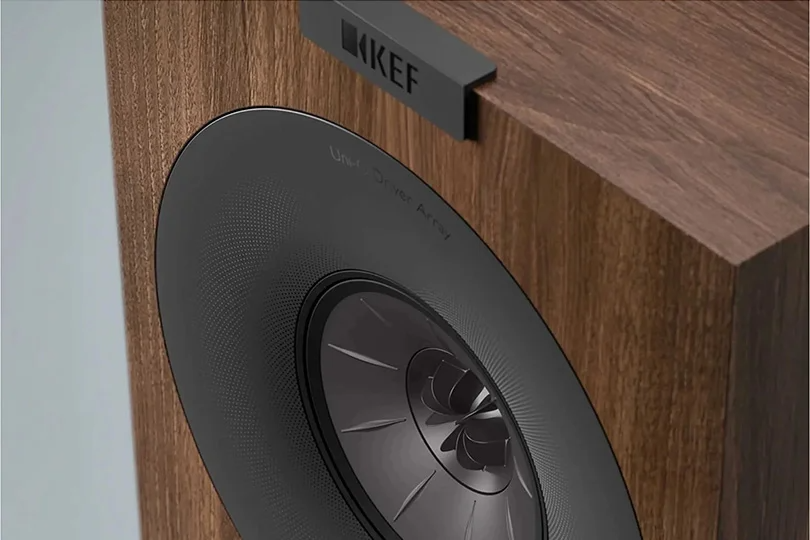
This is the big decision you need to make. We’ll cover it here quickly, but make sure to check out our dedicated guide on Active vs. Passive speakers.
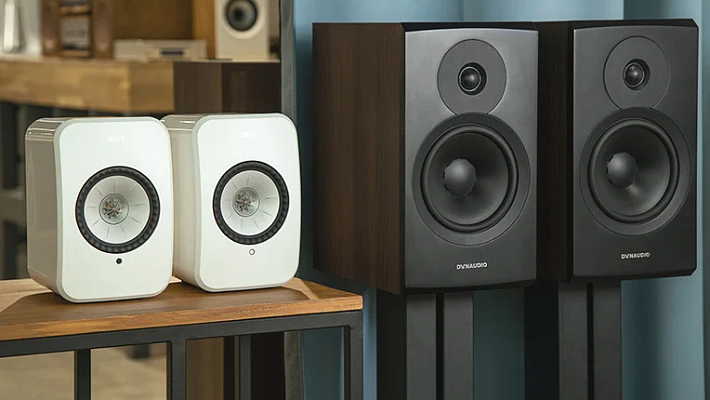
Active Speakers
The amplifier is built inside the speaker. You plug them into a wall outlet and connect your phone or TV directly.
- Pros: Simple, compact, "all-in-one" solution. Great for beginners.
- Cons: Hard to upgrade later, as you can't just swap the amp.

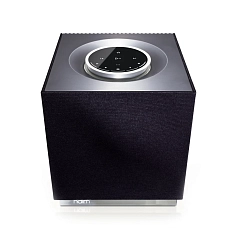


Brand: Focal
: 44
Connection method: hdmi, optical, rca, usb-a, rj45, bluetooth, wifi

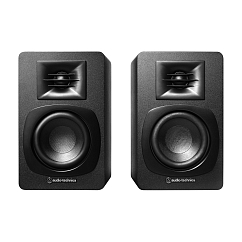
Bluetooth version: 5.3
Cable included: yes
Charging connector: DC-IN
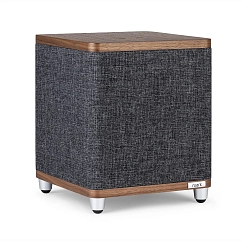
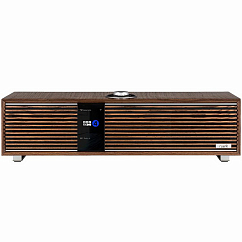
Connection method: wifi, rj45
Phase Inverter location: below
The highest frequency, kHz: 22
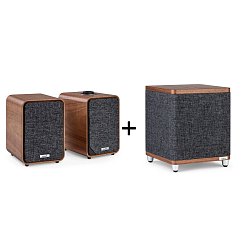
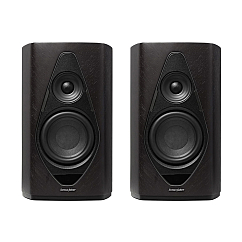
Connection method: bluetooth, wifi, rj45, hdmi
Max SPL, dB: 105
Number of lanes: two-lane

Connection method: bluetooth, wifi
Type of speakers: active bookshelf
Alarm clock: yes
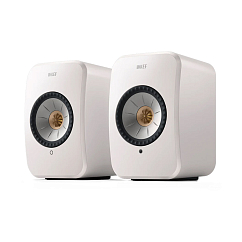
Brand: KEF
: 32
Connection method: bluetooth, wifi, rj45, optical, usb, 3.5
Passive Speakers
The traditional Hi-Fi route. These connect to a separate external amplifier via speaker cables.
- Pros: You can upgrade components like the amp and DAC separately. Generally offer better sound quality at the high end.
- Cons: Requires more gear and cables.


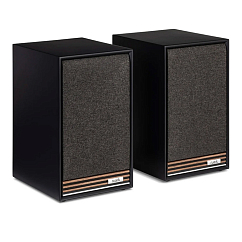


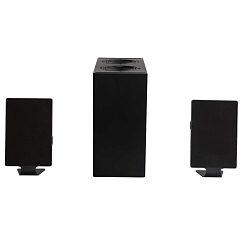
Connection method: bluetooth
Mount type: body
The highest frequency, kHz: 16

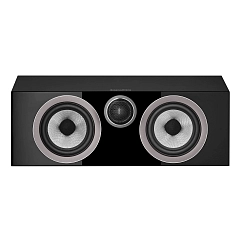
Brand: Sonus Faber
: 37
Connection method: bi-amp, bi-wiring

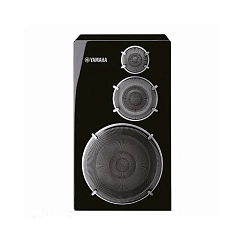
Connection method: bluetooth
Mount type: body
The highest frequency, kHz: 18

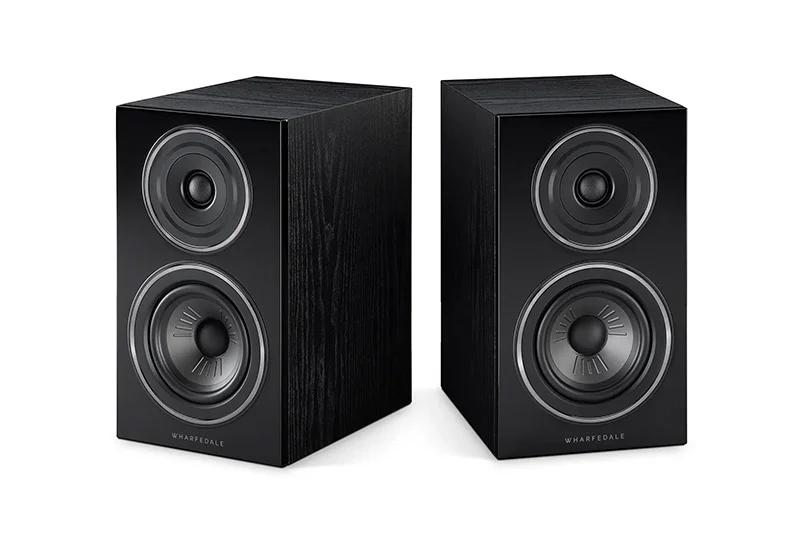
Brand: Bowers & Wilkins
: 46
Connection method: bi-amp, bi-wiring
How to Choose Based on Your Room
Buying a massive speaker for a small room will sound boomy and muddy. Buying a small speaker for a huge hall will sound thin and weak. So, the question is, how do you balance it all out?
Power & Size Guidelines
- Small Room (Bedroom / Home Office, 10–15 sq.m):
- Power: 20–50 Watts per channel.
- Choice: Bookshelf speakers.
- Medium Room (Living Room / Majlis, 15–25 sq.m):
- Power: 50–100 Watts per channel.
- Choice: Large bookshelf speakers or compact floorstanders.
- Large Room (Open Plan / Villa Hall, 40+ sq.m):
- Power: 200+ Watts per channel.
- Choice: Large floorstanding speakers with multiple woofers.
Pro-Tip for Dubai homes: If you have marble/tile floors and glass windows, your room is "reflective." This makes sound harsh.
To avoid this, use rugs and curtains to dampen the sound, or choose speakers with a "warmer" sound signature to balance the brightness.
The Verdict
Choosing speakers is a balance of physics and emotion.
- Want convenience? Go Active.
- Want scalability and hobbyist fun? Go Passive.
- Want accuracy? Look for Sealed cabinets.
- Want party vibes? Look for Bass Reflex.
But specs only tell half the story. The best way to choose is with your ears.
Come to the Dr.Head showroom in Dubai. We have a dedicated listening room where you can test active and passive systems from various brands side by side and find the sound that gives you goosebumps.