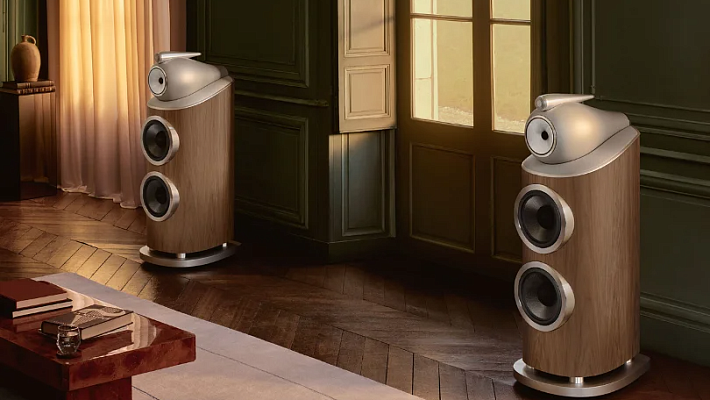














Soundbar vs. Speakers: What’s Best for Movies, Music, and Home Theater?
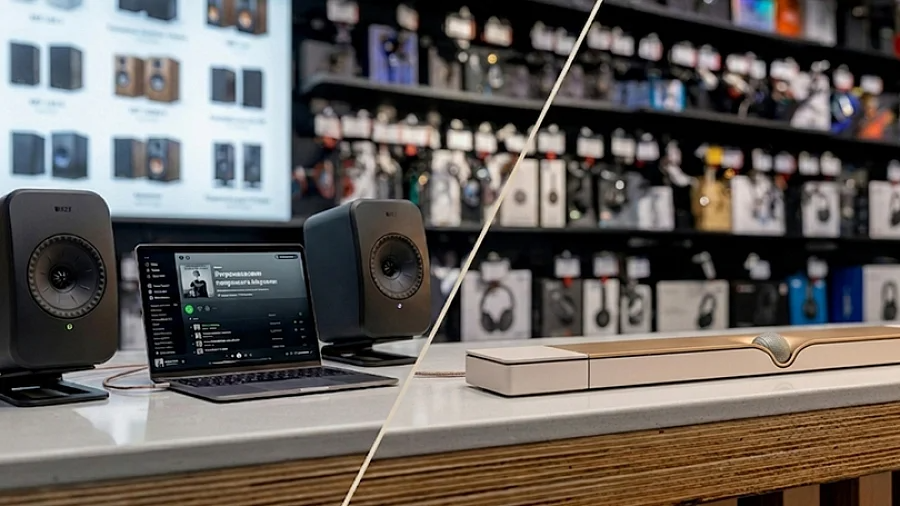
When you buy a good TV, the picture looks amazing. But the moment you start a movie, built-in TV speakers instantly break the illusion: dialogue is muffled, explosions sound flat, and music turns into a muddy background noise. Upgrading to external sound is essential, but a major question pops up immediately: should you get a soundbar or a pair of stereo speakers?
Both options promise great sound and often cost about the same in the mid-range segment, but they work entirely differently and solve different problems. Let's break down what each format actually delivers for watching films and listening to music.
Contents
Expectations vs. Reality
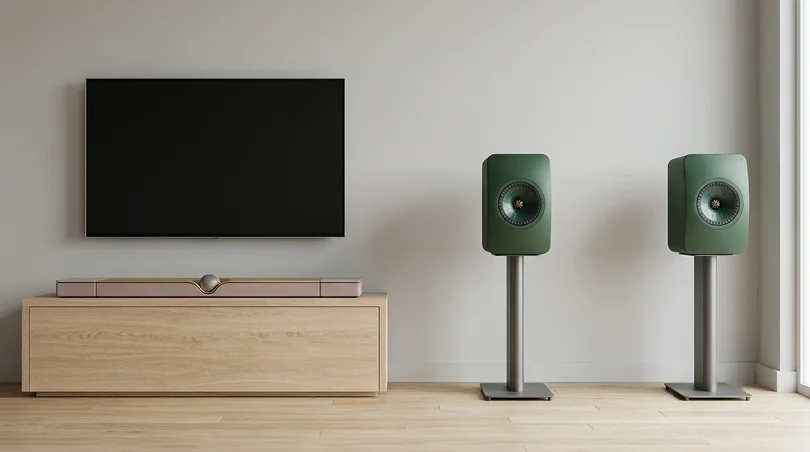
Most people imagine audio upgrades are plug-and-play. In reality, it takes a bit more thought.
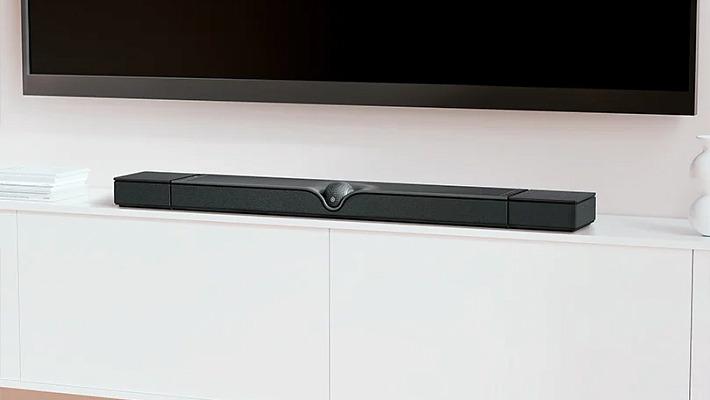
Soundbars are sleek: a single compact bar sits right under the TV, requiring minimal cables and connecting quickly via HDMI or Bluetooth. They are compact by design, meaning all drivers live in one chassis, making it impossible to physically widen the soundstage between them.
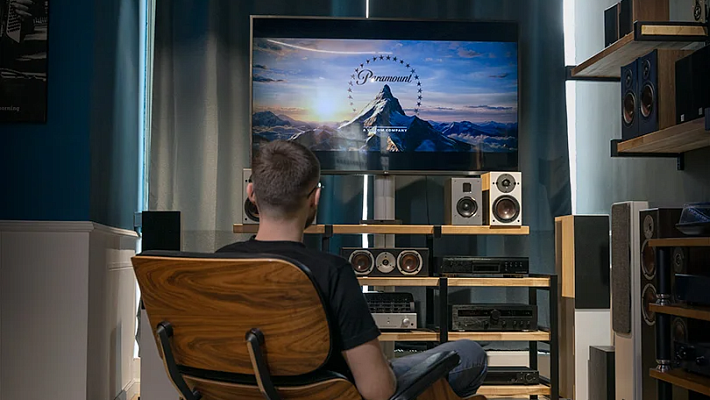
A pair of speakers demands more attention: finding space, positioning them in the room, connecting them to an amplifier or receiver, and dialing in the placement. Speakers stand apart, reproducing each channel independently for a much more natural sound picture.
Ultimately, "better" depends completely on your lifestyle. If you want seamless TV dialogue in a compact room, that's one goal. If you want to pick apart every instrument in a complex track, that's another.
Movie Night: Soundstage, Width, & Immersion
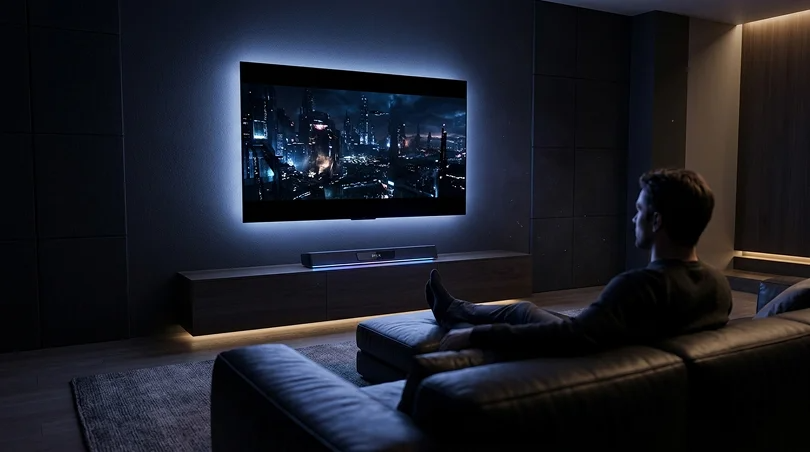
Great cinema audio relies on space. A jet flying overhead, footsteps moving across the room, or rain blanketing the entire space make a movie truly gripping.
A pair of speakers creates a physical soundstage naturally: the left speaker handles the left channel, the right handles the right, and sound moves smoothly between them without extra processing.
Soundbars simulate space via digital signal processing (DSP), Dolby Atmos, and side-firing drivers. In smaller rooms, nearby walls help bounce these reflections to wrap sound around you, while Dolby Atmos height channels handle overhead effects like thunderstorms.
There’s one caveat to keep in mind here: in spacious, open-concept rooms with soft furnishings, virtual surround effects tend to scatter and lose precision. Traditional stereo remains far more reliable: no matter your room's layout, the left channel stays left, and the right stays right.
For movies with heavy atmospheric effects, an Atmos soundbar shines under the right conditions; for absolute stability, stereo speakers win.
Music Performance: Stereo & Detail
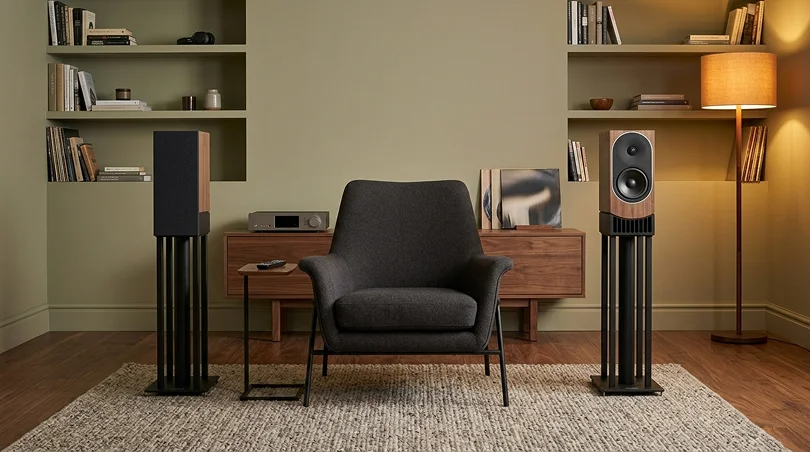
Music is mixed in stereo. Sound engineers pan vocals to the center, guitars slightly right, and synths left. You only hear that original artistic intent if your speakers reproduce channel separation accurately.
Stereo speakers play music unassisted — each cabinet handles its own dedicated channel, allowing vocals to lock into the center stage and instruments to occupy precise physical space.
Soundbars crunch both channels inside a single housing, using DSP algorithms to artificially widen the audio. While great for movies, this often blurs instruments, narrows the soundstage, and buries fine details in music.
If you listen casually or stream pop playlists, the difference is minor. If you sit down for active listening sessions to appreciate the recording space, traditional stereo is a massive step up.
Room Acoustics & Placement
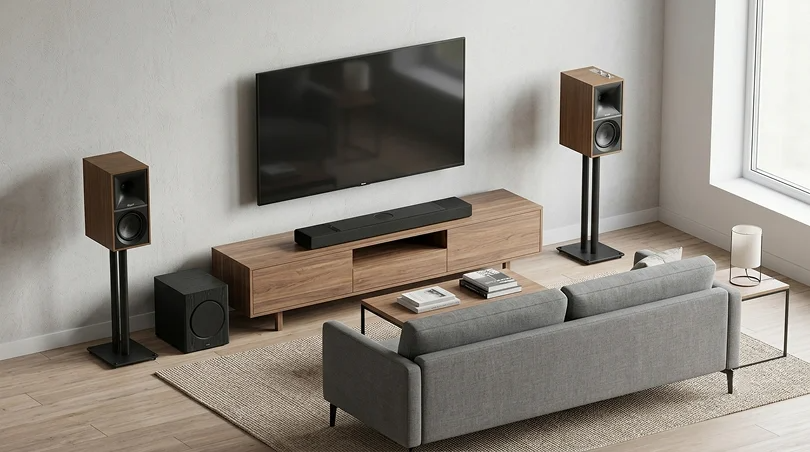
Your room dictates sound quality just as much as your gear.
- Small rooms (up to 15–18 square meters): Soundbars thrive here because close walls assist virtual surround algorithms, filling the space effectively.
- Larger living rooms: Soundbar virtual immersion begins to diffuse, whereas a properly placed pair of speakers holds a stable, robust soundstage.
Stereo speakers rely on the "listening triangle" (an equilateral triangle between the speakers and your listening position) to lock in focus, requiring space and stands rather than just sitting flat under a TV.
Dialogue Clarity in Film
Have you ever cranked up the volume during a quiet, tense movie scene just to understand whispered dialogue, only to be blasted by a sudden explosion?
Soundbars excel here because most include a dedicated center channel or vocal enhancement modes that isolate and lift dialogue frequencies above background noise.
Stereo speakers rely on a "phantom center" between the two speakers. While great for quiet scenes, dialogue can occasionally get lost during dense, effects-heavy cinematic sequences.
If movies and TV shows are your primary priority, soundbars hold a natural advantage in speech clarity.
Bass & Subwoofers
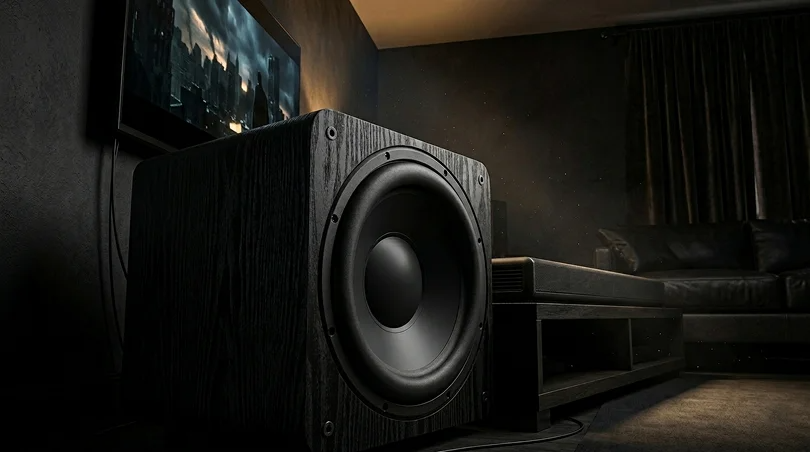
Explosions need to be felt, not just heard. Many soundbars include a wireless subwoofer to add low-end depth, though compact bundled subs often feel more like "extra bottom-end volume" than tight bass control.
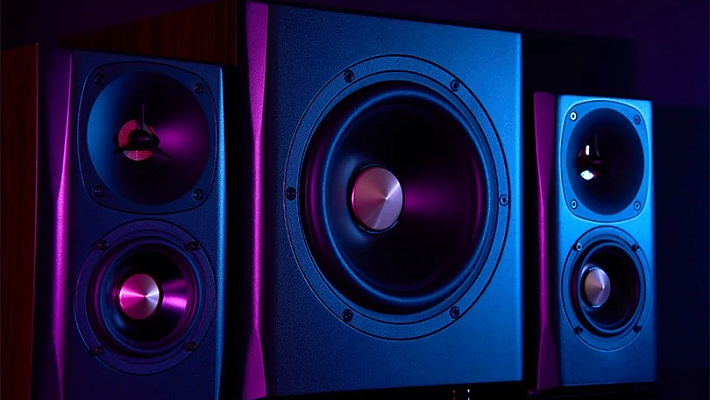
A pair of speakers paired with a dedicated standalone subwoofer allows precise tuning (crossover, phase, and level adjustments) for punchy, tightly controlled bass that doesn't bleed across the room.
Convenience, Space, & Aesthetics
Soundbars offer ultimate simplicity: one clean bar, zero cable clutter, quick HDMI/Bluetooth pairing, and a neutral look that blends into any living room interior.
Stereo speakers require dedicated space, stands or shelves, an external amplifier or active power, and careful positioning. They make a bold aesthetic statement that doesn't fit every minimalist home.
When a Soundbar Wins
- Small rooms or studio apartments: Compact footprints and wall reflections work to your advantage.
- Plug-and-play simplicity: No complex receiver setup or acoustic geometry calculations required.
- Dialogue-heavy viewing: Perfect for standard TV shows, news, and YouTube where clear speech matters most.
- Casual background music: Great for streaming playlists while cooking or hosting dinner.
- Wireless ecosystems: Easy multi-room streaming via Bluetooth and Wi-Fi.



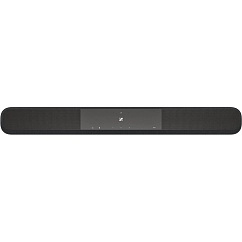
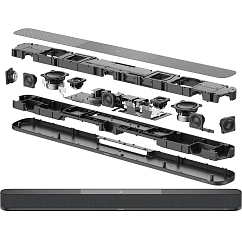
Sennheiser Ambeo Soundbar Mini SB02S black
AirPlay support: yes
Audio return channel: eARC
Bluetooth version: 5.0
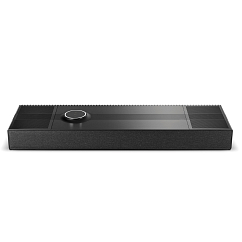
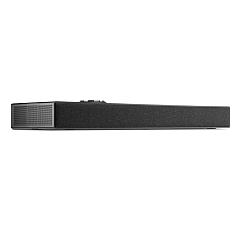
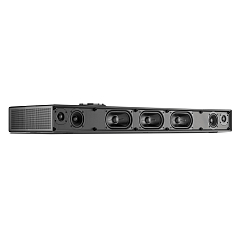
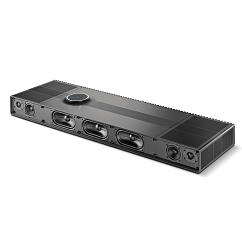
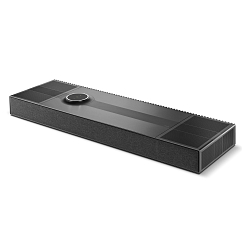
Focal Mu-So Hekla Black
Cable included: yes
Codec support: AAC, SBC
Internal microphone: yes
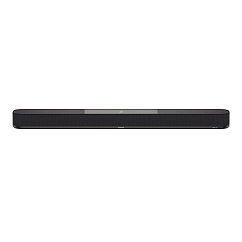
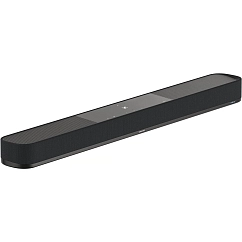
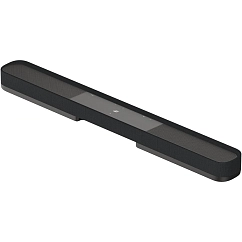
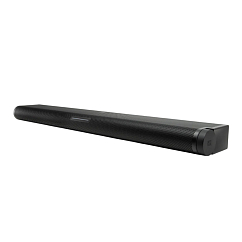
Sennheiser AMBEO Soundbar Plus SB02M black
AirPlay support: yes
Audio return channel: eARC
Bluetooth version: 5.0
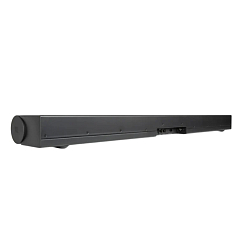
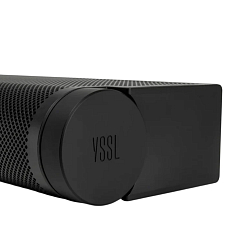
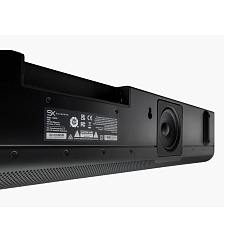
VSSL SX Soundbar Black
AirPlay support: yes
Audio return channel: eARC
Bluetooth version: 5.0
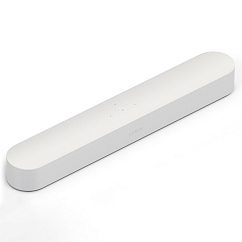
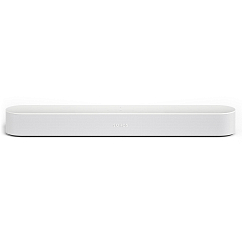
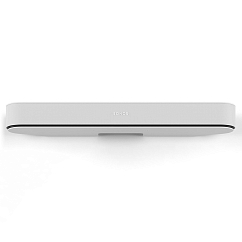

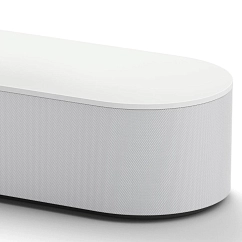
Sonos Beam Gen 2 (UK Plug) White
AirPlay support: yes
Audio return channel: eARC
Brand: Sonos



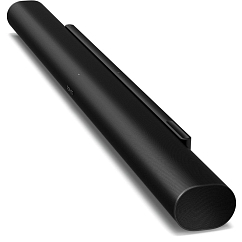
Sonos Arc Ultra Black
AirPlay support: yes
Audio return channel: ARC
Bluetooth version: 5.3

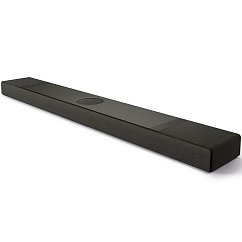
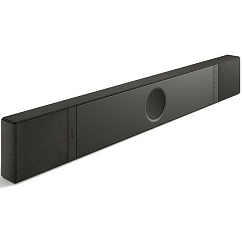


KEF XIO Black
AirPlay support: yes
Audio return channel: eARC
Bluetooth version: 5.3
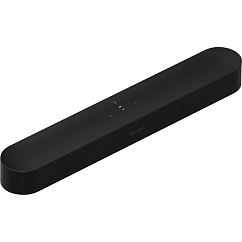
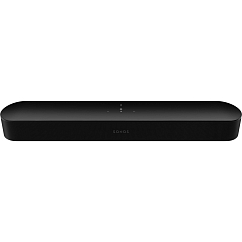
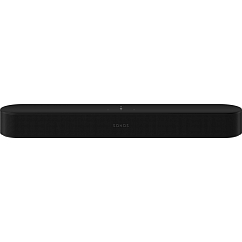
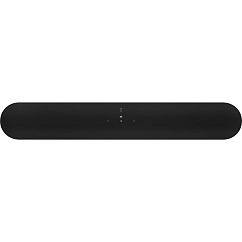
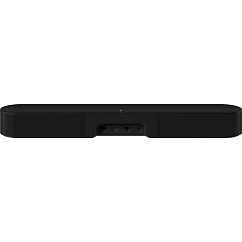
Sonos Beam Gen 2 (UK Plug) Black
AirPlay support: yes
Audio return channel: eARC
Brand: Sonos

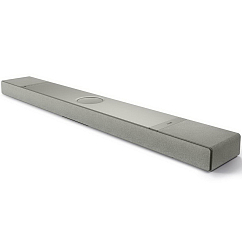

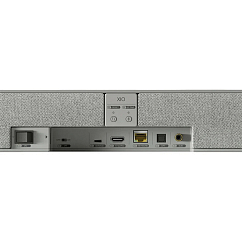

KEF XIO Grey
AirPlay support: yes
Audio return channel: eARC
Bluetooth version: 5.3

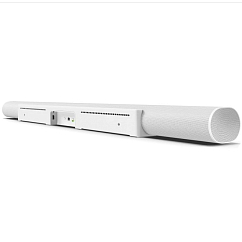



Sonos Arc Ultra White
AirPlay support: yes
Audio return channel: ARC
Bluetooth version: 5.3
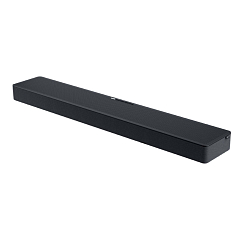
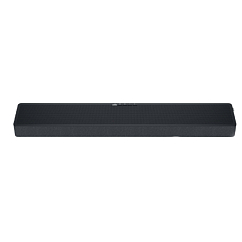

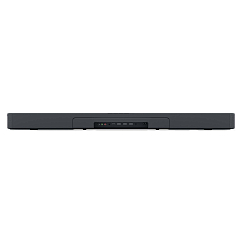
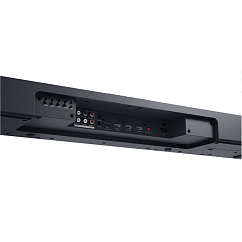
Loewe Klang Bar3 mr Basalt Grey
AirPlay support: yes
Audio return channel: eARC
Bluetooth version: 5.0

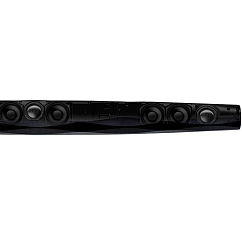

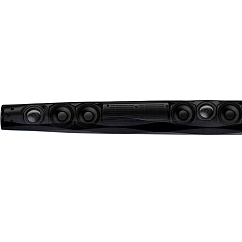
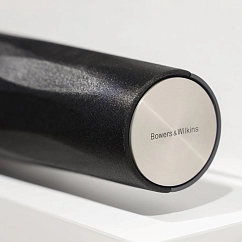
Bowers & Wilkins Formation Bar
AirPlay support: yes
Bluetooth version: 4.1
Brand: Bowers & Wilkins
When Speakers Win
- Critical music listening: Uncompromised stereo separation, instrument spacing, and detail retrieval.
- Medium-to-large rooms: Real physical spacing creates a natural, expansive soundstage.
- Cinematic immersion: A proper stereo setup with a dedicated sub offers organic dynamics for full-length films.
- An upgradable path: Systems grow with you — swap amps, add subwoofers, or upgrade components down the line.
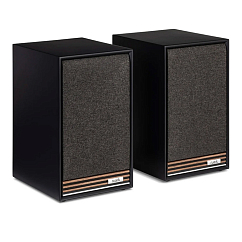


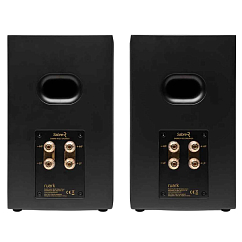
Ruark Sabre-R Charcoal
Brand: Ruark
: 46
Connection method: bi-amp, bi-wiring



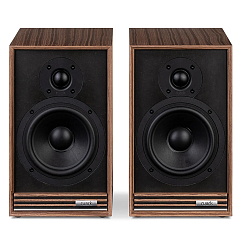

Ruark Sabre-R Fused Walnut
Brand: Ruark
: 37
Connection method: bi-amp, bi-wiring

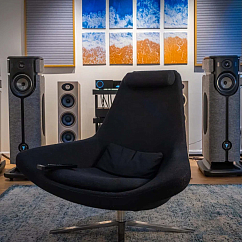

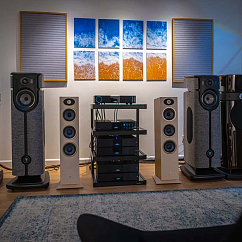
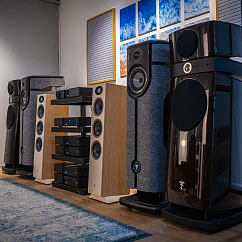
Focal DIVA Utopia
Brand: Focal
: 44
Connection method: hdmi, optical, rca, usb-a, rj45, bluetooth, wifi
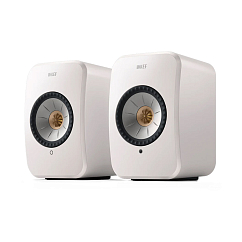
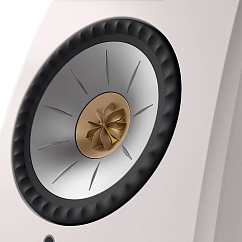



KEF LSX II Mineral White
Brand: KEF
: 32
Connection method: bluetooth, wifi, rj45, optical, usb, 3.5
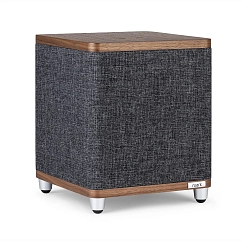

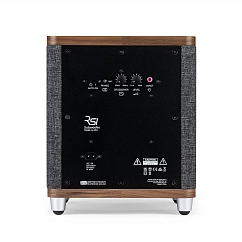
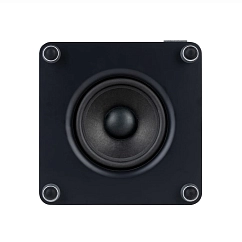

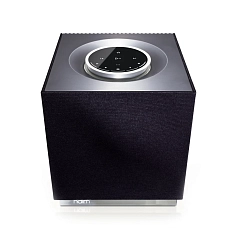



Naim Mu-So QB 2nd Generation
Connection method: wifi, 3.5, optical, rj45
Number of lanes: three-lane
Phase Inverter location: on the side



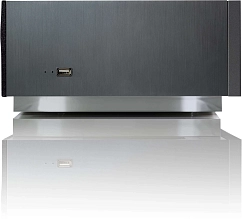

Naim Mu-So 2nd Gen Black
Connection method: 3.5, optical, hdmi, rj45, usb-a
Impedance, Ohms: 6
Number of lanes: three-lane
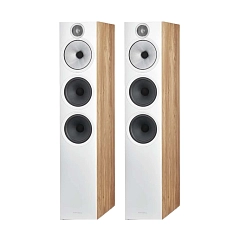
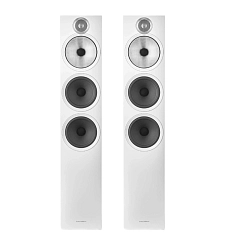
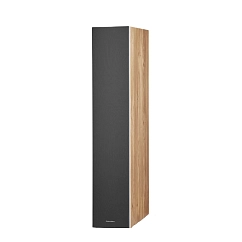

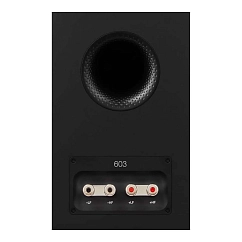
Bowers & Wilkins 603 S3 Oak
Brand: Bowers & Wilkins
: 37, 32
Connection method: bi-amp, bi-wiring
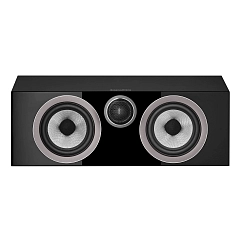
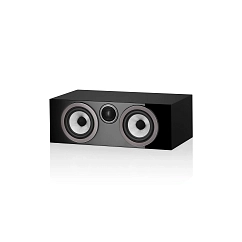
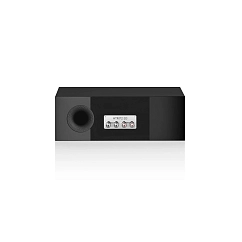
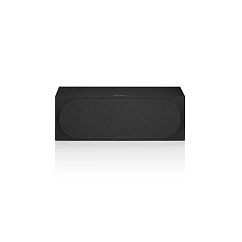

Bowers & Wilkins HTM72 S3 Gloss Black
Brand: Bowers & Wilkins
: 46
Connection method: bi-amp, bi-wiring


KEF LSX II Cobalt Blue
Brand: KEF
: 45
Connection method: wifi, bluetooth, optical, rj45, 3.5, usb, hdmi

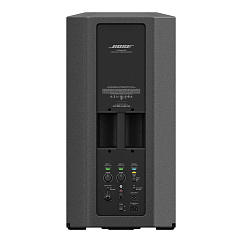
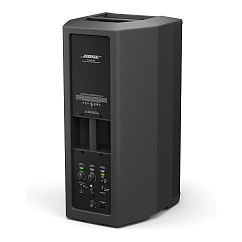
Bose F1 Model 812 Flex Array Loudspeaker Black
Brand: Bose
: 46
Connection method: 3.5mm jack, xlr, rca
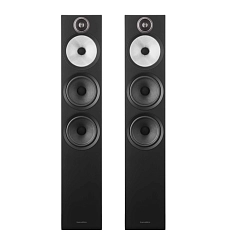
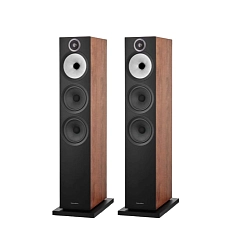

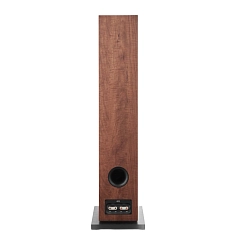

Bowers & Wilkins 603 S3 Cherry
Brand: Bowers & Wilkins
: 37, 46
Connection method: bi-amp, bi-wiring
The Verdict
Soundbars are convenient, space-saving, and brilliant at anchoring movie dialogue. Stereo speakers reign supreme in musicality, offering pinpoint soundstages and natural acoustic scale.
The right choice comes down to your room size, media habits, and willingness to handle placement. Stop by the Dr.Head showroom in Dubai, and our experts will help you find soundbars, stereo pairs, and subwoofers tailored to your exact budget and living space.