











A Whirlwind History of Headphones, From Operator Headsets to AirPods
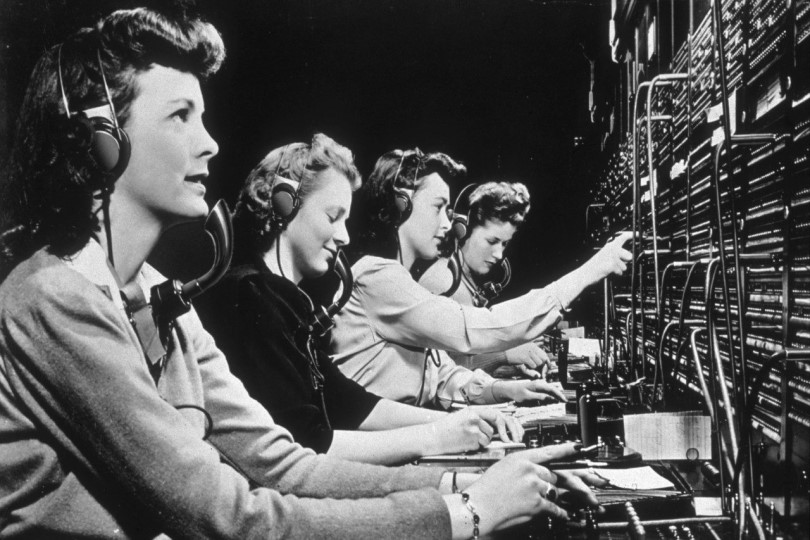
Unlike the phonograph, headphones don't have a single inventor. Instead, their story is one of constant tinkering, breakthroughs, and evolution that started way back in the late 19th century. Early models were heavy, awkward, and sounded pretty awful (and mono only!). But from those humble beginnings came the incredible Hi-Fi, wireless, and noise-canceling wonders we rock today.
Let's take a trip through time and hit the highlights of how headphones became the essential gadget they are now.
Contents
- Late 19th Century: The Birth of Personal Audio
- Early 20th Century: Headphones Get a Headband
- 1920s–1950s: The Dynamic Duo — Beyerdynamic & Koss
- 1960s: Radio On Your Head
- 1970s: The Walkman Revolution
- 1990s: Portability Grows, Quality Sometimes Shrinks
- 2001: Apple Changes Everything (Again)
- 2000s–Present: The Wireless Age & Beyond
Late 19th Century: The Birth of Personal Audio
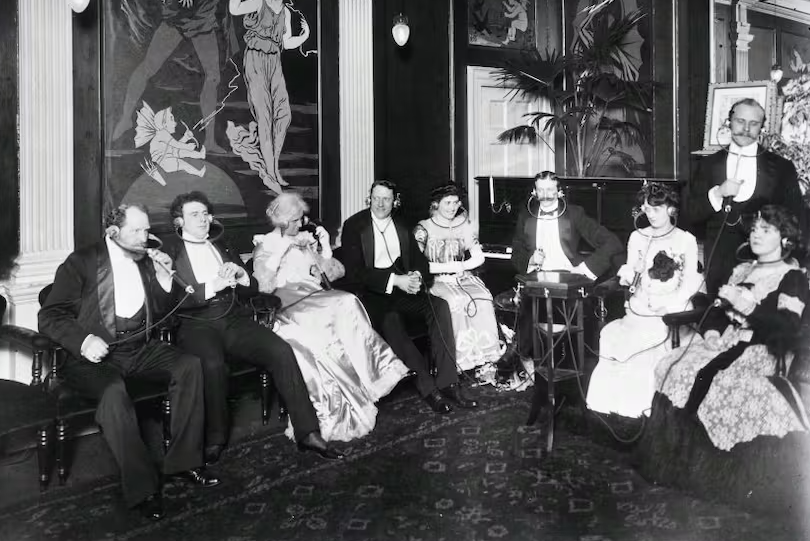
It all started with practicality. Once the first loudspeakers were invented (around 1878), it didn't take long for people to realize that one person's listening pleasure could be another's annoyance.
1880s — The Professionals: The first "headphones" weren't for music. Telephone operators started using single earpieces connected to bulky receivers (some weighing over 4 kilos and resting on the shoulder!) This let multiple operators work in the same room without chaos.
1890s — Music by Subscription: A British company called Electrophone had a wild idea: stream live opera performances from London theatres directly into subscribers' homes... via telephone lines using stethoscope-like earpieces. Sounds a lot like Spotify, right? Some ideas are truly timeless.
1891 — The First (Sort of) Earbuds: French engineer Ernest Mercadier patented the "bi-telephone," a set of tiny in-ear receivers with rubber covers for comfort. Basically, the great-great-grandfather of your modern earbuds, invented over 130 years ago!
Early 20th Century: Headphones Get a Headband
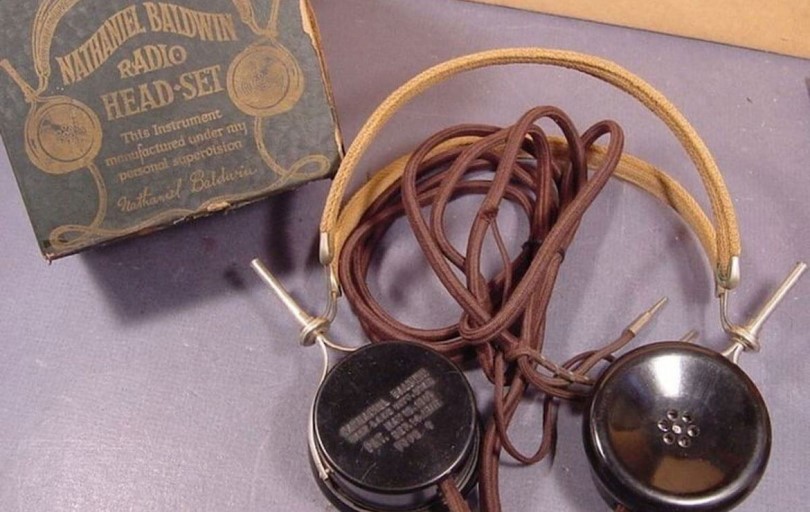
1910 — Nathaniel Baldwin's Kitchen Invention: Working out of his kitchen, Nathaniel Baldwin created one of the first recognizable pairs of modern headphones — two earcups connected by a headband. The sound was still mono, but the comfort and convenience were revolutionary. He sent a prototype to the US Navy, who loved them but were shocked to find his "factory" was literally his kitchen table. Baldwin famously refused to patent his design, thinking it wasn't significant enough. Oops. This opened the door for countless copies and, sadly, contributed to his financial ruin.
1920s–1950s: The Dynamic Duo — Beyerdynamic & Koss
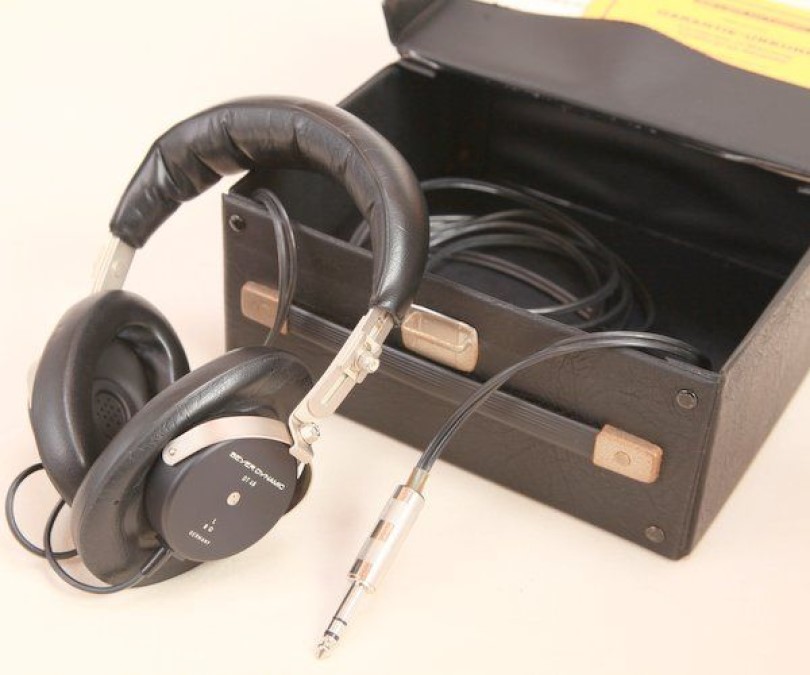
1937 — Beyerdynamic DT 48: German engineer Eugen Beyer founded his company in 1924, and by 1937, they released the DT 48 — the world's first dynamic headphones. Using a different driver technology, they offered significantly louder and better sound than earlier designs. The DT 48 was such a leap forward that, incredibly, Beyerdynamic still produces updated versions of it today.
1958 — Koss SP/3 & The Birth of Stereo: The 1950s brought rising incomes, stereo LPs, and a new desire for personal listening. American jazz musician John C. Koss seized the moment and introduced the Koss SP/3 — the world's first stereo headphones. They promised a "front-row concert experience" in your head. One problem: home stereos didn't have headphone jacks yet! Koss's next big contribution was convincing the industry to adopt standardized headphone outputs.
1960s: Radio On Your Head
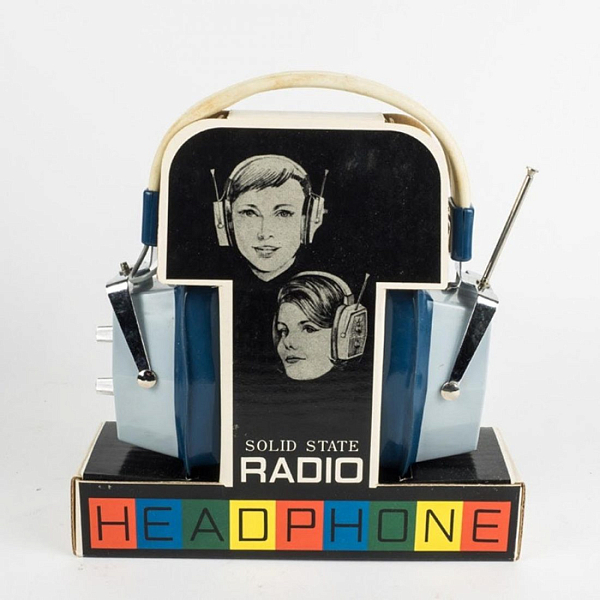
Bluetooth was decades away, but people still wanted portable tunes. With radio being the main source of music, the 1960s saw the rise of radio headphones — bulky cans with built-in AM/FM receivers and antennas sticking out! Futuristic back then, maybe a bit quirky now.
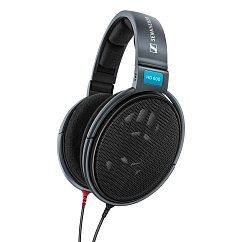
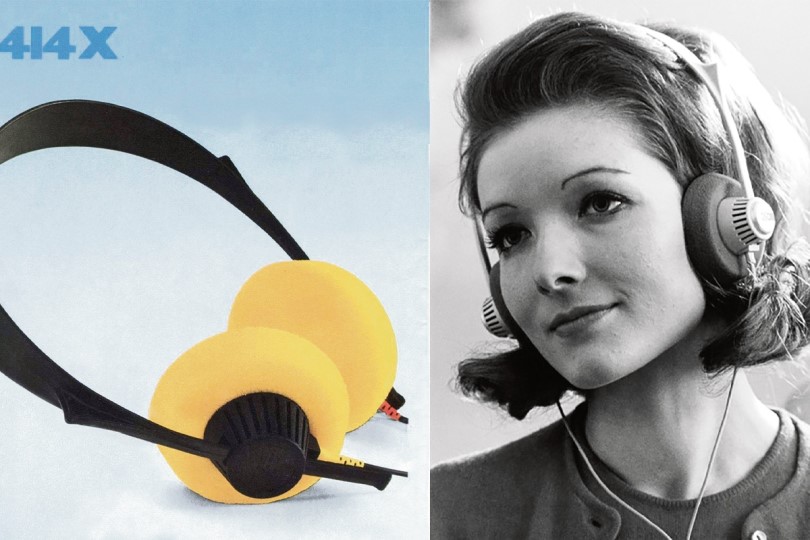
1968 — Sennheiser Goes Open: Around this time, Sennheiser launched the HD 414, the world's first open-back Hi-Fi headphones. By leaving the back of the earcups open, they eliminated internal resonances, creating a more natural, spacious, speaker-like sound. This design became hugely popular for critical listening and remains a favorite among audiophiles.
1970s: The Walkman Revolution
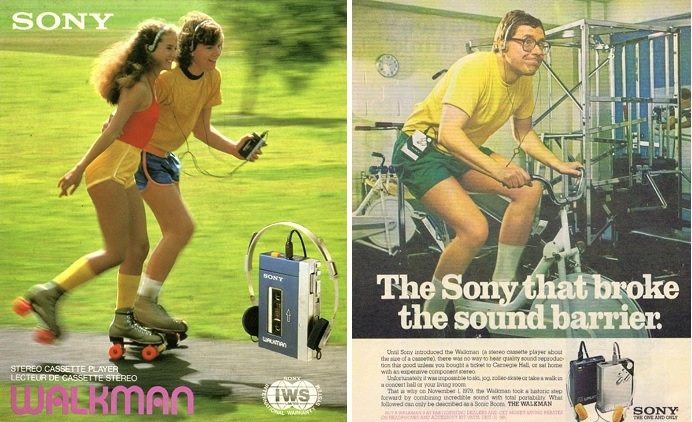
Headphones were great for private listening at home, but the real dream was taking your own music anywhere. Sony made that dream a reality in 1979 with the Walkman. This portable cassette player, bundled with small, lightweight headphones (often with those iconic foam pads), changed everything. Suddenly, personal music wasn't confined to the living room. Joggers, commuters, students — everyone could create their own soundtrack to life.
1990s: Portability Grows, Quality Sometimes Shrinks
The CD era dawned, bringing digital clarity. But the push for smaller, cheaper devices often meant compromised sound quality, especially with the bundled earbuds that came with portable CD players. Audiophiles often sought out vintage gems or stuck with quality brands. This decade also saw headphones become associated with DJs and rave culture, shifting their image from private isolation to public performance.
2001: Apple Changes Everything (Again)
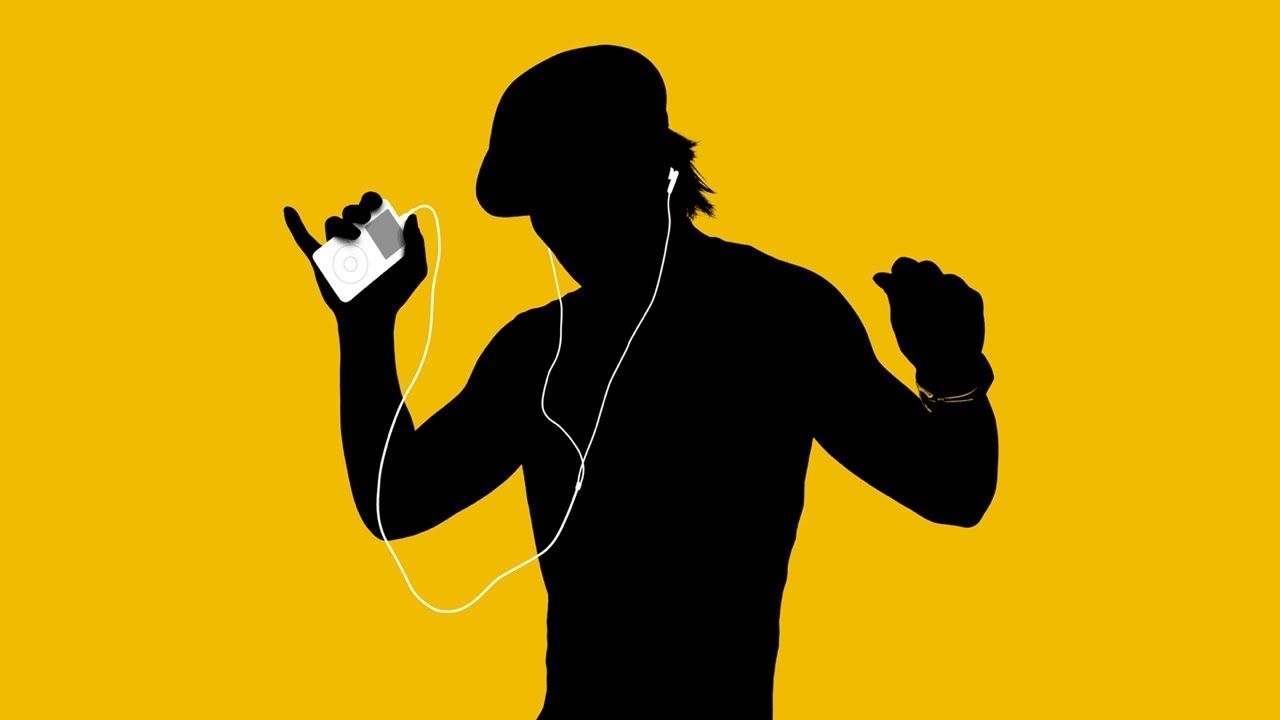
MP3 players started appearing in the late '90s, but it was Apple's iPod in 2001 that truly revolutionized digital music. Its intuitive interface was brilliant, but equally iconic were the white earbuds included in the box. Sleek, minimalist, and instantly recognizable, they became a cultural phenomenon and replaced the Walkman-style headphones for a generation.
2000s–Present: The Wireless Age & Beyond
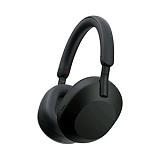
Bluetooth arrived in 1999, but early applications were clunky single-ear headsets primarily for business calls. It wasn't until the late 2000s and even early 2010s that brands like Bose and Beats started making stylish, stereo Bluetooth headphones mainstream.
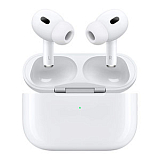
Fast forward to today, and we're in another revolution. True Wireless Stereo (TWS) earbuds have cut the last cord. Active Noise Cancellation (ANC) lets us create silent bubbles anywhere. And modern headphones are becoming sophisticated computers for our ears, integrating smart assistants, fitness tracking, and more.
From heavy shoulder-rests to intelligent hearables, the journey of headphones has been incredible. What will the next century bring? We can only muse — but if you’d like to see the finest audio tech of today, visit our Dubai showroom. We’ll be happy to show you the true masterpieces of sound that seemed unachievable even just a few years ago.
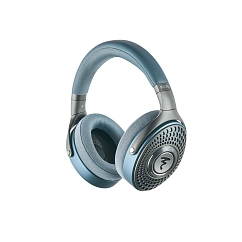
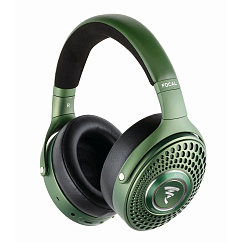
Multipoint: yes
Brand: Focal
Headphone type: wireless
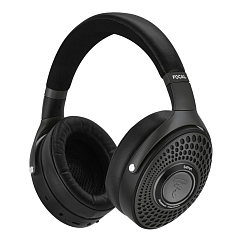


Brand: MoonDrop
Headphone type: wired
The lowest frequency, Hz: 15

Multipoint: yes
Brand: Sennheiser
Headphone type: wireless, wired
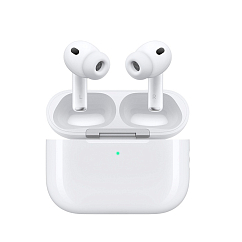
Headset type: stereo
Brand: Apple
Type of wireless headphones: True Wireless

Brand: MoonDrop
Headphone type: wired
The lowest frequency, Hz: 10

Brand: MoonDrop
Headphone type: wired
The lowest frequency, Hz: 15
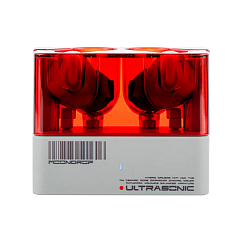
Brand: MoonDrop
Type of wireless headphones: True Wireless
Bluetooth version: 5.3
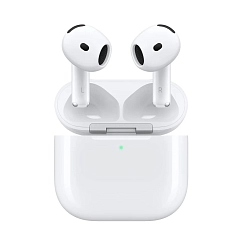
Headset type: stereo
Brand: Apple
Type of wireless headphones: True Wireless