











Wired vs. Wireless Headphones: The Ultimate Showdown (2025 Edition)
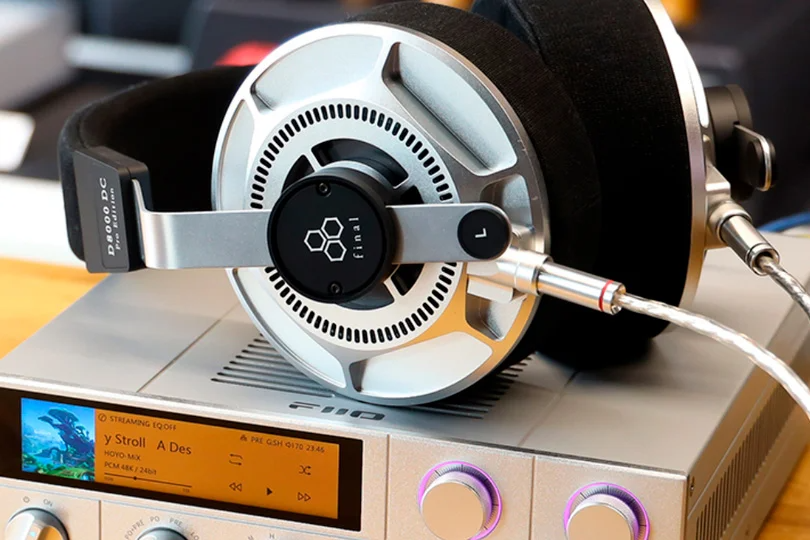
The battle still rages: the purists clinging to their cables versus the convenience-seekers cutting the cord. One side chases ultimate sound quality and reliability, the other craves freedom and noise cancellation. But is it really such a black-and-white fight?
Let's break down the real pros and cons of wired and wireless headphones to help you figure out which camp (or maybe both?) is right for you.
Contents
Wired Warriors: The Case for the Cable
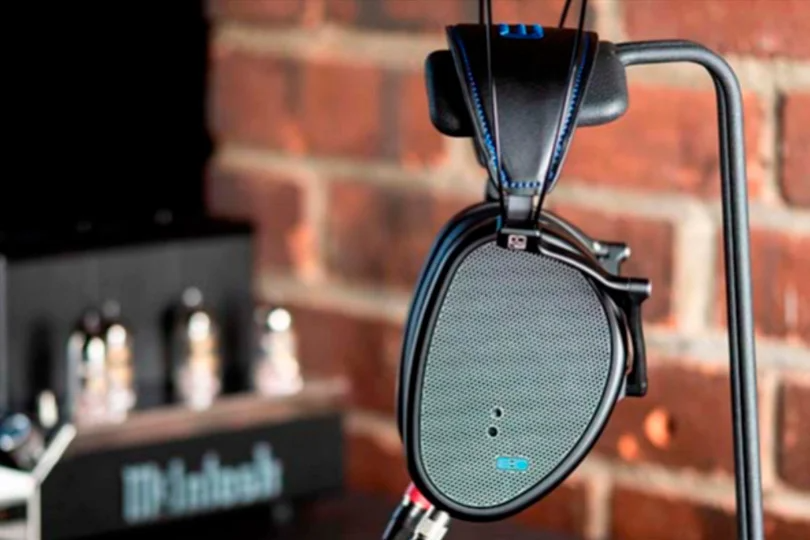
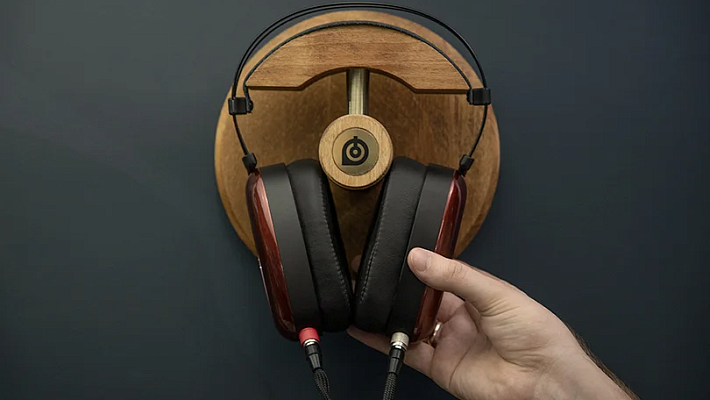
Think of classic wired headphones as the purist's tool. They're essentially tiny passive speakers for your ears. The signal flows directly from your source (phone, player, amp) through the wire to the drivers. No batteries, no complex electronics, just pure, unadulterated sound transmission.

Brand: MoonDrop
Headphone type: wired
The lowest frequency, Hz: 15

Brand: MoonDrop
Headphone type: wired
The lowest frequency, Hz: 15
Brand: MoonDrop
Headphone type: wired
The lowest frequency, Hz: 20
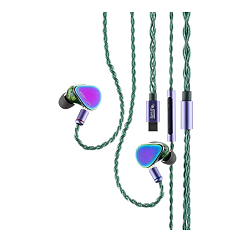
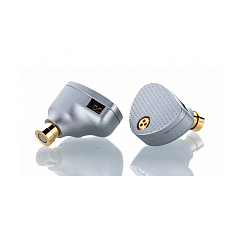
Brand: MoonDrop
Headphone type: wired
The lowest frequency, Hz: 16
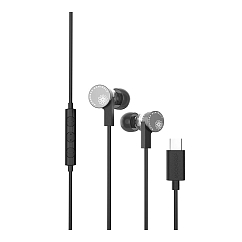
Brand: MoonDrop
Headphone type: wired
The lowest frequency, Hz: 20

Brand: MoonDrop
Headphone type: wired
The lowest frequency, Hz: 9
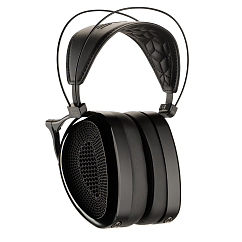
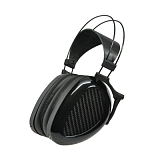
Brand: Dan Clark Audio
Headphone type: wired
The lowest frequency, Hz: 20
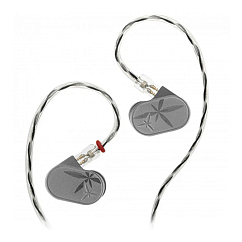
Brand: MoonDrop
Headphone type: wired
The lowest frequency, Hz: 12
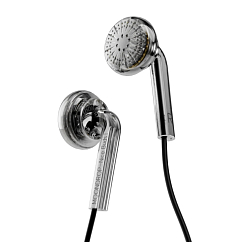
Brand: MoonDrop
Headphone type: wired
The lowest frequency, Hz: 20
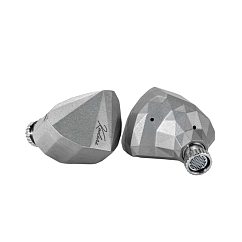
Brand: MoonDrop
Headphone type: wired
The lowest frequency, Hz: 8
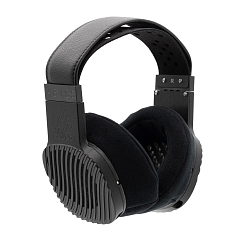
Why Audiophiles Often Stick to Wired
- Peak Sound Quality: Let's be clear: great wireless can beat mediocre wired. But comparing apples to apples at similar price points, wired often wins. Why? A direct connection avoids the compression and potential data loss inherent in all current Bluetooth transmissions (even the best codecs aren't truly lossless like a wire). The signal path is simpler and cleaner.
- Rock-Solid Reliability: No batteries to die, no Bluetooth dropouts, no interference from microwaves. A wired connection just works. Plug them in, press play. Simple as that.
- Zero Latency: Crucial for gamers and movie watchers. With a wire, the sound is perfectly synchronized with the action on screen. Wireless always has some delay (though it's getting incredibly small with codecs like aptX Adaptive).
- Upgradeable & Versatile: Since the headphones themselves don't contain complex DACs or amps, you can dramatically change their sound by pairing them with different external gear (high-end portable DAC/amps, desktop amplifiers, etc.). It's a playground for tweakers.
But Cables Have Their Downsides
- The Obvious: The Cable! It snags, it tangles, it restricts your movement. Not ideal for the gym or a busy commute.
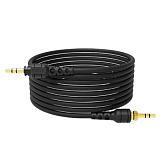
- The Disappearing Headphone Jack: Most modern smartphones have ditched the 3.5mm port. This means carrying a dongle (adapter) — one more thing to lose or forget. Though the rise of USB-C wired headphones does offer a digital alternative.
- No ANC (Usually): Active Noise Cancellation is almost exclusively found in wireless headphones these days. With wired, you rely solely on passive isolation from a good seal.
- Less Rugged (Often): Features like water/dust resistance (IP ratings) are far more common on wireless models built for active use.
Wireless Wonders: The Freedom Revolution
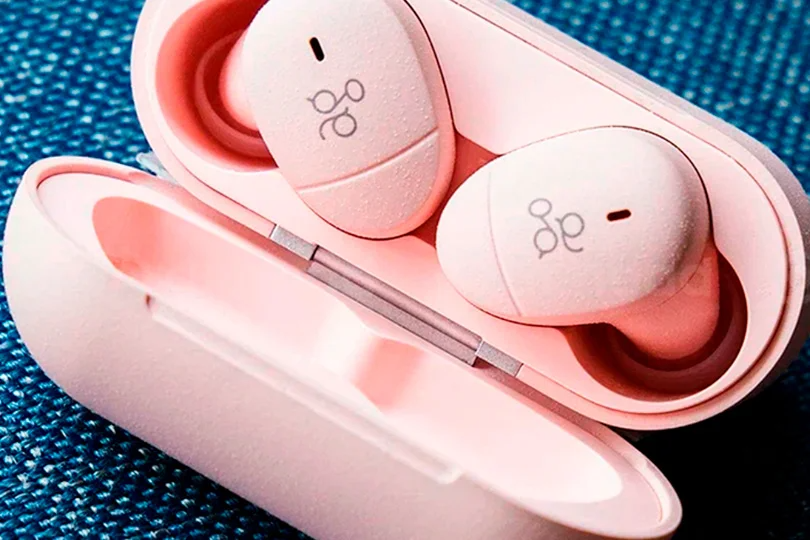
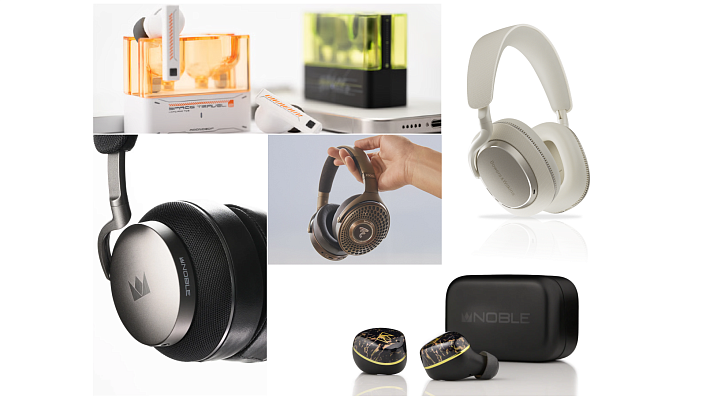
Wireless headphones pack a ton of tech: Bluetooth chips, DACs, amplifiers, batteries, and noise-canceling circuitry. The audio signal is sent wirelessly from your source (usually via Bluetooth), decoded, converted back to analog, amplified, and processed — all inside the headphones themselves.
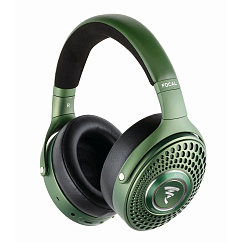
Multipoint: yes
Brand: Focal
Headphone type: wireless
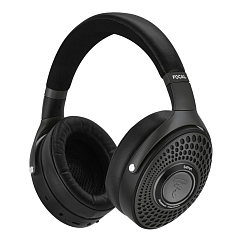

Multipoint: yes
Brand: Sennheiser
Headphone type: wireless, wired
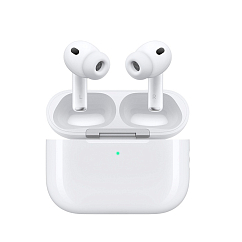
Headset type: stereo
Brand: Apple
Type of wireless headphones: True Wireless
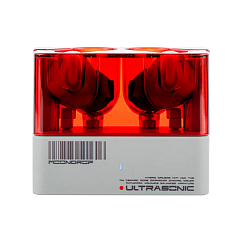
Brand: MoonDrop
Type of wireless headphones: True Wireless
Bluetooth version: 5.3
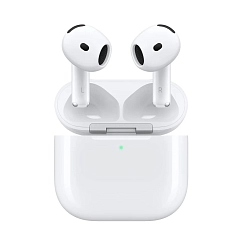
Headset type: stereo
Brand: Apple
Type of wireless headphones: True Wireless

Headset type: stereo
Brand: Bose
Type of wireless headphones: True Wireless

Headset type: stereo
Brand: Noble Audio
Type of wireless headphones: True Wireless
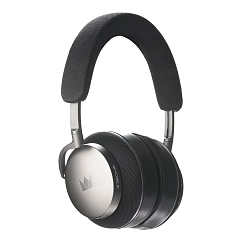
Detachable microphone: yes
Multipoint: yes
Headset type: stereo
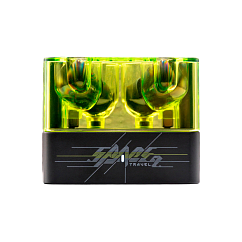
Brand: MoonDrop
Type of wireless headphones: True Wireless
Bluetooth version: 6.0
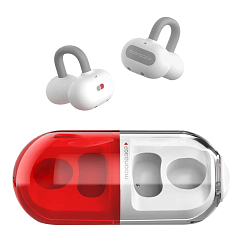
In-Ear headphone type: true wireless
Multipoint: yes
Brand: MoonDrop

Brand: Focal
Headphone type: wireless
The lowest frequency, Hz: 15
Why Everyone Loves Wireless
- Ultimate Freedom: No wires = total liberation. Perfect for workouts, commuting, chores, or just moving around without being tethered.
- Incredible Convenience: Features like Active Noise Cancellation (ANC) are game-changers for travel and focus. Plus, features like multi-point pairing (think connecting to phone and laptop simultaneously) make life easier.
- Improving Sound Quality: Bluetooth audio has come a long way. Advanced codecs like aptX Adaptive and LDAC deliver high-resolution sound wirelessly, closing the gap with wired quality significantly. Audiophile-grade wireless is now a reality.
- Universal Compatibility (Mostly): Almost every modern phone, laptop, and tablet has Bluetooth. Which means, no dongles needed.
- Built for Life: Wireless models often boast IP ratings for water and sweat resistance, making them ideal active companions.
The Trade-offs for Going Wireless
- Battery Life: You have to remember to charge them. While battery life is now excellent (often 20+ hours for over-ears, plus case charging for TWS), they can still die at inconvenient moments.
- Potential Interference: Bluetooth uses crowded radio frequencies. In busy areas, you might occasionally experience signal dropouts or glitches, though this is much rarer with modern Bluetooth versions.
- Sound Quality Ceiling (Still): While amazing, the very best wireless headphones still can't quite match the absolute fidelity and potential of the very best wired headphones connected to elite source gear due to the inherent nature of Bluetooth compression.
The Verdict: Why Not Both?
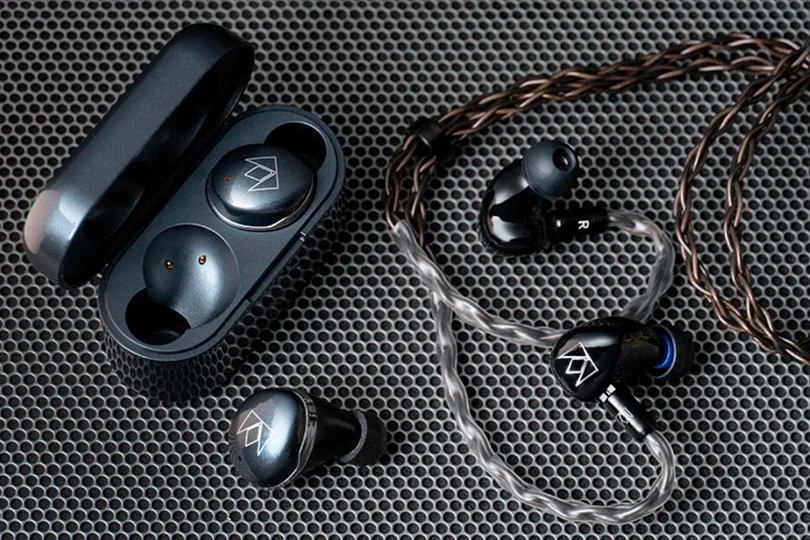
The "war" is kind of pointless. Wired and wireless headphones excel at different things. The real winner is you because you have more amazing choices than ever before.
- Wired is King for: Critical listening at home, studio work, zero-latency gaming, and maximum potential sound fidelity with high-end gear.
- Wireless is Unbeatable for: Commuting, travel, exercise, office use, convenience, and noise cancellation.
Often, the ideal solution is to have both: a fantastic pair of wired headphones for dedicated listening sessions at home, and a convenient, feature-packed wireless pair for life on the go. We’ll be happy to help you embrace the best of both worlds. Visit us at the Dr. Head showroom in Dubai, and let’s find you some winners — wired, wireless, or both.