










The Ultimate Guide to Choosing Wired Headphones: Everything You Need to Know
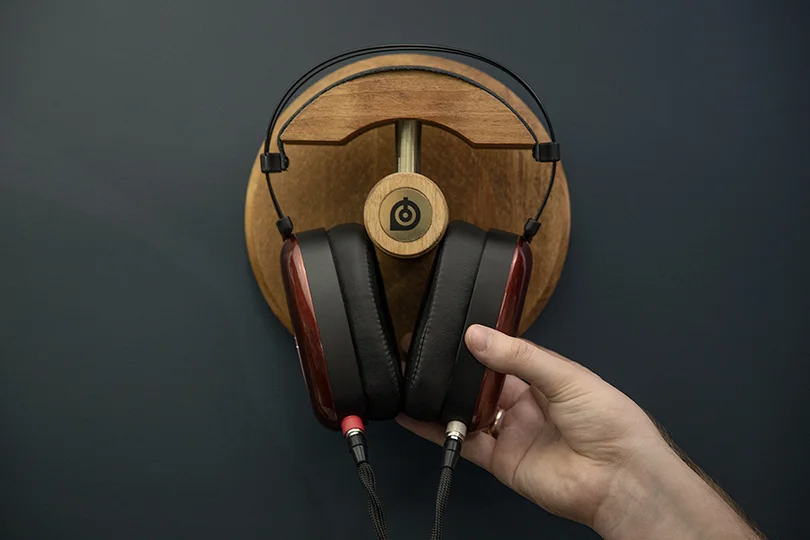
Despite the wide popularity of wireless headphones today, wired models remain the top choice for connoisseurs of high-quality sound. But when it comes down to making the choice, the options are somewhat overwhelming, with way, way too many to pick from even outside of technical specifications.
But you just want to listen to music and enjoy the sound, don’t you? We get it, and we’ve got you. That’s why we’ve created a complete guide to choosing wired headphones that’ll suit your specific goals and vision.
Let’s dive in, shall we?
Contents
Form Factors
Headphones come in many shapes and sizes. Some can be easily slipped into a jacket pocket, while others might feel cramped even in a backpack. Wired headphones typically belong to one of the three main form factors: in-ear, on-ear, and over-ear. Let's talk about each type and its specifics.
Over-Ear Headphones
Advantages
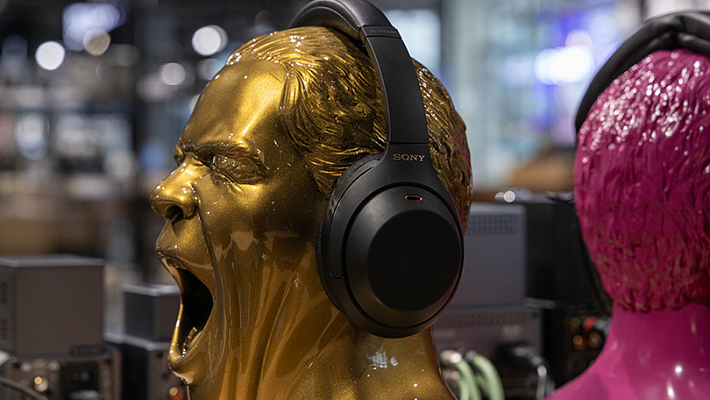
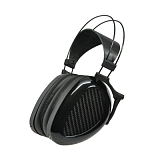
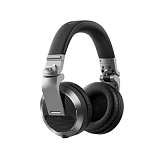
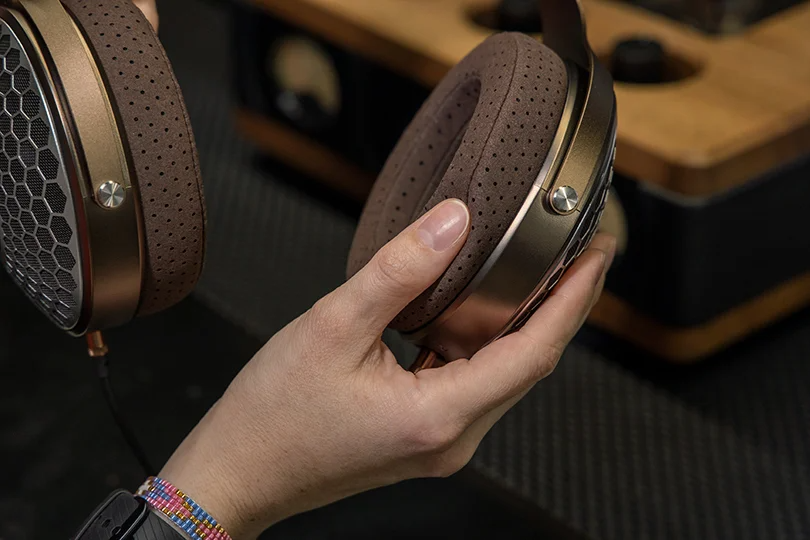
Over-ear headphones offer a more lifelike listening experience than other models. The sound waves partially disperse within the earcup before reaching your inner ear, which results in a more natural sound. Over-ear models are also better at reproducing low frequencies, as their larger housings accommodate big drivers capable of delivering even the deepest bass on the level.
Another big win with these models is how comfortable they are. The earpads surround the ears and evenly distribute pressure across the head, allowing for hours of listening on end. Thanks to the tight seal of the earpads, over-ear headphones also prevent sound from leaking out, which is crucial for accurate bass reproduction.
Disadvantages
The bulkiness of over-ear models makes them less portable, and they do require quite a bit of extra space in a backpack. They can also be rather heavy, so they’re not the best walking companions.
Multipoint: yes
Brand: Focal
Headphone type: wireless
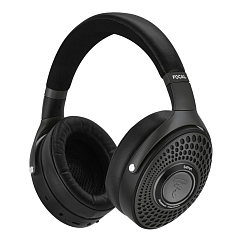


Multipoint: yes
Brand: Sennheiser
Headphone type: wireless, wired

Earpads material: microfiber
Headphone type: wired
Kind of headphones: over-ear
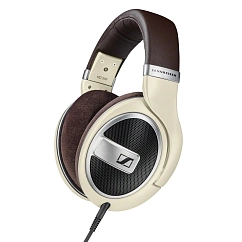
Brand: Sennheiser
Headphone type: wired
The lowest frequency, Hz: 12
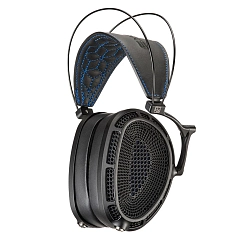
Earpads material: leather
Headphone type: wired
Kind of headphones: over-ear

Cable type: straight
Field of application: DJ, mixing
Brand: Sennheiser
On-Ear Headphones
Advantages
The on-ear design is perfect for those who strive for the benefits of over-ear headphones but in a more compact, and often foldable, package. This makes them very convenient for travel.
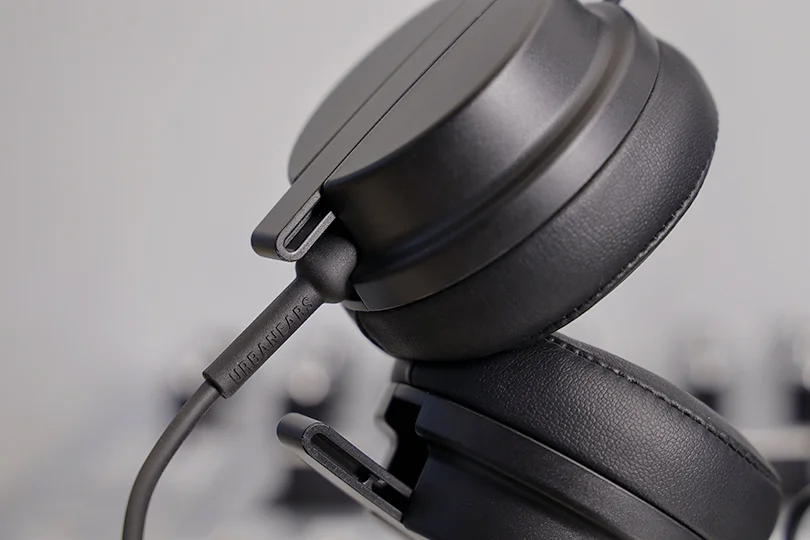
Disadvantages
A key feature of this design is a snug fit, as the earpads rest directly on the ear. This can cause discomfort during long listening sessions.
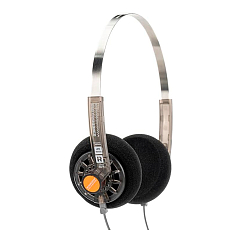
Brand: MoonDrop
Headphone type: wired
The lowest frequency, Hz: 20

Brand: Shokz
Headphone type: wireless
The lowest frequency, Hz: 20

Brand: Shokz
Headphone type: wireless
The lowest frequency, Hz: 20

In-Ear headphone type: true wireless
Brand: Shokz
Headphone type: wireless
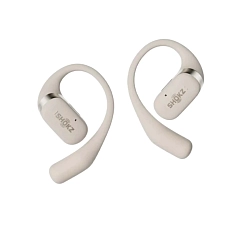
Brand: Shokz
Headphone type: wireless
The lowest frequency, Hz: 50

Brand: Shokz
Headphone type: wireless
The lowest frequency, Hz: 20
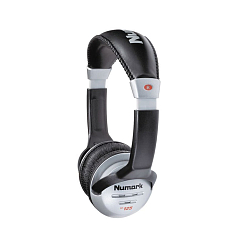
Earpads material: leather
Headphone type: wired
Kind of headphones: on-ear

In-Ear headphone type: true wireless
Brand: Shokz
Headphone type: wireless
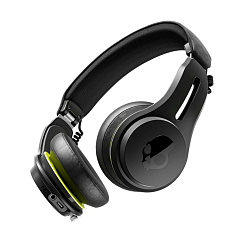
Multipoint: yes
Brand: Skullcandy
Headphone type: wireless
In-Ear Headphones (IEMs)
Advantages
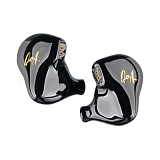
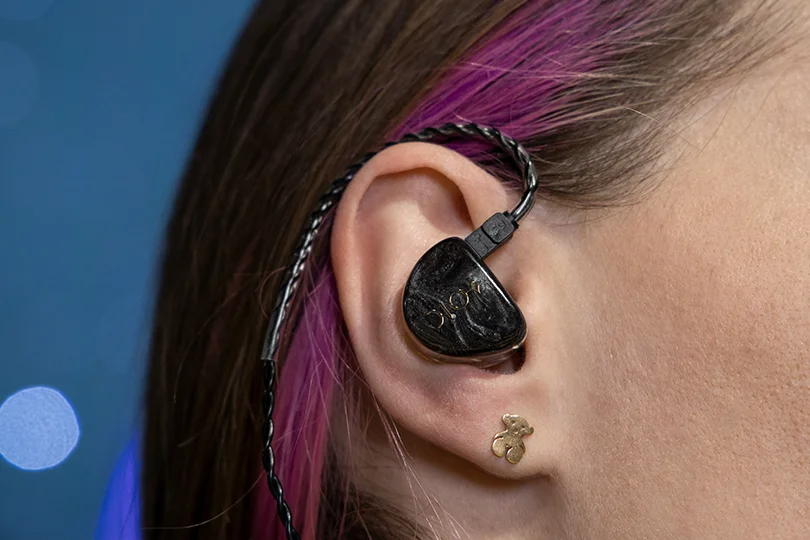
IEMs are incredibly compact, which makes them perfect for daily use. These models take up very little space and allow the listener to get lost in the music thanks to built-in noise isolation. IEMs can deliver a stunningly accurate sound, as the audio directly reaches the inner ear without dispersion. Some models even feature multiple drivers, each responsible for a different frequency range.
Custom-molded IEMs, made from an impression of your ear, offer an incredibly comfortable and secure fit, creating passive noise isolation so effective that the noise of public transport or city bustle won't get through. Another advantage of custom models is the ability to choose your own design, turning your headphones into a stylish accessory that looks exactly the way you want. Dr.Head does all that for you, and we also offer services to re-shell your existing wired models into a custom fit.
Disadvantages
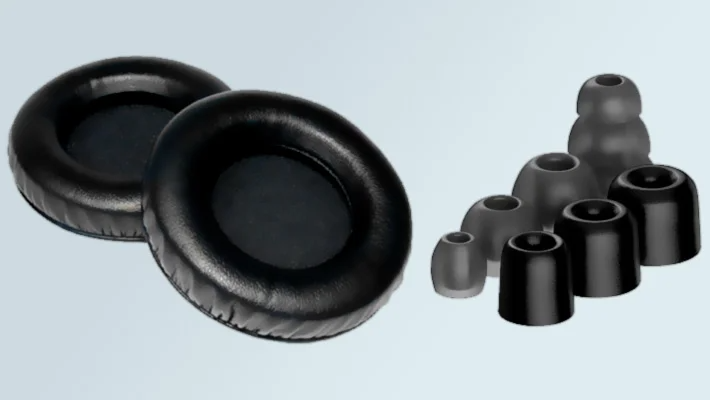
The in-ear placement can cause discomfort if the eartips are not properly fitted. This is the part where we recommend custom eartips — and honestly, custom earpads are also worth it for the sheer comfort of it.

Brand: MoonDrop
Headphone type: wired
The lowest frequency, Hz: 15
Headset type: stereo
Brand: Apple
Type of wireless headphones: True Wireless

Brand: MoonDrop
Headphone type: wired
The lowest frequency, Hz: 10
Brand: MoonDrop
Type of wireless headphones: True Wireless
Bluetooth version: 5.3
Headset type: stereo
Brand: Apple
Type of wireless headphones: True Wireless
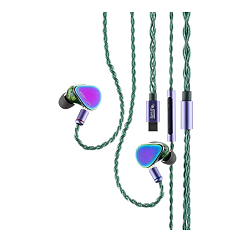
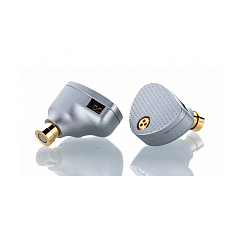
Brand: MoonDrop
Headphone type: wired
The lowest frequency, Hz: 16

Headset type: stereo
Brand: Bose
Type of wireless headphones: True Wireless

Headset type: stereo
Brand: Noble Audio
Type of wireless headphones: True Wireless
Acoustic Design
Closed-Back Headphones
In these models, the outer part of the earcup is sealed by a solid panel, preventing sound from escaping. This means you won’t disturb those around you with your music, and vice versa. If you travel often, closed-back headphones are an excellent choice.
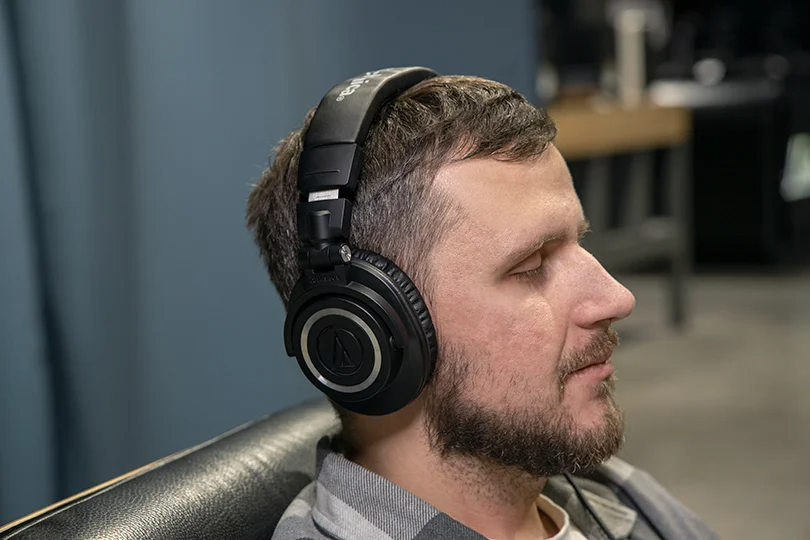
The one main issue with long-term use of closed-back headphones can be the heat buildup inside the earpads, as their housing isn't really ventilated. But if you choose your earpads right, you won’t have this problem.
Open-Back Headphones
As the name implies, the back of the earcup on these models is open and covered by a grille, which allows them to ventilate. This design prevents sound pressure from building up inside the cups, turning the sound natural, airy, and clear. Premium over-ear headphones for home listening are often open-back, so that their sound character resembles that of traditional speaker systems.
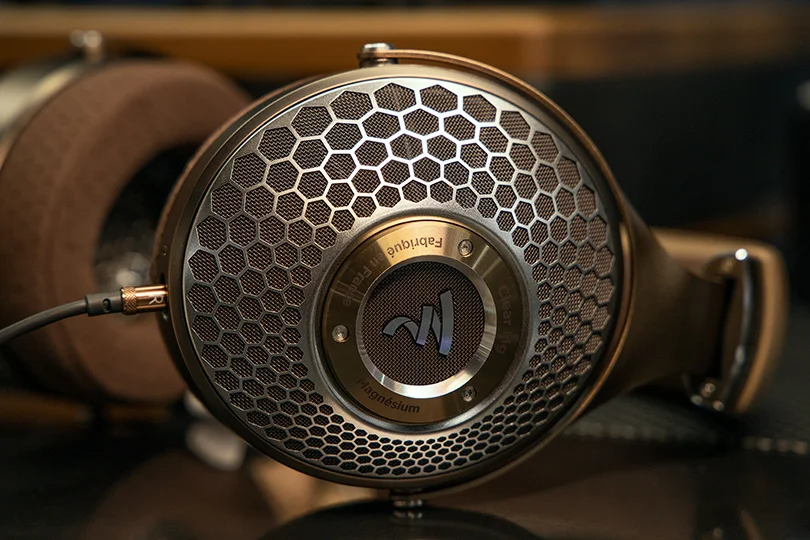
However, you'll only get the best sound quality in a quiet environment, as this design doesn't block external noise. Walking around with them isn't the best idea, as your music will mix with the sounds of your surroundings — and you will also disturb those around you with your tunes pouring out.
This issue is addressed by semi-open models, which offer some degree of ventilation while leaking less sound.
Driver Types
A driver directly impacts the headphones’ properties, so let's explore the different types of drivers and how they affect the sound — and the price.
Dynamic
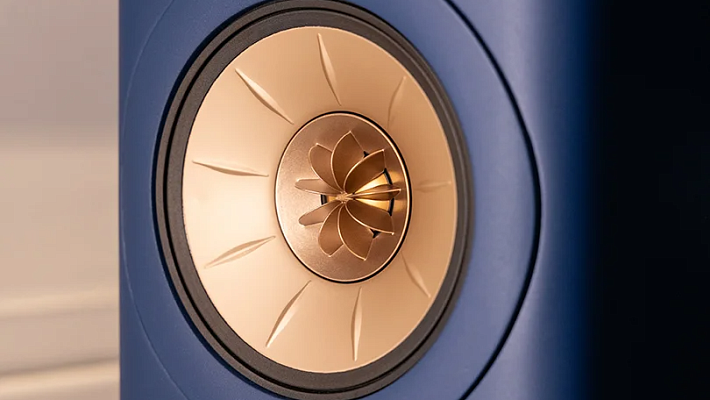
Most headphones today use dynamic drivers — these are effectively mini-versions of good old stereo speakers. Thanks to their simplicity and low production cost, dynamic drivers are very popular. But they’re not just cheap: they’re also great at reproducing deep and realistic low frequencies. One dynamic driver per earpiece is enough to do the job.
Balanced Armature (BA)
BA drivers are smaller than dynamic drivers, so they’re primarily used in in-ear models. Since each BA driver can typically handle a rather narrow frequency range, a bunch of them need to be installed inside each earpiece to cover the entire audio spectrum. So when you’re wearing IEMs, you likely have over a dozen BA drivers in each ear.
Planar Magnetic
Also known as isodynamic drivers, these are just costly enough in production to make them very few and far between in the entry-level segment. But for the right price, you’ll get clear sound with very little distortion and a level of detail far surpassing dynamic drivers. Keep in mind that most planar magnetic headphones have low sensitivity and require a powerful amplifier to take you to the audiophile heaven.
Electrostatic
Imagine a constantly charged diaphragm suspended between two stators, with an electrical signal of opposing charges applying to them and causing the diaphragm to move and create sound. Now imagine you have to produce this thing en masse. That’s right: this driver type is incredibly difficult to manufacture, so “low-budget electrostatic headphones” is nothing short of an oxymoron.
Then again, you’ll need a powerful and specialized amplifier to unlock their true potential. But these models are well worth their money as they deliver amazing sound with minimal distortion and an energetic presentation.
Bone Conduction
This type of driver transmits vibrations directly to the inner ear through the bones of the skull, leaving the outer ear open. Bone conduction technology dates back to the dawn of audio, with Beethoven among its pioneers. It's often used in sports headphones and models for the hearing impaired.
Cables
As previously stated, there’s a good reason why, despite the mass market having been taken over by wireless models, wired headphones are still around and kicking. A wired connection is more reliable and can transmit a higher-resolution signal to the headphones, so while your average Joe is rocking wireless, no audio industry professional would do the same.
And after all, in this guide, we’re talking about wired headphones. So let’s address the elephant in the room: wires themselves. Or, rather, cables.
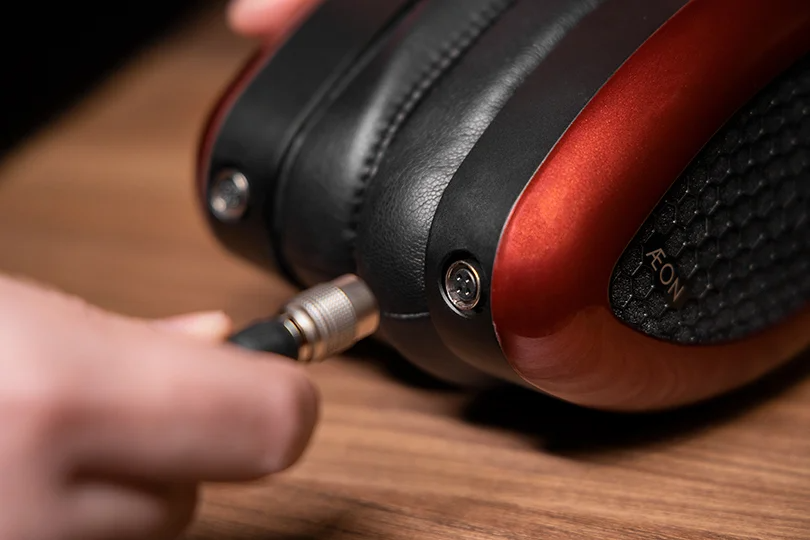
A detachable headphone cable is always preferable: it can be easily replaced if damaged or if you just happen to need a longer wire right now. Replacing the cable in the future with a better one also leaves you room for upgrading your setup — for instance, by switching to a balanced cable. You might want to do that at some point, because balanced cables are resistant to external electromagnetic interference and deliver a clean signal to your headphones regardless of their length.



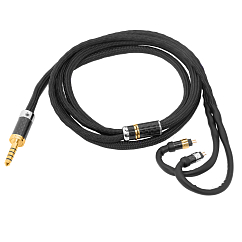
Model: HeadMade IEM
Balanced cable: yes
Braid material: fabric

Balanced cable: yes
Braid material: ceramic fiber, fabric
Brand: HeadMade
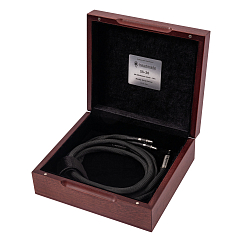
Balanced cable: yes
Braid material: ceramic fiber, fabric
Brand: HeadMade
Speaking of which, there are debates about how cable length affects sound quality, but don’t stress over it. The most crucial aspects to pay heed to are the cable’s materials, shielding quality, and insulation. So choose your cable’s length based on your needs, and explore custom cable options to meet your exact needs, if you have any.
Specifications
There are a lot of specifications to be found on any headphone’s box, and it can get pretty overwhelming. But do not fret: we’ll go over the ones that are actually important and explain how they affect sound quality and device compatibility.
Frequency Response
Long story short, this value reflects a headphone’s ability to reproduce low, mid, and high sound frequencies, and in specifications, it is represented by a range between two numbers. The average human ear can hear from 20 Hz to 20 kHz, but it’s not always the case as age and other factors can change it — plus, some people can hear more or less by default.
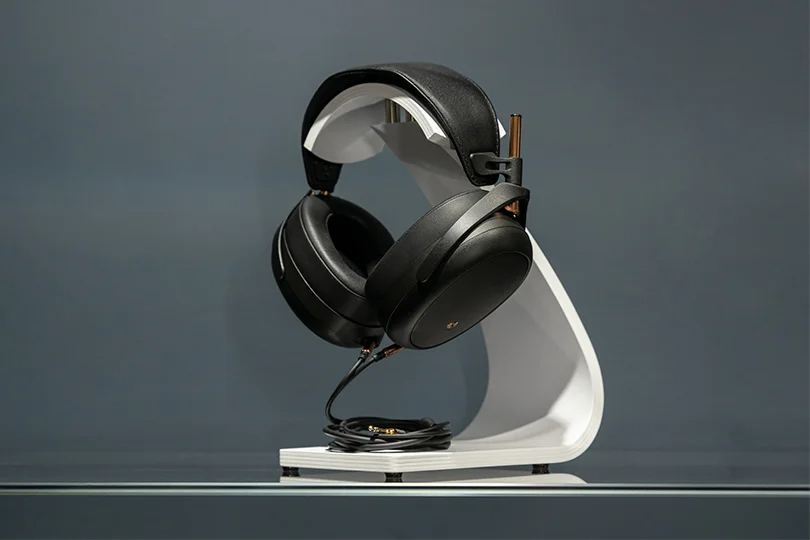
Most headphones adhere to the majority of the population, but the more advanced devices tend to offer a wider frequency response range. For example, the flagship Meze LIRIC headphones boast a mind-boggling range of 4 Hz to 92 kHz. Ultimately, you should consider (or, better yet, test) your hearing to figure out which range would work best for you.
Sensitivity
This parameter measures how efficiently headphones convert an electrical signal into an acoustic one. A safe sensitivity range for headphones is between 70 and 110 dB. The higher the sensitivity, the louder the headphones, even if they’re connected to a smartphone. But if a headphone's sensitivity is below 95 dB, it will require a powerful amplifier, which is mostly the case with isodynamic and electrostatic headphones.
Impedance
A headphone's impedance determines how much power it needs to reach its full potential. Low-impedance headphones (up to 32 Ohms) are a great match for mobile devices, while headphones with an impedance above 100 Ohms will require an external amplifier, as without one, the sound will be quiet and lifeless. So it only makes sense that high-impedance headphones are mostly used in recording studios or home systems.
Total Harmonic Distortion (THD)
This parameter becomes important if you listen to headphones at high volumes, because then, the driver may not always accurately reproduce the audio signal, leading to distortion like clicks, crackles, or sound decay. Most headphones have a THD below 1%, while premium models are below 0.1%. As you’ve already guessed, the lower this percentage, the better.
Choosing Your New Pair
Now that you understand the world of wired headphones a lot better, here’s one final lesson you need to learn. All of these parameters and numbers are merely a reference sheet; a higher value does neither equal nor guarantee better sound quality. The one ultimate test that makes or breaks a pair of headphones for you — and that’s you trying them on.
You know how and where you plan to use your new headphones. You know what music you want to listen to. You know your hearing better than anyone. And we, humbly, know a thing or two about headphones.
At the Dr.Head Dubai showroom, our specialists will help you pick the models that suit your desires so you can try them on. Enter a quiet room, put on your favorite tunes, and let the music speak for itself. We’ll be happy to help you find the one pair of headphones that’s truly yours.