



































The Sound of Rebellion: A History of Rock Music
Have you ever noticed how some music just sits in the background, while rock music grabs you by the collar and demands your attention? For over seven decades, rock has been more than just a genre — it's been a mirror reflecting society's hopes, fears, and anger. It’s the sound of youth kicking against the establishment.
While the genre is notoriously hard to define — and constantly changing — its evolution tells a fascinating story. Let's take a tour through the decades of rock, from its bluesy roots to its stadium-filling anthems.
Contents
What is Rock, Anyway?
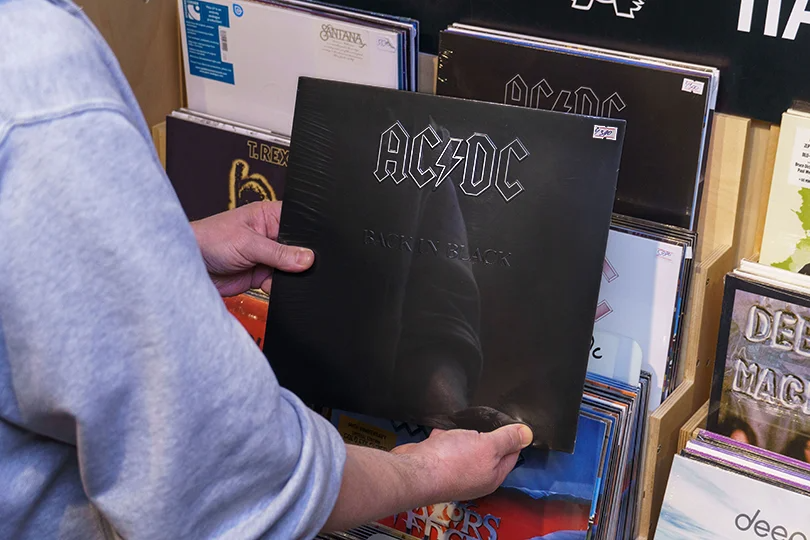
If you look it up in a dictionary, you'll get a dry definition: "Loud music with a strong beat, usually played on electric guitars and drums." Technically true, but it misses the point entirely. Rock is an attitude. It's a melting pot of styles — blues, jazz, country, gospel — boiled down into something raw and energetic.
Late 1940s: The Dawn
In post-war Britain, young people were tired. They'd survived the war, but the country was still rationing, and the "stiff upper lip" culture felt suffocating. They wanted color, freedom, and noise.
Across the pond in the US, the economy was booming, but society was deeply segregated. However, music has a way of ignoring boundaries. In African American communities, a new sound was brewing — a high-energy mix of rhythm and blues, boogie-woogie, and gospel. It was electric, it was provocative, and soon, white teenagers started tuning in. The storm was about to break.
1950s: The Gathering Storm
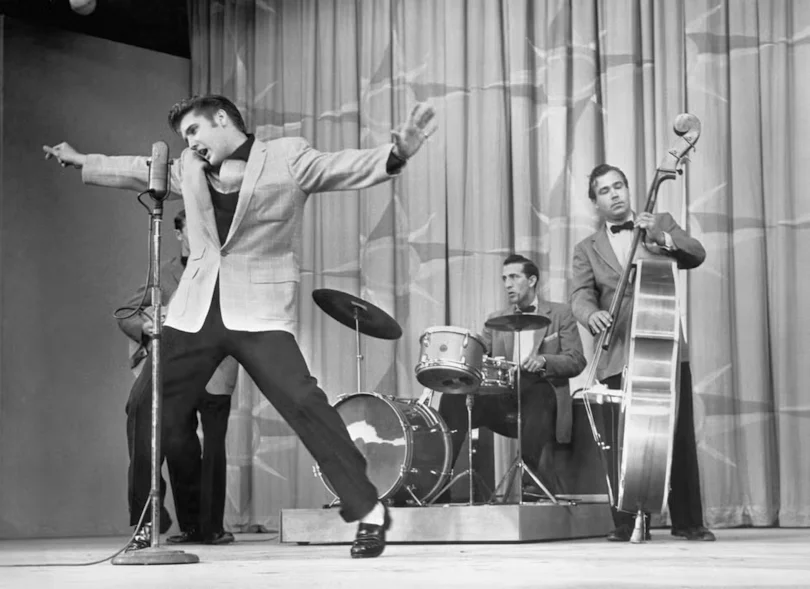
This was the decade that changed everything. Radio DJs started playing this new "Devil's music," much to the horror of conservative parents. It spread like wildfire.
Chuck Berry is often cited as the first true rock 'n' roll star, around 1953. He didn't just play the guitar; he made it a lead instrument and invented the showmanship we still see today. Then came Buddy Holly, Jerry Lee Lewis, and, of course, Elvis Presley.
Elvis took that Black R&B sound, mixed it with country, and packaged it with a hip swivel that made him the first global rock superstar. The 4/4 beat was simple, infectious, and perfect for dancing. Rock 'n' roll had arrived — and it was here to stay.
1960s: The British Invasion & The Summer of Love
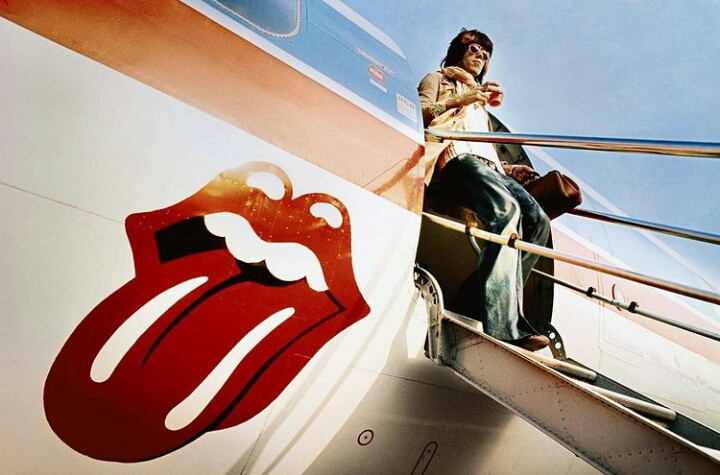
If the 50s lit the fuse, the 60s were the explosion. British teenagers, obsessed with American rock and blues, started forming their own bands. The Beatles exploded out of Liverpool, changing songwriting forever. The Rolling Stones brought a grittier, bluesier edge from London. This "British Invasion" conquered the world instantaneously.
But the 60s were also about politics. The Vietnam War and the Civil Rights Movement fueled a new wave of protest music. Rock became the soundtrack of the counterculture. By the late 60s, things got weird in the best way possible — Psychedelic Rock (think Jimi Hendrix, The Doors) pushed boundaries with distorted guitars and mind-expanding lyrics. It all culminated in Woodstock 1969, the festival that defined a generation.
1970s: The Age of Gods and Monsters
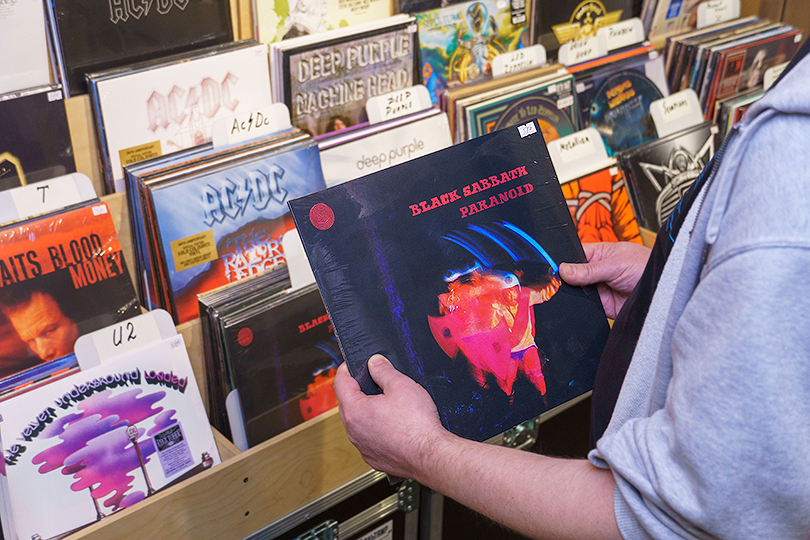
This was the decade rock grew up and got heavy. Studio technology improved, allowing for massive, layered productions — think Pink Floyd's The Dark Side of the Moon.
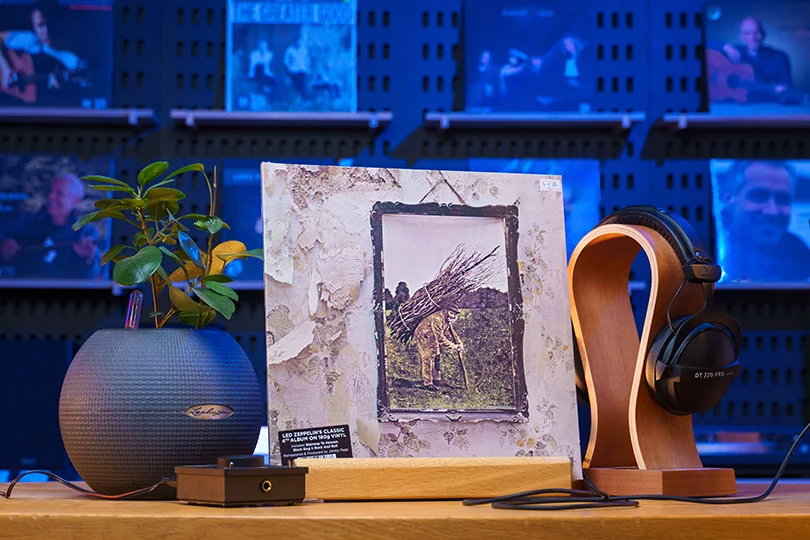
It was the era of the "Rock God." Bands like Led Zeppelin, Black Sabbath, Queen, and AC/DC filled stadiums with thunderous riffs and operatic vocals. David Bowie introduced glam rock, turning performance into theater.
At the same time, a raw, angry reaction to this excess was brewing in the underground: Punk Rock (The Ramones, The Sex Pistols, etc.) arrived to tear it all down with three chords and a lot of attitude.
1980s: Synthesizers, Spandex, and MTV
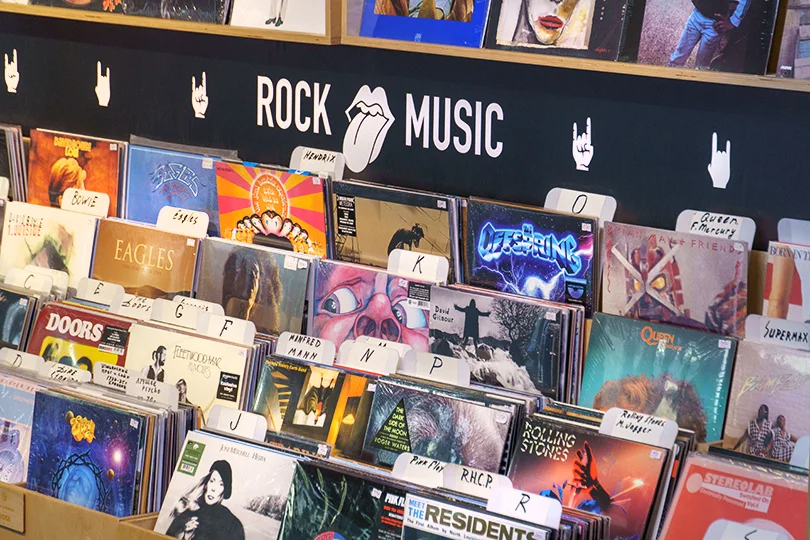
In the 80s, rock went commercial and got a makeover. MTV launched, and suddenly, how you looked was as important as how you sounded.
We got Hair Metal (Guns N' Roses, Mötley Crüe, Bon Jovi) — loud, flashy, and unapologetically excessive. But we also saw the rise of New Wave and Synth-Pop (Depeche Mode, The Cure), which traded guitars for keyboards but kept the rock attitude. While pop stars like Michael Jackson and Madonna ruled the charts, rock splintered into a dozen sub-genres, from thrash metal to the college rock that would soon take over the world.
1990s: Smells Like Teen Spirit
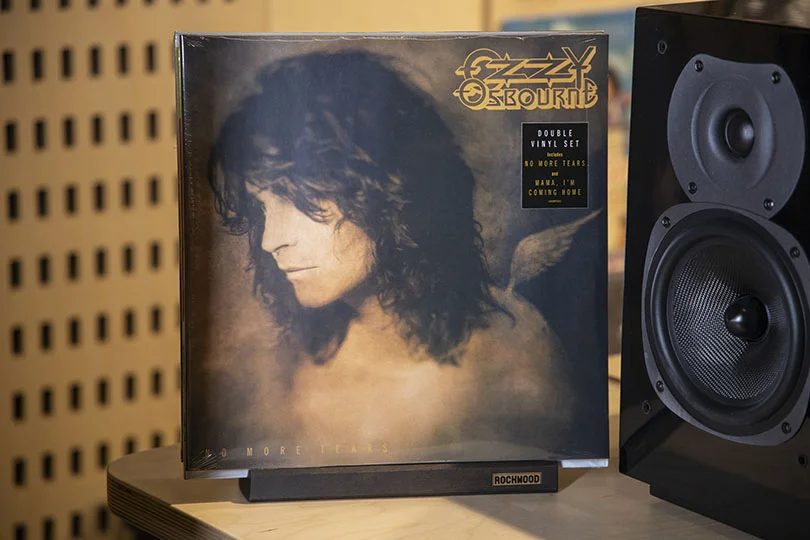
The polished, commercial sound of the '80s died overnight when Nirvana released "Smells Like Teen Spirit." Grunge was born in Seattle — a muddy, distorted hybrid of punk and metal that spoke to a disaffected generation. Pearl Jam, Soundgarden, and Alice in Chains joined the wave.
Across the ocean, the UK responded with Britpop (Oasis, Blur), a nostalgic, melodic reaction to American grunge. Meanwhile, bands like Radiohead were busy deconstructing rock entirely, proving you didn't need standard song structures to fill arenas.
2000s: Hybrids and Revivals
As the new millennium hit, rock started mixing with everything else. Nu-Metal (Linkin Park, Limp Bizkit) fused heavy riffs with hip-hop rhythms and rapping. Pop-Punk (Green Day, Blink-182) brought high energy and catchy hooks to the masses.
Later in the decade, we saw a massive Garage Rock Revival (The Strokes, The White Stripes, Arctic Monkeys), stripping things back to basics with raw, lo-fi energy. It was a reminder that, at its heart, rock is just a few people making a lot of noise in a room.
The Final Word
Today, rock isn't the dominant force on the charts it once was, but it's far from dead. It has dissolved into the water supply of modern music. You hear its DNA in hip-hop, pop, electronic music, and a bunch of other genres. The boundaries are gone, but the attitude is very much not.
What does the future hold for rock? We can't say for sure. But as long as there's someone with a guitar and something to say, rock will find a way to be heard.
If you’re looking for the best rock records, you can always find them in the Dr.Head showroom in Dubai. Make sure to stop by, and we’ll make sure you’re all caught up on the finest tunes the genre has to offer.

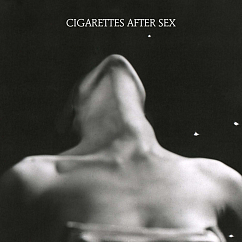
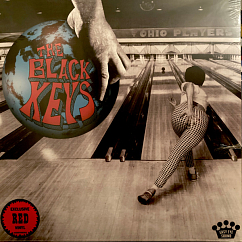
Arrival: 202537
Performer: The Black Keys
Genre: Rock
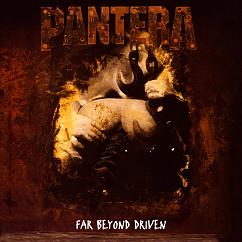

Arrival: 202537
Performer: The Black Keys
Genre: Rock


Arrival: 202430
Performer: Cigarettes After Sex
Type of performer: Foreign
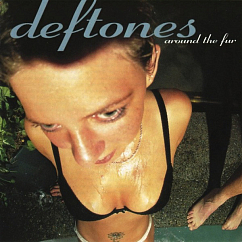
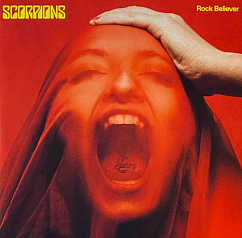

Arrival: 202552
Performer: Cigarettes After Sex
Genre: Rock
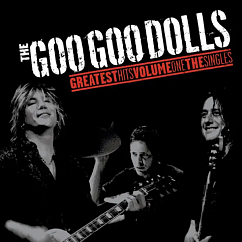
Performer: The Goo Goo Dolls
Genre: Rock
Style: Alternative Rock