

























Sleeping with Headphones: Is It Safe? Pros, Cons, and Alternatives
Falling asleep to music is a habit shared by millions of people worldwide. Calming melodies help you relax after a hard day, distract from anxious thoughts, and create a cozy atmosphere for sleep. Many use headphones to avoid disturbing their loved ones or to block out background noise.
While sleeping with headphones has obvious benefits, such as relaxation and comfort, it also carries potential risks that many are unaware of. Here is what specialists say and how you can minimize the negative effects.
Contents
Why Music Helps You Fall Asleep
Calm music acts as a natural sleep aid: a slow rhythm of about 60–80 beats per minute synchronizes your breathing and heartbeat, gradually slowing them down to a state of rest. This triggers the production of serotonin and melatonin, hormones responsible for relaxation and healthy sleep.
Music affects the mind as much as the body. Melodic sounds distract you from intrusive thoughts about work or tomorrow's plans. The brain shifts from analyzing the day's events to perceiving harmonious sounds, helping you calm down faster.
Over time, a conditioned reflex is formed: the body begins to associate specific music with going to sleep. Simply playing a familiar melody is enough to automatically tune your body into rest mode.
The Hidden Risks of Sleeping with Headphones
Despite the relaxing effect, scientists have discovered that the brain continues to process music even during sleep. The auditory system does not rest, accumulating tension, and the headphones themselves can cause physical discomfort.
Impact on Sleep Quality
Research shows that the auditory system remains active all night, analyzing rhythm, melody, and volume. This means complete shutdown and recovery do not occur. This especially affects the deep sleep phases, when the body should be maximally relaxed. Instead of directing all resources to cell recovery and memory consolidation, part of the brain's power goes to processing sounds. This multitasking can negatively impact your overall well-being, leaving you feeling tired in the morning.
Hearing Damage and Pressure
Even a seemingly comfortable volume of 60 to 70 dB creates a cumulative effect during prolonged exposure. Auditory receptors do not have time to recover, gradually reducing hearing acuity. Constant noise or ringing in the ears may appear, which is difficult to treat. In-ear headphones create an additional problem by tightly sealing the ear canal, increasing pressure inside the ear, and disrupting natural ventilation.
Hygiene Problems
Headphones that stay in contact with your skin all night become a perfect breeding ground for bacteria. Body heat, sweat, and a lack of air exchange create a greenhouse effect. Silicone and rubber ear tips are especially problematic as they block airflow completely, promoting the growth of microorganisms.
Physical Discomfort
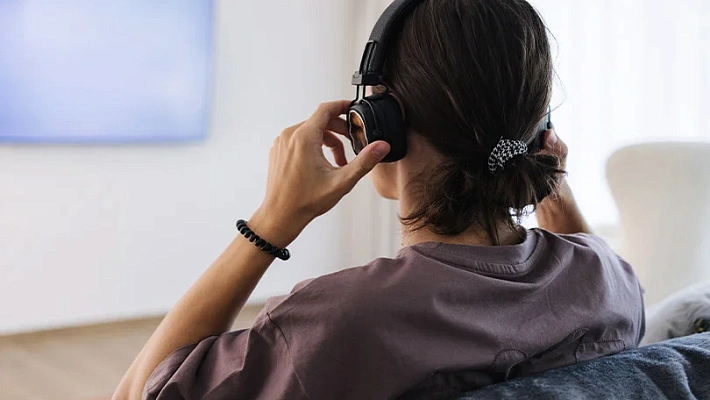
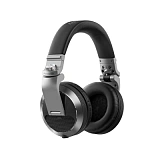
Over-ear models press against the cartilage of your ear, especially when lying on your side. In-ear models can fall out or penetrate too deeply into the ear canal. Prolonged pressure disrupts blood circulation in the tissues, causing morning soreness or skin redness.
The Medical Verdict
The medical community takes a cautious stance on nighttime headphone use. Otolaryngologists and audiologists recommend considering alternative ways to create a comfortable sound environment first.
If giving up headphones is impossible, doctors insist on strict safety precautions. Audiologists adapt the famous 60/60 rule for night use: a maximum of 30–40% volume and no more than one hour of continuous exposure. The key principle is the need for regular auditory rest.
Rules for Safe Listening
If you decide to use headphones for sleep, experts recommend adhering to the following safety rules:
- Limit exposure time: Set a sleep timer for 30 to 60 minutes. Alternate days with and without headphones to give your ears a rest. Never leave the sound on all night.
- Control the volume: Do not exceed 30–40% of the device's maximum volume. In a quiet room, adjust the volume until it is barely audible.
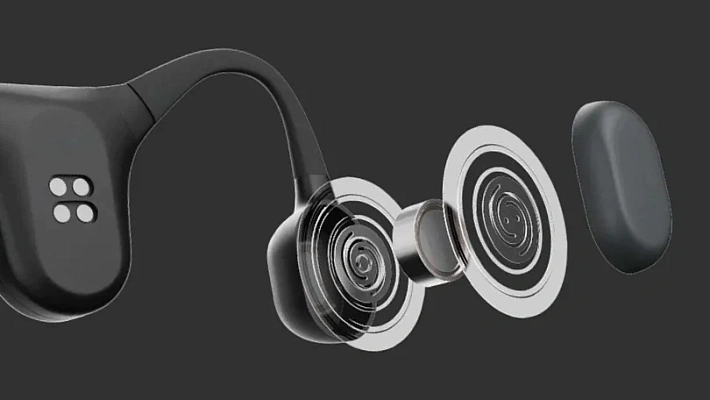
- Choose the right models: Opt for special sleep headphones with soft drivers, thin earbuds without protruding parts, or fabric headbands with built-in speakers.
- Maintain hygiene: Wipe your headphones with an antiseptic after each use and change silicone tips regularly.
For maximum comfort, you can get custom-made earphones molded perfectly to your ear shape, as they do not press or cause unpleasant sensations after prolonged use. You can get ear impressions and order a custom pair at the Dr.Head showroom in Dubai.
Safer Alternatives
If the risks seem too severe, there are other ways to create a comfortable sound atmosphere:
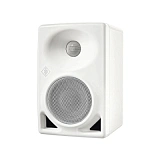
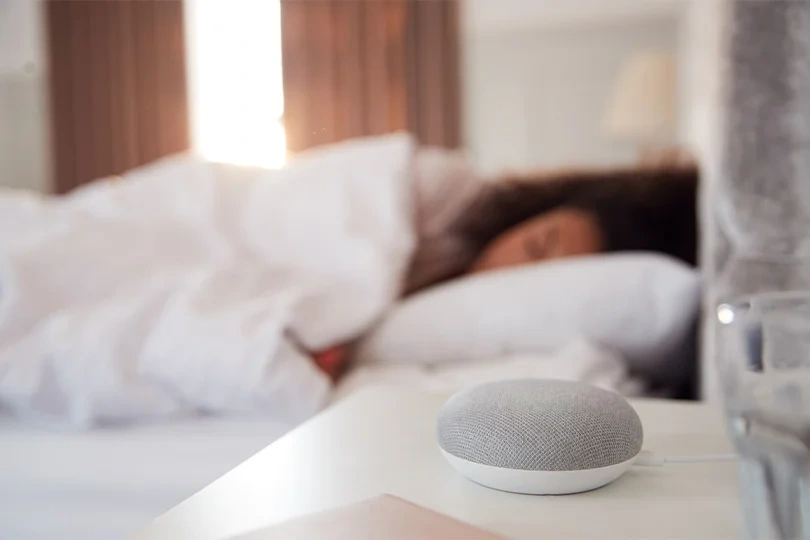
- Wireless speakers: A simple and affordable solution. The sound does not create direct pressure on the ears, allowing them to breathe.
- Pillows with built-in speakers: Sound is transmitted through the fabric and filling, creating a soft acoustic environment without touching the ears.
- Sleep masks with audio: They block light while playing relaxing sounds without putting pressure on the ear canals.
- White noise apps: Sounds of nature or rain act monotonously. Unlike music, they mask external sounds without overloading the brain.
Our Verdict
Music can be a powerful aid for healthy sleep, but only when used correctly. If you choose to fall asleep to music with headphones, strictly follow the safety rules: limit the time to an hour, control the volume, and give your ears regular rest.
And remember: alternatives like a bedside speaker or a white noise app can solve your sleep problem without risking your hearing or comfort.