
























How to Choose the Perfect Portable Speaker: The 2025 Guide
From tiny speakers you can clip to a backpack to massive party boxes that can shake a room, the world of wireless speakers is huge. Whether you're looking for a gift or upgrading your own setup, finding the right one can be tough.
The secret? Don't start with specs. Start with this question: "Where and how am I going to use this?" The answer will guide you to the perfect speaker for your needs. Let's break down the main types.
Contents
Choose Your Mission. What Kind of Speakers You Need
We can group 99% of portable speakers into three main categories. Without further ado…
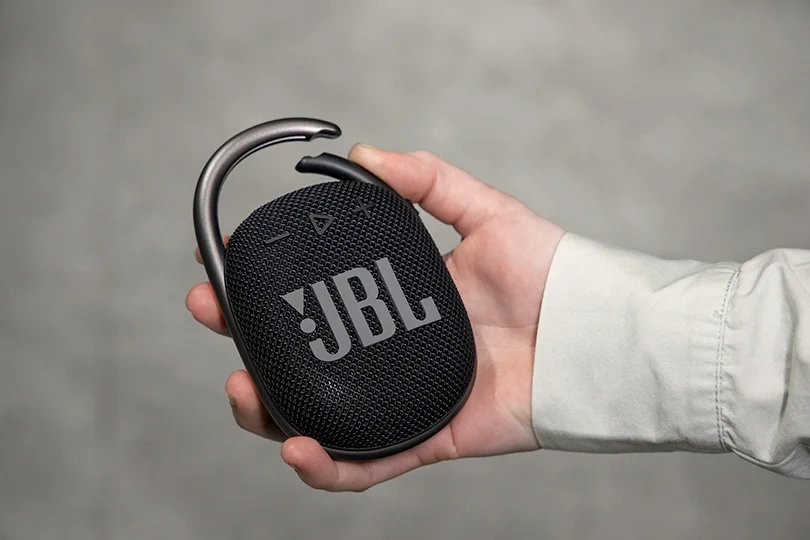
Ultra-Portable: The "Everyday Carry"
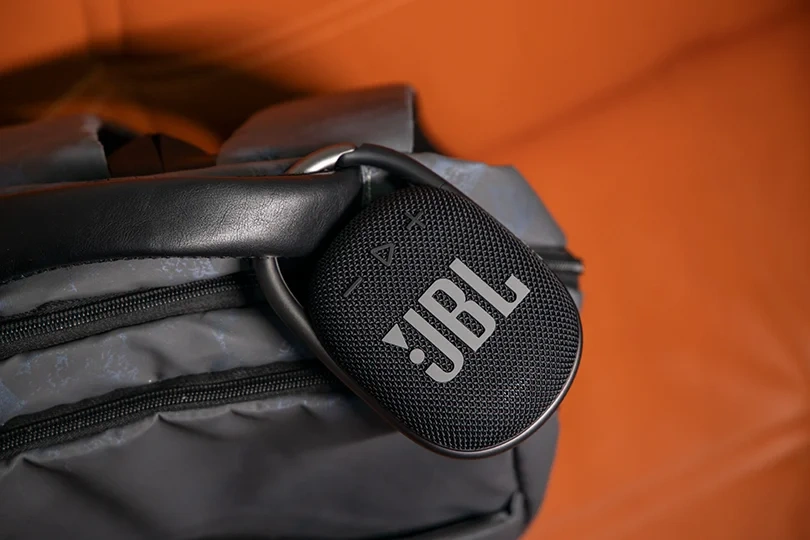
These are the pocket-sized or palm-sized speakers, often with a carabiner or strap.
Best for: Clipping to a backpack on a hike, listening to podcasts in the shower, or tossing in a bag without a second thought.
The Trade-off: Sound quality is secondary to portability. They sound miles better than your phone's speaker, but lack deep bass.
Mid-Sized: The "Backyard All-Rounder"
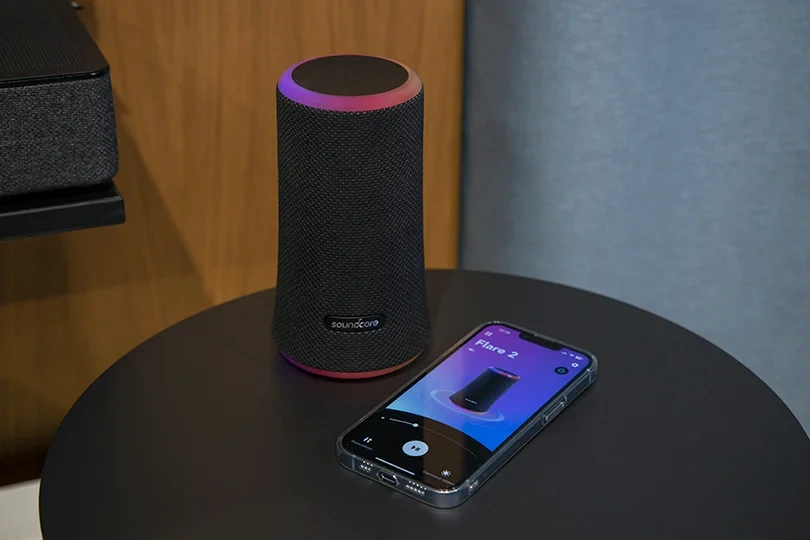
These are the brick-sized, "do-it-all" champions.
Best for: Providing background music at a patio hangout, chilling at the beach, or filling a kitchen with sound. Many of these offer 360-degree sound, so you can place them in the middle of the action.
The Trade-off: They're a fantastic balance of sound and portability, but you'll need a bag to carry them.
Large & Loud: The "Party Starter"
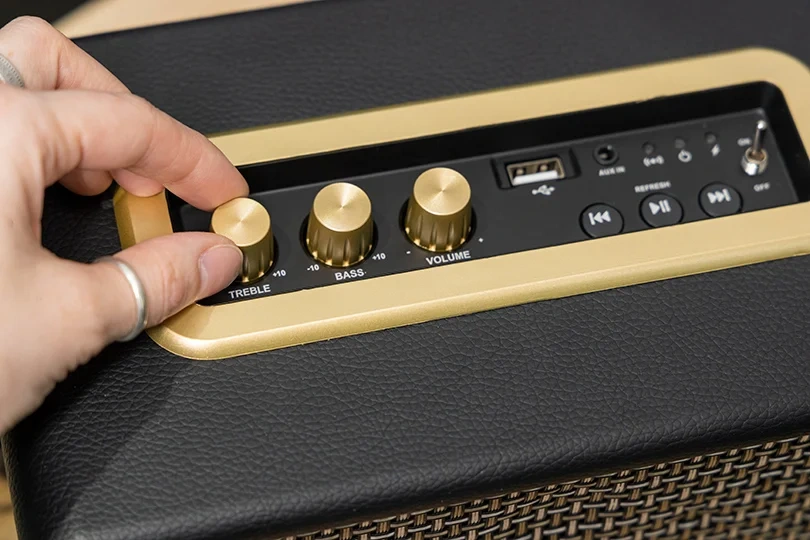
These are the big, heavy-hitters designed for one purpose: to be LOUD.
Best for: Powering a backyard party, tailgating, or any event where you need serious bass and volume. They often come with grab-handles, light shows, and even microphone/guitar inputs for karaoke.
The Trade-off: "Portable" just means it has a battery. You're not tossing this in a backpack; you're carrying it.
A quick note on Smart Speakers: These are typically designed for home use and run on Wi-Fi, not just Bluetooth. They connect to voice assistants (like Alexa or Google) and multi-room systems (like AirPlay 2 or Chromecast). They're a different category, but some portable speakers are now including these Wi-Fi features.
Key Features That Actually Matter
Once you've picked your size, here are the features to look for.
Durability: What Does "IP Rating" Mean?
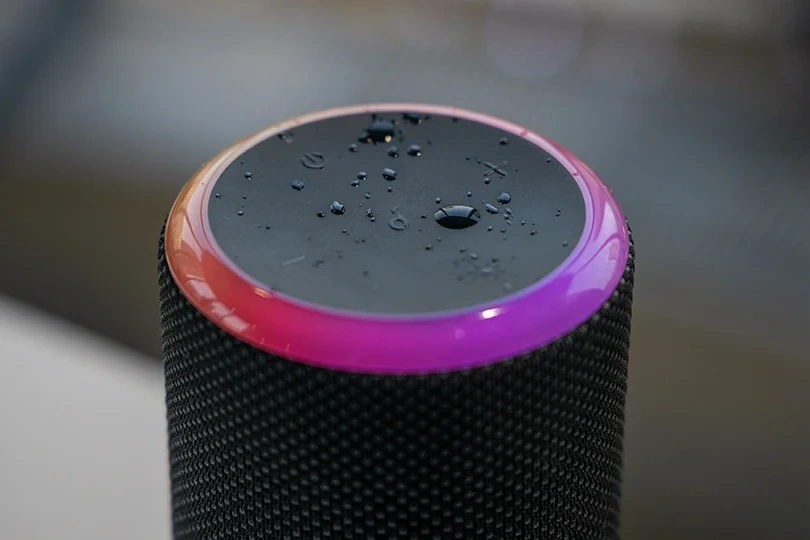
This is critical for a speaker you'll be using outdoors. You'll see codes like "IP67". Here's the simple breakdown:
- IPX4: Splash-proof. Can handle light rain or splashes from the pool.
- IPX7: Waterproof. Can be fully submerged in 1 meter of water for 30 minutes. This is your go-to for pool parties or the beach.
- IP67: The "6" means it's also dust-proof. This is the ultimate adventure-ready rating — perfect for sandy beaches, dusty trails, and anything else you can throw at it.
Battery Life (And a Killer Bonus Feature)
Look for a battery life that matches your needs (e.g., 10–15+ hours for an all-rounder). The real pro-tip? Many mid-sized speakers double as a portable power bank, with a USB-out port to charge your phone. Sometimes, it's a genuine lifesaver.
Connectivity: Bluetooth, Party Mode, and Wi-Fi
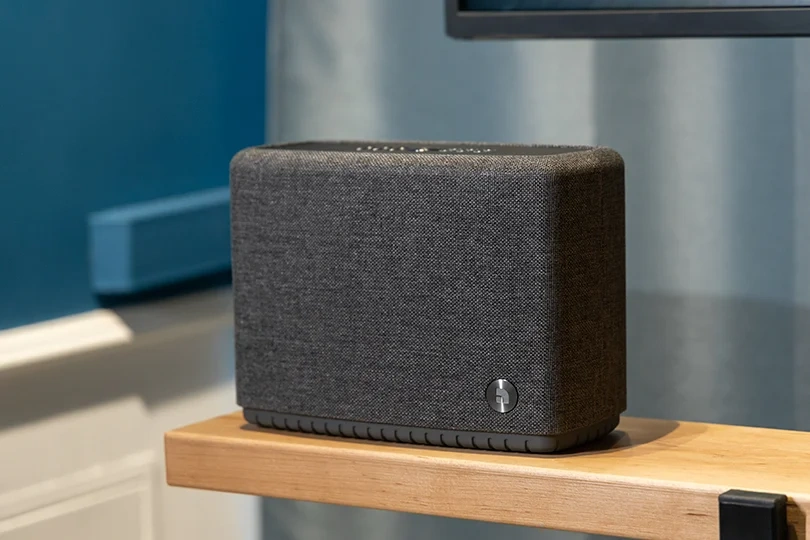
- Bluetooth & Codecs: Don't stress about this. Any speaker with Bluetooth 5.0 (or newer) will be stable and efficient. You will not hear the difference between codecs (SBC, AAC, aptX) on a portable speaker. Don't let anyone upsell you on this — the drivers and speaker design matter infinitely more.
- Stereo Pairing & Party Mode: This is a huge feature. Most brands now let you sync speakers together.
- Stereo Pairing: Connect two identical speakers to create a true left/right stereo pair.
- Party Mode (JBL PartyBoost, Anker PartyCast, etc.): Connect dozens of compatible speakers to all play the same music, creating a massive sound field.
- Wi-Fi (AirPlay 2 / Chromecast): As mentioned, this is mostly for home-use "portable" speakers. It allows for higher-fidelity, lossless audio streaming (unlike Bluetooth) and won't be interrupted by phone calls.
Sound: Mono, Stereo, or 360?
- Mono vs. Stereo: Most small speakers are mono (one main driver). Many mid-sized speakers are technically stereo, but the drivers are so close together that your brain still hears it as mono. Don't worry about it. For real stereo, you need to use the "Stereo Pairing" feature we talked about in the previous section.
- 360-Degree Sound: Many all-rounders have drivers placed to fire in all directions. This is genuinely useful, as you can place the speaker in the middle of a group and everyone gets the same experience.
The Final Word
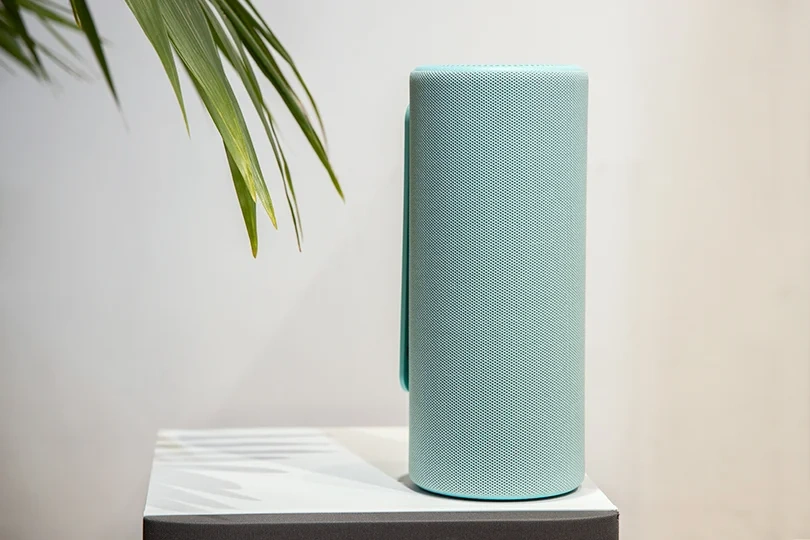
Don't get bogged down in specs like watts or frequency response — they're often misleading and don't tell you how a speaker will actually sound.
The best way to choose is to match the size and features to your lifestyle and expectations from the speaker. Prioritize a high IP rating for outdoor use, look for the power bank feature for all-day adventures, and check for party modes if you want to expand your sound later.
And of course, nothing beats hearing them for yourself. Come by the Dr. Head showroom in Dubai and we'll help you find the perfect portable partner for your next adventure (or just for your shower).

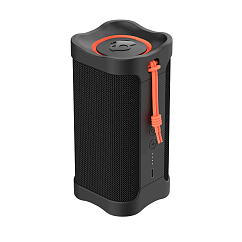
Bluetooth version: 5.3
Brand: Skullcandy
Charging connector: USB-C
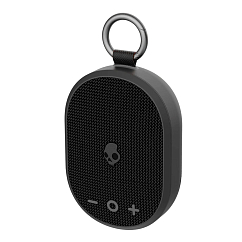
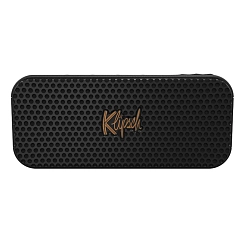
Bluetooth version: 5.3
Brand: Klipsch
Charging connector: USB-C
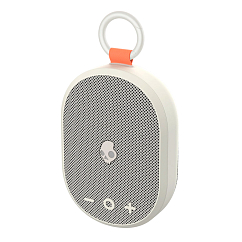
Bluetooth version: 5.3
Brand: Skullcandy
Cable included: yes
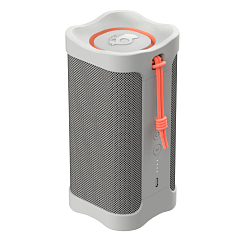
Bluetooth version: 5.3
Brand: Skullcandy
Charging connector: USB-C
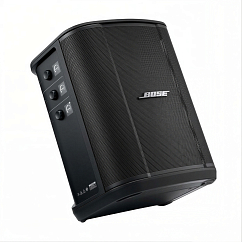
Battery charge indicator: yes
Bluetooth version: 5.0
Brand: Bose

Bluetooth version: 5.0
Brand: Marshall
Charging connector: DC-IN


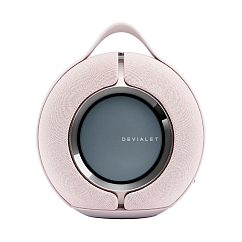
AirPlay support: yes
Battery capacity, mAh: 3200
Bluetooth version: 5.0

Battery charge indicator: yes
Bluetooth version: 5.1
Brand: Marshall