











Dynamic vs. Condenser: Which Mic is Right for You?
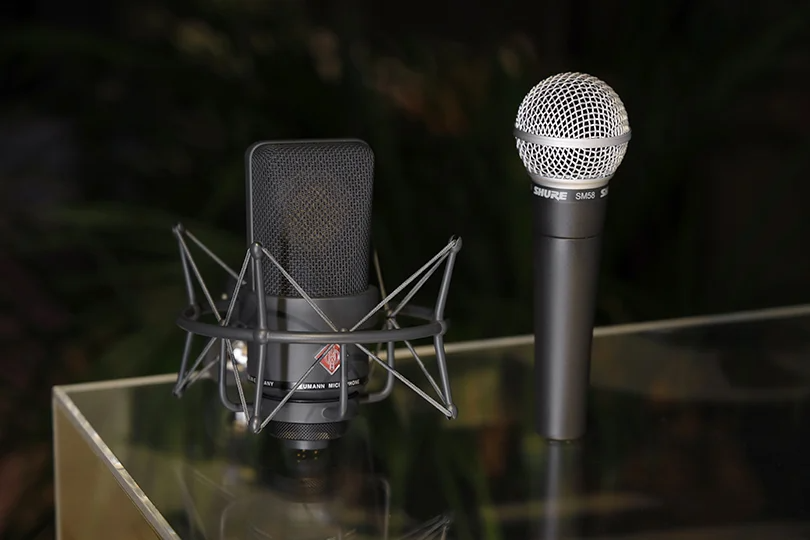
Walking into the world of microphones can feel overwhelming. You see two terms everywhere: Dynamic and Condenser. What’s the difference? Is one better than the other? Or do you need both?
The short answer is: they are built differently, they hear things differently, and they excel at completely different jobs. Oh, and by the way, we'll leave ribbon mics out of this for now, as they're highly specialized.
Let's break down the two main types of microphones and figure out which one is the right tool for your needs.
Contents
A Quick Recap: What Does a Microphone Do?
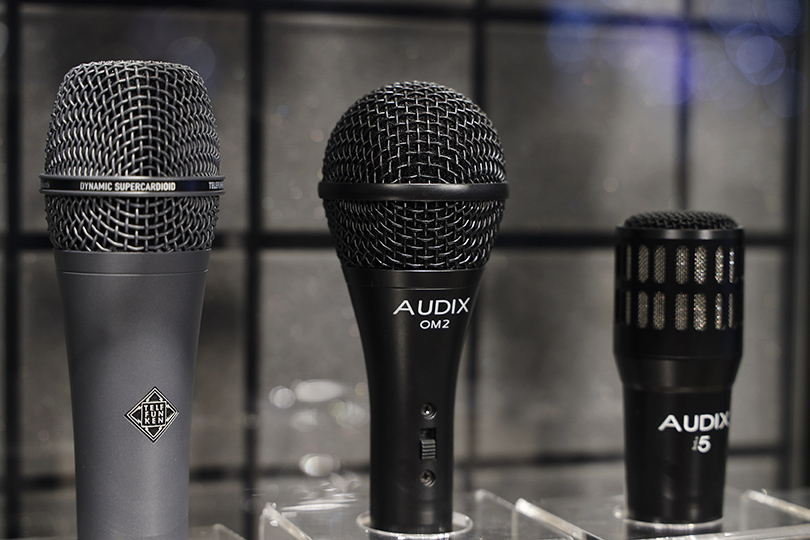
At its core, a microphone is a transducer — a device that converts one form of energy into another. It captures sound waves (acoustic energy) and transforms them into an electrical signal (electric energy) that can be amplified or recorded. The way it performs this conversion is what defines its type.
The Workhorse: The Dynamic Microphone
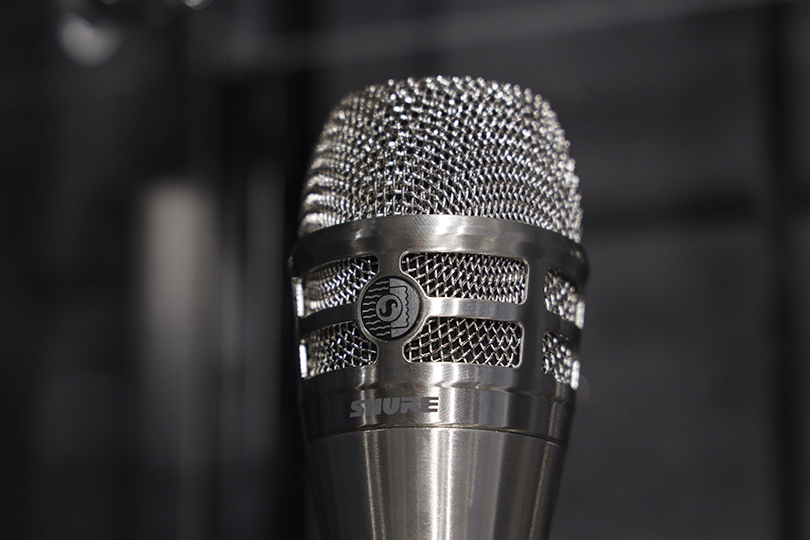
Think of a dynamic mic as a tiny loudspeaker working in reverse. A sound wave hits a plastic diaphragm, which is attached to a coil of wire. This coil is suspended over a magnet. When the sound wave makes the diaphragm and coil move, it creates a small electrical signal. It's a simple, rugged, and passive design — meaning, no internal power needed.
Pros
- Incredibly Durable: These mics are built like tanks. You can drop them, spill beer on them, and they'll (usually) keep working.
- Handle Loud Sounds: They can take a massive amount of volume without distorting. This is why they are the undisputed kings of live rock shows — perfect for screaming vocalists, loud guitar cabs, and snare drums.
- Excellent Background Noise Rejection: They are intentionally not very sensitive. They primarily pick up what's loud and directly in front of them, ignoring the noisy crowd or the echoey room.
Cons
- Low Sensitivity: That "lack of sensitivity" is also a weakness. They struggle to pick up quiet, delicate, or distant sounds.
- Less "Detailed": The heavy coil and diaphragm can't move as fast as a condenser's. This means they often capture less high-frequency detail (aka that "air" or "sparkle") in a voice or acoustic instrument.
Best For: Live vocals, podcasts in untreated rooms, electric guitar amps, drums.
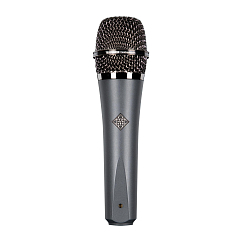
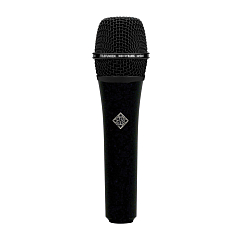
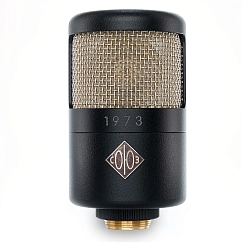
Diaphragm size: large diaphragm
Microphone polar pattern: cardioid
Microphone type: dynamic

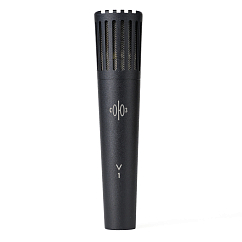
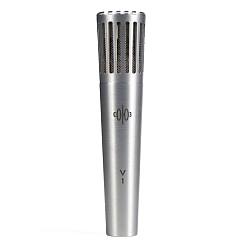
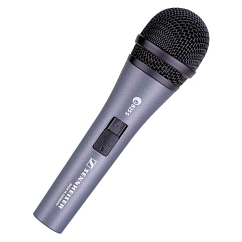

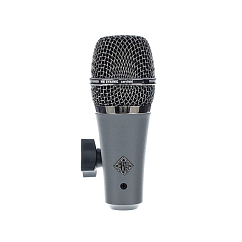
Capsule diameter, mm: 25
Audio signal format: mono
Brand: Telefunken
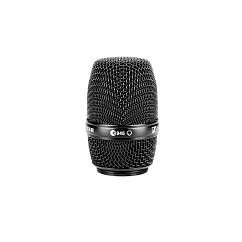
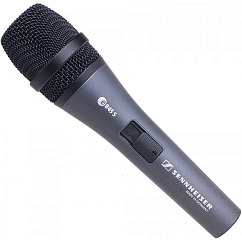

The Studio Artist: The Condenser Microphone
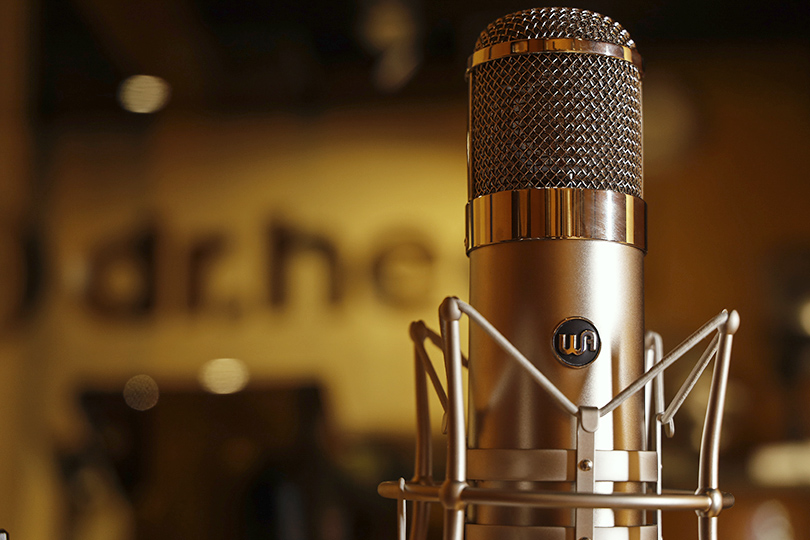
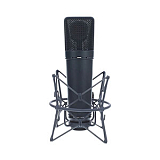
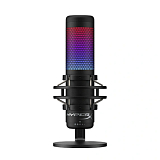
A condenser mic works like a capacitor. It has an ultra-thin, electrically charged diaphragm positioned very close to a solid metal backplate. When sound waves hit this diaphragm, it vibrates, changing the distance between it and the backplate. This change in capacitance creates the audio signal.
But here’s the catch: this design is active. It requires electricity to charge the plates and power its internal circuitry. This electricity is sent from your audio interface or mixer through the microphone cable itself and is known as +48V Phantom Power.
Pros
- High Sensitivity: They can pick up everything — the quietest whisper, the subtle creak of a guitar pick, the natural reverb of a room.
- Superior Detail & Frequency Response: The diaphragm is almost weightless, allowing it to vibrate incredibly fast. This results in a much more accurate, detailed, and natural recording, capturing the full spectrum of sound, especially the delicate high frequencies.
Cons
- Fragile: That delicate design makes them sensitive to moisture, humidity, and physical drops.
- Needs Power: You must have a device (like an audio interface or mixer) that can supply +48V phantom power.
- Hears Everything: This is their biggest drawback in a bad room. The high sensitivity means they will pick up your computer fan, the air conditioner, the neighbor's dog, and the echo of your untreated bedroom walls.
Best For: Studio vocals, acoustic guitar, piano, drum overheads, voice-overs in a quiet, treated room.
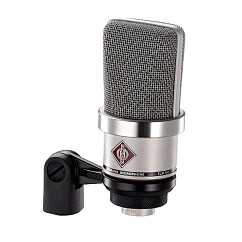
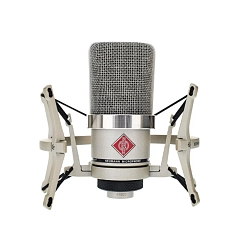
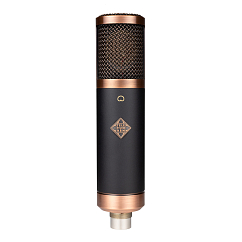

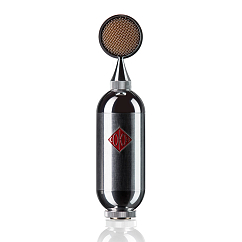
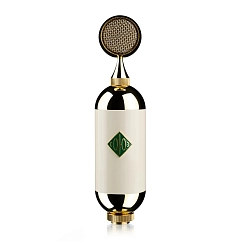
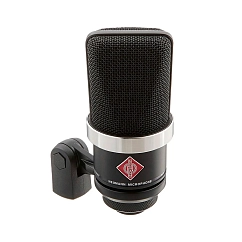

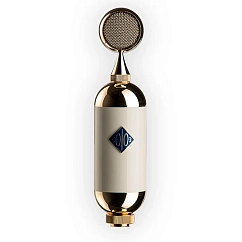
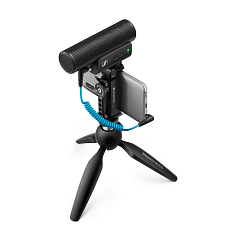
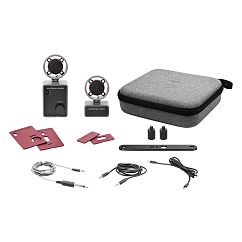
Phantom power: yes
Audio signal format: mono, stereo
Brand: Austrian Audio
Which is "Better"?
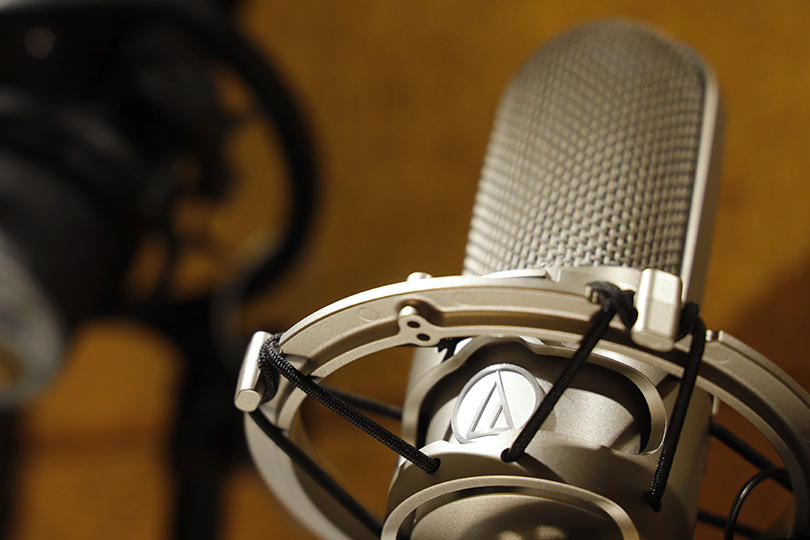
Let’s not waste any time here: this is the wrong question. Neither is "better" — they are different tools for different jobs.
- A dynamic mic is a hammer: durable, reliable, and perfect for high-impact jobs.
- A condenser mic is a scalpel: precise, detailed, and perfect for delicate surgery in a sterile, quiet environment.
Pro-Tip: Don't Forget the Polar Pattern!
The "polar pattern" is the mic's 3D pickup pattern. There are three main types of it.
- Cardioid: The most common. Picks up sound from the front, rejects sound from the back. This is what you want 99% of the time for vocals, streaming, and podcasting to reduce room noise.
- Omnidirectional: Picks up sound equally from all directions. Great for capturing the entire sound of a room (like a choir in a church) or for a multi-person podcast around one table.
- Figure-8 (Bidirectional): Picks up sound from the front and back, but rejects the sides. Perfect for a two-person interview where you're sitting opposite each other.
What About USB Mics?
A USB mic is not a type of microphone; it's a connection. Most USB mics (like the Blue Yeti or Rode NT-USB) are condenser microphones that have the ADC (Analog-to-Digital Converter) and phantom power supply built right into the mic's body. They're an all-in-one studio, perfect for podcasters and streamers who want simplicity.
The Final Word: Which One Do You Need?
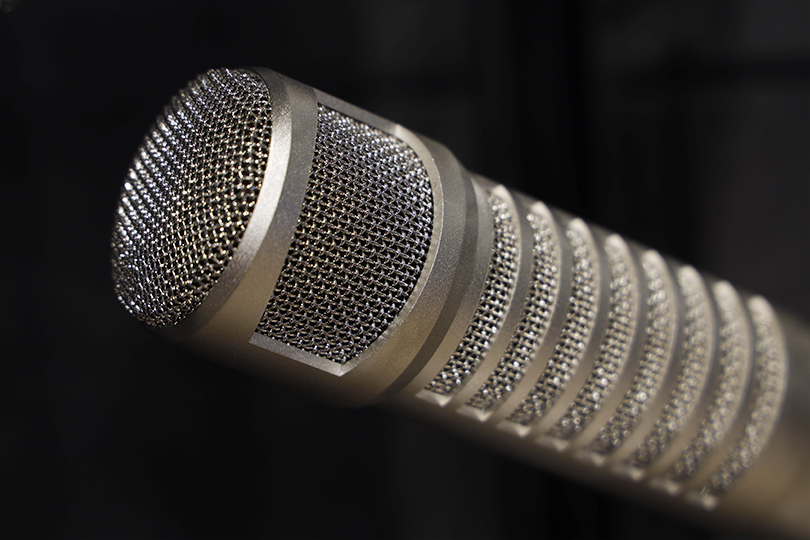
The choice is simple. Ask yourself: "Where am I recording?"
- In an untreated room, on a loud stage, or for a podcast with background noise? Start with a Dynamic Mic.
- In a quiet, treated studio or closet for detailed vocals or acoustic instruments? Get a Condenser Mic.
Ideally, a well-stocked audio toolkit has both. We most certainly do: stop by the Dr.Head showroom in Dubai, and we’ll show you our collection. Somewhere in there, your new perfect mic or two are waiting for you.