











Digital Gatekeepers: Why DACs and ADCs Are Your Audio Superheroes
Ever wonder why that vinyl record sounds so warm and alive, while a streaming track can sometimes feel… a bit sterile? Or why the same digital file sounds completely different on your phone versus a high-end music player?
The answer lies with two unsung heroes working behind the scenes: the ADC (Analog-to-Digital Converter) and the DAC (Digital-to-Analog Converter). Think of them as the crucial translators between the lush, flowing world of analog sound and the precise, coded language of digital. Understanding what they do is the key to unlocking better sound, no matter how you listen.
Contents
ADC: Capturing Reality into Code
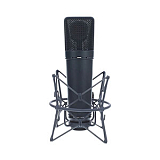
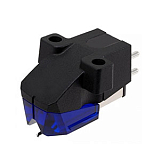
The ADC is the starting point for all digital audio. Its job is to take a real-world, analog sound wave — whether it's the vibration captured by a studio microphone or the tiny electrical signal from a turntable's needle — and convert it into a digital format (a stream of 1s and 0s).
Think of the ADC as a hyper-fast photographer or scribe. It takes thousands upon thousands of "snapshots" (samples) of the analog sound wave every single second, measuring its level (amplitude) at each point. It then assigns a numerical value to each snapshot (quantization). The result? A continuous, flowing sound wave is transformed into a discrete digital file — like WAV or FLAC — that can be stored, edited, and shared.
The quality of this initial conversion is absolutely critical. A high-quality ADC in a recording studio captures more nuance, detail, and dynamic range from the original performance, preserving the magic. A cheap ADC? It misses details and introduces errors right from the start.
DAC: Bringing Digital Back to Life
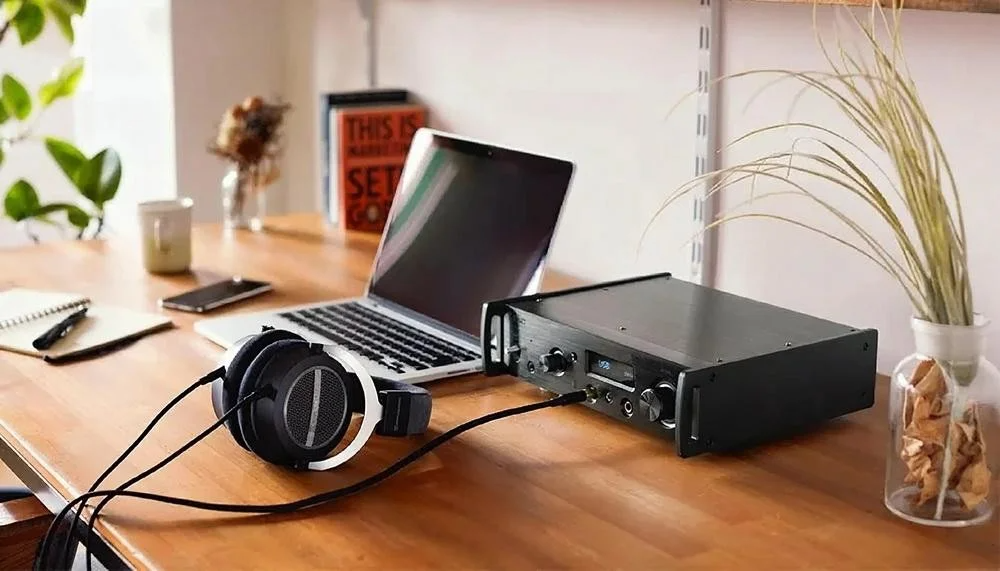
The DAC does the exact opposite, but its role is arguably even more important for you, the listener. It takes that digital code — from a file on your laptop, a stream from Spotify, or a track on a CD — and translates it back into an analog electrical signal that your amplifier, speakers, or headphones can actually understand and turn into sound.
Think of the DAC as a masterful artist or sculptor. It reads the digital blueprint (the 1s and 0s) and meticulously reconstructs the original analog sound wave. This is where the magic happens in your system.
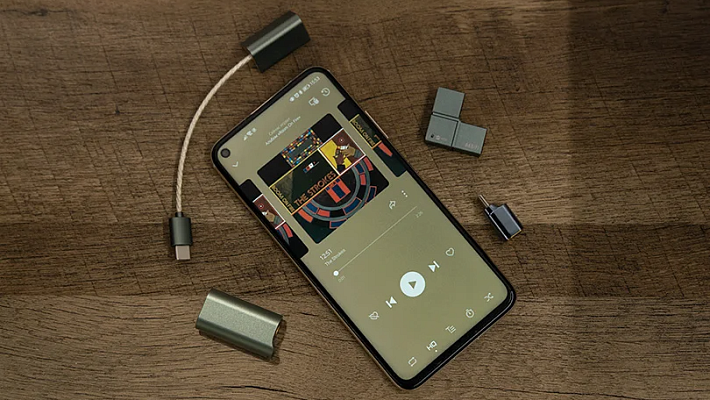
Every digital device that makes sound — your phone, laptop, TV, Bluetooth speaker — has a DAC built in. But usually, these are tiny, budget chips designed to just get the job done. They often cut corners, resulting in sound that lacks detail, dynamics, and realism.
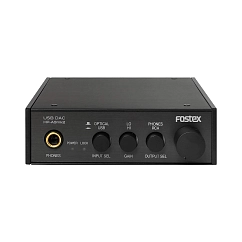
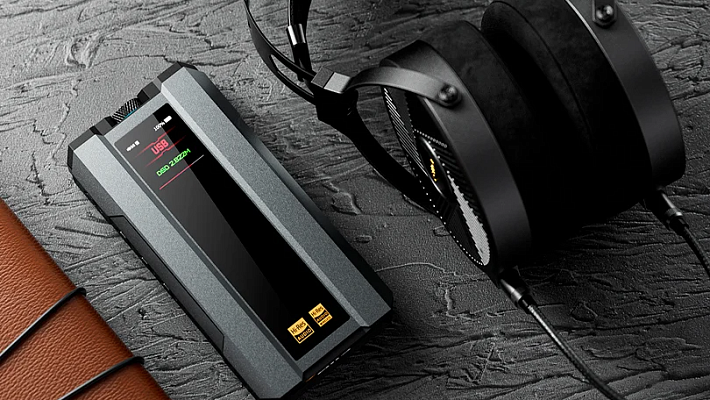
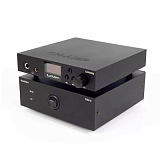
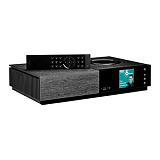
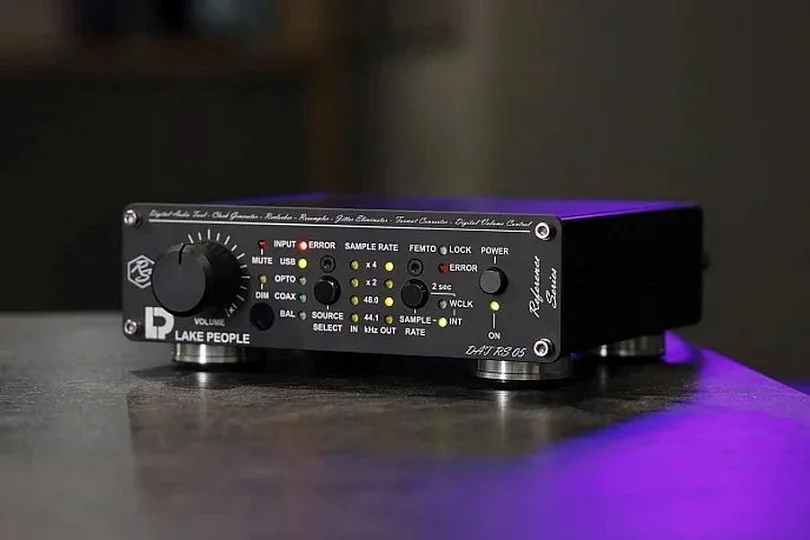
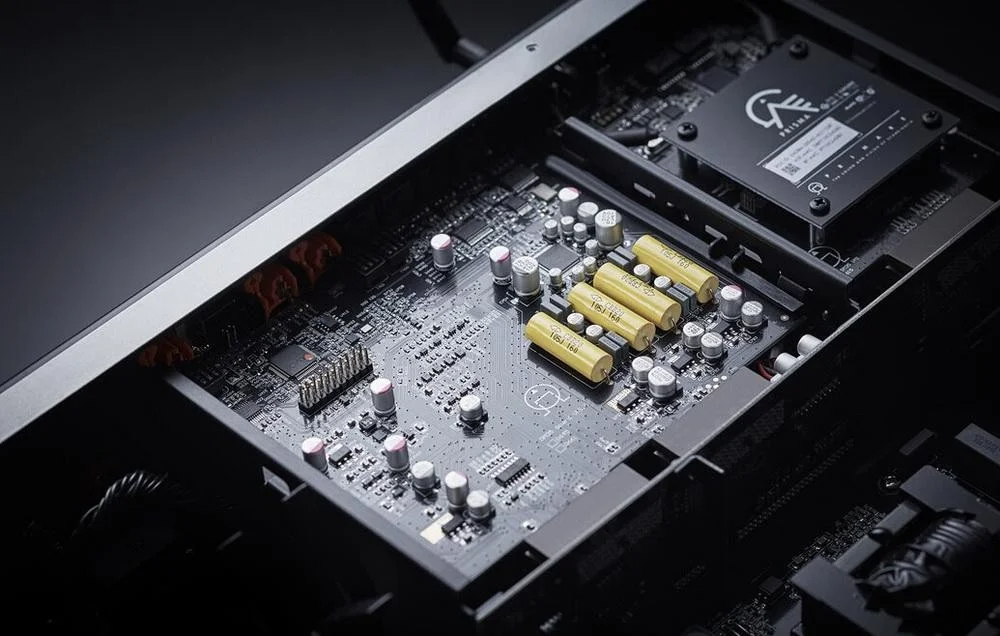
This is why external DACs are so popular in the Hi-Fi world. Whether it's a dedicated standalone unit, built into a high-quality streamer, or part of a DAC/headphone amp combo, a good external DAC performs the digital-to-analog conversion with far greater precision and finesse. It uses better components, more sophisticated filtering, and crucially, a more stable master clock (the internal metronome that times the conversion process) to minimize errors like jitter — timing inconsistencies that smear the sound.
The result? Deeper soundstage, more accurate instrument tones, and a level of detail that makes you feel like you're in the room with the musicians.
How They Work (The Simple Version)
ADC Process — Capturing
- Sampling: Takes rapid snapshots of the analog wave's level. (Higher sample rate = more snapshots per second).
- Quantizing: Assigns a numerical value to each snapshot based on its level. (Higher bit depth = more possible levels, more detail).
- Encoding: Converts those numbers into binary code (1s and 0s).
DAC Process — Recreating
- Decoding: Reads the binary code from the digital file.
- Converting: Turns each code back into a corresponding voltage level, creating a "stair-step" signal.
- Filtering/Smoothing: This is the critical part. A sophisticated analog filter smooths out the stair-steps, reconstructing the original smooth analog wave. The quality of this filter is what separates great DACs from mediocre ones.
- Outputting: A final stage gently boosts the reconstructed analog signal to line level, ready for your amplifier.
The Bottom Line
ADCs and DACs are the essential gatekeepers between the analog and digital audio realms. The ADC works upstream in the studio, capturing the performance. The DAC works downstream in your system, bringing that performance back to life.
While you can't control the quality of the ADC used to make your favorite recordings, you can control the quality of the DAC you use to listen to them. Upgrading from the basic DAC in your phone or computer to a dedicated, high-quality DAC is often the single most impactful upgrade you can make to your digital audio system. It’s the key to hearing all the music locked away in those digital files.


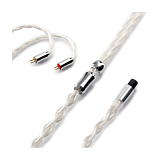
Braid material: PVC
Cable length, m: 0.35
Connector (left): RCA male, USB-C

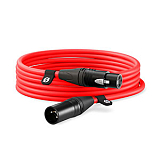
Braid material: PVC
Cable length, m: 0.65
Cable type: straight


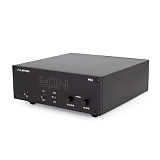
Circuit design: discrete
Form factor: stationary
Impedance, Ohms: 4, 8
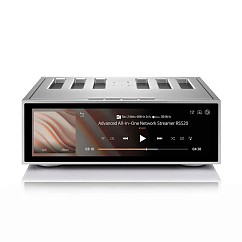
Circuit design: discrete
Form factor: stationary
Impedance, Ohms: 4, 8
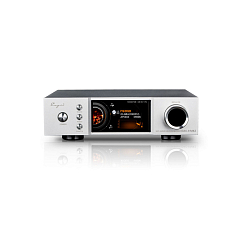

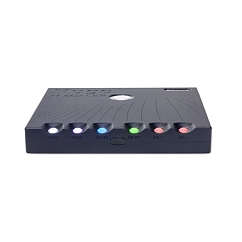
Brand: Chord
Input connectors: Toslink, BNC, USB-B
Output connectors: BNC, Toslink