










Bone Conduction Headphones: How to Listen to Music Without Plugging Your Ears
Imagine this: you're cruising on your bike, jamming to your favorite playlist, but you still clearly hear that car approaching from behind. Or you're jogging through the park, lost in a podcast, yet you instantly react when a friend calls your name. This isn't magic — it's bone conduction.
These unique headphones transmit sound through your bones directly to your inner ear, leaving your ear canals completely open. The biggest win? Situational awareness. You stay connected to the world around you without sacrificing your personal soundtrack. Let's dive into how they work and if they're right for you.
Contents
How Do They Even Work? Sound Through Your Skull!
.png)
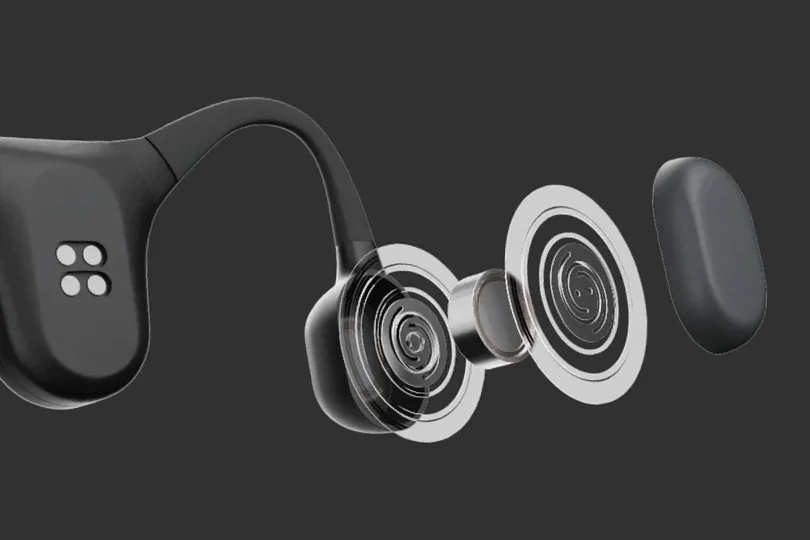
Traditional headphones send sound waves through the air in your ear canal to vibrate your eardrum. Bone conduction headphones bypass the eardrum entirely.
Tiny transducers rest on your cheekbones, just in front of your ears. They convert the audio signal into micro-vibrations. These vibrations travel through the bones of your skull directly to the cochlea (your inner ear), where your brain interprets them as sound. Your ear canals remain completely uncovered, letting you hear ambient sounds naturally.
A Quick History: From Hearing Aids to High-Tech
Bone conduction isn't new. The principle was used in some of the earliest hearing aids back in the 1920s for people with certain types of hearing loss. Since then, it's been used by the military (receiving commands while hearing the battlefield) and divers (communicating underwater where air conduction fails).
Consumer bone conduction headphones really took off in the 2000s. Early models were clunky and sounded pretty mediocre, but technology has rapidly improved. Today's models are lightweight, comfortable, and sound surprisingly good (though different!).
The Upsides: Why Go Bone Conduction?
- Safety First (Situational Awareness): This is the killer feature. Hearing traffic, pedestrians, cyclists, or announcements while still enjoying audio is a massive safety benefit, especially for runners, cyclists, and anyone exercising outdoors.
- Open-Ear Comfort: Nothing in or on your ear canal means no pressure, no soreness, and less chance of ear infections for those prone to them. They're fantastic for people who find traditional earbuds uncomfortable for long periods.
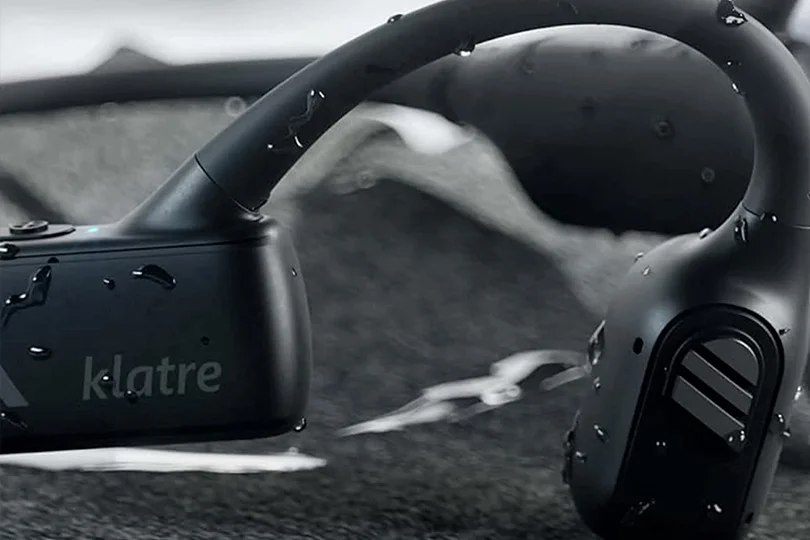
- Great for Sports: They typically have a secure, wrap-around fit that stays put during intense activity. Plus, most are designed with sweat and water resistance in mind.
- Hygiene: Since nothing goes in your ear, they stay cleaner and are easy to wipe down after a workout.
The Downsides: It's Not All Perfect
Bone conduction is cool, but it comes with trade-offs you need to know about.
- Sound Quality: Physics is physics. Transmitting sound through bone is less efficient than through air, especially for low frequencies. Expect less bass impact and overall lower fidelity compared to good in-ear or over-ear headphones at a similar price. They're great for podcasts and background music, but maybe not for critical, audiophile listening.
- The "Tickle" Factor: At higher volumes, especially with bass-heavy music, you might feel a distinct vibration or "tickle" on your cheekbones. Most people get used to it, but it can be distracting at first.
- Sound Leakage: Because your ears are open, people nearby might hear your audio, especially at higher volumes. They aren't ideal for quiet offices or public transport if you like your music loud.
- No Isolation: The flip side of awareness. In noisy environments (like a plane or busy street), external sounds can easily drown out your audio, forcing you to crank the volume, which increases vibration and leakage.
Key Features to Look For When Choosing
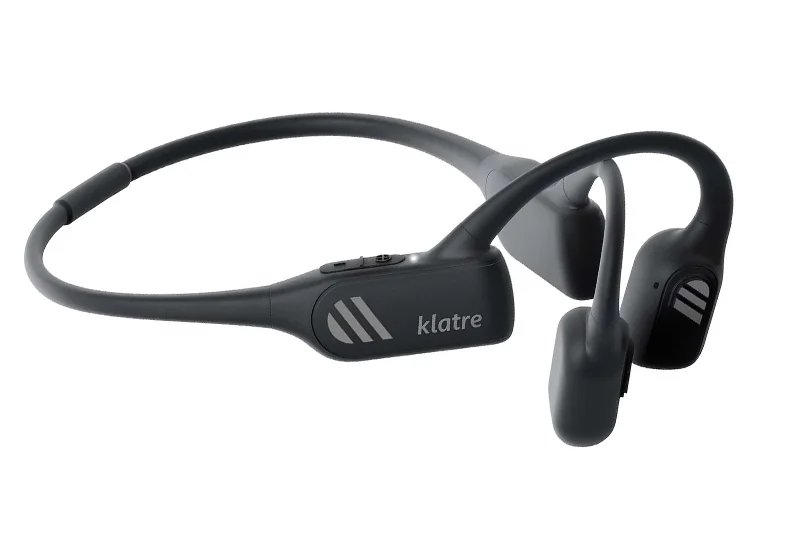
- Fit & Weight: Look for a lightweight, ergonomic design that feels secure but doesn't clamp too hard.
- Water Resistance — IP Rating: Crucial for sports. IPX4 is good for sweat and light rain. IPX7 can handle submersion. IPX8 is needed for swimming.
- Specialty — Swimming Models: Since Bluetooth doesn't work underwater, dedicated swimming models have built-in MP3 players to store music directly on the headphones.
- Battery Life: Aim for at least 8 hours for all-day use.
- Microphone Quality: If you plan to take calls, look for models with multiple mics and noise-canceling technology for clear voice pickup. Bone conduction mics can sometimes sound thin or pick up vibrations.
- Connectivity: Modern Bluetooth (5.0 and 6.0+) is standard. Multipoint pairing (connecting to phone and laptop simultaneously) is a huge convenience feature.
The Verdict: Who Are They Really For?
Bone conduction headphones aren't trying to replace your high-fidelity cans. They are a specialized tool for specific situations.
They are PERFECT for:
- Runners, cyclists, hikers, and outdoor athletes who prioritize safety.
- People who find traditional earbuds uncomfortable or irritating.
- Swimmers (with the specific waterproof MP3 models).
- Workers who need to hear colleagues or surroundings while listening to audio.
- Individuals with certain types of conductive hearing loss.
They are NOT ideal for:
- Audiophiles seeking the absolute best sound quality and deep bass.
- Commuters needing to block out train or plane noise.
- Anyone needing complete audio privacy in quiet environments.
Bone conduction offers a unique blend of personal audio and environmental awareness. If safety and comfort are your top priorities during activities, they are an absolutely fantastic solution. Want to feel the vibe? Come try them out at the Dr. Head showroom in Dubai!

Brand: Shokz
Headphone type: wireless
The lowest frequency, Hz: 20

Brand: Shokz
Headphone type: wireless
The lowest frequency, Hz: 20

In-Ear headphone type: true wireless
Brand: Shokz
Headphone type: wireless

In-Ear headphone type: true wireless
Brand: Shokz
Headphone type: wireless

Brand: Shokz
Headphone type: wireless
The lowest frequency, Hz: 20
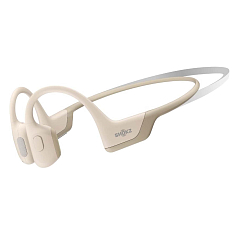
Brand: Shokz
Headphone type: wireless
The lowest frequency, Hz: 20
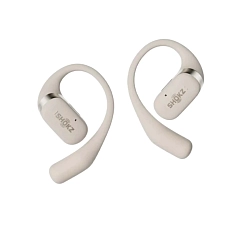
Brand: Shokz
Headphone type: wireless
The lowest frequency, Hz: 50

Brand: Shokz
Headphone type: wireless
The lowest frequency, Hz: 20

In-Ear headphone type: true wireless
Brand: Shokz
Headphone type: wireless
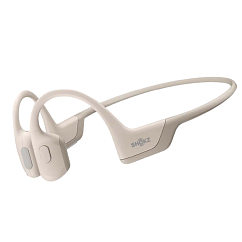
Brand: Shokz
Headphone type: wireless
The lowest frequency, Hz: 20

Brand: Shokz
Headphone type: wireless
The lowest frequency, Hz: 20

Brand: Shokz
Headphone type: wireless
The lowest frequency, Hz: 20