











What Is a DAC and What Types Are Available?
A DAC (Digital-to-Analog Converter) does more than just translate digital ones and zeros into sound—it plays a key role in shaping the quality and character of that sound. Whether it's an external standalone unit or a high-quality chip integrated into your device, a good DAC can greatly enhance your audio experience. In this guide, we’ll explore the topic without diving too deep into technical jargon, so you can feel confident when choosing the right device. Let’s get started!
Contents
DAC
Brand: Naim
Power output: 1.5
The lowest frequency, Hz: 20
Brand: Chord
Headphone output: 3.5mm jack
Power output: 0.6

Brand: FiiO
Power output: 1.4
The lowest frequency, Hz: 20


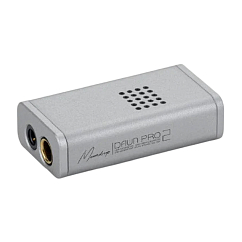
Brand: MoonDrop
Headphone output: 3.5mm jack, 4.4mm jack
Output connectors: 3.5mm jack, 4.4mm jack
What Is a DAC?
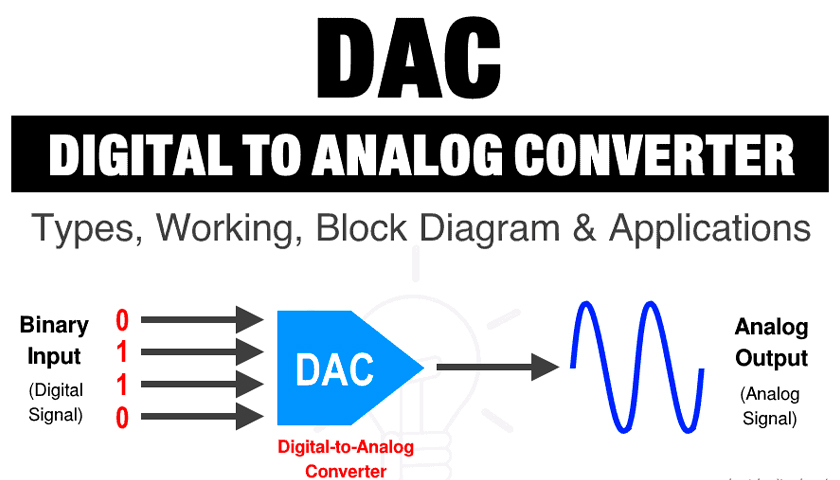
A DAC, or Digital-to-Analog Converter, is a crucial component in any audio playback system. It transforms digital audio data — those streams of 1s and 0s stored on your smartphone, computer, streaming service, or CD — into an analog signal that your headphones or speakers can actually reproduce as sound. Digital audio is efficient for storage and transmission, but our ears can only perceive analog waveforms. The DAC acts as the translator between the digital world and the analog world, ensuring that the sound you hear is smooth, accurate, and true to the original recording. Whether it’s built into your phone or part of a high-end external setup, a quality DAC can make a noticeable difference in audio clarity, detail, and overall listening experience.
Why Do You Need a DAC?
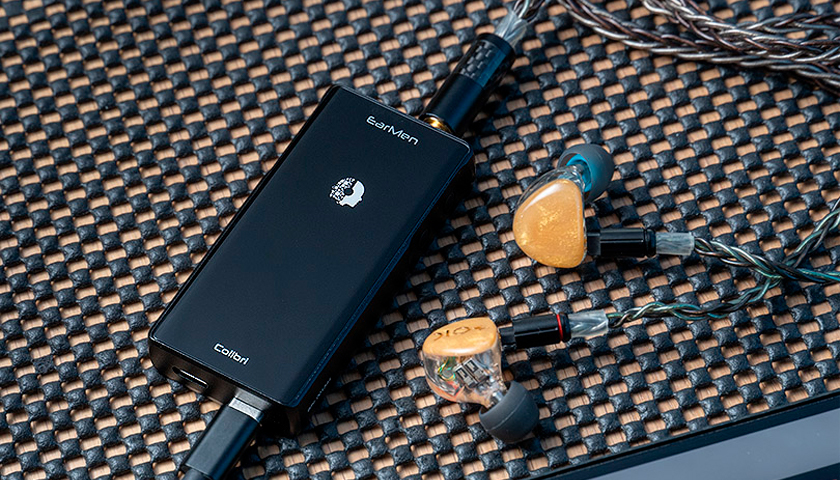
A DAC is essential because it converts the digital audio stored on your smartphone, computer, or music player into an analog signal — something your amplifier and headphones or speakers can actually use. Even though you're listening to digital music, what your ears hear is always analog. The DAC shapes how that digital file sounds when it’s finally played back.
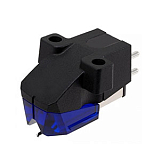
Fifty years ago, none of this was necessary. Music was recorded, stored, and played back entirely in analog form. Studio equipment captured performances on magnetic tape, which was then pressed onto vinyl records or reel-to-reel tapes. A turntable’s cartridge would trace the grooves of a record, picking up the analog waveform and sending it through the amp to the speakers. From start to finish, it was an all-analog signal path—with no digital data or conversion in sight.
Why the DAC in Your Smartphone Isn’t Enough
Your smartphone is a powerful, all-purpose device that handles everything from messaging to streaming—but high-quality music playback isn’t its main focus. While it does include a built-in DAC and amplifier, these components are usually part of a compact “all-in-one” chip that also handles other audio tasks like analog-to-digital conversion (ADC) and system sounds.
Because of this cramped and multitasking setup, the audio output from smartphones often suffers. You get limited dynamic range (the contrast between soft and loud sounds), weaker stereo separation, and noticeable electrical noise caused by interference from nearby components like the CPU and wireless radios.
Switching to a dedicated DAC and amplifier—whether it’s a USB dongle DAC, a portable DAC/amp, or a full-sized desktop unit—can dramatically improve sound quality. You’ll hear cleaner audio, better detail, and a more immersive listening experience overall.
Standalone DACs
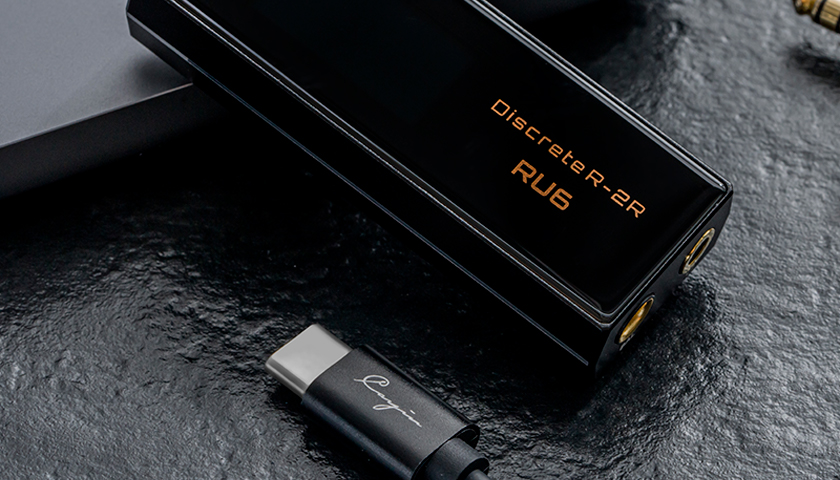
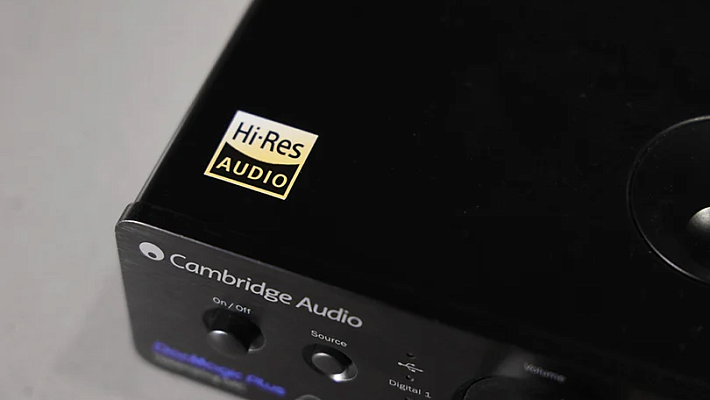
External DAC/amp units easily outperform the built-in audio hardware found in most smartphones and laptops. That’s because standalone devices use higher-quality components and are designed specifically for clean, high-fidelity audio. In these units, manufacturers isolate the DAC chip from sources of electrical interference and often separate the DAC, amplifier, and processor sections to reduce noise and distortion. Many standalone DACs also support Hi-Res Audio formats — such as 24-bit/192kHz or DSD — that most mobile devices can’t process natively. The result is clearer, more detailed sound with better dynamics and separation.
What Types of DACs Are There?
Standalone DACs come in all shapes and sizes — some compact enough to carry in your pocket, others built for permanent placement in a home audio system. Each type serves a different purpose, depending on your setup and listening preferences. Let’s take a look at the most common types and what they’re best suited for.
DAC
Brand: Naim
Power output: 1.5
The lowest frequency, Hz: 20
Brand: Chord
Headphone output: 3.5mm jack
Power output: 0.6
Brand: FiiO
Power output: 1.4
The lowest frequency, Hz: 20
Brand: MoonDrop
Headphone output: 3.5mm jack, 4.4mm jack
Output connectors: 3.5mm jack, 4.4mm jack
Portable USB DACs
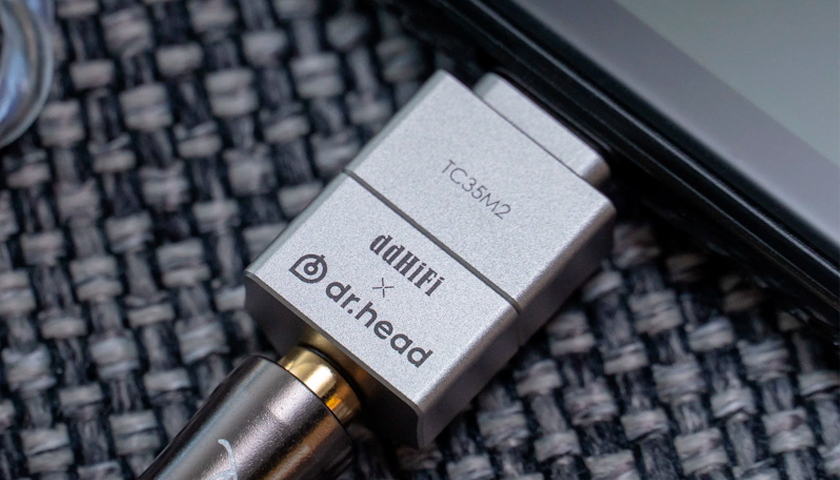
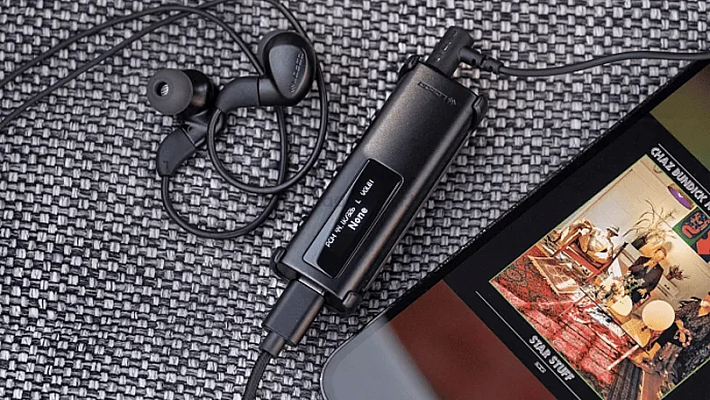
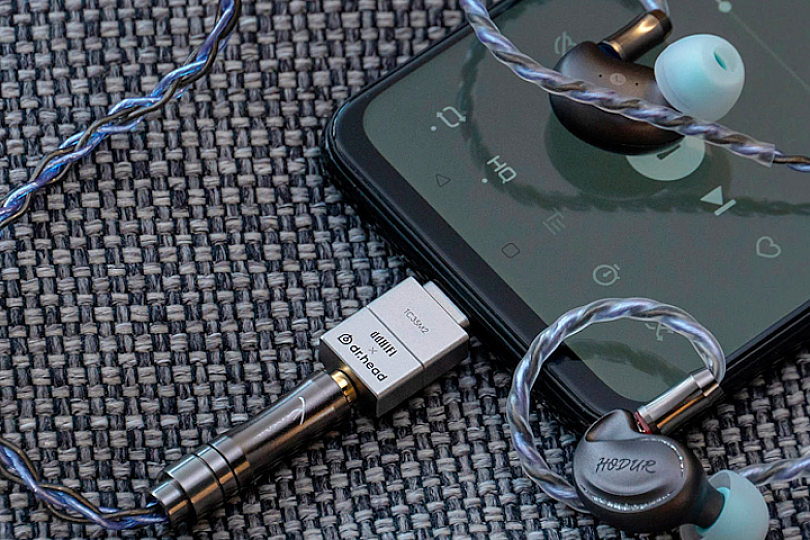
These compact DACs, often called dongle DACs, are roughly the size of a USB flash drive and connect directly — or via a short cable — to your smartphone, tablet, or laptop. Despite their small size, they usually include a headphone jack and a built-in amplifier, making them a major step up from your device’s internal audio hardware.
A great example is the iFi GO Bar — a compact yet powerful portable DAC/amp with a robust metal build. It supports high-resolution audio up to 32-bit/384kHz and DSD256, and delivers up to 475 mW of power via its balanced output. With features like XBass and XSpace sound enhancements, it offers an impressive listening experience and can easily drive high-impedance headphones.
Desktop DACs
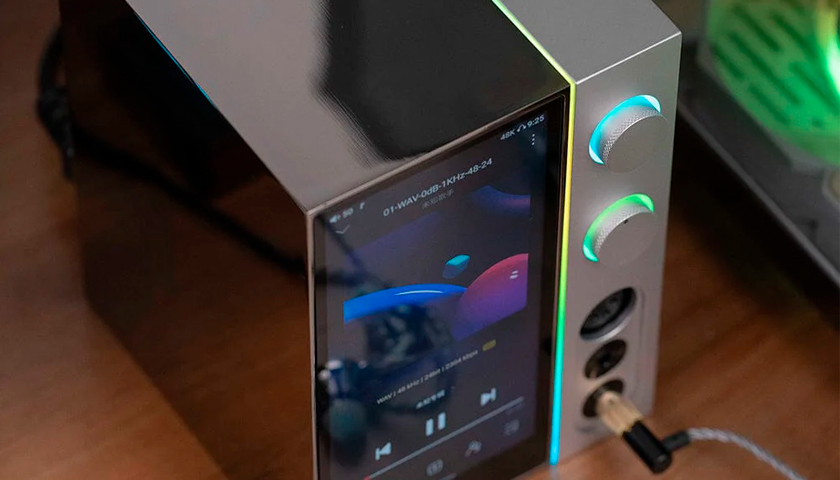
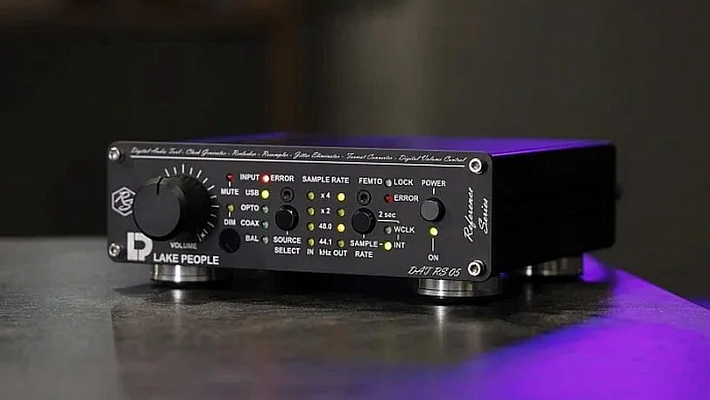
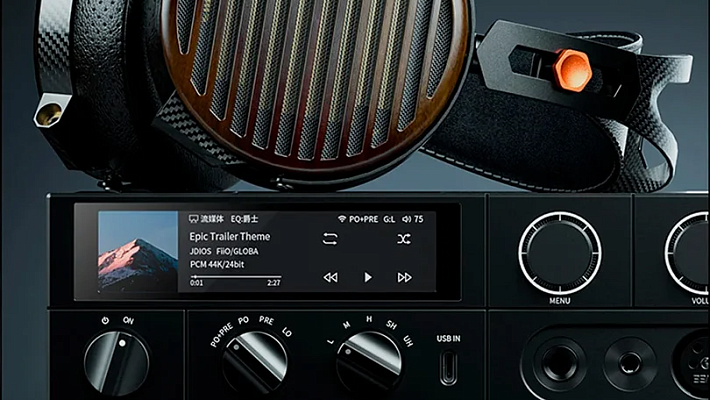
Desktop DACs are larger, more powerful devices that can either include a built-in headphone amplifier or function purely as standalone converters. Adding one to your audio setup can dramatically elevate your listening experience—enhancing detail, expanding the soundstage, and revealing nuances in your favorite tracks that you may have never noticed before.
Even with standard CD-quality audio (16-bit/44.1kHz), the improvement in resolution and clarity is noticeable. And because desktop DACs often come with a wide range of input and output options—USB, optical (TosLink), coaxial, and even Bluetooth—they’re perfect for integrating into home audio systems.
A standout example is the Chord Qutest. Designed with audiophile-grade precision, it delivers exceptional digital-to-analog conversion using Chord’s proprietary FPGA technology. While it doesn’t offer wireless connectivity, it shines when connected to digital sources like laptops, CD transports, or streamers via USB, coaxial, or optical inputs. The Qutest supports ultra-high-resolution formats, including PCM up to 32-bit/768kHz and DSD512, offering pristine, detailed playback that meets the expectations of even the most discerning listeners.
Despite its advanced capabilities, the Chord Qutest is remarkably user-friendly: simply connect your source, select your input, and enjoy. Its minimalist design is paired with intuitive controls and selectable filter settings that let you fine-tune the sound to your preference. Praised for its outstanding sonic performance and technical innovation, the Qutest has earned a strong reputation among audiophiles as one of the best standalone DACs in its class.
DAC
Brand: Naim
Power output: 1.5
The lowest frequency, Hz: 20
Brand: Chord
Headphone output: 3.5mm jack
Power output: 0.6
Brand: FiiO
Power output: 1.4
The lowest frequency, Hz: 20
Brand: MoonDrop
Headphone output: 3.5mm jack, 4.4mm jack
Output connectors: 3.5mm jack, 4.4mm jack
Amplifiers with Built-In DACs
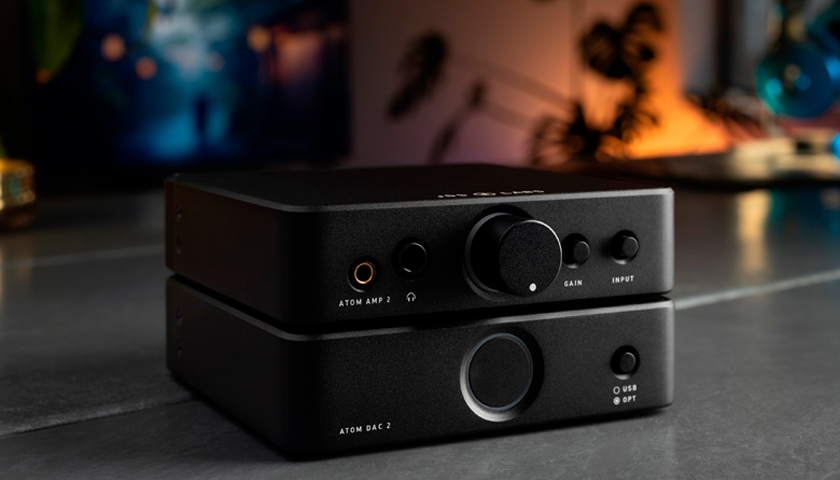
These devices come in both desktop and portable versions, though we’ll focus on desktop amps here. Many headphone and speaker amplifiers now feature built-in DAC chips to expand their digital capabilities.
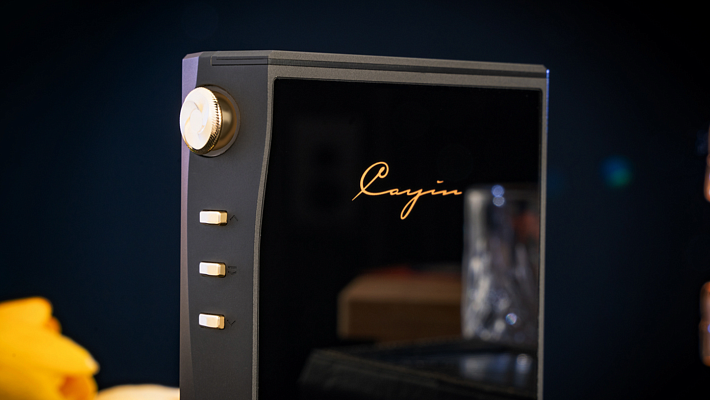
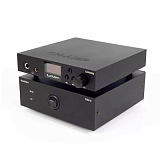
The Cayin iHA-6 is a prime example of a high-performance headphone amplifier and DAC combo that can serve as the centerpiece of your audio setup. It supports a wide range of digital inputs and features a high-quality built-in DAC capable of handling high-resolution audio files, delivering rich and detailed sound. With its versatile connectivity and robust amplification, the iHA-6 is designed to elevate your listening experience, requiring only your choice of headphones or speakers to complete the system.
Final Thoughts
Whether you choose a standalone DAC or a DAC-amp combo, adding one to your setup can greatly enhance your listening experience. At Dr.Head, you’ll find a wide range of options available for hands-on testing. Pick the form factor that best fits your lifestyle—and let the sound speak for itself.