


























Vinyl’s Secrets: Where Does a Plastic Disc Hide Such Magic Sound?
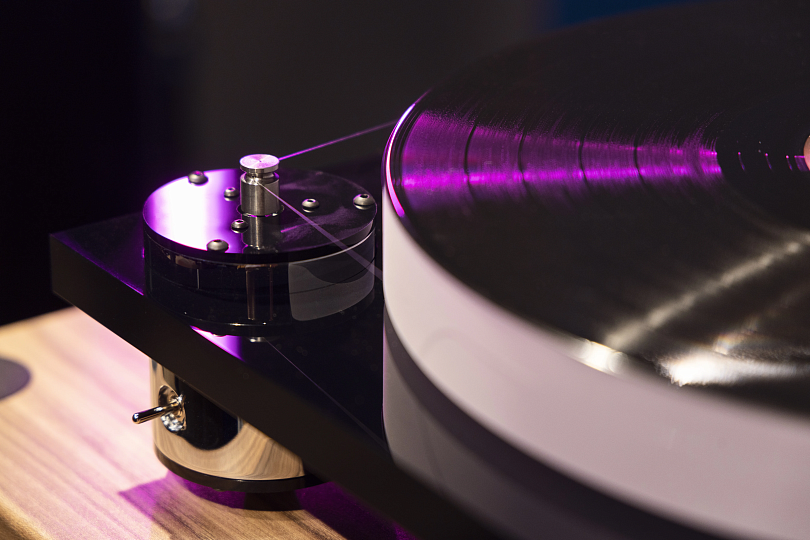
The musical capability of a vinyl record is an "ordinary miracle." It is ordinary because the process of its sound extraction is strictly scientific and obeys the laws of physics — but for the exact same reason, it’s a miracle.
Isn't it amazing that a glossy plastic disc can play your favorite music with that unique, warm analog flavor? Let’s get rid of this wonderful magic (but only temporary!) and break down exactly how all this works.
Contents
How Are Vinyl Records Made?

Let’s start at the beginning. Essentially, a vinyl disc is a puck of Polyvinyl Chloride (PVC for short)flattened under a pressure of about 100 tons. However, before the record reaches your turntable, it goes through a complex manufacturing process.
- The Lacquer Cut: An aluminum disc coated with smooth nitro-lacquer (or just the "lacquer") is placed on a machine. A sapphire-tipped cutter carves a spiral groove into it.
- The Sound Waves: Inside this groove lies the "magic pattern" — a mechanical drawing of the sound wave. On modern stereo records, the sound is cut both along the edges of the groove and into its depth.
- The Mastering: Before the signal is cut, it undergoes special mastering. The volume is lowered, bass frequencies are cut, and high frequencies are boosted. This is necessary because of the physical limitations of the needle. During playback, a phono stage reverses this process, restoring the bass and balancing the tone.
- The Stamper: The cut lacquer is coated in nickel to create a negative impression, which becomes the "stamper" or matrix.
- The Pressing: Hot, colored PVC is placed between two stampers — Side A and Side B. The paper labels are applied, and the press slams down. The record is cooled, trimmed, and packed.


Arrival: 202531
Performer: Lady Gaga
Genre: Electronic, Hip Hop, Pop


Arrival: 202537
Performer: Charli XCX
Genre: Electronic, Pop


Multipoint: yes
Brand: Focal
Headphone type: wireless

Arrival: 202552
Performer: Madonna
Genre: Electronic, Hip Hop, Pop


Arrival: 202537
Performer: The Black Keys
Genre: Rock


Arrival: 202537
Performer: Sabrina Carpenter
Genre: Electronic, Pop

Vinyl Formats and Speeds
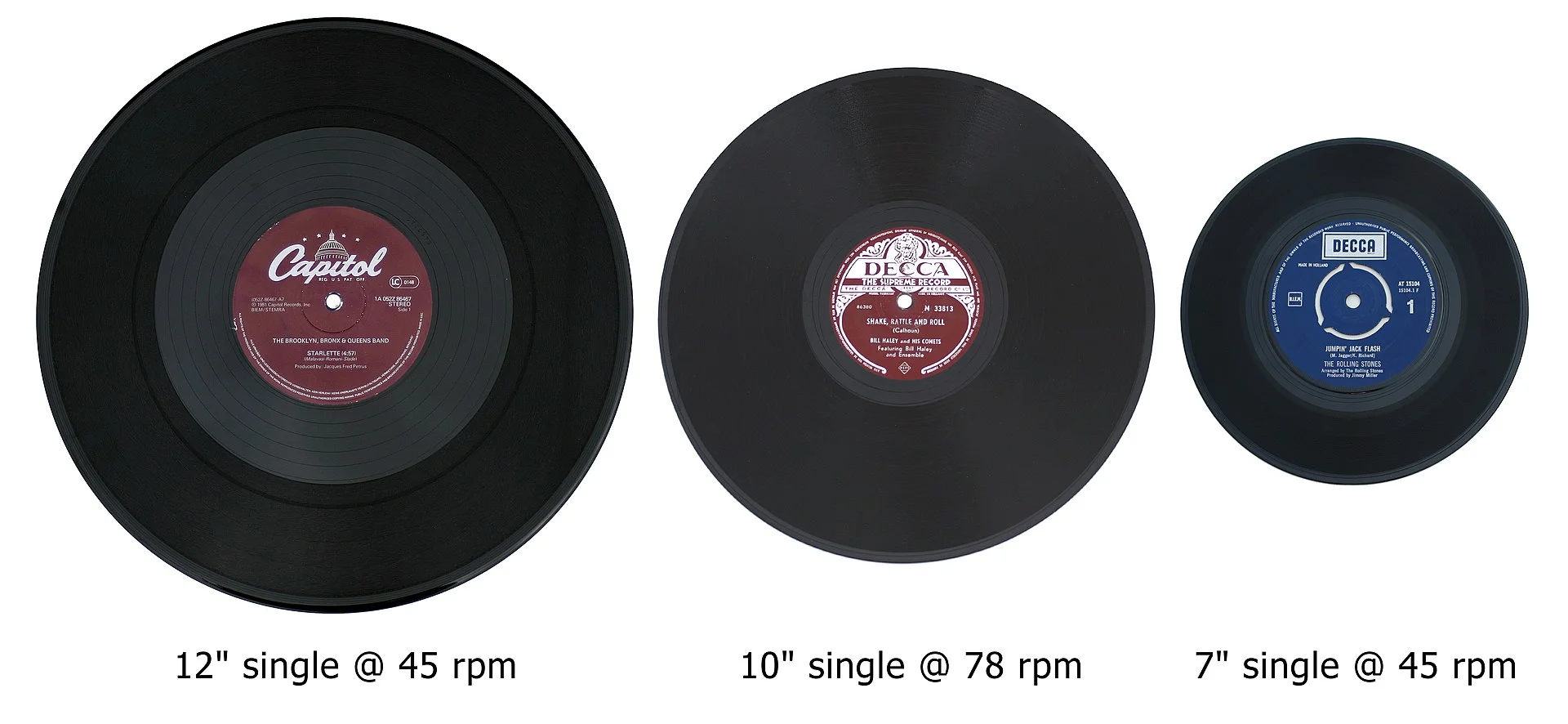
The quality of sound and the amount of music a record can hold depend on its size and its Revolutions Per Minute, aka RPM.
Records that spin faster generally sound better. The groove is stretched out over a longer distance, giving the needle more physical space to read complex high frequencies. However, faster speed means less recording time — so it’s always about striking that balance.
The Main Formats
- 12-inch (LP): The standard album format. Plays at 33⅓ RPM. It holds about 20–22 minutes of music per side.
- 10-inch (EP): Common in the 1950s–70s and still used for Extended Plays. At 33 RPM, it holds about 15 minutes per side.
- 7-inch (Single): The classic "45." Holds only one or two songs per side. A favorite of collectors and jukeboxes.
How a Turntable Works

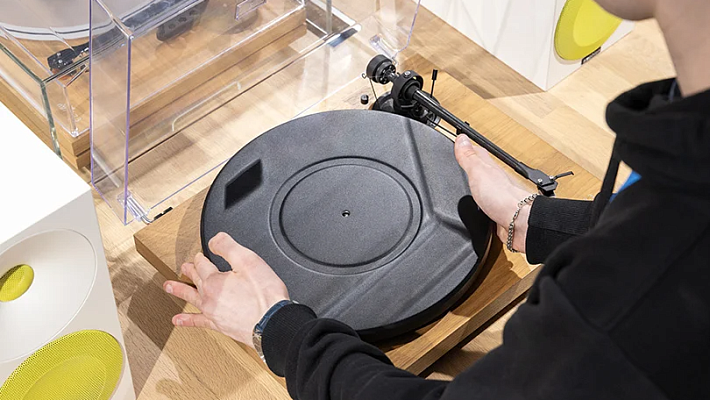
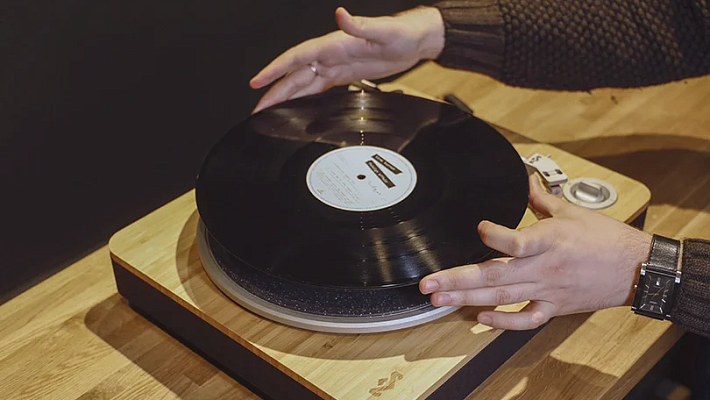
Despite looking simple, a turntable — the device that “decyphers” vinyl records — is a precision instrument. Every element must work in perfect harmony, as even the slightest vibration can ruin the sound. The two most important elements are, of course, the motor and the cartridge.
The Motor
The main task of the motor is to spin the platter as smoothly and accurately as possible.
- Belt Drive: The motor spins a rubber belt that turns the platter. These are often preferred by audiophiles because the rubber absorbs motor vibrations, reducing noise. However, belts can wear out over time.
- Direct Drive: The motor is placed directly under the platter. These are more stable and have higher torque (which is great for DJs), but cheaper models can transmit motor noise to the needle.
The Cartridge
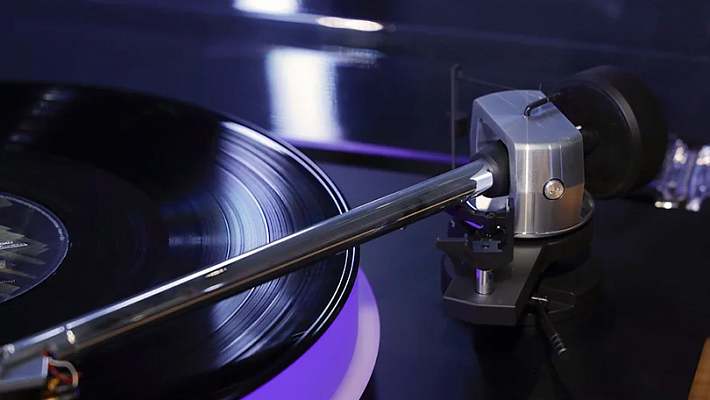
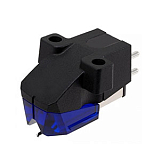
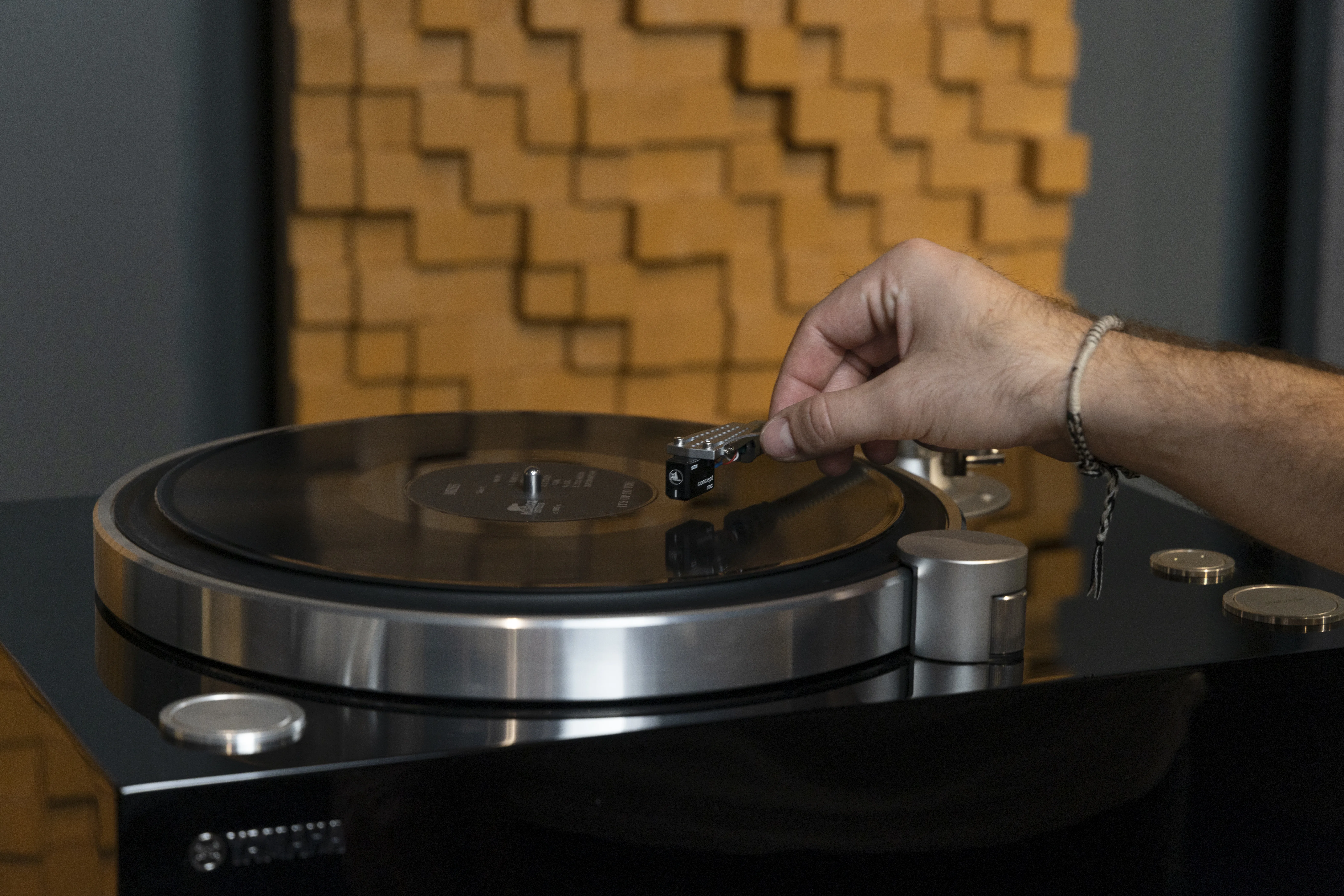
The cartridge is mounted on the tonearm, and this is where the actual sound extraction happens. Let’s break down the four-step process, while we’re at it, to see how it works.
- The Stylus: A tiny tip made of industrial diamond or sapphire slides along the record groove.
- The Cantilever: The stylus is attached to a small bar called a cantilever. As the stylus bumps up and down and side to side in the groove, it vibrates the cantilever.
- The Generator: The vibrating cantilever moves magnets near a coil (MM) or moves coils inside a magnetic field (MC).
- The Signal: This movement converts mechanical energy into electrical energy. This tiny electrical signal is sent to the phono stage to be amplified and equalized, then to your amplifier, and finally, to your speakers.
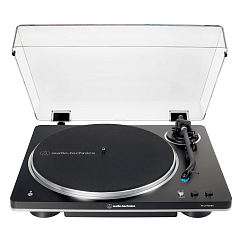
Bluetooth version: 5.2
Brand: Audio-Technica
Cartridge type: MM
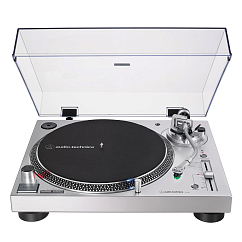

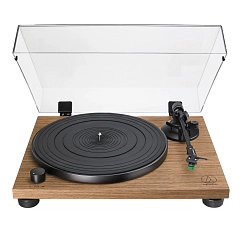
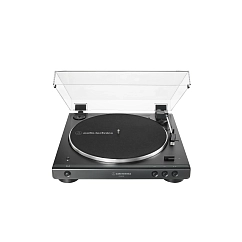
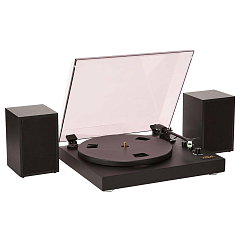


Bluetooth version: 5.2
Brand: Audio-Technica
Cartridge type: MC, MM
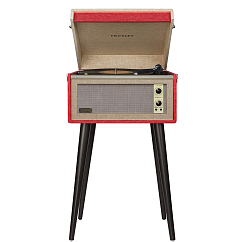
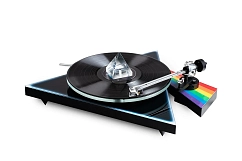

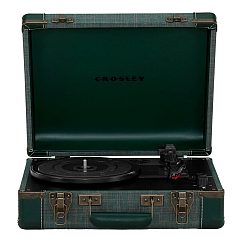
Bluetooth version: 4.1
Brand: Crosley
Cartridge type: MM
Conclusion
Vinyl isn't about "perfect" technical specs. In terms of absolute silence and dynamic range, digital Hi-Res formats often win on paper.
But vinyl is not your average background noise; it’s an experience. It’s about the tactile ritual of dropping the needle, the large artwork, and the warm, "alive" sound that digital often lacks. It’s an investment of time and money that rewards you with deep emotion.
Ready to start your vinyl collection? Visit the Dr.Head showroom in Dubai. Whether you are looking for your first turntable or upgrading to a high-end audiophile setup, we invite you to listen, compare, and find the perfect gear in our dedicated listening rooms.