

























The Ultimate Guide to Building Your Own Home Cinema
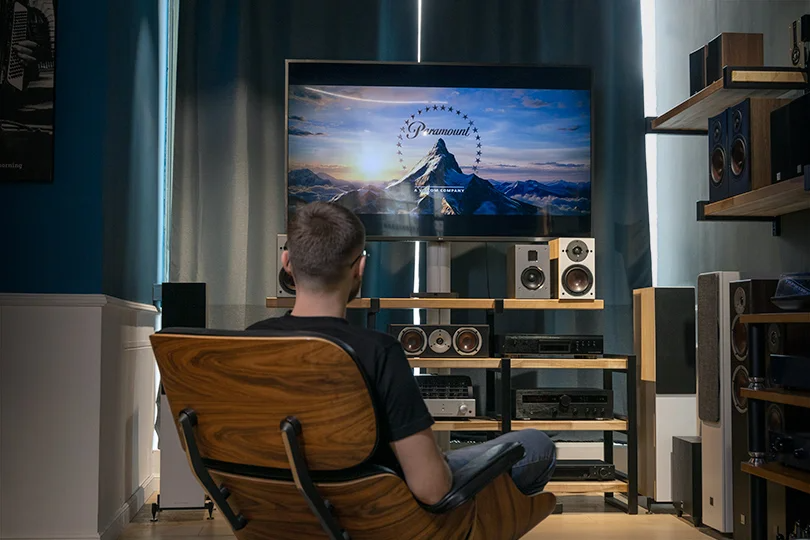
Do you prefer cozy movie nights over crowded theaters? We get it. No sticky floors, no people talking during the best scenes, and the snacks are way cheaper. But to truly replicate that immersive magic at home, a simple TV isn't enough. You need a Home Cinema.
Building one might seem daunting, but it’s just like assembling a puzzle. Let’s break it down into pieces and walk you through how to choose the right gear for your personal blockbuster experience.
Contents
What Exactly Is a Home Theater?
It’s not just one device; it’s an ecosystem designed to replicate the cinema experience. Regardless of your budget, every system relies on four pillars:
- The Screen: A TV or a projector.
- The Source: Where the movie comes from — Blu-ray, Apple TV, console, etc.
- The Brain: The AV receiver.
- The Voice: The speaker system.
Step 1: The Room
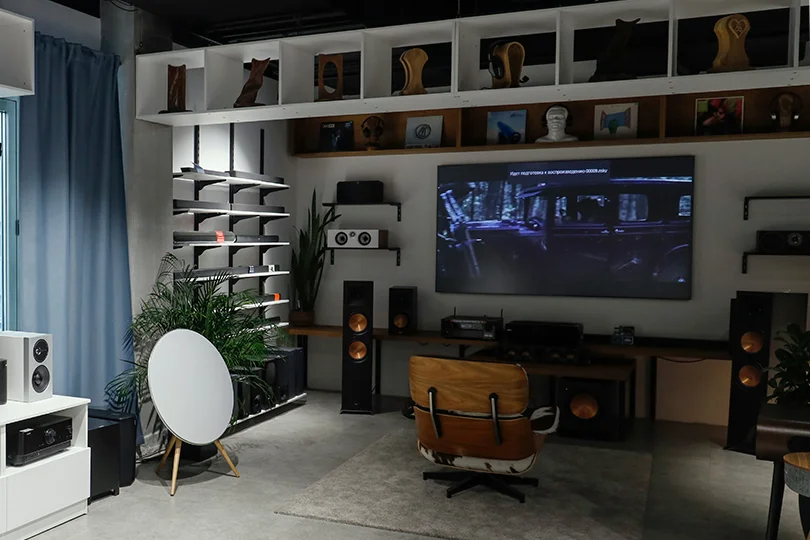
Ideally, you dedicate a separate room to this. But for most of us, the living room is the battlefield. Generally, rectangular rooms are best. Try to set up your screen and speakers along the short wall, firing down the length of the room; this gives you better acoustic control.
Keep in mind that a room with bare walls and tile floors will sound like a bathroom — echoey and harsh.
The Fix: Add a thick rug to the floor and heavy curtains to the windows. This absorbs sound reflections, makes the bass tighter, and kills the glare on your screen. You don't need professional studio foam to make a huge difference.
Step 2: TV or Projector?
This is the classic dilemma: "Brightness vs. Size."
The Projector Route
If you want the true cinema feel with a 100-inch+ screen, this is the way.
- Pros: Massive image, immersive scale.
- Cons: Requires a dark room and a separate screen.
The Modern Option: Laser TVs (Ultra Short Throw Projectors). These sit right next to the wall (like a TV cabinet) and shoot a massive image upwards. They are brighter and easier to install than traditional projectors.
The TV Route
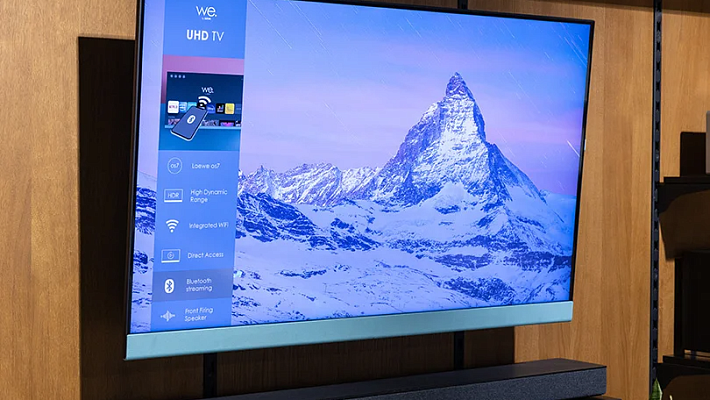
If you watch a lot of daytime TV or play games with the lights on, a TV is superior.
- Pros: Incredible brightness, easier setup, deep blacks (especially OLED panels).
- Cons: Getting a TV larger than 85 inches becomes exponentially expensive.
Step 3: Soundbar or Surround System?
Choices, choices… Riddle us this: do you want convenience or performance?
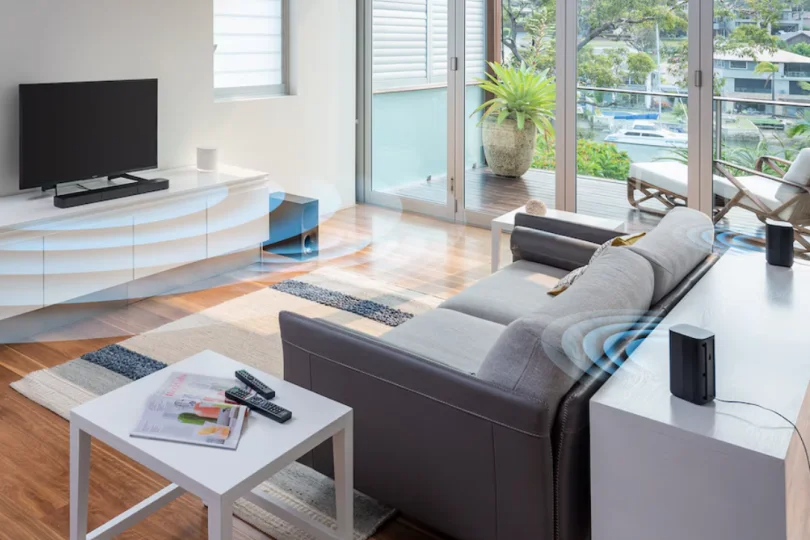
The "Easy" Way: Soundbars
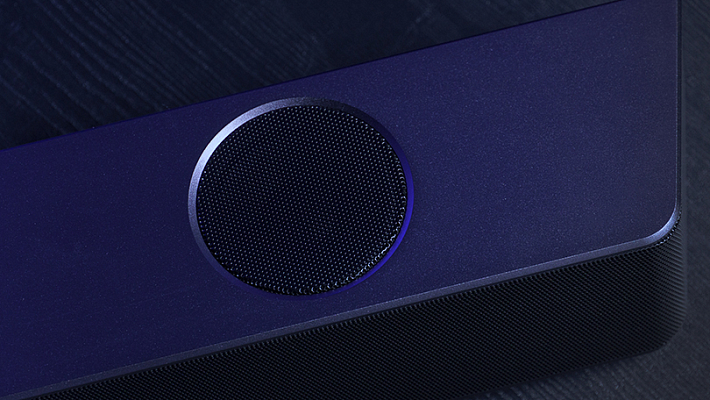
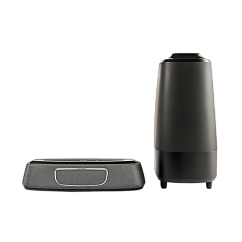
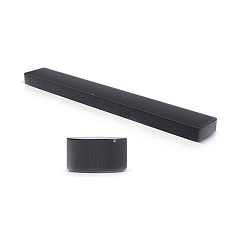
A modern soundbar (like the Sony HT series) is a massive upgrade over TV speakers. It’s compact, often comes with a wireless subwoofer, and creates a virtual surround effect.
Verdict: Perfect for bedrooms, small apartments, or if you hate running wires.
The "True" Way: Multichannel Component System
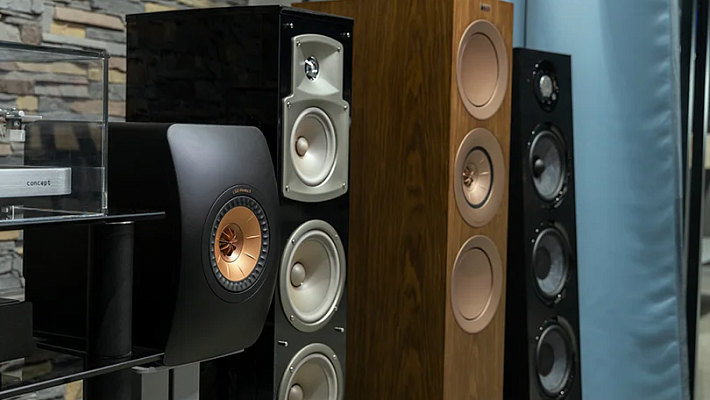
Nothing beats separate speakers physically placed around you. A standard 5.1 system (Front Left/Right, Center, two Surrounds, one Subwoofer) physically envelops you in sound.
Verdict: If you have the space, go for this. Brands like Focal offer compact "satellite" systems that give you massive cinema sound without dominating your interior design.

AirPlay support: yes
Audio return channel: eARC
Bluetooth version: 5.0
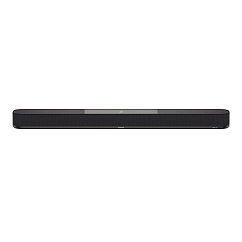
AirPlay support: yes
Audio return channel: eARC
Bluetooth version: 5.0
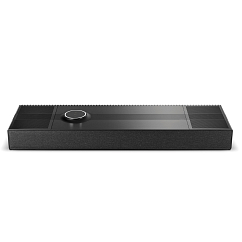
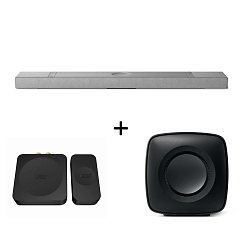
AirPlay support: yes
Audio return channel: eARC
Bluetooth version: 5.3

AirPlay support: yes
Audio return channel: eARC
Bluetooth version: 5.0
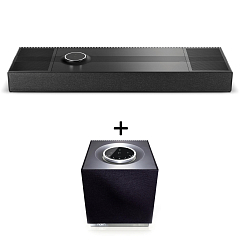
AirPlay support: yes
Audio return channel: eARC
Bluetooth version: 5.1

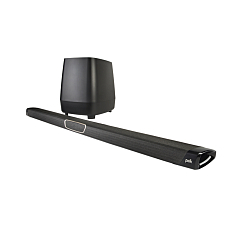
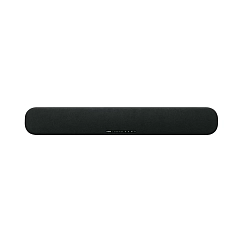

AirPlay support: yes
Audio return channel: eARC
Bluetooth version: 4.2
Step 4: The Source
Where do you get your movies?

- Smart TV / Streaming: Convenient and endless. Modern TVs with Android or Google TV give you Netflix, Prime, and YouTube in 4K.
- Blu-ray: This is for the purists. Why?Bitrate. A 4K Blu-ray disc delivers video and audio data at speeds 5–10 times higher than streaming. The picture is sharper, and the sound is uncompressed. If you built a high-end system, feed it high-quality discs.
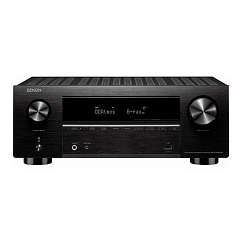
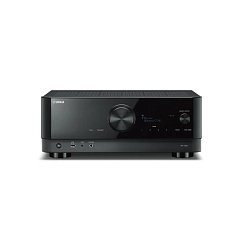
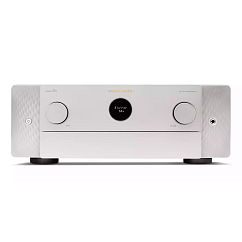
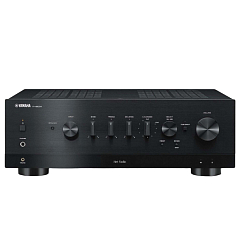
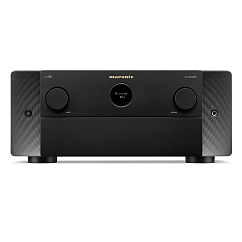
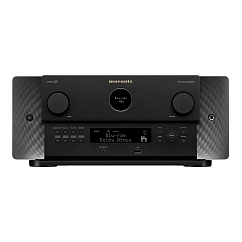
Step 5: The AV Receiver
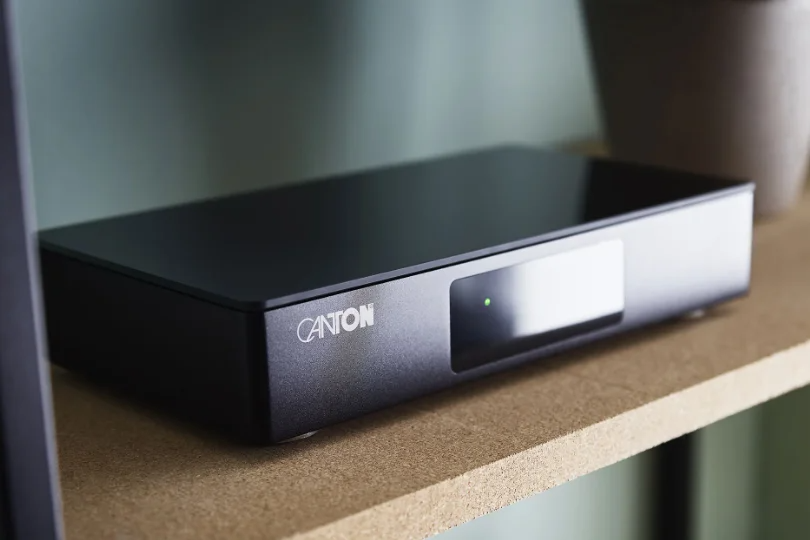
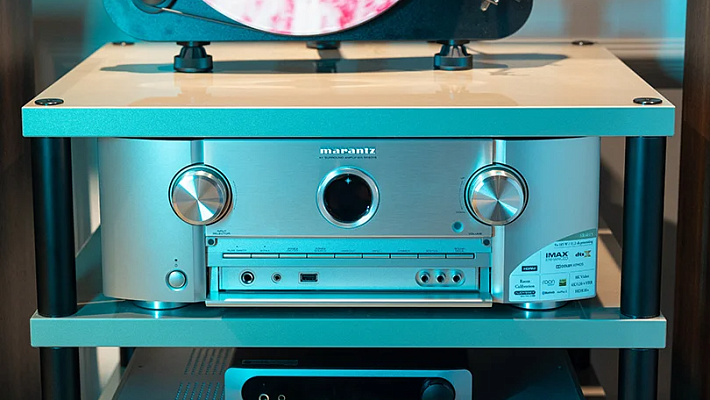
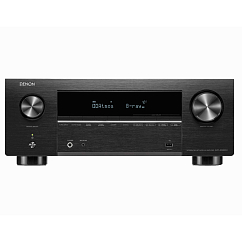
This is the traffic controller. The AV Receiver takes the video from your player, sends it to the TV, and processes the sound to send it to your speakers.
- What to look for: Ensure it has enough HDMI ports for all your gadgets and supports modern formats like Dolby Atmos and 4K/120Hz (if you are a gamer).
Pro Tip: Look for receivers with "Room Correction" microphones. They listen to your room and automatically adjust the sound to fit your space perfectly.

AirPlay support: yes
Bluetooth version: 5.0
Brand: Marantz




Step 6: The Speakers
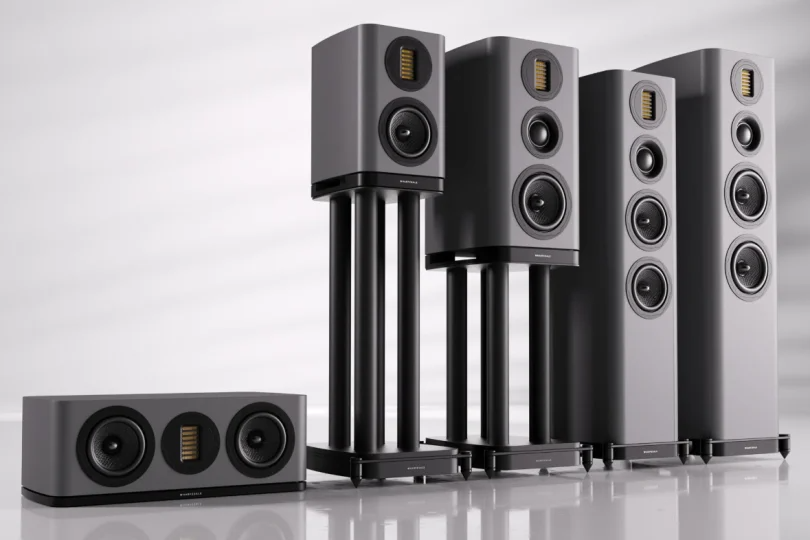
Ideally, your speakers should "match." This means buying the Front, Center, and Surround speakers from the same brand and series. Why? Because different brands have different tonal characters. If a car drives from the left speaker (Brand A) to the right speaker (Brand B), you don't want the engine to sound different halfway through.
Exception: The Subwoofer. You can mix and match subwoofers freely.



Brand: Focal
: 44
Connection method: hdmi, optical, rca, usb-a, rj45, bluetooth, wifi
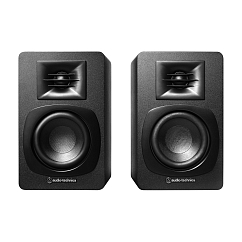
Bluetooth version: 5.3
Cable included: yes
Charging connector: DC-IN


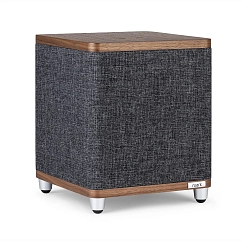
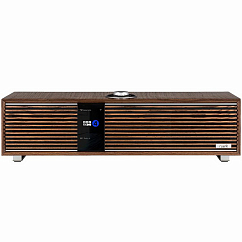
Connection method: wifi, rj45
Phase Inverter location: below
The highest frequency, kHz: 22

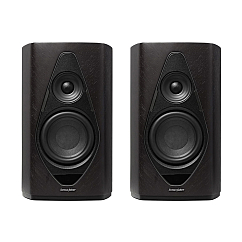
Connection method: bluetooth, wifi, rj45, hdmi
Max SPL, dB: 105
Number of lanes: two-lane

Step 7: Placement & Setup
Don't just throw speakers in the corners! There’s a method to it, as always.
- The Triangle: Your main listening spot should form an equilateral triangle with your two front speakers.
- Ear Level: The tweeters (the small drivers) and the Center Channel should be roughly at ear height when you are sitting down.
- Breathing Room: Don't push speakers right up against the wall (unless they are designed for it). Give them 20–30cm of space to avoid "boomy" bass.
Step 8: The Cables!
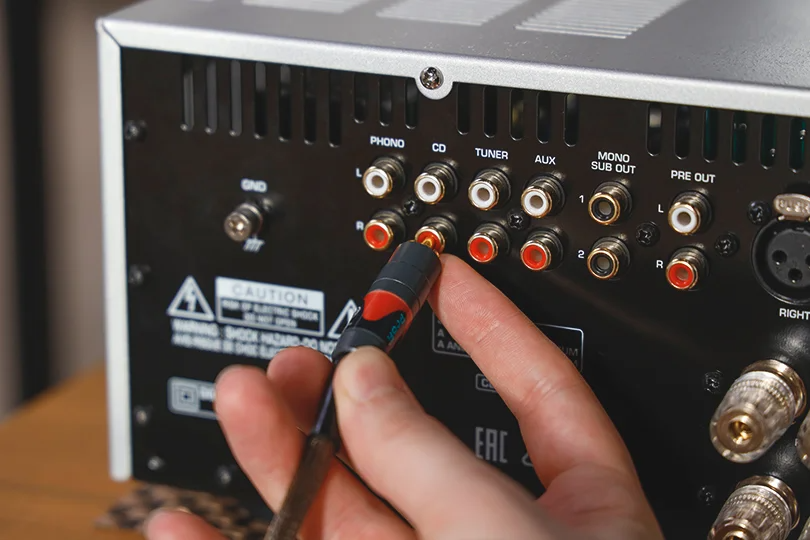
If you buy a Ferrari, don't put cheap tires on it. You don't need magic $1000 cables, but don't use the flimsy "spaghetti" wires that come in the box. Use thick, high-quality copper speaker wire and certified HDMI cables. Bad cables are the easiest bottleneck to fix.
The Verdict
Building a home cinema is a journey. You can start small (Receiver + 2 speakers) and grow to a full 7.1.4 Dolby Atmos system over time.
Confused by all the options? That’s what we are here for. Come to the Dr.Head showroom in Dubai. Grab a coffee, sit on a couch, experience the difference between a Soundbar and a full Surround setup, and let our experts design the perfect system for your room.