



























PMC: The Speakers That Don’t Lie, From the Brand That Changed the Audio World
Let's talk about honesty. Some speakers are designed to make your music sound nice. They add a little warmth here, a little sparkle there, and smooth over any rough edges. They’re like a friend who always tells you your new haircut looks great, even when it doesn't.
And then there are PMC speakers. They're the friend who tells you the truth.
This British brand isn't just a manufacturer; it's a studio legend, a benchmark for accuracy that has shaped the sound of your favorite movies and albums for over three decades. This is the story of how an obsession with truthful sound created an empire.
Contents
The BBC Connection: A Legend is Born
Our story begins in 1991 with two engineers, Peter Thomas and Adrian Loader. Peter wasn't just any engineer; he came from the legendary BBC, a place where sound reproduction isn't a hobby but a science. He knew what a speaker should do, and he was frustrated that most couldn't. Together with Adrian, an acoustics guru, they set out to build a monitor that would tell the unvarnished truth.

Their first creation, the BB5-A, was a monster of a studio monitor — and it was a massive hit. The BBC themselves were among the first customers, along with the iconic Metropolis Studios in London. Spoiler alert: it worked. Soon, PMC monitors became the secret weapon for artists like Prince and Stevie Wonder. This young company wasn't just making speakers; they were already defining the sound of an era.
The PMC Playbook: More Than Just a Labyrinth
So, what was their secret? It started with one acronym: ATL. Today, everyone in the audio world knows what ATL is — but back then, it was borderline a miracle. And even then, the PMC genius didn't stop there.
The Magic of ATL
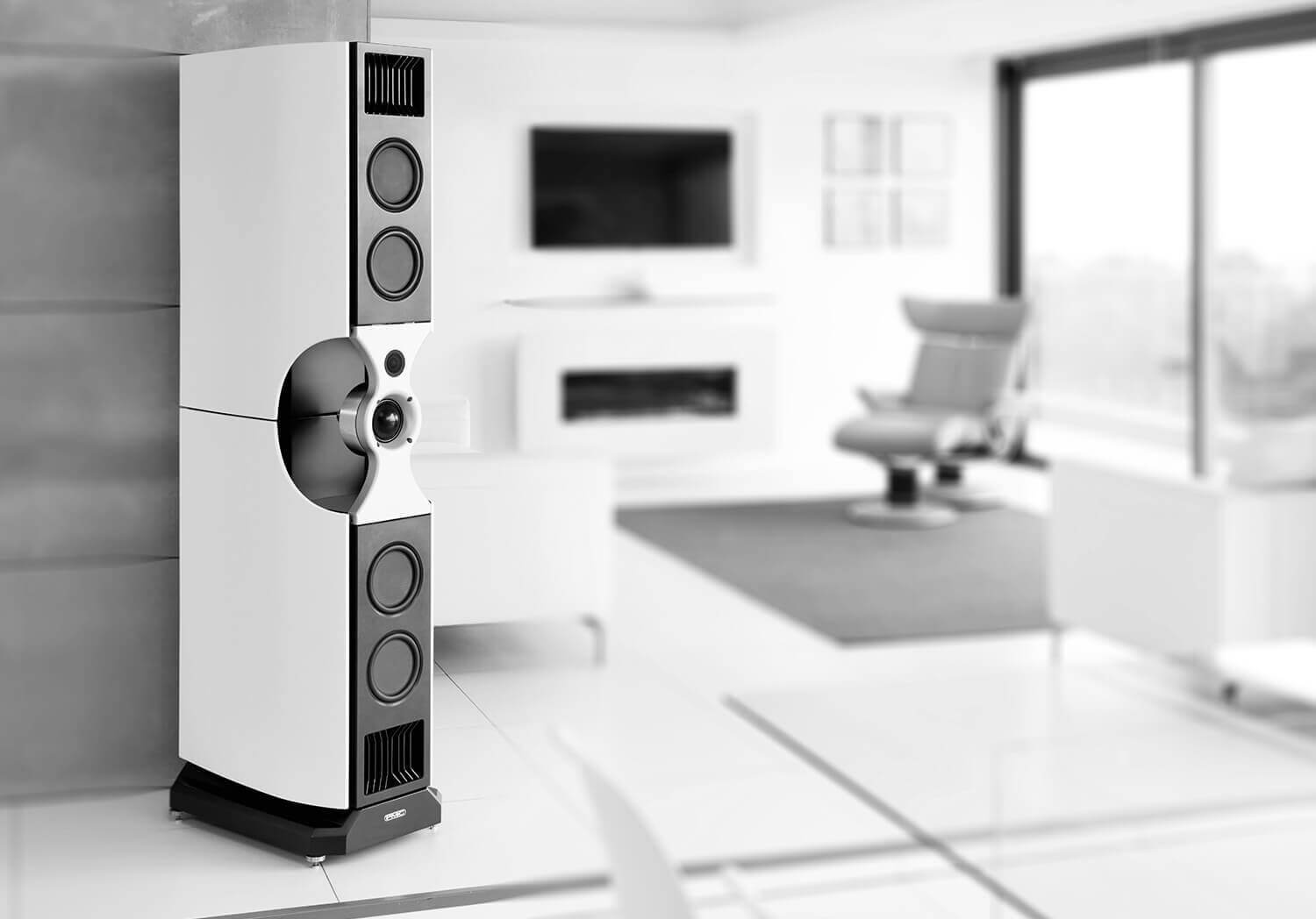
ATL stands for Advanced Transmission Line, and it's the core of every speaker PMC makes. Forget your standard box with a bass port hole in it. ATL is a completely different beast. Imagine a complex, meticulously folded labyrinth inside the speaker cabinet. The unwanted energy from the back of the bass driver, which in other speakers creates distortion and "boominess," is channeled through this long, acoustically-damped maze.
By the time it exits, all the bad stuff is gone, and only the pure, deep, and incredibly clean low frequencies remain. It’s the key to getting a huge, rich sound from a cabinet that has no right to sound that big. That’s what ATL does, and that’s why this tech became such a game-changer.
The Laminair Advantage
Years later, PMC also refined the exit of that “sound labyrinth.” Standard bass ports are notoriously turbulent — air comes chuffing out, creating noise and smearing the bass. To solve this problem, PMC drew inspiration from the aerodynamics of Formula 1 cars and created Laminair. These vents create a smooth, laminar (yes) airflow, eliminating turbulence and making the bass even faster, cleaner, and more defined.

Control Freaks: Custom Drivers
Most speaker brands buy their drivers off the shelf. But PMC are control freaks — in the best possible way, that is. These guys design their own drivers from the ground up to work in perfect harmony with their ATL cabinets, and this total control over every component is why their speakers have such a seamless, coherent sound few could ever hope to match.
From the Studio to Your Living Room: A Hall of Fame
Sure, the tech is cool and all, but it's the speakers themselves that became legends. While the BB5 kicked things off in the pro world, PMC soon brought that same DNA to the good audiophile folks at home.
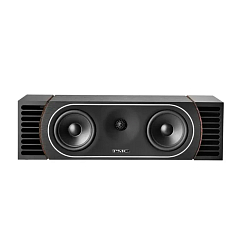
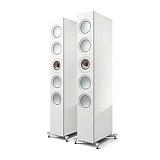
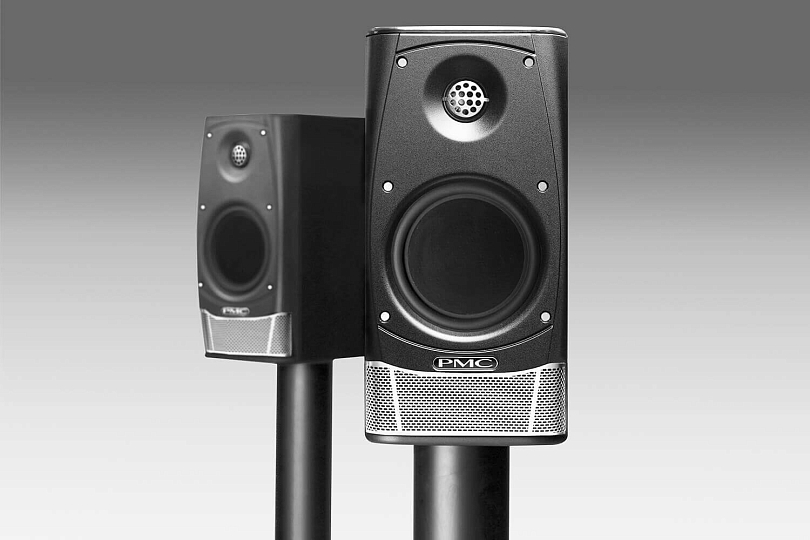
- The Hi-Fi Icon (The fact. Series): This was the line that truly cemented PMC's status in the high-end home audio world. Slim, elegant, and beautiful to look at, the fact. speakers looked nothing like their brutish studio cousins, but they sounded just as honest. They proved that you didn't need a huge, ugly box to get true reference-quality sound in your living room.
- The Newcomer (The prodigy Series): It’s no secret that for years, the only barrier to entry into the world of truly marvellous audio was the price. Recently, PMC addressed this issue with the prodigy series. By simplifying the cabinet construction but keeping the core PMC magic (including ATL), they've made their signature truthful sound accessible to a whole new generation of music lovers.
You've Heard Them, Even If You Don't Know It
The list of credits for PMC is, frankly, ridiculous. It's shorter to list who hasn't used them. There's a very high chance that the thunderous, detailed sound of your favorite blockbuster — whatever that is — was mixed and perfected on a set of PMCs.
We're talking about movies like:
- Titanic
- Mission: Impossible
- Pirates of the Caribbean
- Iron Man 1 & 2
- Spider-Man 1, 2, & 3
- And TV epics like Game of Thrones.

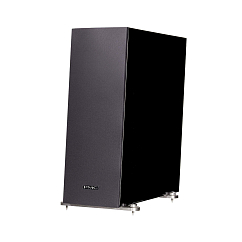
And it's not just artists and studios. The industry itself has given PMC the ultimate nod: they are one of the handful of companies to win an Emmy Award for their TLE1 active subwoofer, which redefined low-frequency monitoring in the industry. You read that right — the very people who award the highest honors in television trusted PMC to define their sound.
The Bottom Line: Why PMC Matters
In a world where sound is often processed, compressed, and compromised, PMC is a reminder that real music deserves to be heard in all its raw beauty. Their story is one of how an unwavering passion for engineering and a love for music can change an industry.
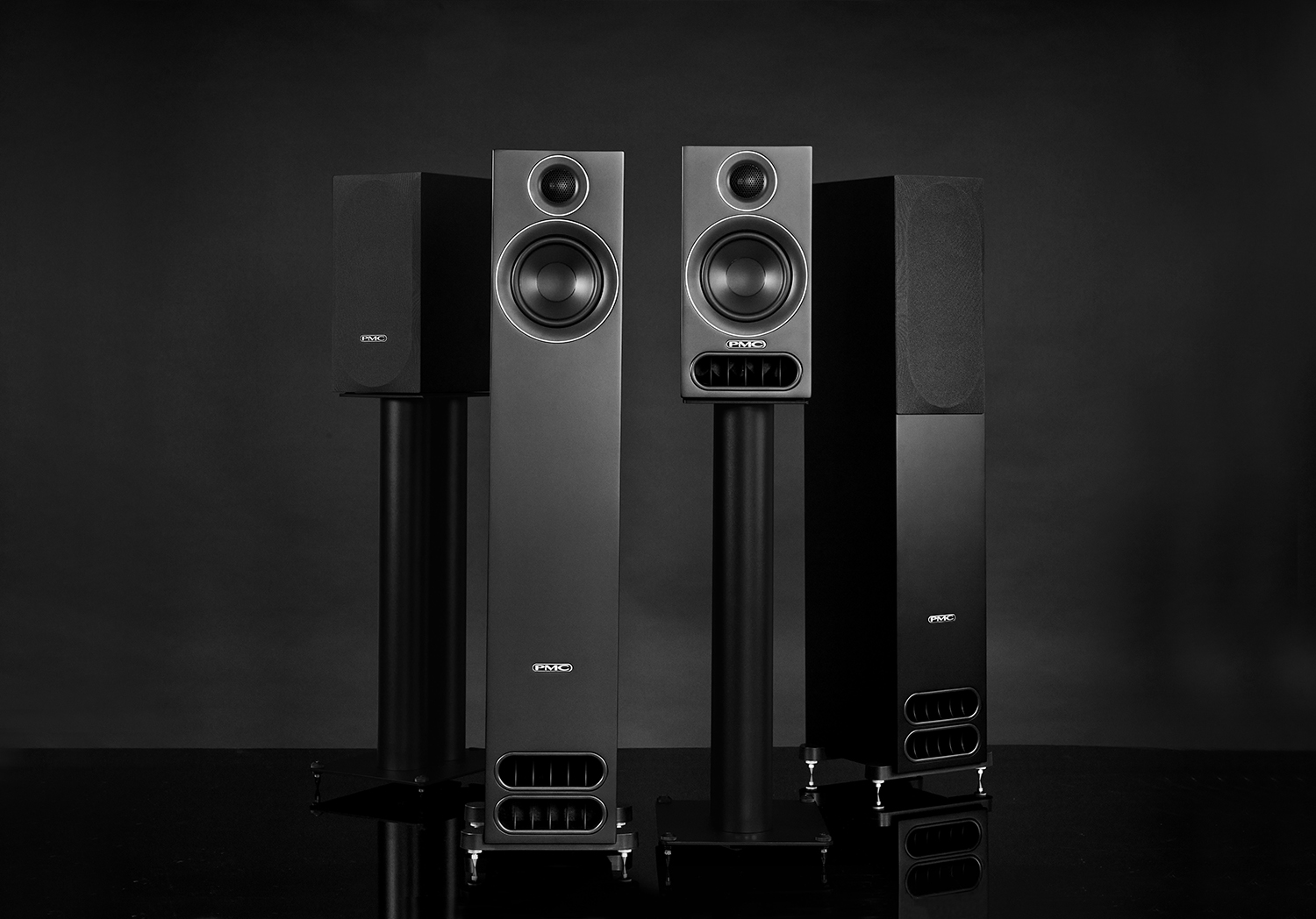
Owning a pair of PMCs is for people who demand the highest quality and are unwilling to settle for less. It's for the listener who wants to hear the truth. And with the introduction of the new prodigy line, that truth is even more accessible than ever!
To experience that truth for yourself, we invite you to our Dubai showroom. Come hear the difference that real engineering makes, and you won’t ever want to go back.