











Noise Cancellation Explained: Your Guide to a Quieter World
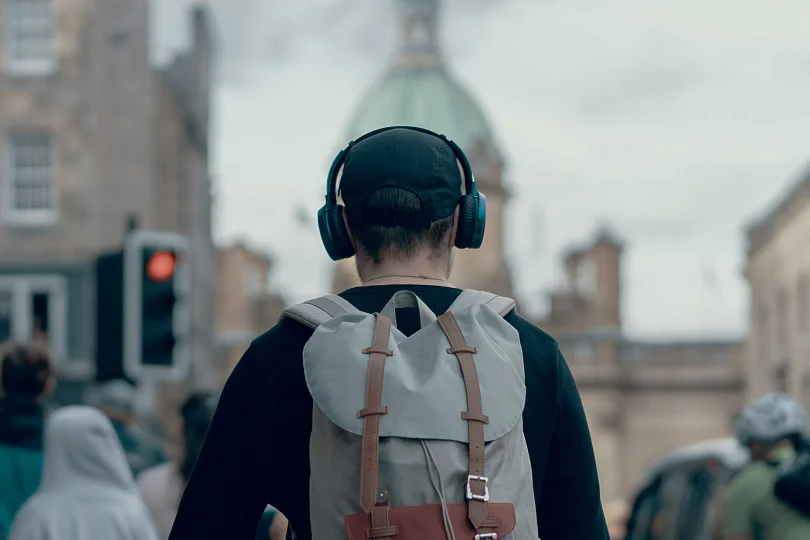
It’s the killer feature, the must-have technology, the reason you can actually hear your podcast on a crowded subway. Active Noise Cancellation (aka ANC) has become a modern superpower, a saving grace for anyone who craves a little peace and quiet in our loud modern world.
But how does it actually work? And what’s the difference between all the ANC types out there? Before you choose your next pair of ANC headphones, let's dive deep into the tech: we’ve gathered all the essential info to help you become an expert.
The Basic Idea: Passive vs. Active
Before ANC was a thing, we only had passive noise isolation. This is the original, low-tech solution: you create a physical barrier to block sound. Think of covering your ears with your hands — voila, that’s passive isolation. In headphones, this is achieved with well-designed, sealing earpads or snug-fitting in-ear tips. It’s effective for muffled high-frequency sounds, but pretty useless against low-frequency drone.
Active Noise Cancellation (ANC) is the high-tech solution. It’s an electronic system that listens to the outside world and creates an "anti-noise" signal to erase it. When you combine the physical barrier of passive isolation with the electronic wizardry of ANC, you get a seriously impressive result — a world that’s quieter by an average of 30–40 decibels.
How ANC Works: Fighting Sound with Sound
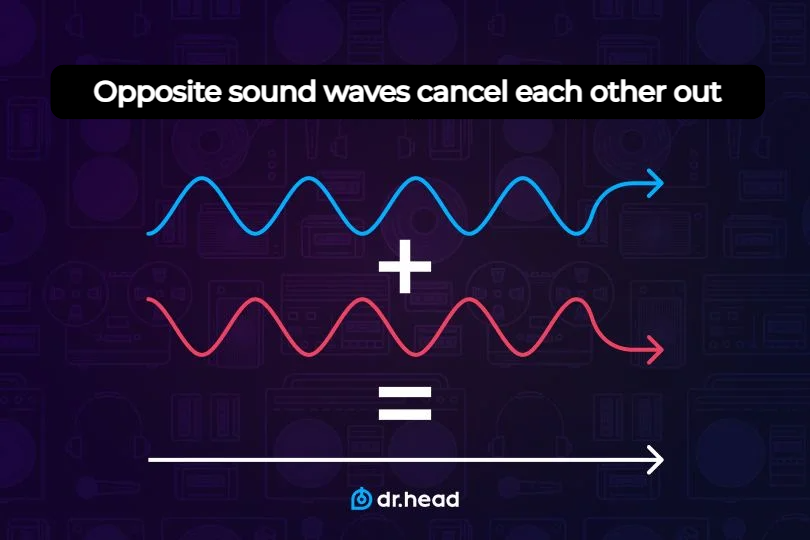
So, how do headphones create silence out of thin air? It's a concept called phase cancellation, and it’s a beautiful piece of physics.
Imagine two boxers hitting a punching bag from opposite sides at the exact same time with the exact same force. The bag doesn't move as the forces cancel each other out. That's phase cancellation in a nutshell.
In your ANC headphones:
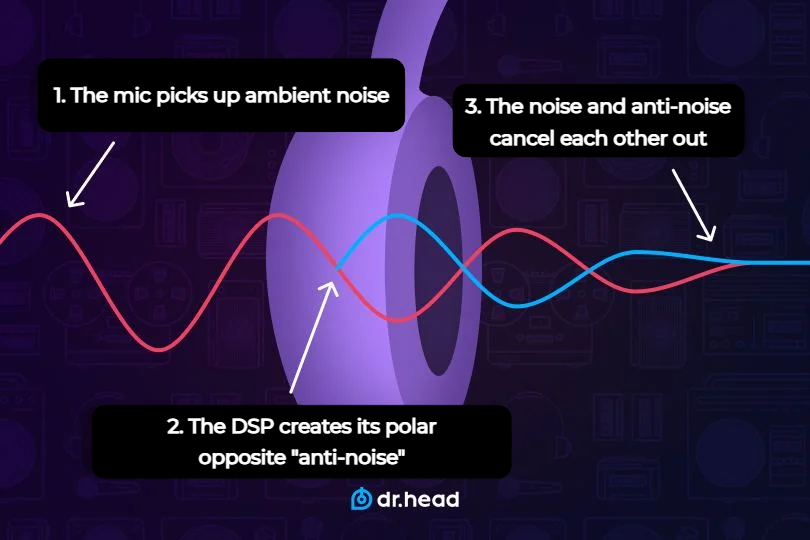
- Microphones on the outside of the earcups act as "ears," listening to the ambient noise around you (like the drone of a plane engine).
- This sound is sent to a tiny computer chip, the Digital Signal Processor (DSP).
- The DSP instantly analyzes the sound wave and creates its exact opposite — its "anti-noise" twin, perfectly out of phase by 180 degrees.
- This anti-noise signal is then played through the headphone's speakers along with your music.
When the original noise wave from the plane engine meets the anti-noise wave created by your headphones, they annihilate each other. The result? Silence.
The Four Flavors of ANC
Not all ANC is created equal. There are four main types, and the one a headphone uses has a big impact on its performance.
Feedforward ANC
The microphone is on the outside of the earcup. It hears the noise first and quickly creates the anti-noise signal. It’s great at catching low frequencies, but can be less precise since it doesn’t hear what you are hearing.
Feedback ANC
The microphone is on the inside of the earcup, in front of the speaker. It hears exactly what you hear, including your music, and adapts in real-time. It’s great at catching a wider range of frequencies, but can sometimes accidentally process your music as "noise."
Hybrid ANC
The best of both worlds. This system uses both an external and an internal microphone. It’s more complex and expensive, but it provides the most comprehensive and accurate noise cancellation. This is the type you'll find in most premium headphones.
Adaptive ANC
This is the smartest of the bunch. It uses a hybrid microphone setup but adds an extra layer of software that automatically adjusts the level of noise cancellation in real-time based on your environment and even the fit of the headphones on your head.
How Well Does It Actually Work?
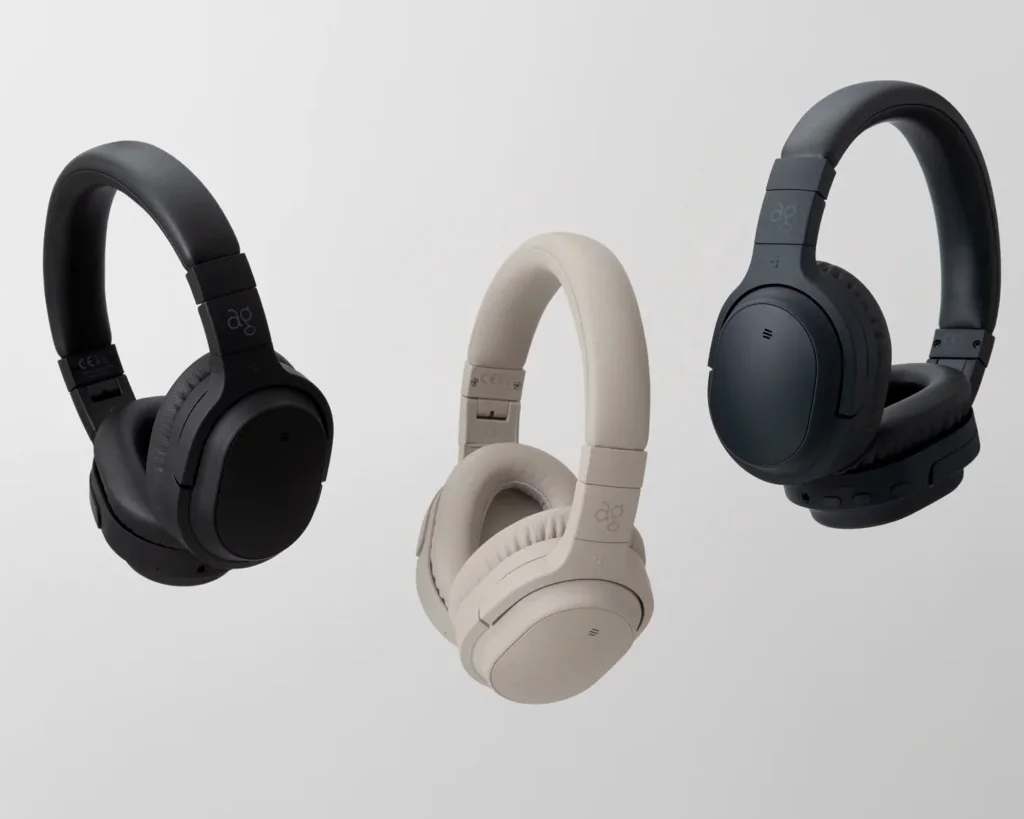
As amazing as modern ANC has become, it still can't create a perfect vacuum of silence, especially when no music is playing — but it's a world away from passive isolation alone.
While good passive isolation can reduce mid and high-frequency noise by 15–30 dB, it’s almost useless against the low-frequency drone (20–800 Hz) of a car, an air conditioner, or a plane engine. ANC, on the other hand, excels here, blocking an additional 30 dB or more of these low-frequency sounds.
The Weakness of ANC
Because the DSP needs a fraction of a second to react, ANC is brilliant at erasing constant, predictable sounds (like an engine's hum). It’s less effective against sudden, sharp sounds (like a dog bark or a car horn). This is also why it's better at cancelling out the long, slow waves of low frequencies than the short, fast waves of high frequencies.
ANC Mythbusting & FAQs
Let's tackle some of the most common questions about noise cancellation.
Can ANC block all noise?
No. It dramatically reduces constant, low-frequency noise (by up to 95% in the best models), but sudden, high-pitched sounds will still get through.
Does ANC damage your hearing?
No; in fact, it helps protect it. The technology was originally invented by Dr. Amar Bose in 1989 to protect the hearing of pilots from constant engine drone. By erasing background noise, ANC allows you to listen to your music at a much lower, safer volume. The "pressure" feeling some people get is just your brain adjusting to the absence of low-frequency sound it's used to hearing.
What's the difference between ANC being "Off" and "Transparency Mode?"
When ANC is off, the headphones act like a normal pair, relying only on passive isolation. When Transparency Mode is on, the external microphones actively pipe in and even amplify the sounds around you, so you can have a conversation or be aware of traffic without taking your headphones off.
ANC vs. ENC: What's the difference?
ANC (Active Noise Cancellation) is for you. It reduces the noise you hear while listening to music. ENC (Environmental Noise Cancellation) is for the other person. It uses the microphones to reduce background noise on your end during a phone call, so the person you're talking to can hear you clearly.
How can I improve noise isolation even more?
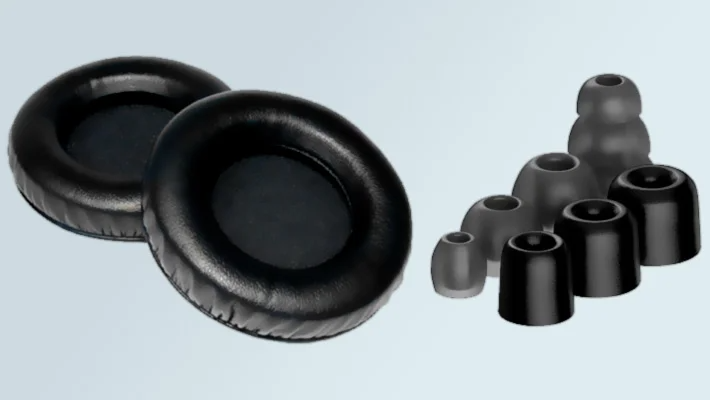
The material of your earpads (for over-ear) or eartips (for in-ear) makes a huge difference. For over-ear headphones, leather or high-quality protein leather provides the best seal. For in-ear models, upgrading from standard silicone tips to custom-molded or high-quality foam tips will provide a massive boost in passive isolation.
Final Thoughts
Active Noise Cancellation is a game-changing technology, perfect for travelers, commuters, office workers, and anyone who wants to take control of their sonic environment.
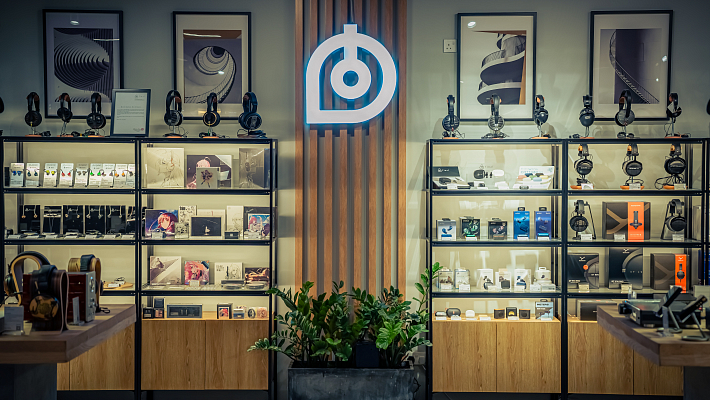
The best way to understand the magic of ANC is to experience it. You can do that in our Dubai showroom, where you can test and compare all the best models in a friendly, expert-guided environment. We’ll be happy to help you find the pair that gives you your perfect slice of silence.
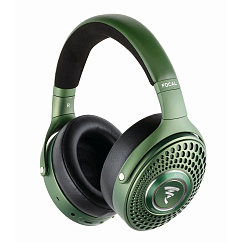
Multipoint: yes
Brand: Focal
Headphone type: wireless
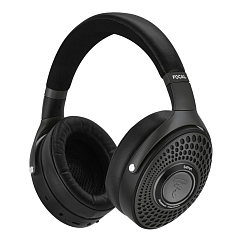

Multipoint: yes
Brand: Sennheiser
Headphone type: wireless, wired
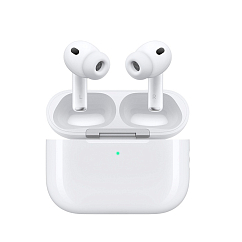
Headset type: stereo
Brand: Apple
Type of wireless headphones: True Wireless
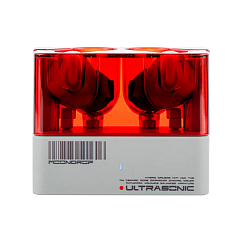
Brand: MoonDrop
Type of wireless headphones: True Wireless
Bluetooth version: 5.3
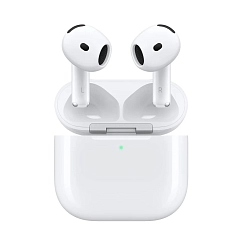
Headset type: stereo
Brand: Apple
Type of wireless headphones: True Wireless

Headset type: stereo
Brand: Bose
Type of wireless headphones: True Wireless

Headset type: stereo
Brand: Noble Audio
Type of wireless headphones: True Wireless
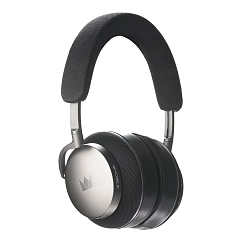
Detachable microphone: yes
Multipoint: yes
Headset type: stereo