










Jazz 101: A Beginner’s Guide to the Genre (and the Vinyl You Need)

Jazz is intimidating. It’s often seen as "music for musicians," full of complex rhythms and endless solos that you can’t quite dance to. It sparks debates, confusion, and sometimes, eye rolls.
But here is the secret: jazz isn't just for snobs in turtlenecks. It is bold, chaotic, and undeniably alive. From the smoky clubs of New Orleans to the polished stages of global festivals, it has remained one of the most exciting art forms for over a century.
If you want to understand what the fuss is about — and maybe impress your friends at the next dinner party — here is your cheat sheet to the world of jazz, complete with the essential vinyl records to start your collection.
What Even Is Jazz?
Forget the boring dictionary definitions. Think of jazz as a conversation.
It is the art of improvisation. Unlike pop music, where every note is pre-planned, jazz musicians invent the music in real-time. They listen, react, and challenge each other right on stage. That "chaos" you hear? That’s the sound of creative risk. It’s the thrill of watching a band walk a tightrope without a safety net.
Born on the streets of New Orleans in the early 20th century, jazz has evolved into a massive family tree of styles. Let’s break down the main branches.
A Quick Style Guide
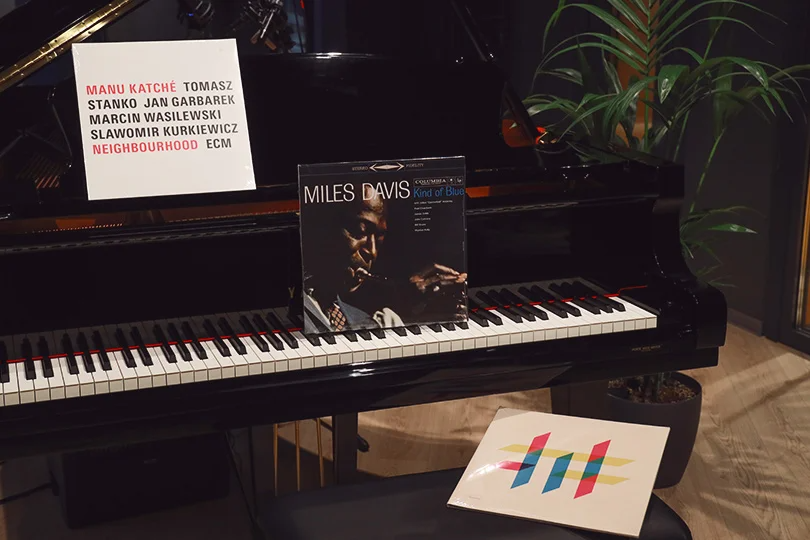
Mind you, we didn’t include all the styles here as there are just too many to list in one article. But the main ones are all here — so, if someone asks, "What kind of jazz do you like?", here is how to answer.
Traditional / New Orleans Jazz
The roots. Picture street parades in the 1910s and 20s: small bands of 9–15 people blasting joyful, syncopated tunes.
- The Sound: Banjos holding the rhythm, trumpets taking the lead, and clarinets weaving in between.
- The Icon: Louis Armstrong. He didn't just play the trumpet; he defined what a jazz solo could be.
Swing (The Big Band Era)
In the 1930s and 40s, jazz became pop music. This was the era of the Big Bands — massive orchestras that made people dance.
- The Sound: Smooth, organized, and powerful. Brass sections played "tutti" (all together), creating a wall of sound, while the rhythm section kept a steady, infectious beat.
- The Icons: Duke Ellington, Benny Goodman, Glenn Miller.
Bebop
In the mid-40s, musicians got bored of just entertaining dancers. They wanted to shred. Bebop turned jazz into an intellectual "musician’s music."
- The Sound: Fast tempos, complex harmonies, and lightning-speed improvisation. You don't dance to this; you sit down and listen in awe.
- The Icons: Charlie Parker (Sax), Dizzy Gillespie (Trumpet), Thelonious Monk (Piano).
Hard Bop
A reaction to Bebop. It kept the complexity but added a heavy dose of blues, gospel, and R&B. It’s funkier, grittier, and more soulful.
- The Icons: Art Blakey, Sonny Rollins, Miles Davis (in his early years).
Soul Jazz
Emerging in the late 50s, this is the "feel-good" cousin of Hard Bop.
- The Sound: Less cerebral, more emotional. It leans heavily on blues traditions and gospel vibes. It’s music that speaks directly to the heart (hence, the name "Soul").
- The Icon: Aretha Franklin (she’s even known as the Queen of Soul).
The Legends: 5 Titans You Need to Know
Theory is fine, but jazz is meant to be heard. If you are building a vinyl collection, these five names are non-negotiable essentials.
Dave Brubeck: The Master of Rhythm
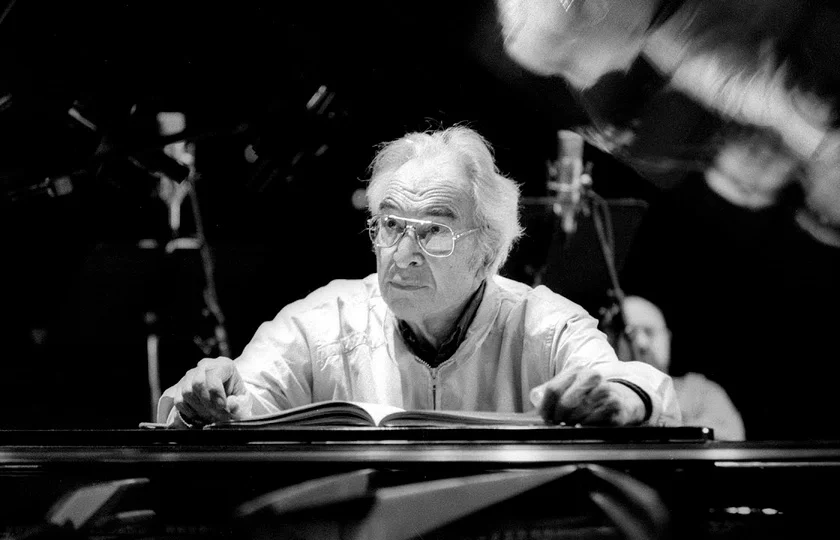
He proved that jazz could be complex and catchy. Brubeck played with strange time signatures (like 5/4 in "Take Five") but made them sound effortless and cool.
- The Vibe: Intellectual yet accessible. Perfect for a sophisticated evening.
Miles Davis: The Shapeshifter
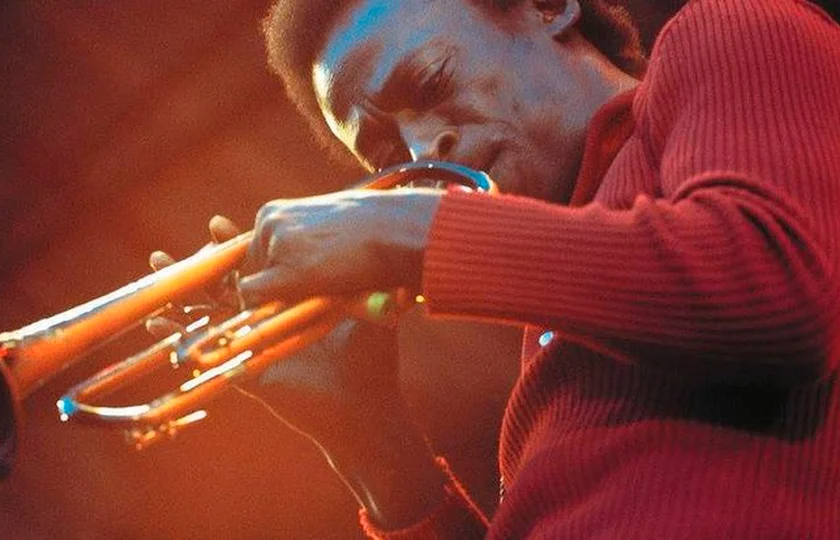
The Picasso of Jazz. He never stayed in one place. He pioneered Cool Jazz, then Hard Bop, then Modal Jazz, and finally Jazz-Fusion. He was the "architect of silence," famous for the notes he didn't play.
- The Vibe: Always changing, always cool. His album Kind of Blue is mandatory for every human being!
John Coltrane: The Spiritual Seeker
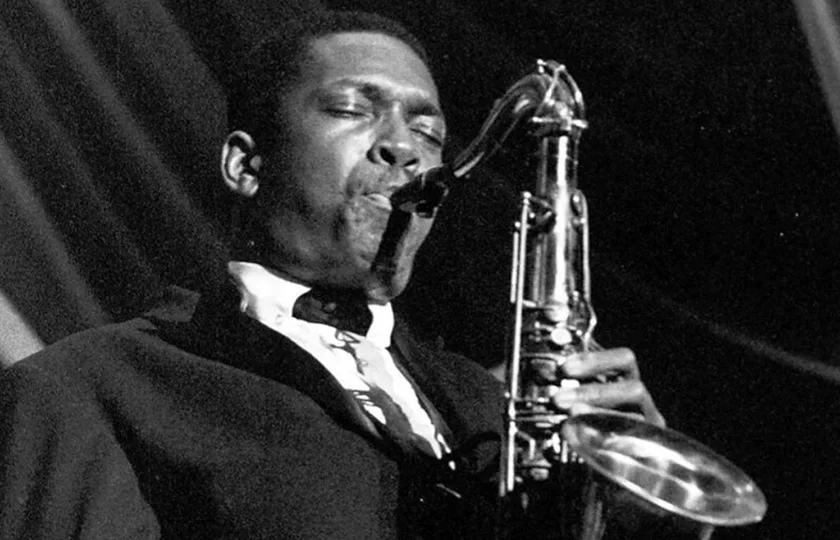
For Coltrane, jazz was a religion. His improvisations were intense, spiritual journeys. He pushed the saxophone to its absolute limits, creating "sheets of sound" that can be overwhelming but deeply cleansing.
- The Vibe: Intense, meditative, and powerful. Music for deep listening.
Bill Evans: The Poet of the Piano
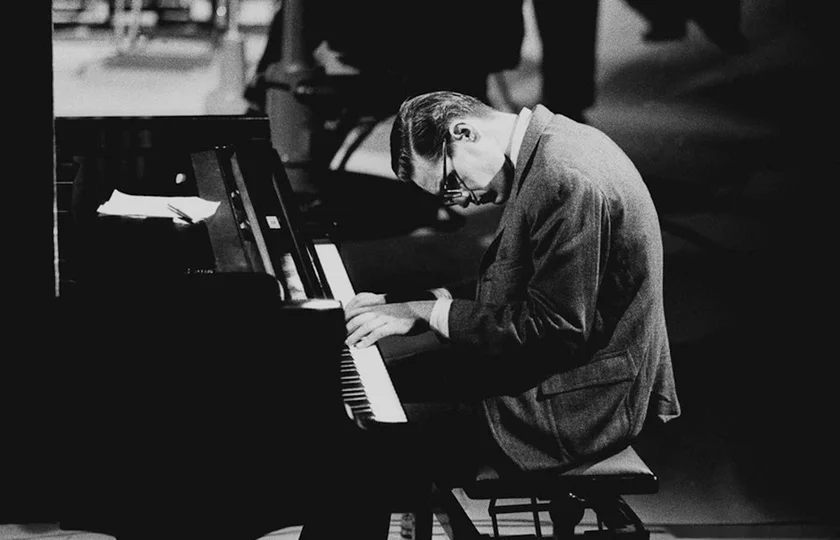
Evans played softer than most people whisper. He brought a classical, impressionistic touch to jazz piano. His music creates an intimate atmosphere, like a private concert in a dimly lit room.
- The Vibe: Melancholic, romantic, and beautiful. Ideal for rainy days or late nights.
Oscar Peterson: The Virtuoso
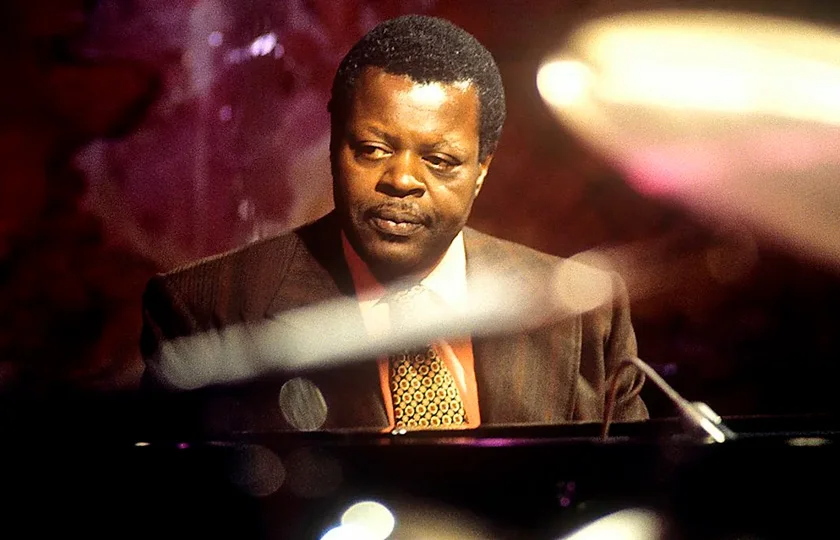
A piano giant with technique that seemed impossible. He played with 20 fingers, or so it sounded. Peterson was all about swing, speed, and pure joy.
- The Vibe: Energetic, dazzling, and swinging. Like a shot of double espresso for your ears.
The Verdict
Jazz is a journey. It might sound chaotic at first, but give it time. Start with the legends, listen to how they talk to each other through their instruments, and soon you'll be hooked.
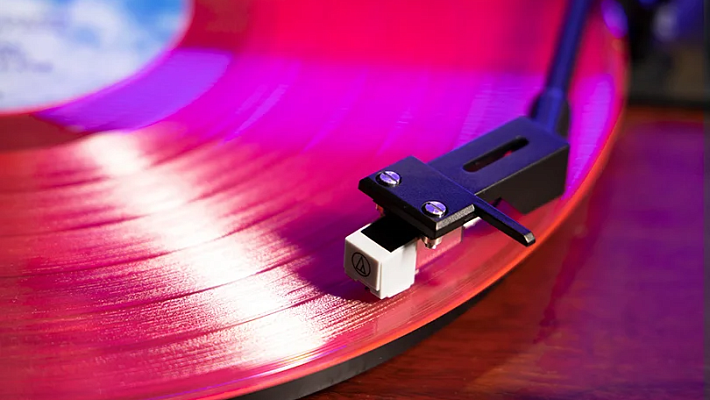
And there is no better way to experience this "warm" music than on vinyl. The analog crackle, the ritual of dropping the needle — it just fits.
Ready to start your collection? You can find albums by the ultimate jazz maestros and lesser-known prodigies right here at the Dr.Head showroom in Dubai. Come in, pick a record, and let the jazz age begin anew!
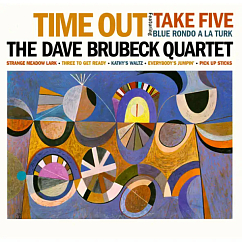
Arrival: 202551
Performer: The Dave Brubeck Quartet
Genre: Jazz
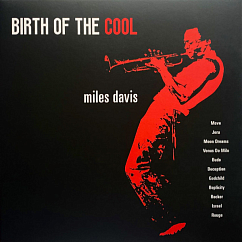
Arrival: 202552
Performer: Miles Davis
Genre: Jazz
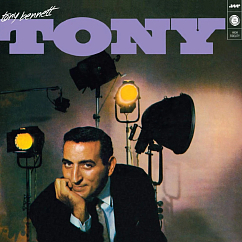
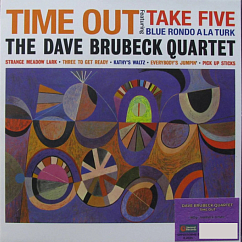
Arrival: 202551
Performer: The Dave Brubeck Quartet
Genre: Jazz
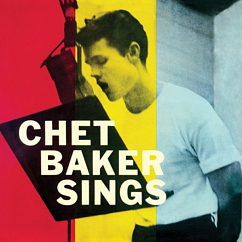
Arrival: 202551
Performer: Chet Baker
Genre: Jazz
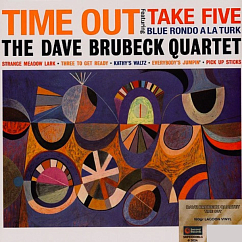
Arrival: 202551
Performer: The Dave Brubeck Quartet
Genre: Jazz
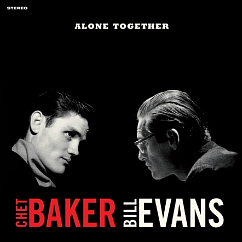
Arrival: 202551
Performer: Chet Baker, Bill Evans
Genre: Jazz
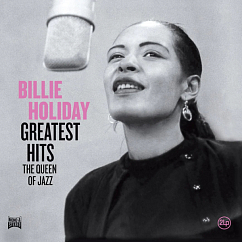
Arrival: 202551
Performer: Billie Holiday
Genre: Jazz
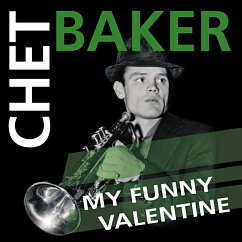
Arrival: 202501
Performer: Chet Baker
Genre: Jazz
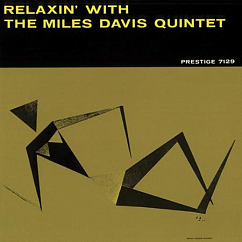
Arrival: 202534
Performer: Miles Davis Quintet
Genre: Jazz

Arrival: 202537
Performer: The Modern Jazz Quartet
Genre: Jazz

Arrival: 202526
Performer: Various Artists
Type of performer: Foreign