










IEMs vs. Earbuds: What's the Real Difference?
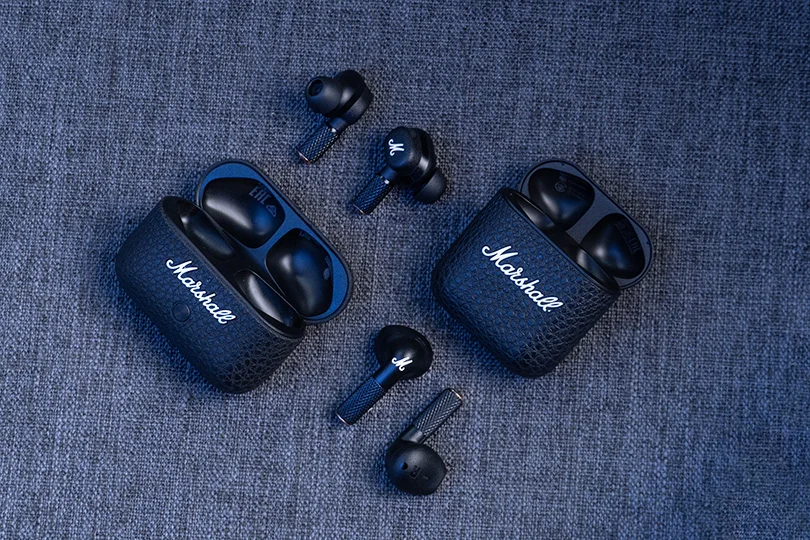
You see them everywhere: tiny wireless headphones. But some people call them earbuds, others call them in-ears or IEMs, and the terms get thrown around interchangeably. So, what's the deal? Are they the same thing?
Spoiler alert: they're not. And the difference between them will have a massive impact on your comfort, noise isolation, and, most importantly, your sound quality. This is the first and most crucial choice you'll make when buying a new pair of TWS headphones. Let's break it down.
Contents
The Terminology, Clarified
First, let's get the names straight, because this is where most of the confusion starts.
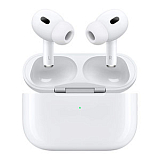
- Earbuds (aka Half In-Ears): These are the classic type, like the original Apple AirPods. They rest in the outer bowl of your ear (the concha) and don't create a seal.
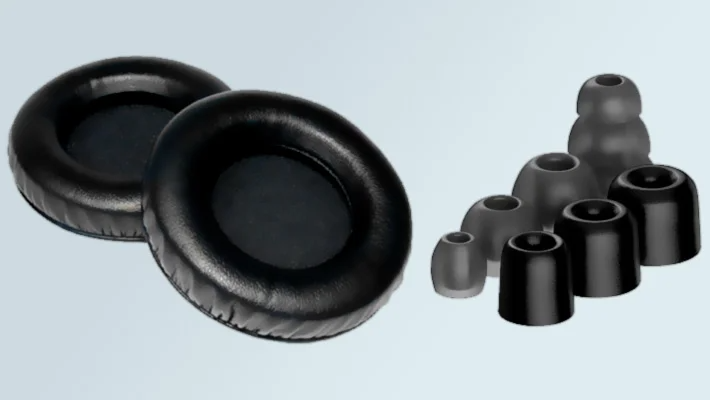
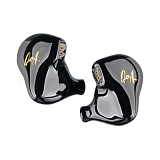
- In-Ear Headphones (aka IEMs): These use a silicone or foam tip that is inserted directly into your ear canal, creating a snug, sealed fit.
Now that we're on the same page, let's put them head-to-head.
The Head-to-Head Breakdown

The Fit
The way these two types of headphones sit in your ear is the defining difference. IEMs are designed to lock into your ear canal, providing a secure fit that's great for active use like running or working out. Earbuds, on the other hand, have a much looser, more "relaxed" fit, simply resting on the outside.
Portability
While both are obviously designed to be portable, there's a slight difference. Earbuds are often incredibly lightweight and minimalist, sometimes feeling like you're wearing nothing at all. IEMs can occasionally be a bit bulkier to accommodate the sound nozzle and eartips. However, since both come with a charging case, their practical portability is about the same.
Comfort
This is purely subjective. Some people love the secure, locked-in feel of IEMs, especially with the right-sized eartips. Others find the feeling of something sealing their ear canal uncomfortable over time. For those people, the light, pressure-free fit of earbuds is far more comfortable for long listening sessions. The ultimate comfort for IEMs comes from custom-molded eartips, which are created from an impression of your ear.
Noise Cancellation
This is where the difference becomes huge. IEMs are the undisputed champions of noise isolation: their sealed design naturally blocks out a ton of external noise (this is called passive isolation). When you add Active Noise Cancellation (ANC) to the mix, they can create a bubble of near-total silence, allowing you to get completely lost in your music. Earbuds, because of their open design, offer very little natural noise isolation. While some models do have ANC, it's fighting a much tougher battle.
Sound Quality
This is where the debate gets heated. IEMs are generally praised for their immersive sound, with excellent bass response, a clear midrange, and detailed high frequencies. The seal they create allows for a much more powerful and controlled low-end. This is why they are the preferred choice for most audiophiles. Earbuds deliver a more open and airy sound because they don't seal the ear canal. This often results in a less powerful bass response, though the latest models have improved dramatically thanks to clever engineering.
The Showdown: A Comparison Table
| Feature | Earbuds (Half In-Ears) | In-Ear Headphones (IEMs) |
|---|---|---|
| Form Factor | Compact, sits outside the ear canal | Larger, seals the ear canal for full immersion |
| Noise Isolation | Weak natural noise isolation | Effective natural noise isolation |
| Comfort | Generally more comfortable for long-term use | Comfortable for shorter periods, perfect for active use |
| Sound Leakage | Some sound leakage due to the open design | Generally less sound leakage due to the sealed design |
| Active Noise Cancellation | Limited ANC effectiveness | Highly effective ANC and transparency mode |
| Physical Activity | Less suitable for intense workouts | Ideal for most activities, especially workouts |
| Aesthetics | Often an elegant and minimalist design | A bulkier design can be less discreet |
| Water Resistance | Often limited | Frequently comes with a high water/dust resistance rating |
| Best For | Long listening sessions in quiet places, calls, staying aware of surroundings | Listening on the go, workouts, and an active lifestyle |
The Case for Earbuds

Pros: Their popularity comes from pure convenience and comfort. They are compact, easy to carry, and provide a comfortable fit for most users without any in-ear pressure. They deliver good sound quality, and modern versions have added features like ANC.
Cons: They provide a less powerful bass response due to their unsealed design. More importantly, while they allow you to stay aware of your surroundings, this also means they provide very little noise isolation.
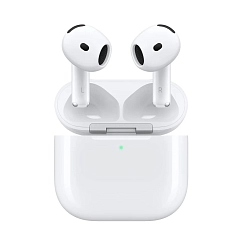
Headset type: stereo
Brand: Apple
Type of wireless headphones: True Wireless
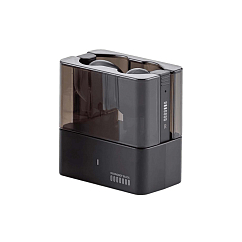
Brand: MoonDrop
Type of wireless headphones: True Wireless
Bluetooth version: 5.4
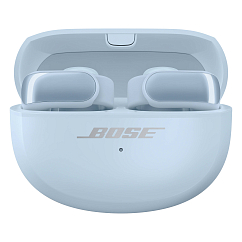
In-Ear headphone type: true wireless
Brand: Bose
Headphone type: wireless
The Case for IEMs

Pros: They excel at providing an immersive, high-fidelity sound experience. Their in-ear design offers superb noise isolation, which enhances the overall sound quality. They are often praised for their robust bass response and accurate sound reproduction.
Cons: They can be less comfortable for some users, especially during very long listening sessions. Their sealed design, while great for sound quality, can cause a feeling of pressure or ear fatigue over time for some people.

Headset type: stereo
Brand: Apple
Type of wireless headphones: True Wireless

Headset type: stereo
Brand: MoonDrop
Type of wireless headphones: True Wireless

Headset type: stereo
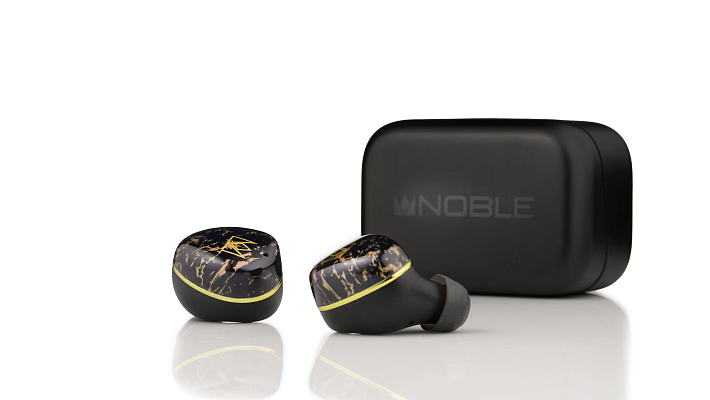
Brand: Noble Audio
Type of wireless headphones: True Wireless
The Verdict: Which One Is Right for You?
The choice between these two types of TWS headphones ultimately comes down to your priorities.
If your main goal is superior sound quality and effective noise isolation for commuting or focused listening, then IEMs are the clear winner.
However, if your priority is maximum comfort for all-day wear and a sense of awareness of your surroundings, then earbuds are the better choice.
Each has its strengths. The "best" option is the one that fits your individual needs. The only way to know for sure is to try them on and listen for yourself, and you can do just that in our Dubai showroom. We look forward to seeing you and helping you find your perfect TWS headphones!