















Home Audio System: What It Consists Of and How to Build It
So, you’ve decided to build a high-quality home stereo system—where do you start? The market is flooded with a wide range of speakers, amplifiers, and turntables, all wrapped up in a web of technical jargon, specs, and proprietary technologies. The audio world, with its nose in the air, isn’t always eager to explain to newcomers what lies behind complex terms and audiophile slang.
Contents
Let’s break it down in simple terms: what makes up a home Hi-Fi system, and how do you choose the right components?
What Is a Hi-Fi System Made Of?
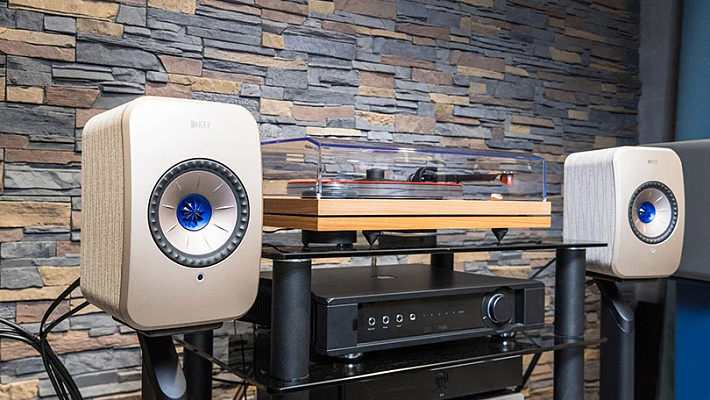
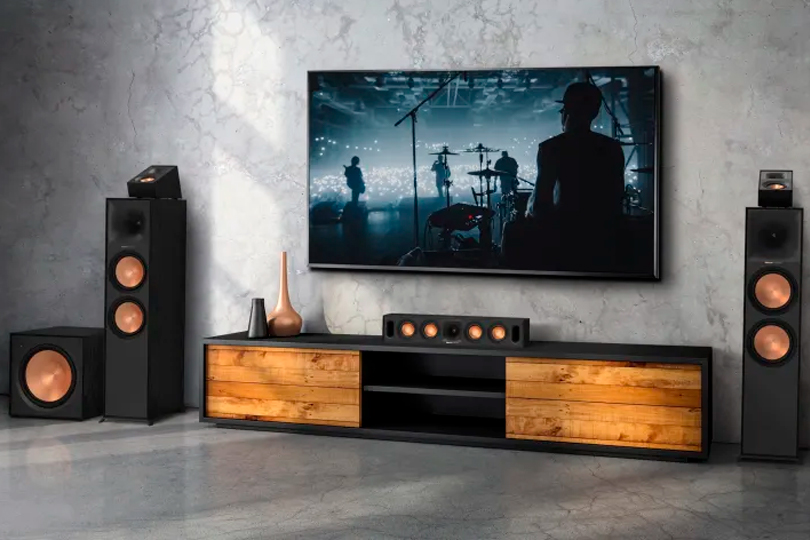
A traditional home audio system consists of three core elements: a source, an amplifier, and a speaker system. The most common sound sources include turntables, CD players, streaming players (for use with music services), computers, and even smartphones. The signal from the source goes to the amplifier, where it's powered and shaped, and then routed to the speakers.
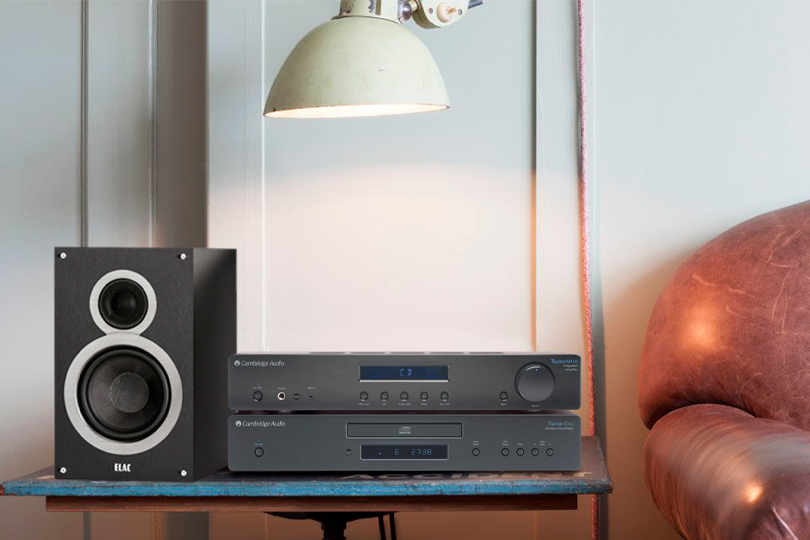
These three components—source, amplifier, and speakers—are interdependent. However, modern users have flexibility in how they combine them. For instance, you might choose a separate amplifier, turntable, and speaker setup—or opt for an all-in-one audio system that bundles everything you need for music playback into one device. Today, we’ll focus on the classic component-based Hi-Fi system, but we’ll also touch briefly on all-in-one solutions.
All-in-One Systems
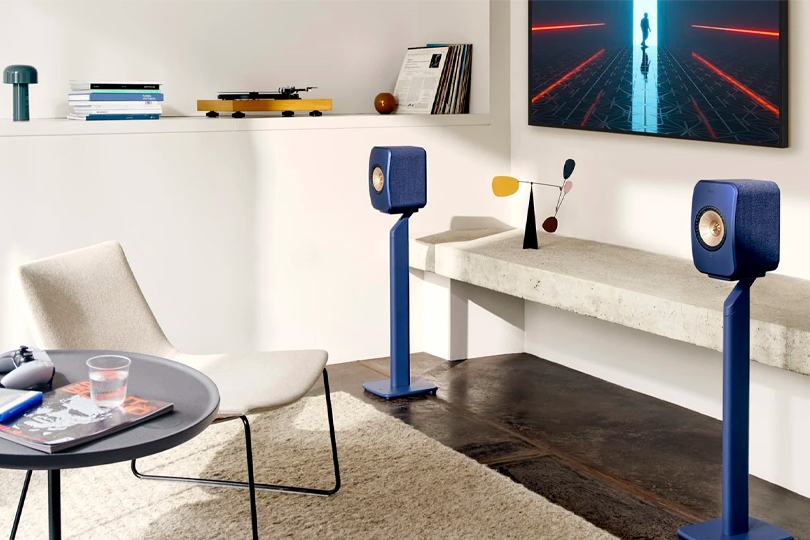
These are ideal for those who don’t want to dedicate much space to audio gear. Modern all-in-one Hi-Fi systems can incorporate all your home’s audio sources. For example, the KEF LSX II loudspeakers are a perfect alternative to a full rack of audio gear. They feature high-quality built-in amplifiers and support Bluetooth, Wi-Fi, AirPlay 2, and Chromecast. You can easily connect them to your TV or laptop, and their wireless design makes installation effortless.
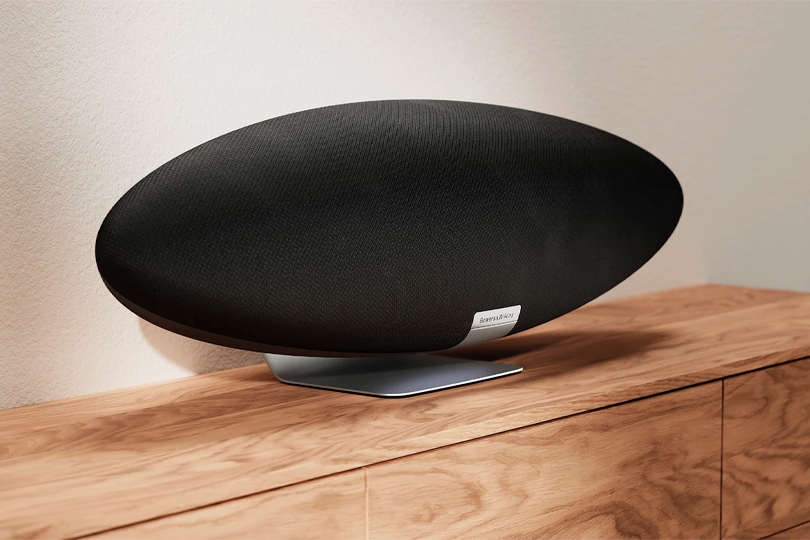
Another versatile option is the Bowers & Wilkins Zeppelin—a system you can control straight from your smartphone. This "airship" in your living room supports high-resolution digital audio and delivers an impressive 240 watts of power.
Building Your Own Hi-Fi System
Choosing audio components individually can be a time-consuming process that requires some experience. So, where do you start? How do you navigate through all the available models? Here’s a detailed guide:
Speaker System
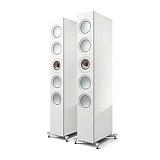
Speakers are one of the most crucial elements of your home audio system—after all, they’re what you actually hear. A speaker can either reveal the full richness of music or blur it, losing detail and clarity. Here’s what to consider:
Speaker System


Brand: Focal
: 44
Connection method: hdmi, optical, rca, usb-a, rj45, bluetooth, wifi
Bluetooth version: 5.3
Cable included: yes
Charging connector: DC-IN


Match Your Speakers to the Room
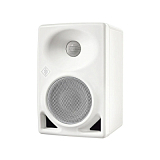
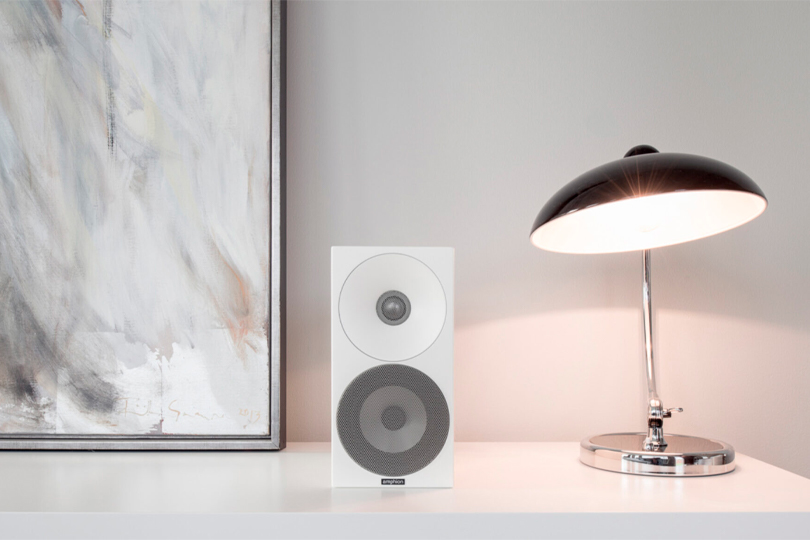
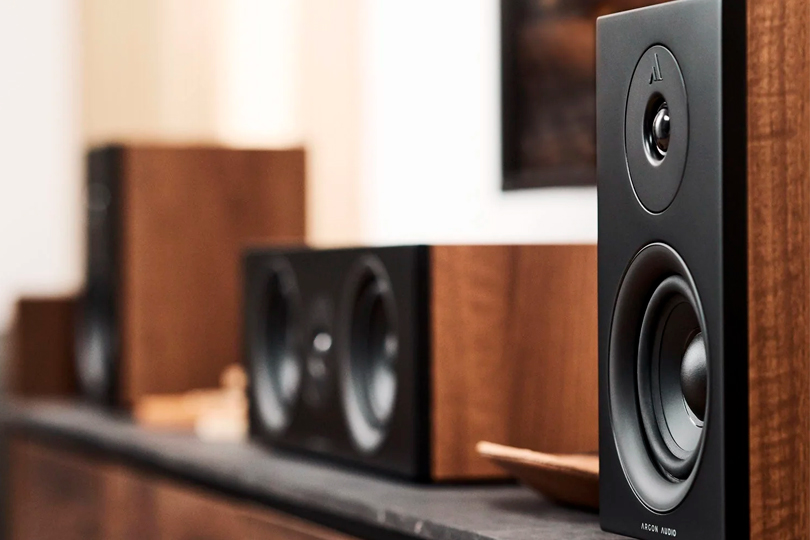
Putting large floorstanding speakers in a small room won’t allow them to perform at their best. You’ll end up with boomy bass, harsh highs, and a weak midrange. For smaller spaces (up to 16 square meters), bookshelf speakers are a better option—they can still deliver expansive, full-bodied sound. There's a common myth that smaller speakers can’t produce deep bass—but this isn’t true. For example, Amphion Argon0, despite their compact size, reproduce excellent low frequencies with strong dynamics and resolution.
Active vs Passive Speakers
Active speakers come with built-in amplifiers, making them convenient since you won’t need additional equipment or cables. Passive speakers, on the other hand, require an external amplifier but offer greater flexibility—you can pair them with different amps and sources to customize your system.
Speaker System
Brand: Focal
: 44
Connection method: hdmi, optical, rca, usb-a, rj45, bluetooth, wifi
Connection method: bluetooth, wifi, rj45, hdmi
Max SPL, dB: 105
Number of lanes: two-lane
Brand: KEF
: 32
Connection method: bluetooth, wifi, rj45, optical, usb, 3.5

Connection method: bluetooth, wifi
Type of speakers: active bookshelf
Alarm clock: yes

Connection method: bluetooth
Mount type: body
The highest frequency, kHz: 16
Maintain a Balanced Budget Across Components
Think of it this way: no one would put cheap wheels and seats from a budget car on a Mercedes-Benz, because it would ruin the driving experience. The same logic applies to audio: if you own a premium amplifier, pairing it with speakers from a basic music system is simply irrational. Of course, this is an exaggeration—but try to maintain parity across components so everything is of a similar class.
Trust Your Ears
Specs alone don’t tell the full story. For instance, dozens of speaker models may list a frequency range from 45 Hz to 20 kHz, but they will sound completely different. That’s because every brand has its own tuning philosophy. Always rely on what you hear.
Amplifier
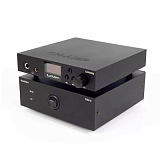
The amplifier is the central hub of your audio system, receiving signals from the source, amplifying them, and sending them to the speakers.
Amplifiers
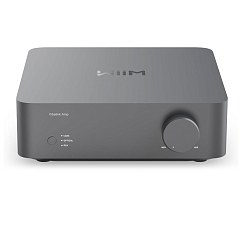
Brand: WiiM
Power per channel at 4 ohms, W: 200
Power per channel at 8 Ohm, W: 100

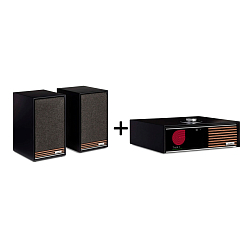
Brand: Ruark
Internal DAC: yes
Input connectors: HDMI, Optical, RJ45, RCA

Braid material: PVC
Cable length, m: 0.35
Connector (left): RCA male, USB-C

Braid material: PVC
Cable length, m: 0.65
Cable type: straight
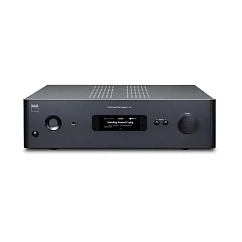
Brand: NAD
Power per channel at 4 ohms, W: 180
Power per channel at 8 Ohm, W: 180
AV Receiver or Stereo Amplifier?
The key difference lies in functionality. AV receivers typically offer more inputs for external devices, including HDMI ARC for TV connections. You’ll find both stereo and multi-channel receivers—the latter are used for building home theater systems. Traditional stereo amplifiers are more common for music listening and often allow connection of two speaker pairs, useful for multi-room setups.
There's no definitive answer as to whether a receiver or amplifier sounds better—it all depends on your goals and the features you need.
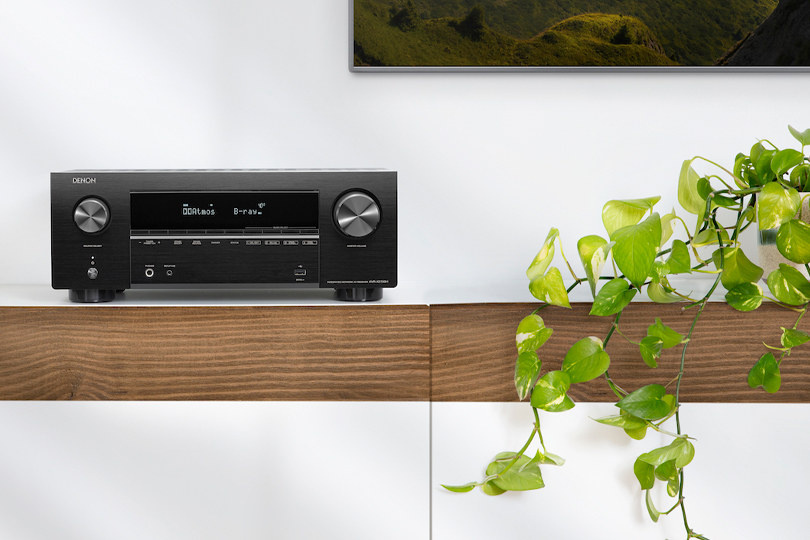
AV Receiver or Stereo Amplifier

Brand: Naim
Power per channel at 4 ohms, W: 1450
Power per channel at 8 Ohm, W: 768

Brand: Naim
Input connectors: RCA, 6.35mm jack, XLR
Output connectors: XLR

Brand: Naim
Power per channel at 4 ohms, W: 1450
Power per channel at 8 Ohm, W: 768

Brand: Naim
Power per channel at 4 ohms, W: 130
Power per channel at 8 Ohm, W: 80
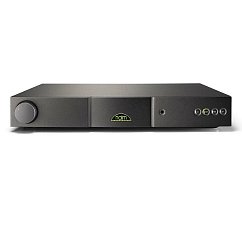
Brand: Naim
Power per channel at 4 ohms, W: 95
Power per channel at 8 Ohm, W: 60
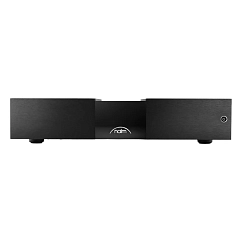
Brand: Naim
Power per channel at 4 ohms, W: 345
Power per channel at 8 Ohm, W: 175
What Inputs Should an Amplifier Have?
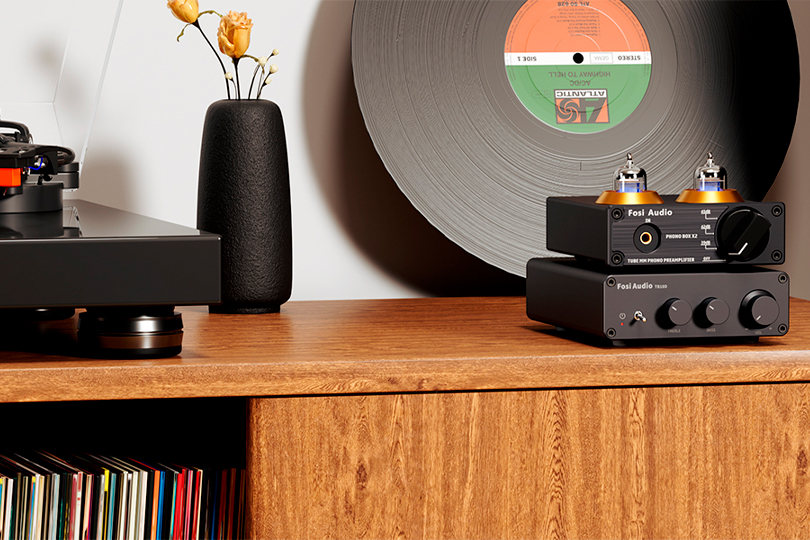
Most modern amplifiers include a series of analog RCA inputs, a phono input for vinyl turntables, and a range of digital inputs like USB, HDMI, optical, and coaxial. Curious about what phono stages do? Check out our dedicated article on that topic.
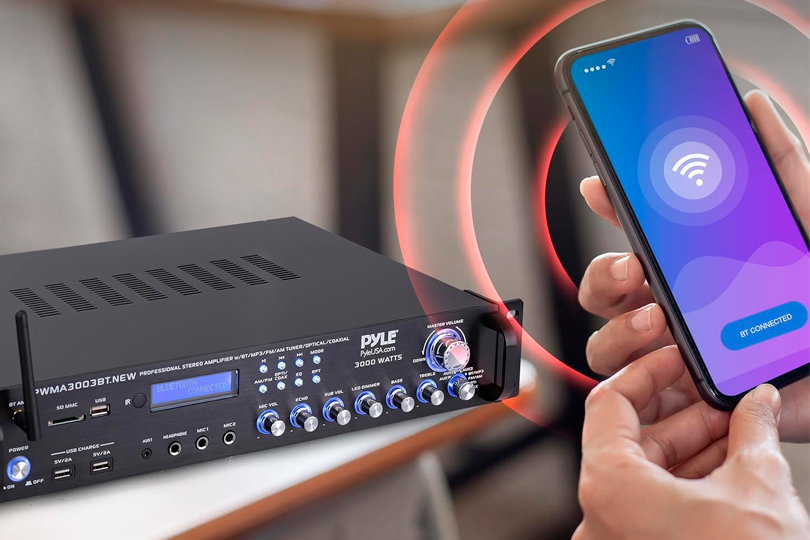
Do Amplifiers Have Bluetooth and Wi-Fi?
Yes—modern amplifiers often include Bluetooth and Wi-Fi modules, making it easy to stream high-quality music from your phone. They also integrate well into multi-room audio systems.
We’ve created a separate in-depth guide to help you choose the right amplifier, covering all the nuances.
Amplifiers Bluetooth
Brand: Ruark
Internal DAC: yes
Input connectors: HDMI, Optical, RJ45, RCA

AirPlay support: yes
Connection method: rca, rj45, hdmi, bluetooth, wifi, toslink
HDMI: 2.0
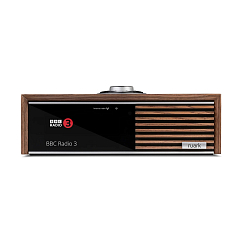
AirPlay support: yes
Connection method: rca, rj45, hdmi, bluetooth, wifi, toslink
HDMI: 2.0
Brand: Ruark
Internal DAC: yes
Input connectors: HDMI, Optical, RJ45, RCA

AirPlay support: yes
Connection method: bluetooth, wifi, rj45
Internet radio: yes

Circuit design: discrete
Form factor: stationary
Impedance, Ohms: 4, 8
Sound Source
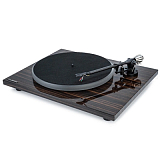
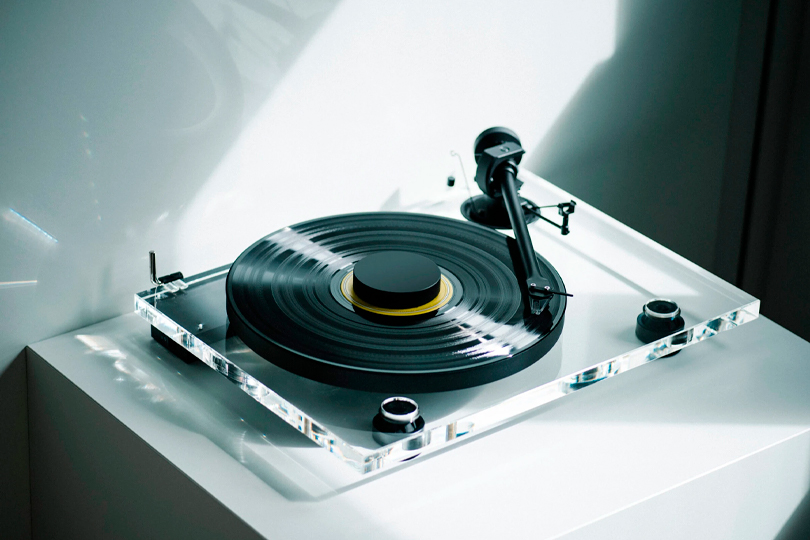
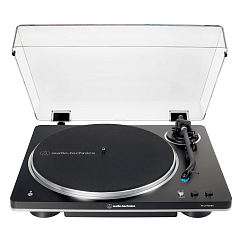
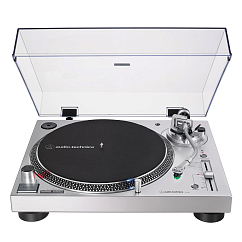
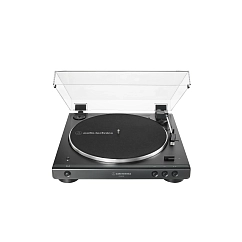
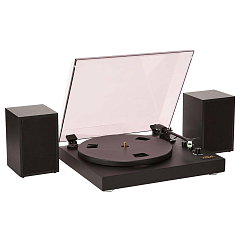
You’ll need to answer this: What medium will you use to listen to music? Do you have a large collection of vinyl or CDs? Or are you subscribed to a streaming service? If vinyl is your choice, you’ll need a quality turntable. You can read our detailed guide on choosing a turntable, but here are a few key highlights:
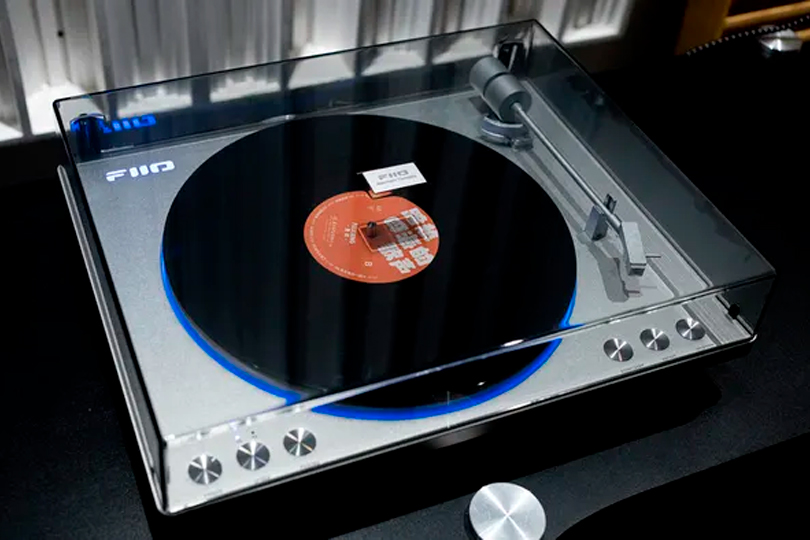
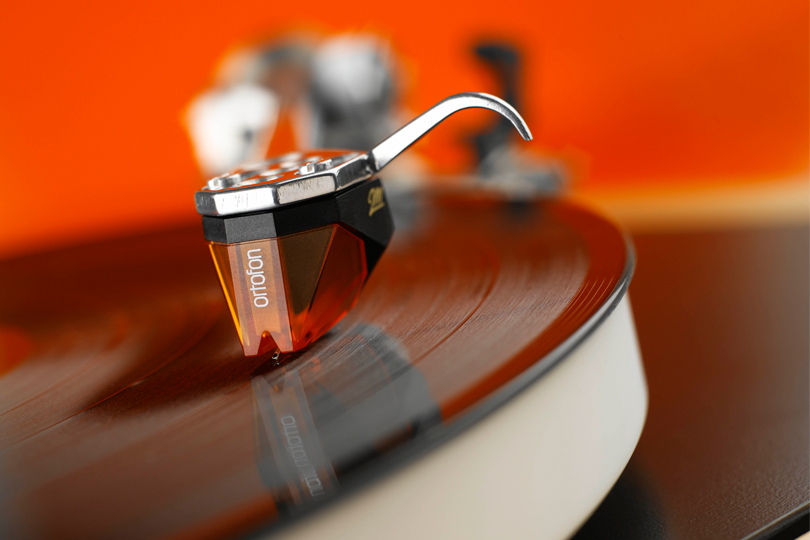
Replaceable Cartridge
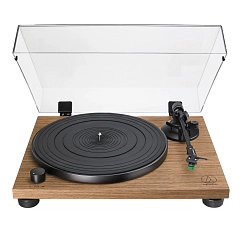
This feature is essential. A timely cartridge replacement ensures your sound remains top-notch. Plus, upgrading the cartridge is a great way to improve your setup.
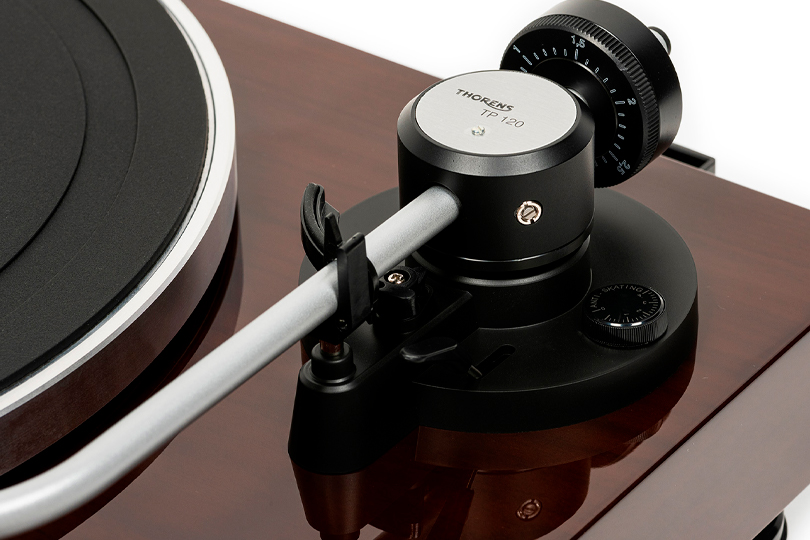
Adjustable Tonearm
The tonearm is the pivoted arm that holds the cartridge. Accurate tonearm setup directly impacts sound quality, so having controls for height and tracking force is very useful. Some high-end models from brands like Music Hall or Pro-Ject come pre-calibrated—these are worth considering too.
Quality Build and Vibration Isolation
Turntables are sensitive to external vibrations, which is why they often include damped feet, layered bases, heavy platters, and other forms of vibration isolation. Common materials include MDF, glass, aluminum, carbon fiber, and wood — pay close attention to the build quality.
Turntables
Bluetooth version: 5.2
Brand: Audio-Technica
Cartridge type: MM

Ready-Made Hi-Fi Setups from Dr.Head
We’ve assembled some great home audio systems across various budgets:
Entry-Level (DALI Spektor 2 + SMSL SA-36A PRO + TEAC TN-175)
The DALI Spektor 2 bookshelf speakers, paired with the SMSL amplifier and a TEAC TN-175 turntable, make for a compact, vinyl-ready Hi-Fi system ideal for smaller rooms. If you’re new to analog audio, the TEAC player will help you appreciate its warmth, while the Spektor 2 delivers a rich, immersive sound.
Mid-Tier ("The Sweet Spot") — TEAC TN-280BT-A3 + Klipsch The Fives
Klipsch The Fives are active speakers with a sleek design and versatile functionality. They pair beautifully with the TEAC TN-280BT-A3 turntable and offer the standout feature of Bluetooth vinyl playback. A perfect setup for those who value both aesthetics and ease of use.
High-End — Michi X3 + Bowers & Wilkins 702 Signature
The Michi X3 integrated amplifier from Rotel combines Japanese engineering excellence with robust performance, and matches beautifully with the British Bowers & Wilkins 702 Signature speakers. This is one of the most refined combos in the industry—powerful, balanced, and supremely detailed. It’s a system for the discerning listener who wants to hear everything.
Now you know what goes into a home Hi-Fi system and how to navigate the vast world of high-end audio. At Dr.Head, you can listen to all our demo equipment in professionally treated listening rooms.