













Hi-Fi at Home: How to Choose the Right Speaker System
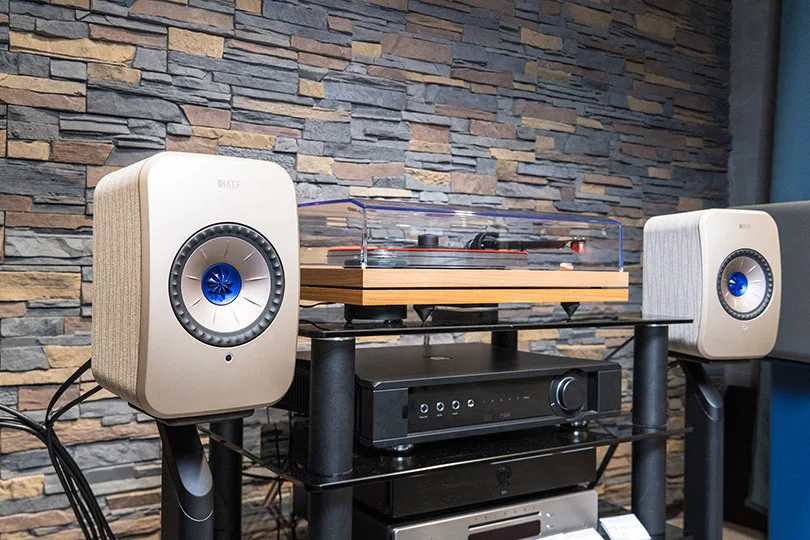
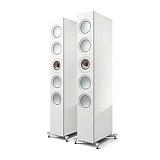
A speaker system (or simply “speakers,” as they’re commonly called) is the final link in your Hi-Fi audio chain — the component responsible for transforming an electrical signal into sound waves, into music.
Contents
Acoustic Systems:


Brand: Focal
: 44
Connection method: hdmi, optical, rca, usb-a, rj45, bluetooth, wifi
Bluetooth version: 5.3
Cable included: yes
Charging connector: DC-IN


Hi-Fi at Home: How to Choose the Right Speaker System
Even if you believe the source is the most critical part of a system, you should never underestimate the importance of your speakers. After all, they are what ultimately reveal the strengths or flaws of your entire signal path. If you're facing the task of choosing a speaker system, we’re here to help guide you through the process.
Book a Listening Session
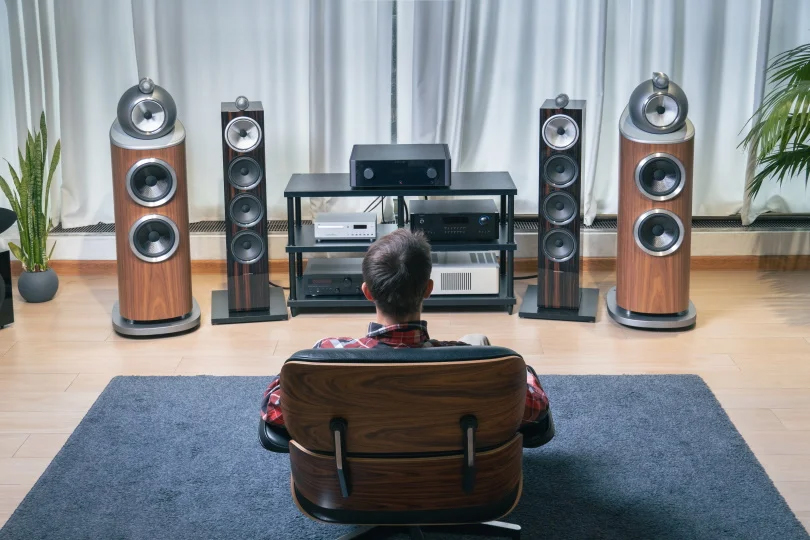
With such a wide range of brands and models available today, how do you choose the right one without making a mistake? Start by answering a few key questions.
Where Will You Be Using the Speakers?
The size of your room directly influences the type of speakers (loudspeakers) that make sense to install. For a space up to 15 square meters, a pair of compact 2-way bookshelf speakers might be sufficient. But for larger rooms, you’ll likely need full-sized floorstanding speakers to achieve proper sound coverage.
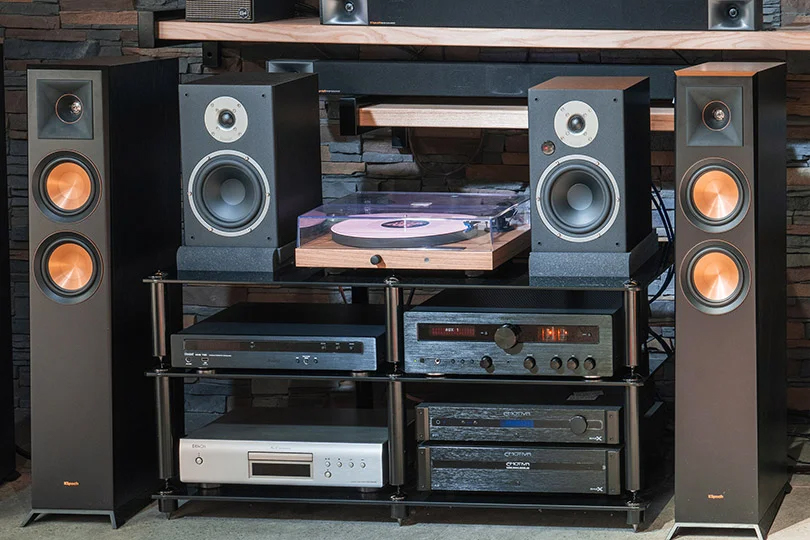
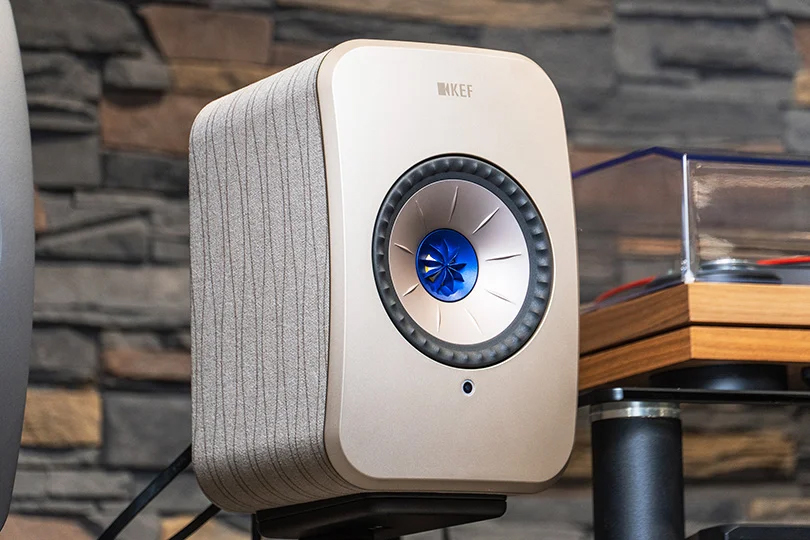
The type of speaker system you choose isn’t determined solely by room size. It also depends on the available space and your ability to position the speakers properly. If space allows, floorstanding models can work even in smaller rooms. Generally, speakers need some breathing room from the walls to perform optimally — around 10 cm for a small bookshelf model, while larger floorstanders may require a meter or more. That said, some models are designed for placement close to walls, such as those with front-firing bass reflex ports (you’ll find such options in our top picks).
Incidentally, the traditional English term “bookshelf speakers” has gradually been replaced by “standmount speakers,” reflecting a more accurate setup approach — placing them on dedicated, heavy stands significantly improves sound quality compared to positioning them on a shelf or sideboard.
To ensure proper soundstage development, it’s important to position the speakers and your listening spot in an equilateral triangle configuration. This ensures an immersive stereo image. The topic of speaker placement and room acoustics is a deep one — deserving of its own article — so we’ll stop here with the basics.
Book a Listening Session
Acoustic Systems:


Connection method: bluetooth
Mount type: body
The highest frequency, kHz: 16
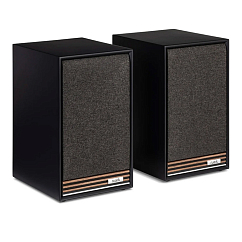
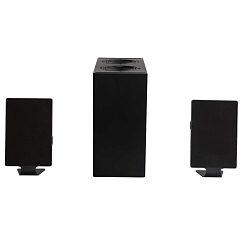
Connection method: bluetooth
Mount type: body
The highest frequency, kHz: 18
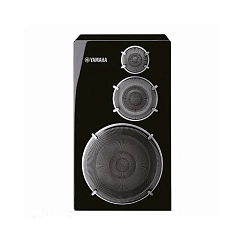

Active or Passive?
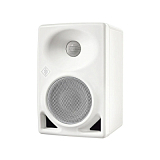
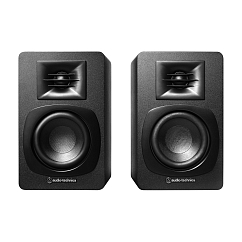
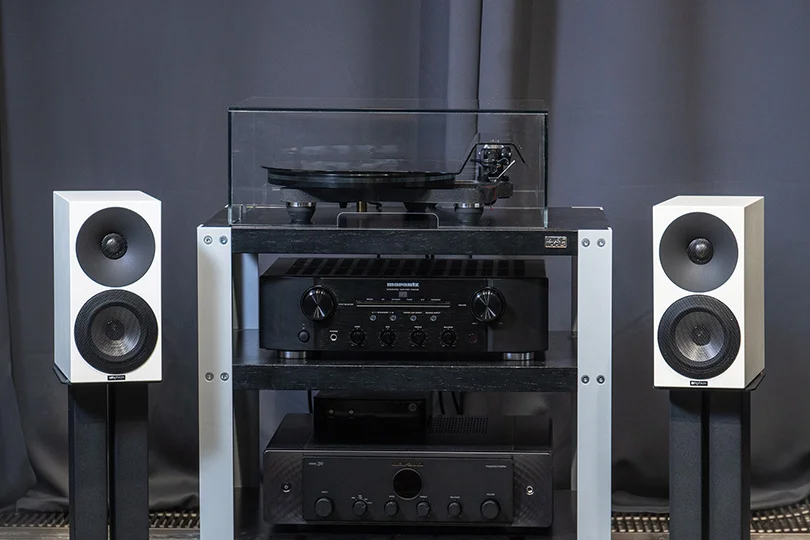
Passive speakers require an external amplifier to function, whereas active speakers have a built-in amplifier module. The majority of Hi-Fi loudspeakers are passive, giving you the flexibility to experiment with different amps and components, allowing you to upgrade each part of your system independently. Active speakers are more commonly found in the professional audio world — studio monitors are typically active. Wireless speakers, by definition, are also active.
What Will You Be Using the Speakers With?
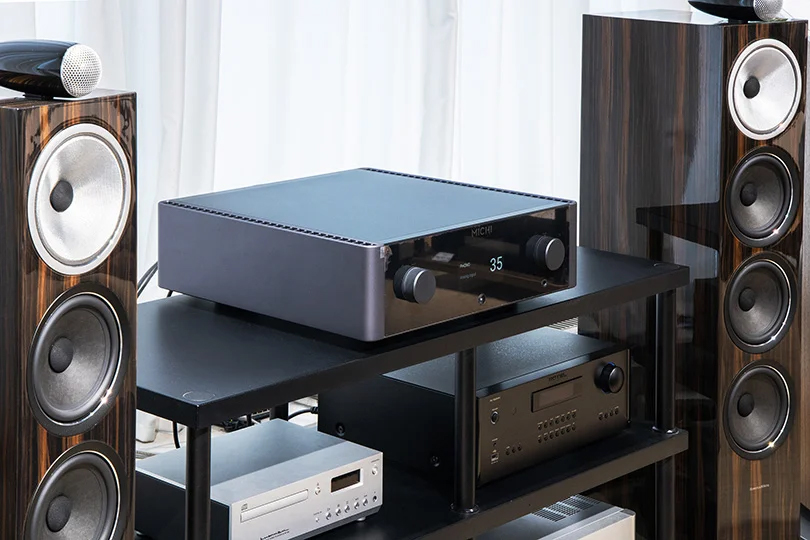
When selecting Hi-Fi speakers, it’s important to consider your entire audio chain — source, amplifier, and any other components you currently have or plan to purchase. A key rule: all devices should be of comparable class and quality. For example, if you spend 90% of your budget on speakers and choose a low-cost amplifier for the remaining 10%, the amp will bottleneck the performance of your premium speakers. In other words, the overall quality of your sound system is defined and limited by its weakest link.
What Kind of Sound Are You Looking For?
For your Hi-Fi system to bring you genuine joy, your speakers must not only be of high quality, but they should also align with your personal music tastes and expectations regarding sound character. Each manufacturer uses different technologies and engineering philosophies. Just like with headphones, there’s no single “correct” sound or one-size-fits-all ideal.
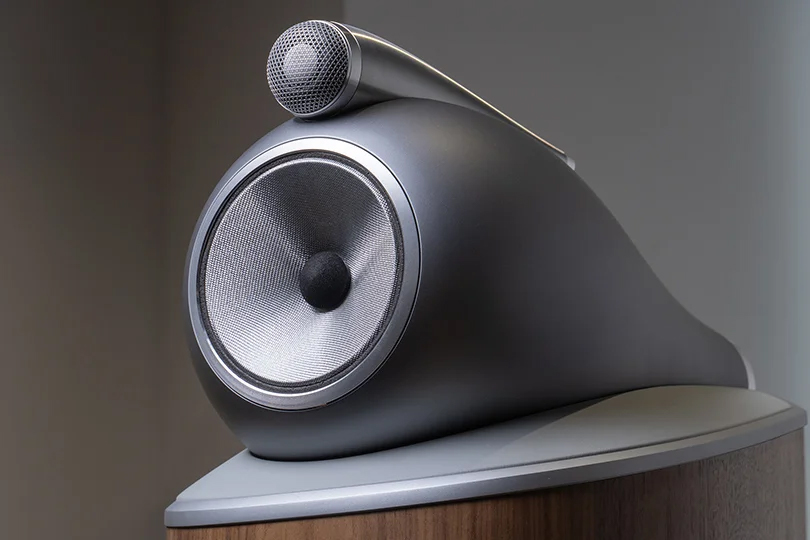
Do you prefer a warm, dark tone with smoothed-out treble? Emphasis on vocals? Or are you drawn to the flat, reference-grade sound of professional studio monitors — which some find too dry compared to the rich, colored presentation of audiophile Hi-Fi gear?
Naturally, answering this question requires some experience. If you're new to the Hi-Fi world or shopping for your first setup, try listening to various systems with different sonic signatures — and play the music you actually love and listen to most.
What About the Technical Specs?
It’s enough to ensure your chosen speakers are compatible with your amplifier in terms of impedance and power handling. Beyond that, don’t get too caught up in the numbers. Choose your speakers not by what the specs say, but by what your ears tell you.
Of course, there are many other technical details and nuances (driver types and configurations, cabinet materials, crossover designs, etc.) that we simply can’t cover in one article without turning it into a book. That’s why we invite you to check out our curated list of top speaker picks — suitable for various rooms and budgets. For more detailed information, feel free to speak with our consultants during a listening session.
Acoustic Systems:
Brand: Focal
: 44
Connection method: hdmi, optical, rca, usb-a, rj45, bluetooth, wifi
Bluetooth version: 5.3
Cable included: yes
Charging connector: DC-IN