










From Tin Foil to Hi-Fi: A 100-Year History of Home Stereo
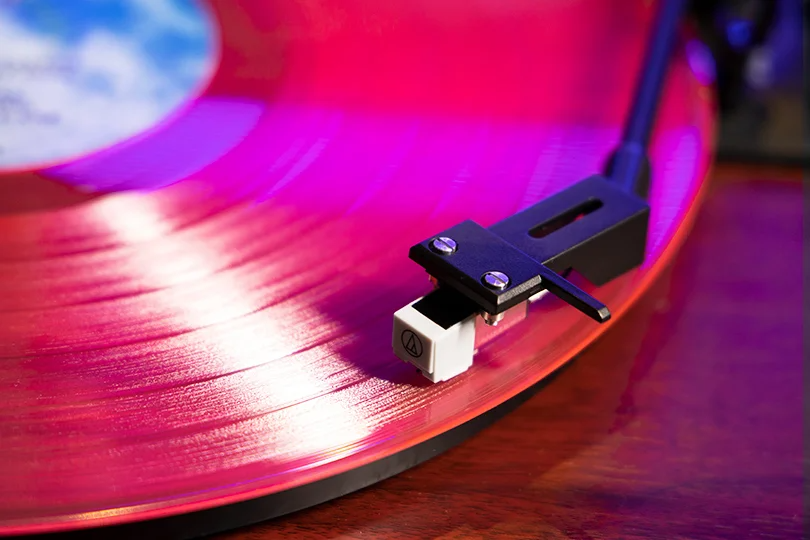
Ever wonder what your grandparents rocked out to? It probably wasn’t a playlist on their phone. The way we listen to music at home has been in constant revolution for over a century, with formats rising, falling, and sometimes… making a killer comeback.
Let's take a journey through the gear that has defined home listening, from the wild inventions of the 19th century to the smart speakers of today.
- Phonographs (1880s – 1920s)
- Gramophones (1880s – 1950s)
- Radio (1920s – Present)
- Electric Turntables (1940s – Present)
- Radiograms and Shelf Stereos (1940s – Present)
- Reel-to-Reel and Cassettes (1950s – Present)
- CD Players (1980s – Present)
- Component Hi-Fi (1970s – Present)
- Bluetooth and Smart Speakers (2000s – Present)
It All Started with a Tin Foil Cylinder: The Phonograph (1880s – 1920s)
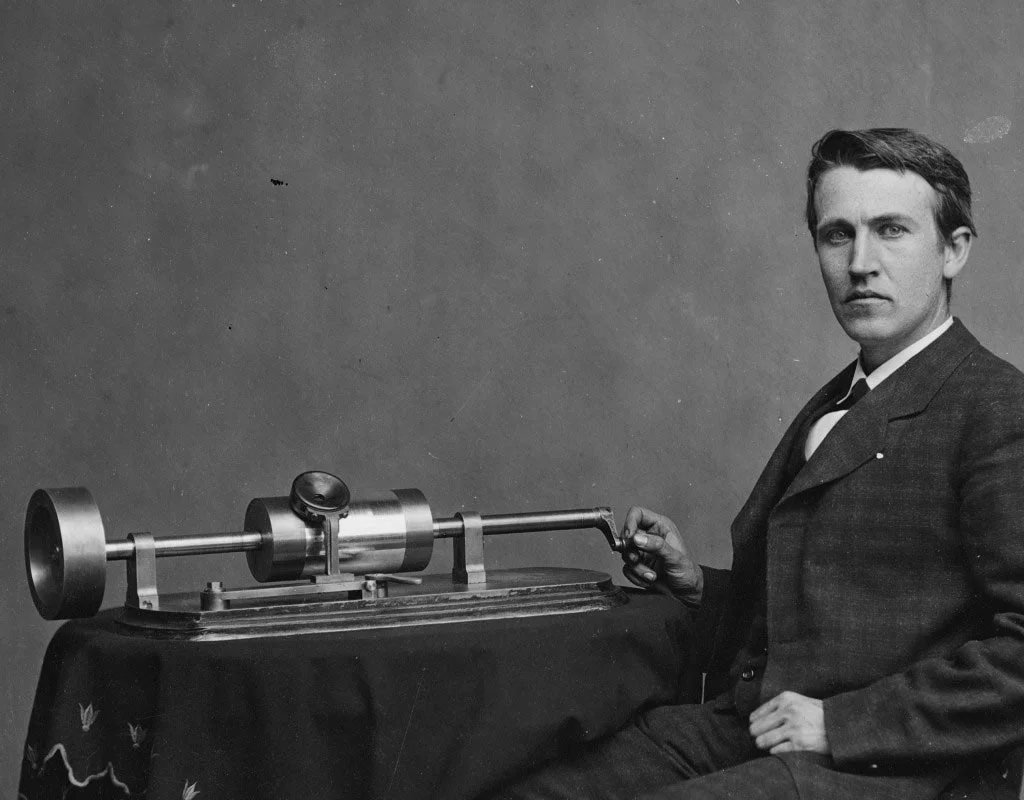
In 1877, Thomas Edison unveiled a machine that could capture and replay sound. This wasn't just an invention; it was basically magic. During early demos, people were so blown away they accused the presenters of ventriloquism, refusing to believe that "despicable metal could reproduce the noble human voice."
The phonograph worked by etching sound waves onto a rotating, foil-covered cylinder. The quality was awful, the recordings were fragile, and you couldn't make copies. But for the first time ever, you could buy recorded music. It was a game-changer, but its reign was short. By 1904, a tougher, longer-playing, two-sided competitor was already taking over: the disc.
The Age of the Disc: The Gramophone (1880s – 1950s)
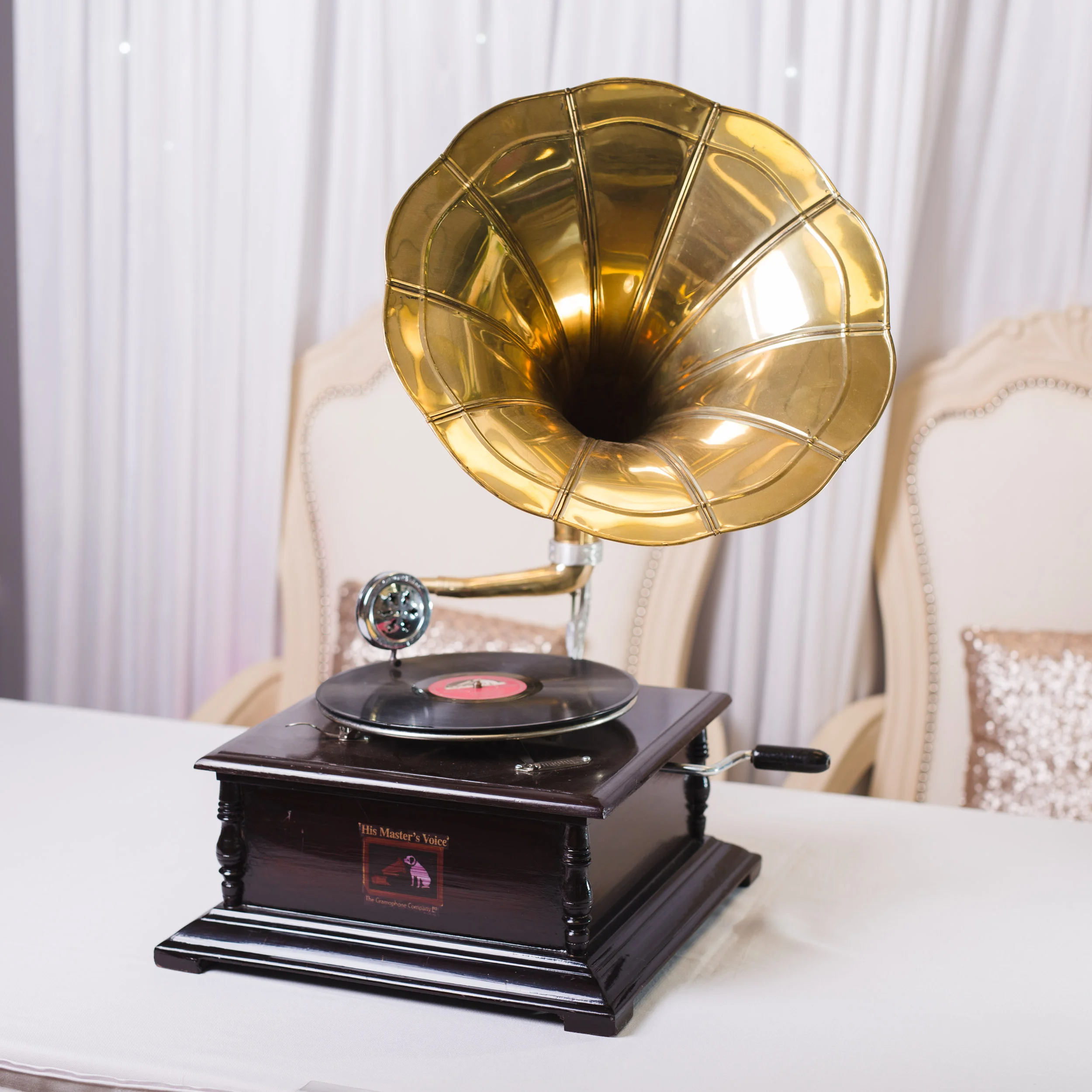
Patented in 1887 by Emile Berliner, the gramophone was the first truly mass-market home audio device. It used the same idea as the phonograph but swapped the clunky cylinder for a flat disc, or "record."
After starting with 7-inch discs that held about two minutes of audio, the industry quickly moved to 10- and 12-inch formats. By 1912, the standard was set: 78 revolutions per minute (RPM). This is the real reason the three-minute pop song became the gold standard for decades — it simply was all that would fit. Soon, portable "suitcase" gramophones appeared, letting people take their tunes on the go. The gramophone ruled the first half of the 20th century, but a new kind of magic was just around the corner.
Sound from Thin Air: The Magic of Radio (1920s – Present)
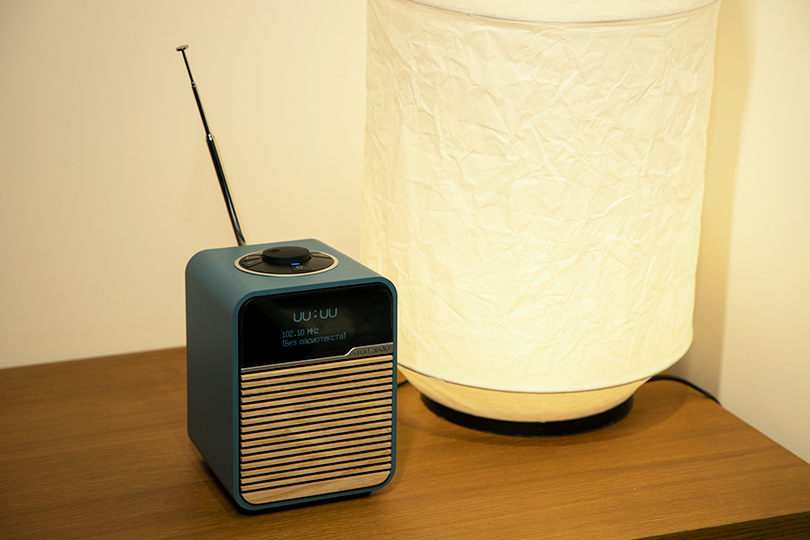
While the tech had existed since 1887, radio broadcasting didn't truly explode until the 1920s. It was a revolution. Suddenly, you didn't need to buy records to hear music: you just had to turn a dial, and sound would fill the room. Families gathered around their radios for news, entertainment, and music, making it the heart of the home. While the TV eventually stole its spot in the living room, radio found a new home where it still thrives today: the car.
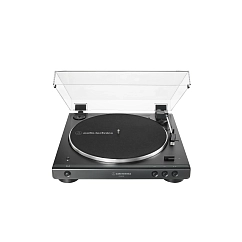
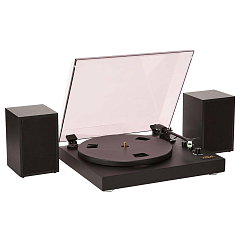
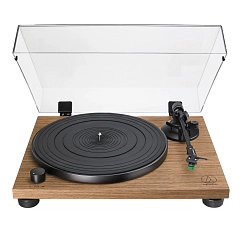
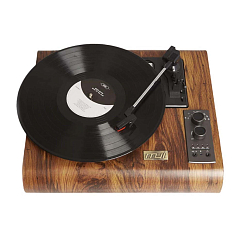
Vinyl is Born: The Electric Turntable (1940s – Present)
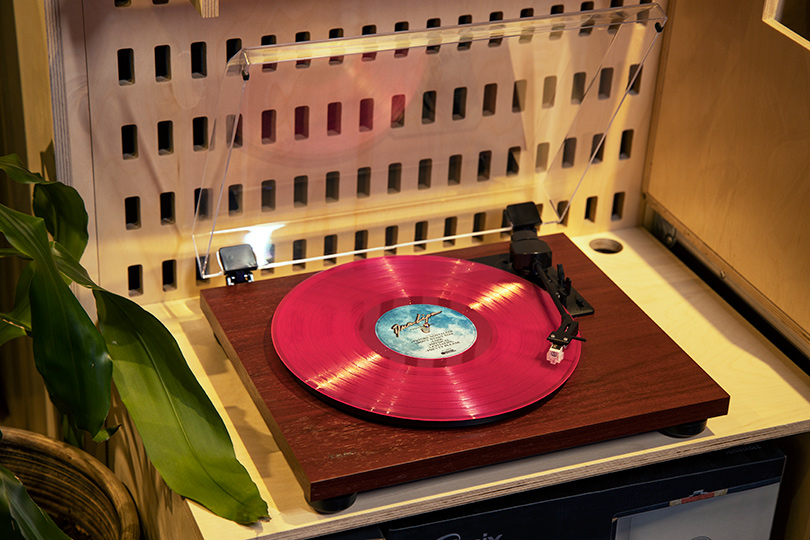
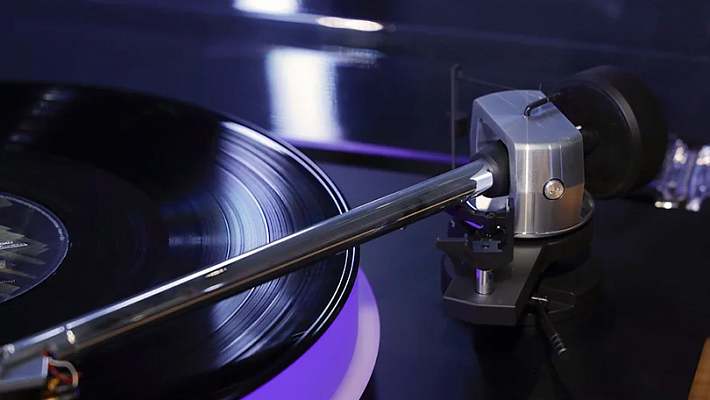
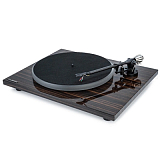
Electric-powered turntables from the late 1920s sounded way better than their mechanical cousins, but they were expensive and required a full setup. That all changed in 1948 when Columbia Records dropped the Long Play (LP) record.
Made from a new material called vinyl and designed for a slower 33⅓ RPM speed, the LP was a quantum leap. It held more music, sounded better (with a frequency range of 50–16,000 Hz), and was far more durable than old shellac discs. The '60s and '70s were the golden age of vinyl, as stereo systems became a household staple. And after being declared "dead" in the '90s, it staged the most unlikely comeback in music history. In 2020, vinyl sales officially earned more than CD sales for the first time since the 1980s.

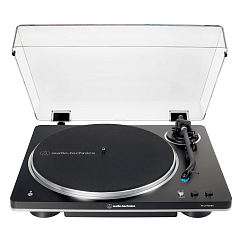
Bluetooth version: 5.2
Brand: Audio-Technica
Cartridge type: MM
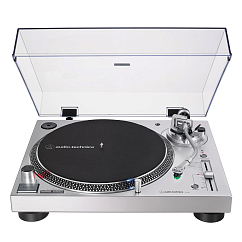


Bluetooth version: 5.2
Brand: Audio-Technica
Cartridge type: MC, MM
The All-in-One Dream: From Radiograms to Shelf Stereos (1940s – Present)
The Radiogram (a radio and turntable in one massive wooden cabinet) was the original all-in-one entertainment center of the '40s and '50s. By the 1970s, it had evolved into the "Music Center," combining a receiver, turntable, and the hot new format: cassettes. In the '80s, the turntable was swapped for a CD player, and the whole package shrank into the "shelf stereo" that dominated the '90s. The concept is still alive today, but modern mini-systems have ditched physical media for the world of streaming.
Tape Gets Serious: Reel-to-Reel and Cassettes (1950s – Present)
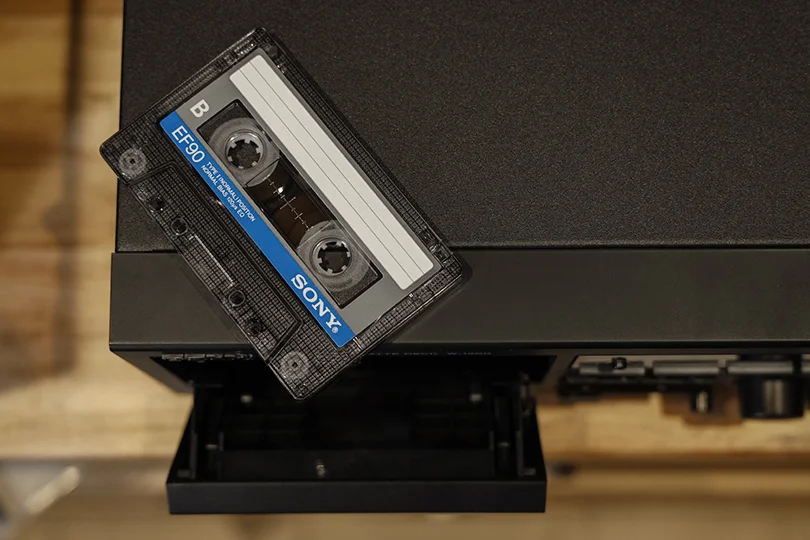
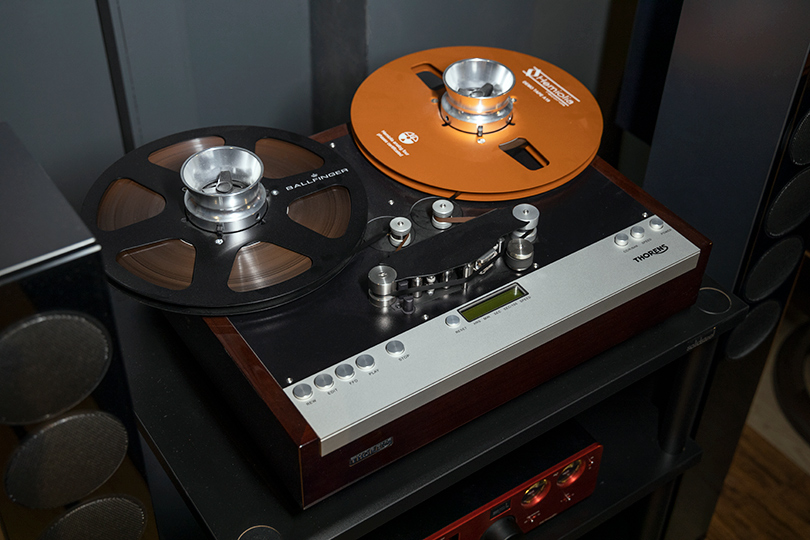
Magnetic tape, born in Germany in 1935, became the studio standard for decades. Reel-to-reel decks offered audiophiles unparalleled sound quality at home, but they were big and clunky. The real hero for the masses was the Compact Cassette, introduced by Philips in 1963.
It was small, cheap, durable, and you could record your own. The cassette tape and the portable Sony Walkman defined a generation, giving us mixtapes and truly personal, portable music for the first time. It was the king of formats until the digital revolution arrived.
The Digital Dawn: The CD Player (1980s – Present)
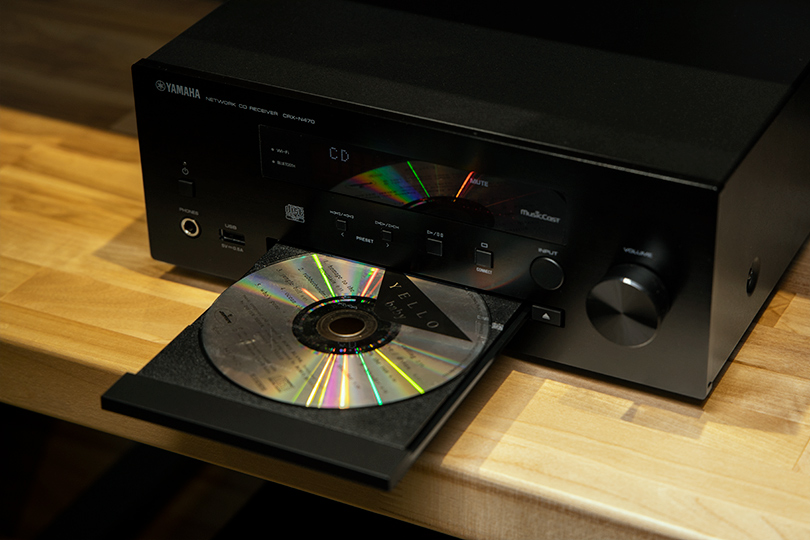
Introduced by Philips and Sony in 1980, the Compact Disc was the future. It offered crystal-clear digital sound, no surface noise, and instant track skipping. By the late '80s, it had outsold vinyl, and by the early '90s, it had killed the cassette. At its peak in 2002, the CD had a staggering 95.7% market share. It wasn't until the rise of MP3s and, eventually, streaming that its reign finally ended.
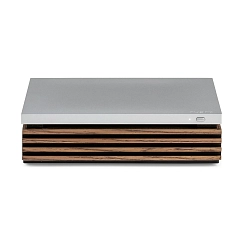
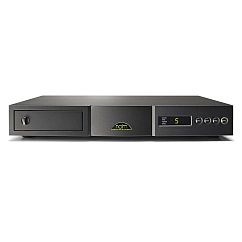


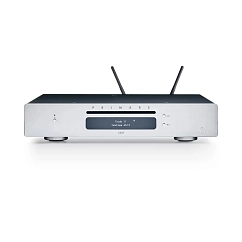
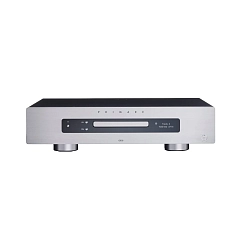
The Ultimate Setup: Component Hi-Fi (1970s – Present)
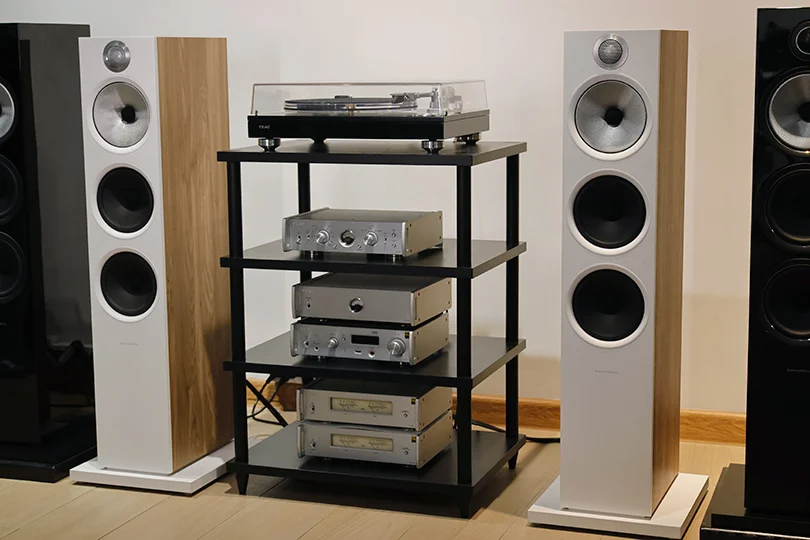
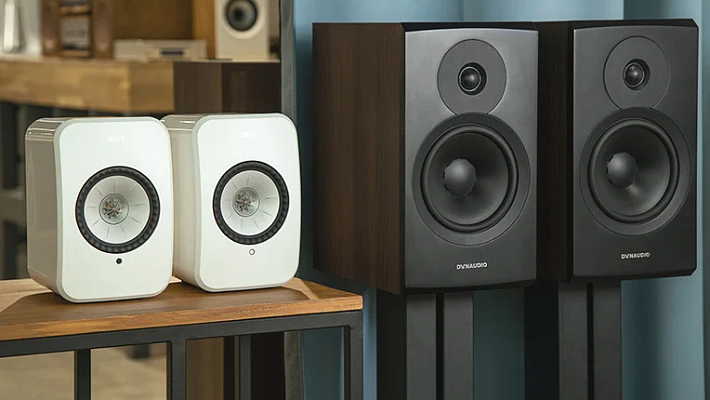
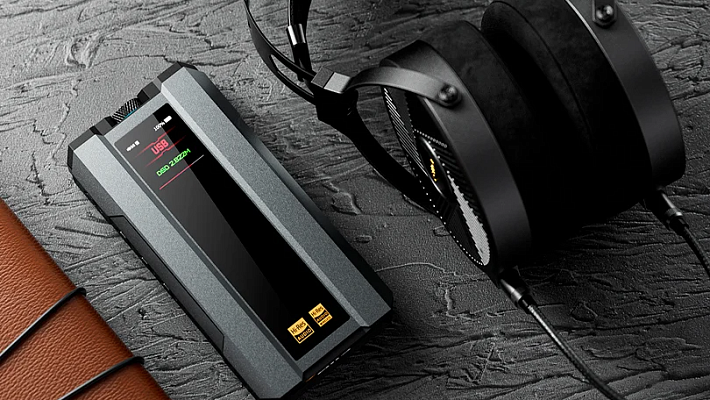
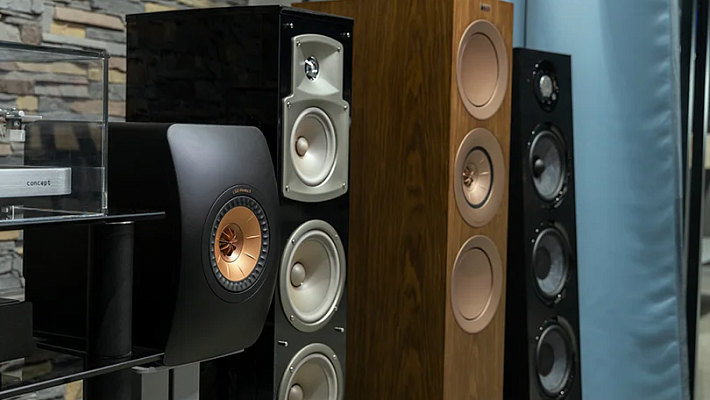
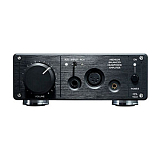
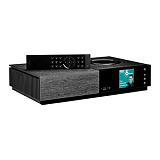
For those who refuse to compromise, the component Hi-Fi system has always been the answer. Instead of an all-in-one box, you build your system piece by piece: a turntable, an amplifier, a streamer, speakers — all chosen by you. It’s the path for anyone who wants the absolute best in sound quality, flexibility, and the power to upgrade.


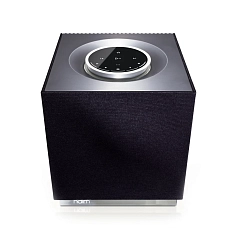

Brand: Focal
: 44
Connection method: hdmi, optical, rca, usb-a, rj45, bluetooth, wifi
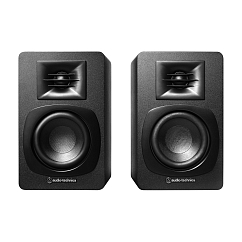
Bluetooth version: 5.3
Cable included: yes
Charging connector: DC-IN


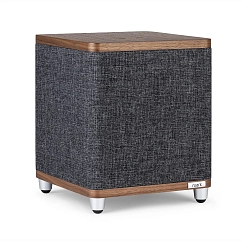
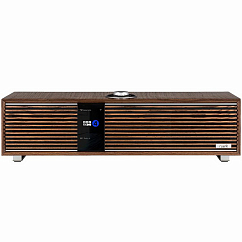
Connection method: wifi, rj45
Phase Inverter location: below
The highest frequency, kHz: 22
Life Without Wires: Bluetooth and Smart Speakers (2000s – Present)
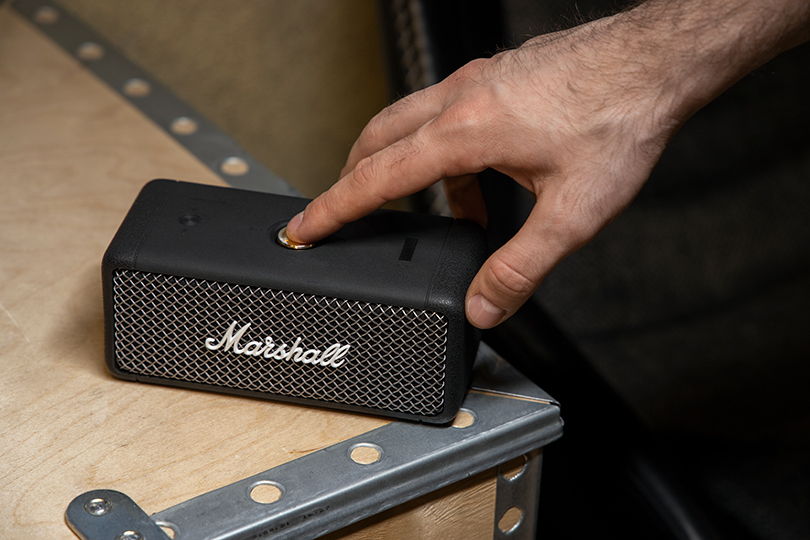
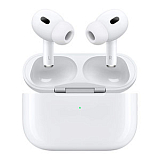
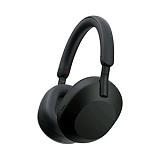
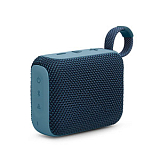
The smartphone and high-speed internet changed everything again. Bluetooth and Wi-Fi untethered us from our gear, leading to an explosion of portable speakers, wireless headphones, and multi-room audio systems.
And today, the Smart Speaker has changed how we interact with music itself. You don’t have to browse a library anymore — you just have to ask. Simply telling Alexa, Siri, or Google what you want to hear is the newest chapter in our century-long quest for perfect sound at home.

Connection method: wifi, rj45
Phase Inverter location: below
The highest frequency, kHz: 22
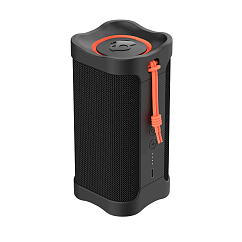
Bluetooth version: 5.3
Brand: Skullcandy
Charging connector: USB-C

Connection method: bluetooth, wifi
Type of speakers: active bookshelf
Alarm clock: yes

Connection method: bluetooth
Mount type: body
The highest frequency, kHz: 16
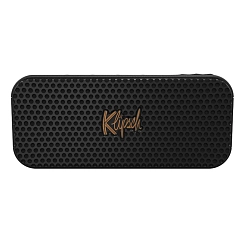
Bluetooth version: 5.3
Brand: Klipsch
Charging connector: USB-C
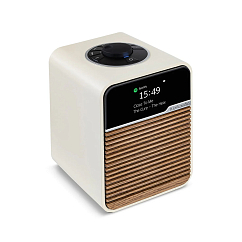
Connection method: bluetooth, wifi
Type of speakers: active bookshelf
Alarm clock: yes
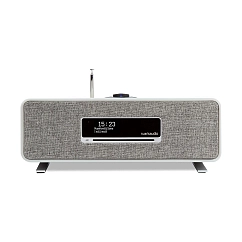
CD drive: yes
Connection method: wifi, bluetooth
Number of lanes: broadband
What was your first audio system? What do you use today? Let us know in the comments! And don't forget, you can test-drive all the latest gear at Dr.Head's Dubai showroom. Our experts will be happy to help you!