




















Crank the Bass: How (and Why) to Add a Subwoofer to Your Audio Setup
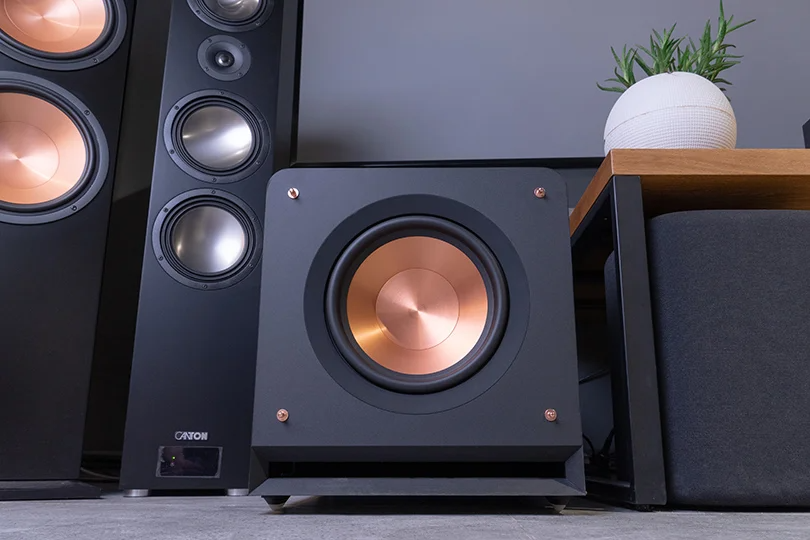
There’s an old joke in the audio world: "There are two types of people: those who love music, and those who love bass." The truth is, you need both. But even with a great pair of speakers, have you ever felt like something’s missing? That deep, chest-thumping impact in a movie explosion, or the subtle, room-filling rumble of a bass guitar?
That missing piece is a subwoofer. But wait, if you've already spent a fortune on amazing speakers, why do you need to buy another box? Let's dive in and figure it out.
Contents
What is a Subwoofer and Why Do You Need One?
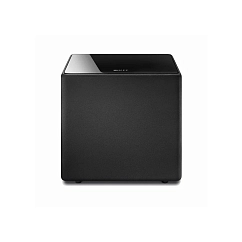
A subwoofer is a specialized speaker designed to do one thing and one thing only: handle the lowest frequencies, typically from around 20 Hz to 120 Hz.
Think of it as a division of labor. Your main speakers are brilliant all-rounders, but asking them to reproduce the deepest bass notes while also handling delicate vocals and sparkling highs is a huge task. By adding a subwoofer, you're hiring a dedicated heavy-lifter. The sub takes on the burden of the deep bass, freeing up your main speakers to perform better in the mid-range and treble. The result? A sound that is not just bigger, but clearer, more detailed, and more dynamic.
The Big Choices: Key Subwoofer Types
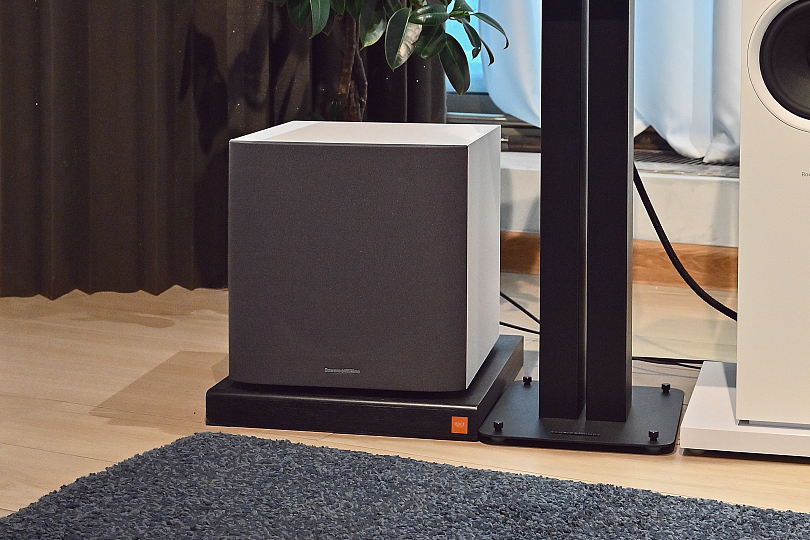
- Active vs. Passive: This is simple. Active subwoofers have their own built-in amplifier, which is perfectly matched to the driver. This is the standard for virtually all home audio subwoofers today. You just plug it into the wall and into your system. Passive subwoofers require a separate, external amplifier to power them, which is a setup typically found only in professional or custom-install scenarios.
- Sealed vs. Ported: This is the most important design choice, and it defines the sub's "personality."
- Sealed (or Acoustic Suspension): These subs have a driver in a completely sealed, airtight box. Think of them as a kickboxer: incredibly fast, tight, and precise. They excel at reproducing the subtle textures and nuances of a bass guitar or a cello, making them a fantastic choice for music lovers.
- Ported (or Bass-Reflex): These subs have an open port or hole that channels air movement to reinforce the low frequencies. Think of them as a heavyweight boxer: powerful, deep, and capable of delivering a thunderous knockout punch. They can produce more "rumble" and sheer output, making them a popular choice for home cinema.
How to Hook It Up: The 3 Main Connection Methods
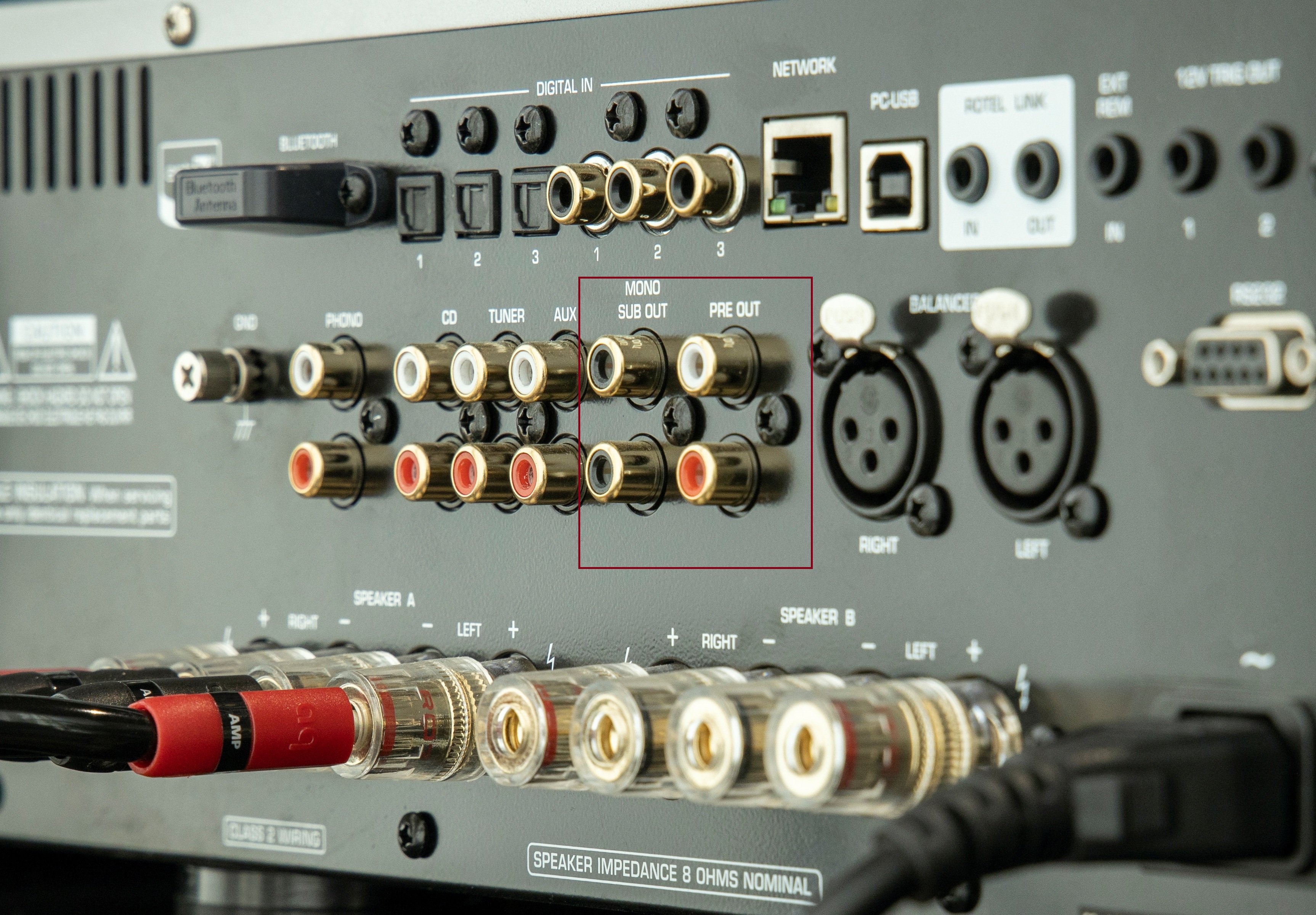
LFE / Subwoofer Out: This is the "easy button." Most AV receivers and many modern stereo amps have a single RCA output labeled "SUB OUT" or "LFE" (which means, Low-Frequency Effects). You run a single RCA cable from this output to the LFE input on your sub. This method sends a pre-filtered bass signal directly to your sub, making it the simplest and most common connection.
Stereo Pre-Out: If your amplifier has stereo RCA "PRE OUT" jacks, you can connect these to the stereo "LINE IN" jacks on your subwoofer. This sends a full-range signal to the sub, and you'll use the sub's own built-in crossover dial to filter out the high frequencies.
High-Level (Speaker Level) Input: This is the audiophile's choice, especially for integrating a sub into a two-channel music system. You run a set of speaker cables from the same speaker outputs on your amplifier that your main speakers are connected to. The idea is that the sub receives the exact same signal as your main speakers, leading to a more seamless and coherent integration.
The Secret to Great Bass: Placement and Setup
You can’t just stick a subwoofer in a corner and expect it to sound good. Great bass is all about two things: placement and integration.
The "Subwoofer Crawl"
Low-frequency sound waves interact with your room in weird ways, creating "dead spots" and "boomy spots." To find the perfect location, try this pro-tip. Place the subwoofer in your main listening chair. Then, play a bass-heavy music track you know well. Now, crawl around the perimeter of your room with your head at about knee-level. Listen for the spot where the bass sounds the most even, tight, and defined. That's where you should place your subwoofer! You can stop crawling now and get to it.
The 3 Magic Knobs
- Level (or Gain): This is just the volume. Start with it turned down, then slowly bring it up until the bass feels balanced with your main speakers, not overwhelming them.
- Crossover: This is the most important setting. It determines the "hand-off" point where your main speakers stop working and the subwoofer takes over. A great starting point is 80 Hz. If you have large floorstanding speakers, you might want to set it lower (e.g., 60 Hz). If you have small bookshelf speakers, you might set it higher (e.g., 100 Hz).
- Phase (0/180 degrees): This switch aligns the timing of the subwoofer's driver with your main speakers. Sit in your listening position and have a friend flip the switch back and forth while music is playing. Leave it in the position where the bass sounds loudest and fullest.
The Verdict: So, Do You Need a Sub?
If you have small bookshelf speakers, adding a subwoofer is a no-brainer — it's a transformative upgrade. Even if you have large floorstanding speakers, a well-integrated sub can add that last octave of deep, tactile bass that most speakers simply can't reproduce.
Do you want to feel the seismic rumble of a blockbuster movie? Do you want to hear every subtle nuance of a stand-up bass in a jazz trio? If the answer is yes, then a subwoofer isn't just an add-on; it's an essential part of the experience.
We can prove it. Come visit us at the Dr.Head Dubai showroom and test out the true power of subwoofers. You’ll want to get one, guaranteed.
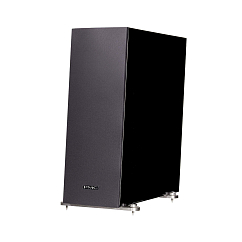

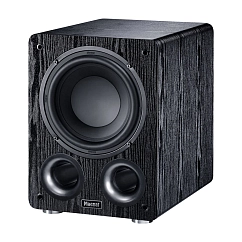


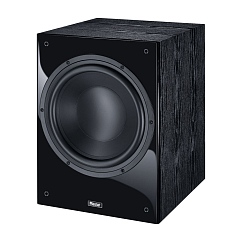

Brand: Bowers & Wilkins
: 32
Connection method: rca, stereo