










Choosing Your Next Wireless Headphones: The Guide
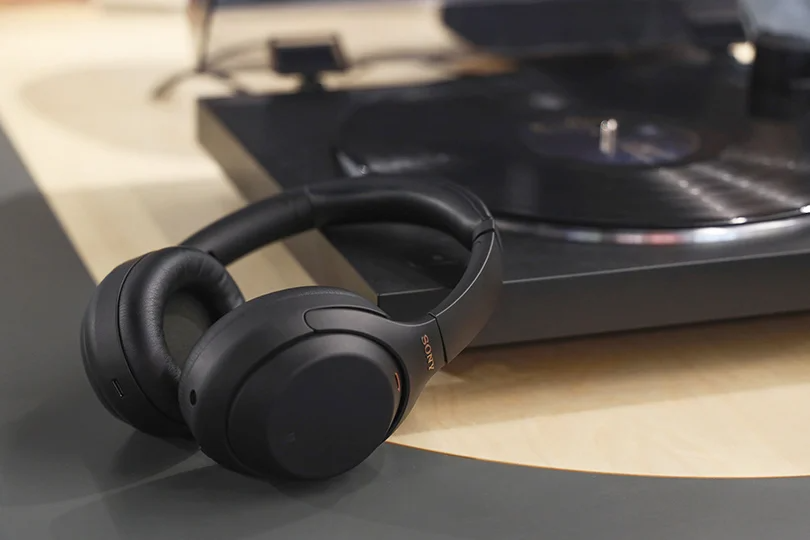
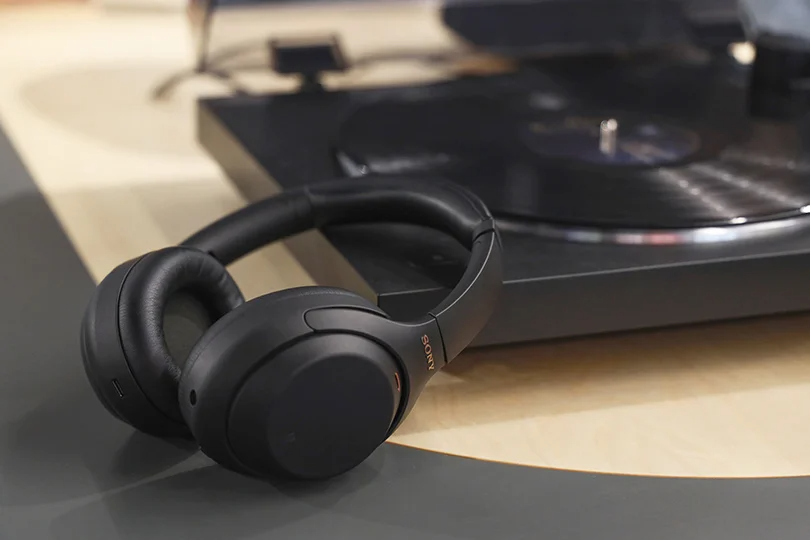
So, you’re ready to ditch the wires. Maybe you’re tired of untangling cables, maybe your new smartphone doesn't even have a headphone jack, or perhaps you've just decided it's time to join the 21st century (just kidding, there are some great wired models out there). Whatever the reason, we get it. But choosing the right pair of wireless headphones can feel like navigating a minefield.
Let's cut through the noise. This guide will focus specifically on the features that matter in the wireless world. Let’s figure out how to cut the cord the smart way.
Contents
First Things First: How Do Wireless Headphones Talk to Your Phone?
Let's get the ancient history out of the way. Wireless signals can be sent via an Infrared (IR) channel, a Radio channel (DECT), or Bluetooth. To keep it simple: IR is basically a museum piece, and DECT is mostly for office headsets. That leaves us with the only one that really matters for music lovers today: Bluetooth.
You don’t need any extra gear for Bluetooth headphones. The technology is built into every smartphone, most laptops, players, and other gadgets. And even if not, a tiny Bluetooth transmitter can plug into any USB port or audio jack to get you going.
Bluetooth Versions & Codecs: The Secret Language
You'll see a lot of numbers and acronyms thrown around. Here’s what you actually need to know.
Bluetooth Versions
Does a bigger number mean better sound? Not necessarily. While higher versions (5.2 and up) promise better efficiency and new features like LE Audio with the LC3 codec, the core audio quality hasn't changed much since version 4.0. The key is that both your headphones and your phone need to support the same version to reap all the benefits.
Codecs
SBC, aptX, LDAC, and others — these are the “languages” that your phone and headphones use to compress and transmit sound. While advanced codecs like aptX HD and LDAC can handle more data, here’s the pro-tip that will save you a headache: Do not choose headphones based on codecs alone.
Wireless tech should not be the main factor. A well-engineered pair of headphones with a basic SBC codec can (and often does) sound better than a poorly made pair with the latest and greatest tech. The overall design and tuning are what truly matter.
The Million-Dollar Question: How Long Do They Last?
When it comes to battery life, the rule is simple: bigger is better. You want to spend more time listening to music and less time hunting for a charger.
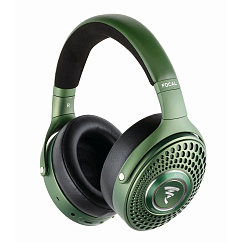
Multipoint: yes
Brand: Focal
Headphone type: wireless
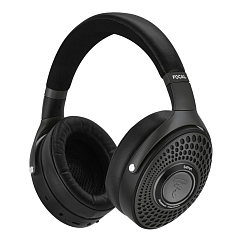

Multipoint: yes
Brand: Sennheiser
Headphone type: wireless, wired
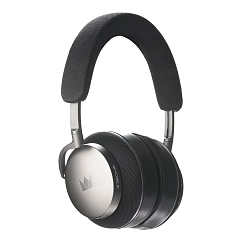
Detachable microphone: yes
Multipoint: yes
Headset type: stereo

Brand: Focal
Headphone type: wireless
The lowest frequency, Hz: 15
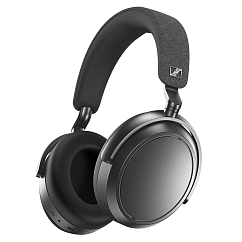
Brand: Sennheiser
Headphone type: wireless
The lowest frequency, Hz: 6
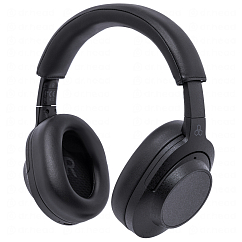
Brand: Final Audio
Headphone type: wireless
The lowest frequency, Hz: 20

Brand: Sony
Headphone type: wireless
The lowest frequency, Hz: 4
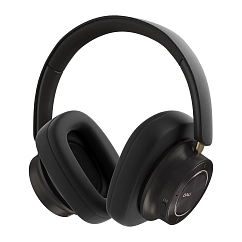
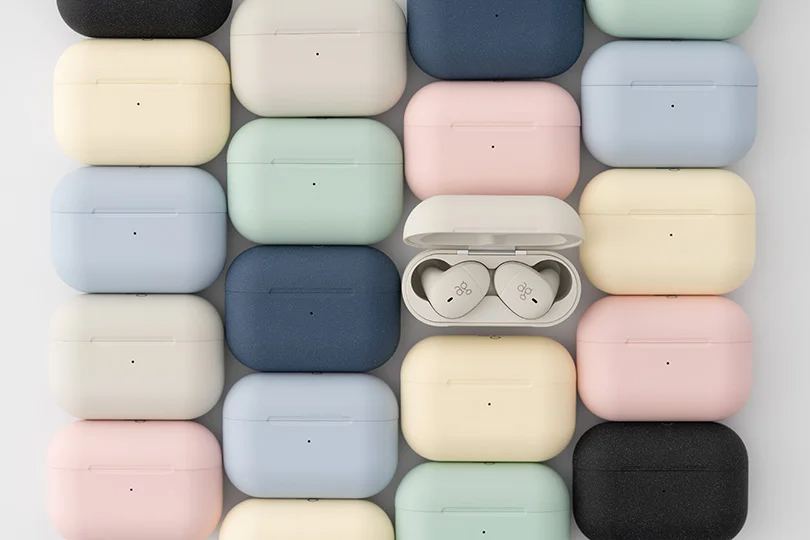
Naturally, larger headphones have room for bigger batteries. Full-size over-ear models can now boast a staggering 100 hours of playback, while in-ear models average around 10 hours. True Wireless (TWS) earbuds might only last 3-6 hours on their own, but here's the catch:
- Over-ear and on-ear headphones often come with a cable, so you can just plug them in and keep listening like regular wired headphones if the battery dies.
- True Wireless earbuds come with a charging case that acts as a personal power bank. The case can hold another 2–4 full charges, pushing the total listening time into the dozens of hours, just with short breaks for recharging in your pocket.

Beyond the Sound: Bells, Whistles, and Must-Have Features
Today's wireless headphones are packed with tech. Here are the features to look out for:
- Making Calls: Almost all wireless headphones have a microphone, but the quality varies wildly. If you take a lot of calls, look for models with multiple mics and noise-cancellation technology for your voice.
- Active Noise Cancellation (ANC): This is the magic that makes the world disappear. Using external microphones, ANC erases ambient noise, letting you listen to your music at a lower, safer volume. Many also offer a Transparency Mode, which does the opposite — it lets outside sound in, which is perfect for staying aware of your surroundings when you're cycling or in a busy area. The only trade-off? ANC uses more battery, so keep that in mind.
- Controls: Do you prefer the feel of physical buttons, or the sleekness of a touch panel? Pay attention to how you control your music and what functions are available.
- Companion App: Many brands offer a smartphone app for customizing EQ, controls, and other settings.
- Voice Assistants: Support for Google Assistant, Siri, or Alexa is common for hands-free control.
- Fast Pairing: Technologies like NFC or Apple's W1 chip make connecting your headphones as simple as a single tap.
- Water/Sweat Resistance: Essential for sports, but now common in everyday models too. Look for an IPXX rating. The second 'X' is the number that matters for water resistance (IPX4 is good for sweat, IPX7 can handle submersion).
- Built-in MP3 Player: A rare but cool feature, especially in waterproof models designed for swimming, where a Bluetooth connection is often impossible.
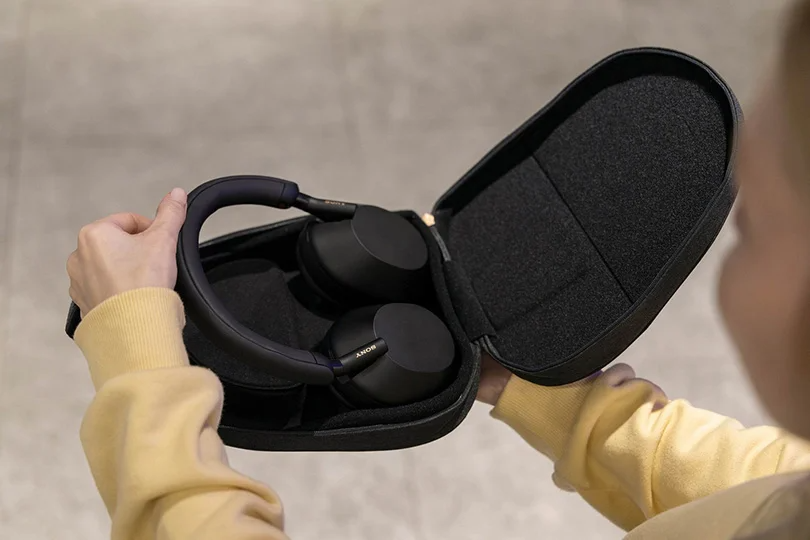
The wireless market is evolving at lightning speed. Just a decade ago, True Wireless earbuds barely even existed as a category. Today, they're everywhere, and new TWS models launch every other day. But no matter how much tech is packed in, the most important factors remain the same: sound quality and long-term comfort.
Cutting the Cord, The Smart Way
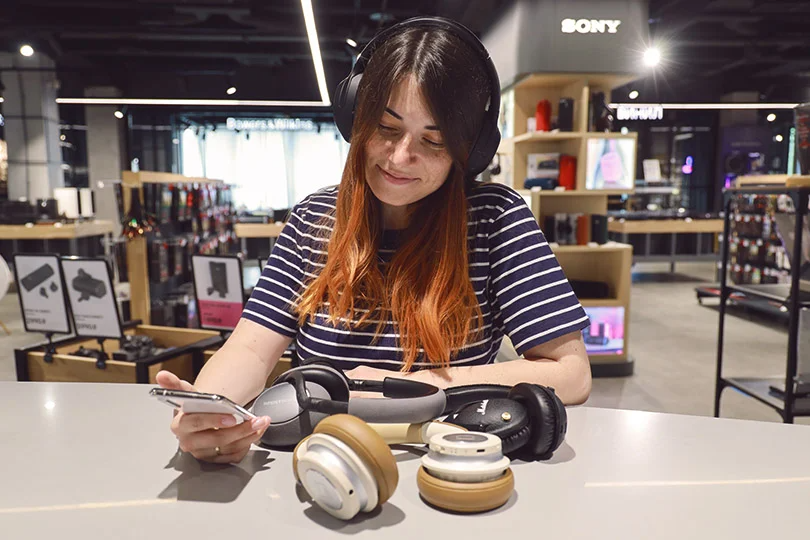
The best way to know for sure is to try them on. In Dr.Head’s Dubai showroom, you can test any model you’re interested in to see how it fits, feels, and, most importantly, sounds to you. Our experts are always here to help you navigate the options and find the perfect pair of wireless headphones for your lifestyle, so feel free to drop by anytime!
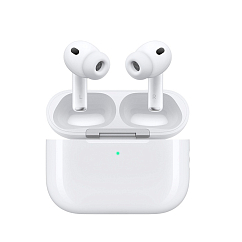
Headset type: stereo
Brand: Apple
Type of wireless headphones: True Wireless
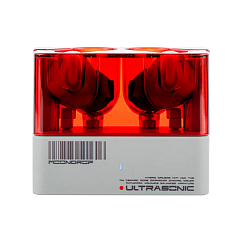
Brand: MoonDrop
Type of wireless headphones: True Wireless
Bluetooth version: 5.3
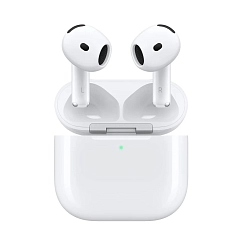
Headset type: stereo
Brand: Apple
Type of wireless headphones: True Wireless

Headset type: stereo
Brand: Bose
Type of wireless headphones: True Wireless

Headset type: stereo
Brand: Noble Audio
Type of wireless headphones: True Wireless
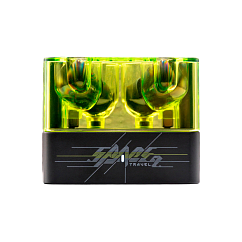
Brand: MoonDrop
Type of wireless headphones: True Wireless
Bluetooth version: 6.0

Headset type: stereo
Brand: Apple
Type of wireless headphones: True Wireless
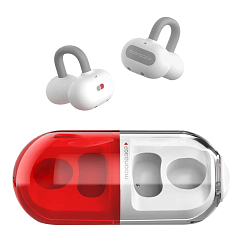
In-Ear headphone type: true wireless
Multipoint: yes
Brand: MoonDrop
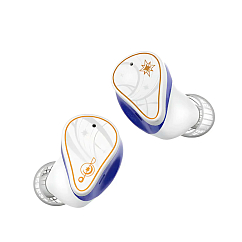
Brand: MoonDrop
Type of wireless headphones: True Wireless
Bluetooth version: 5.4