











Can You Use Bluetooth Headphones on an Airplane?
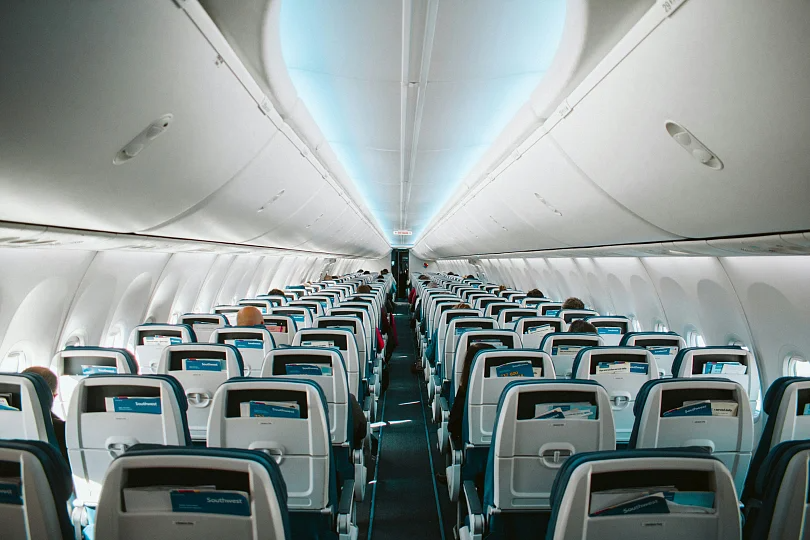
If you have ever flown on an airplane, you know the drill: right before takeoff, the cabin crew asks you to stow your laptops and turn off your electronics. With heavy tablets and laptops, the reason is clear — they can become dangerous projectiles during turbulence.
But what about your favorite Bluetooth headphones? Should you completely power them down during aerial maneuvers, or are they safe to use? Let’s clear the air and look at the actual rules of flying with wireless audio.
Contents
From Banned to Boarding: A Brief History
For a long time, the main reason behind aviation bans was a lack of conclusive evidence. Aviation authorities simply could not guarantee that consumer radio-frequency devices wouldn't interfere with the aircraft's complex electronic systems.
However, over the last decade, the rules have relaxed significantly. As technology advanced, major regulatory bodies like the FAA (in the US) and EASA (in the EU) began conducting rigorous tests. By 2013–2014, they concluded that portable devices were safe to use in "Airplane Mode" during all phases of the flight.
For Bluetooth headphones, the breakthrough came a bit later. Since 2016, a massive shift occurred, and today, wireless headphones are permitted on the vast majority of commercial flights worldwide.
Why Are There Still Restrictions?
Despite the general acceptance of Bluetooth devices, flight attendants might still ask you to remove your headphones during certain phases of the flight. Why?
- Situational Awareness: Safety is the ultimate priority. During critical flight phases (takeoff, taxiing, and landing), the crew needs to know that you can hear emergency announcements. Modern headphones with Active Noise Cancellation are so effective that they can completely block out the crew's instructions.
- Technical Interference: Bluetooth operates on a 2.4 GHz frequency. While modern tests show the risk of interference with the plane's navigation systems is essentially zero, older aircraft models with outdated shielding might still be susceptible. Aviation rules always err on the side of caution.
The Rules: Global and UAE Airline Policies
While global regulators like the ICAO set the standards, the final say always belongs to the specific airline and the captain of the aircraft.
- Emirates and Etihad Airways: Generally, premium carriers in the UAE are highly accommodating. You are allowed to use Bluetooth headphones throughout the flight, provided your device is switched to Airplane Mode — including with Bluetooth toggled back on.
- Budget Airlines (flydubai, Air Arabia): They follow similar protocols but tend to be stricter during the safety briefing. You will almost certainly be asked to take your headphones out of your ears while the crew demonstrates the safety features.
- International Nuances: While European and American carriers are very flexible, some Asian carriers (like Singapore Airlines on some specific older aircraft) may still require you to completely power down Bluetooth devices during takeoff and landing.
The Golden Rule: Always listen to the cabin crew. If they ask you to remove your headset, do so immediately without arguing.
Pro Tips for Flying with Wireless Audio
To ensure a seamless and enjoyable flight, follow these simple tips:
- Airplane Mode First: Always switch your smartphone or tablet to "Airplane Mode" before takeoff. Once it is on, you can manually turn Bluetooth back on to connect your headphones.
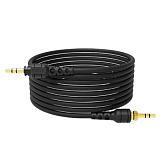
- Pack a Backup Cable: Most long-haul flights feature in-flight entertainment screens, but very few support native Bluetooth pairing. Bring a 3.5mm AUX cable if your headphones support it, or invest in a small Bluetooth transmitter that plugs into the airplane's headphone jack.
- Pay Attention: Take your headphones off during the safety briefing and whenever the captain makes an announcement.
- Battery Life: Long flights drain batteries. Make sure your headphones are fully charged before boarding, and keep your charging case or a power bank easily accessible in your carry-on.
The Verdict
Yes, generally speaking, Bluetooth headphones are safe for aviation systems. Their low power output and isolated frequency range lack the physical capability to disrupt modern aircraft navigation.
Today, airlines encourage you to use them to enjoy your flight, listen to music, or simply block out engine noise with ANC. Just remember to follow the crew's instructions during takeoff and landing.
If you are preparing for a long trip and need the ultimate travel companion, visit the Dr.Head showroom in Dubai. We offer the world's best noise-canceling headphones from Sony, Bose, Sennheiser, and more. Come test them out and find the perfect pair for your next adventure in the skies!
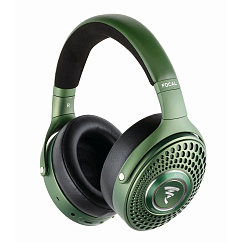
Multipoint: yes
Brand: Focal
Headphone type: wireless
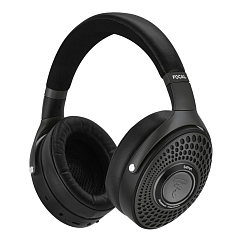

Multipoint: yes
Brand: Sennheiser
Headphone type: wireless, wired
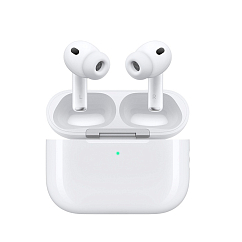
Headset type: stereo
Brand: Apple
Type of wireless headphones: True Wireless
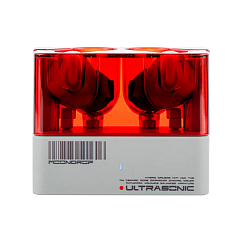
Brand: MoonDrop
Type of wireless headphones: True Wireless
Bluetooth version: 5.3
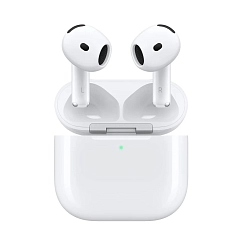
Headset type: stereo
Brand: Apple
Type of wireless headphones: True Wireless

Headset type: stereo
Brand: Noble Audio
Type of wireless headphones: True Wireless

Headset type: stereo
Brand: Bose
Type of wireless headphones: True Wireless
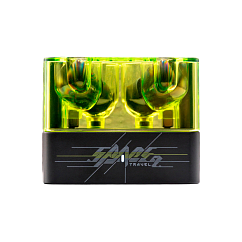
Brand: MoonDrop
Type of wireless headphones: True Wireless
Bluetooth version: 6.0
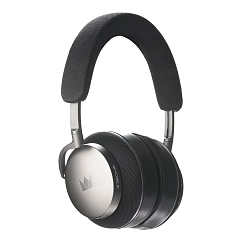
Detachable microphone: yes
Multipoint: yes
Headset type: stereo
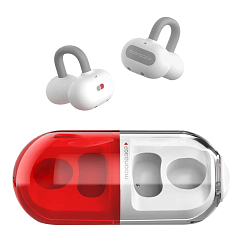
In-Ear headphone type: true wireless
Multipoint: yes
Brand: MoonDrop

Brand: Focal
Headphone type: wireless
The lowest frequency, Hz: 15