










Can Music Actually Help You Sleep? Myths, Facts, and How to Build Your Bedtime Playlist
We’ve all been there: staring at the ceiling at 2 AM, mind racing, desperate for sleep. For centuries, people have turned to music as a lullaby. But does it actually work, or is it just a placebo?
Scientists and sleep experts generally agree: music can be a powerful tool for relaxation. However, not all tracks are created equal, and relying on them too much can have drawbacks. Let's separate the myths from the science and help you find the perfect soundtrack for a good night's rest.
Contents
The Science: How Sound Affects Sleep
Countless studies back this up: calm music can help you fall asleep faster and improve sleep quality.
Why? It’s all about physiology. Slow, gentle music (around 60–80 beats per minute) can physically synchronize with your body, slowing down your heart rate and breathing. It lowers cortisol (the stress hormone) and distracts your brain from the anxious thoughts keeping you awake.
The Playlist Strategy: What to Listen To
Not all "calm" music works. Here is a breakdown of the best genres for shutting down.
- Classical Music: It’s a cliché for a reason. The slow tempos and lack of lyrics in compositions by Bach or Mozart (like the famous Goldberg Variations, supposedly written to cure an insomniac count) are ideal for relaxation.
- Ambient & Drone: This genre is designed to be "ignorable." It creates a sonic texture that fills the silence without demanding your attention, perfect for drifting off.
- Jazz & Acoustic: Soft, instrumental jazz or gentle acoustic guitar can be wonderful, provided it's steady and lacks sudden, jarring solos.
The "No-Go" Zone: Even if you love heavy metal or fast-paced hip-hop, save it for the gym. High-energy tracks with aggressive rhythms stimulate the nervous system, doing the exact opposite of what you need.
Pro-Tip: Avoid lyrics if possible. Our brains are wired to process language. Even a soothing song with words can keep your mind engaged in "listening mode" rather than "sleeping mode."
Podcasts and Audiobooks: A Double-Edged Sword
Can a story replace a song? Yes, but be careful.
- Good: "Sleep stories," meditation podcasts, or audiobooks you've already read. The goal is a monotonous, comforting voice that bores you to sleep.
- Bad: A gripping thriller or a comedy podcast. If you're dying to know "who did it," your brain will fight sleep to hear the end.
The Magic of White Noise
Sometimes, the best music is no music at all. White noise (static), Pink noise (rain, leaves rustling), or Brown noise (a deep, low rumble) are incredibly effective.
Unlike music, which has structure, these broad-spectrum sounds create a consistent "wall of sound." This masks sudden, jarring noises from the outside world (like a car horn or a slamming door) that would otherwise wake you up. It's an auditory blanket for your brain.
The Gear: What Headphones are Safe for Sleep?
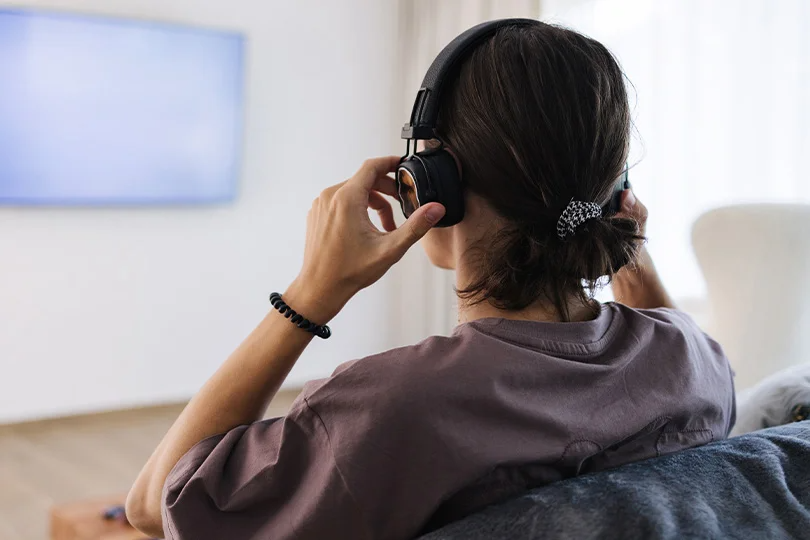
This is critical. You can have the perfect playlist, but if your headphones hurt, you won't sleep.
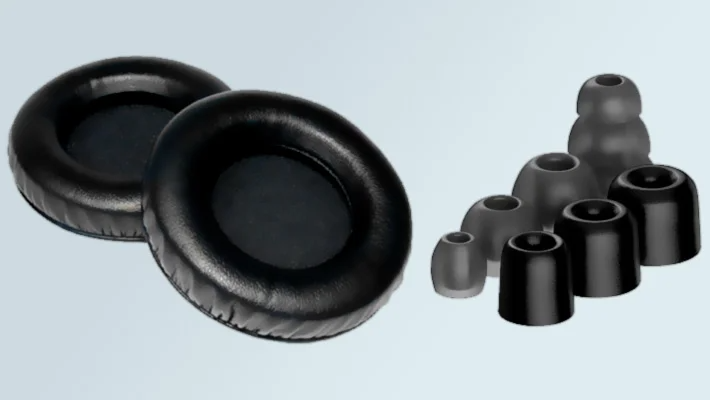
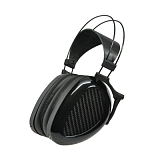
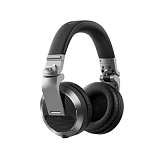
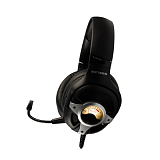
- Avoid: Large, bulky over-ear headphones. They are impossible to wear if you sleep on your side and can cause overheating.
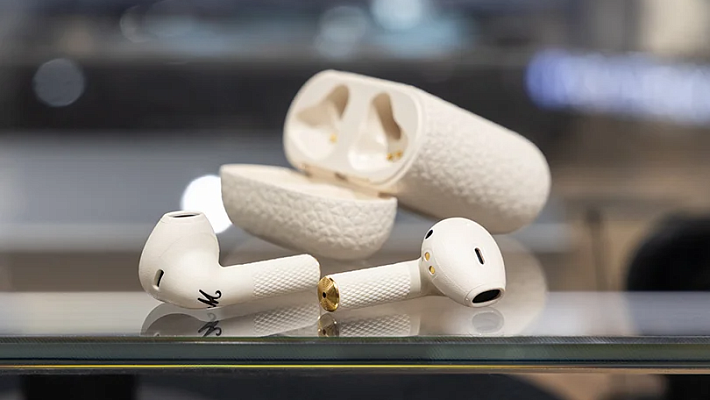
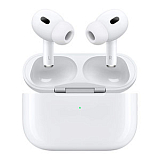
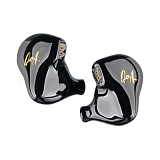
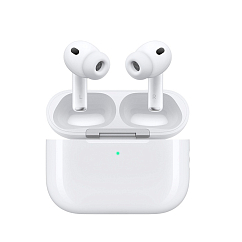
- Best Option: True Wireless Earbuds with a very low profile (that sit flush in your ear).
- The "Sleeper" Choice: Sleep Masks with Built-in Headphones. These are soft headbands with flat speakers inside. They aren't hi-fi, but they are incredibly comfortable for side sleepers.
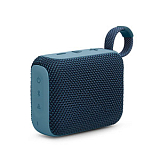
- Another Great Option: A small pillow speaker placed under your pillow lets you hear the music gently without wearing anything at all.
Headset type: stereo
Brand: Apple
Type of wireless headphones: True Wireless
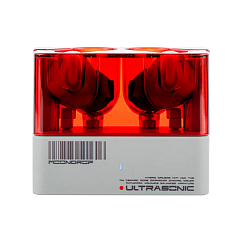
Brand: MoonDrop
Type of wireless headphones: True Wireless
Bluetooth version: 5.3
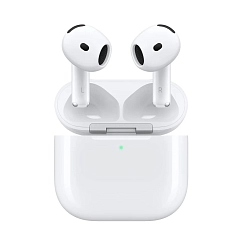
Headset type: stereo
Brand: Apple
Type of wireless headphones: True Wireless

Headset type: stereo
Brand: Bose
Type of wireless headphones: True Wireless

Headset type: stereo
Brand: Noble Audio
Type of wireless headphones: True Wireless
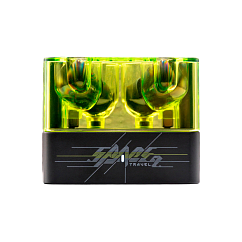
Brand: MoonDrop
Type of wireless headphones: True Wireless
Bluetooth version: 6.0

Headset type: stereo
Brand: Apple
Type of wireless headphones: True Wireless
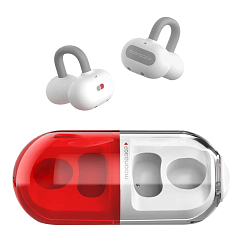
In-Ear headphone type: true wireless
Multipoint: yes
Brand: MoonDrop
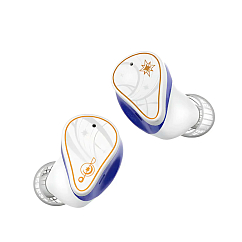
Brand: MoonDrop
Type of wireless headphones: True Wireless
Bluetooth version: 5.4
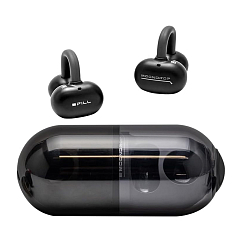
In-Ear headphone type: true wireless
Multipoint: yes
Brand: MoonDrop
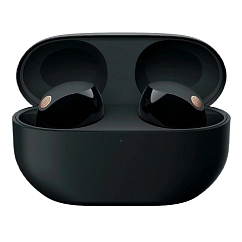
Headset type: stereo
Brand: Sony
Type of wireless headphones: True Wireless

Headset type: stereo
Brand: Noble Audio
Type of wireless headphones: True Wireless
The Final Word
Music is a fantastic natural sleep aid, but use it wisely. Set a sleep timer so the music stops after 30–60 minutes. This prevents your brain from constantly processing sound all night, allowing you to enter the deep, restorative stages of sleep in total silence.
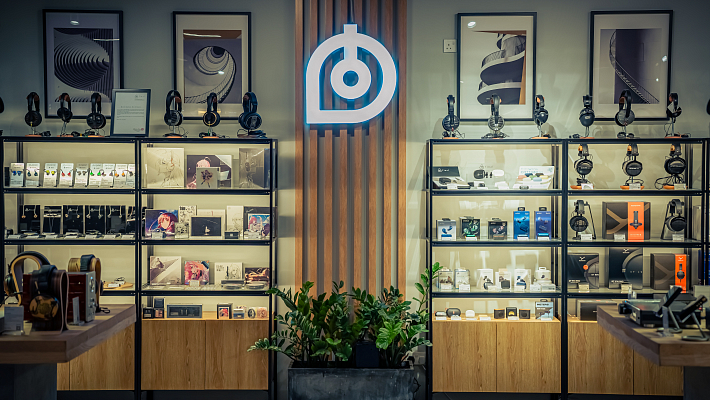
Any and all audio equipment you might want to use for entering the dream world, you can find and test in the Dr.Head showroom in Dubai. Our experts will be happy to help you choose the right headphones or speakers for the job.
Sweet dreams!