











Balanced Armature Drivers: Why More Is Often Better (And How They Work)

If you've ever shopped for high-end IEMs, you've seen the specs: "Triple Driver," "Quad Driver," even "18 Drivers." For the uninitiated, this sounds insane. Why would you need 18 speakers in one tiny earphone?
The answer lies in a specific type of technology called the Balanced Armature (BA) driver. Originally designed for hearing aids, these tiny marvels have revolutionized the world of portable audio. But they work very differently from the standard dynamic drivers you're used to.
Let's break down how they work, why audiophiles love them, and why the "Triple Driver" setup has become such a legendary sweet spot.
Contents
Dynamic vs. Balanced Armature: The Showdown
To understand BA drivers, you first need to understand what they aren't.
The Standard: Dynamic Drivers
Think of these as tiny versions of the speakers in your living room. A single, relatively large diaphragm pushes air to create sound. They are great at moving lots of air, which means deep, punchy bass. However, because the diaphragm is relatively heavy, they can sometimes lack the lightning-fast detail of higher frequencies.
The Specialist: Balanced Armature Drivers
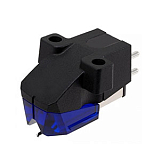
These are microscopic. Inside a tiny metal box, a metal arm (aka the armature) is balanced between two magnets. When an electrical signal hits it, it vibrates incredibly fast, moving a tiny diaphragm.
Because the moving parts are so light, they can start and stop instantly. This results in incredible detail, speed, and clarity, especially in the treble and midrange.
However, these drivers are terrible at moving air. A single BA driver struggles to produce deep, thumping bass and can distort if pushed too hard across the whole frequency spectrum.
The Solution: Multi-Driver Setups

Because one BA driver can't do it all perfectly, engineers use a team approach. They split the music into different frequency bands using a crossover — just like in full-size speakers — and assign each band to a specialist driver.
- The Tweeter: A tiny BA driver optimized for sparkling highs.
- The Woofer: A larger (often vented) BA driver designed for bass.
- The Midrange: A driver tuned specifically for vocals and instruments.
This is why you see IEMs with 3, 5, or even 12 drivers. It's not just a numbers game; it's about letting each driver do what it does best without straining.
Why "Triple Driver" is the Magic Number
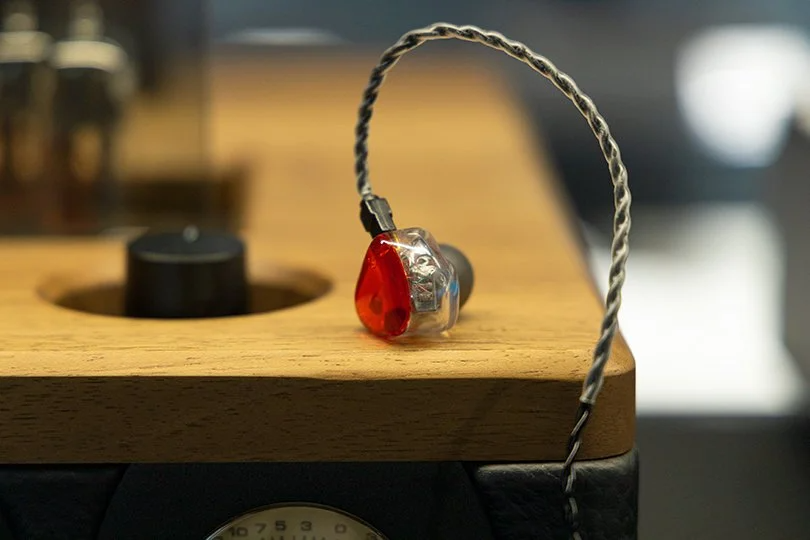
While you can shove 18 drivers into a shell, the Triple Driver configuration remains one of the most popular and beloved setups in the audiophile world. Why?
It’s the "Goldilocks" zone of engineering:
- Perfect Division of Labor: You get one dedicated driver for Highs, one for Mids, and one for Lows. This covers the entire frequency spectrum naturally without the complexity (and potential phase issues) of 8- or 12-driver crossovers.
- Cost vs. Performance: It offers a massive jump in quality over single-driver models without the sky-high price tag of flagship kilobuck IEMs.
- Size: Three drivers fit easily into a compact, comfortable shell that fits almost anyone's ears.
The Rise of the "Hybrid"
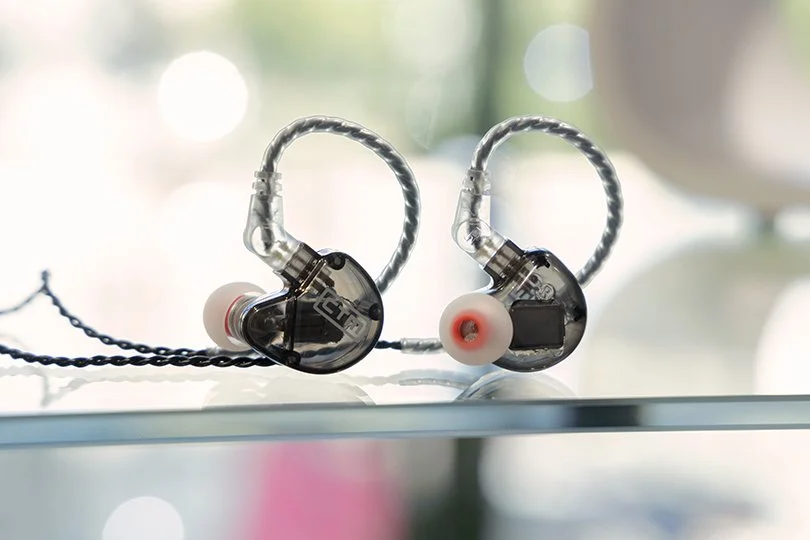
There's also a modern twist to this story. Many manufacturers realized that while BA drivers are kings of detail, Dynamic drivers are still kings of bass impact.
Enter the Hybrid IEM. This setup usually pairs one Dynamic Driver (for that physical, thumping bass) with two or more Balanced Armature drivers (for crisp mids and highs). It’s the best of both worlds: the visceral fun of a dynamic subwoofer with the surgical precision of BA tweeters.
The Final Verdict
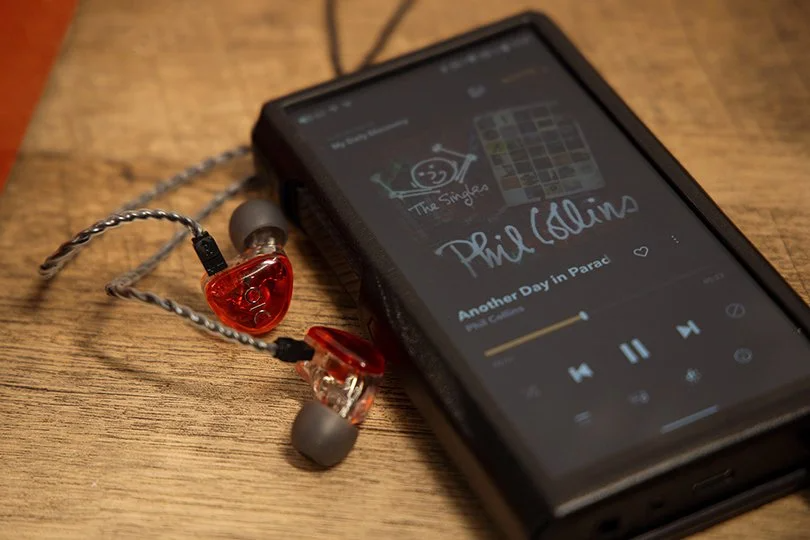
Don't be scared by the driver count. Whether it's a classic all-BA triple driver setup or a modern hybrid, multi-driver technology is the key to unlocking layers of detail in your music you've never heard before.
- Choose All-BA if you want speed, isolation, and ultimate clarity.
- Choose Hybrid if you want that clarity but still crave a deep, physical bass rumble.
Curious to hear the difference? Come visit us at the Dr. Head showroom in Dubai. We have a huge library of multi-driver IEMs, from triple-driver classics to hybrid beasts, ready for you to test.

Brand: MoonDrop
Headphone type: wired
The lowest frequency, Hz: 10
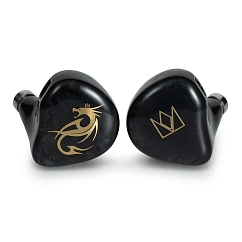
Brand: Noble Audio
Headphone type: wired
The lowest frequency, Hz: 20
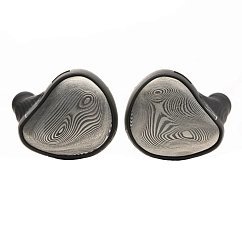
Brand: Noble Audio
Headphone type: wired
The lowest frequency, Hz: 20

Brand: Kinera
Headphone type: wired
The lowest frequency, Hz: 20

Brand: Noble Audio
Headphone type: wired
The lowest frequency, Hz: 20

Brand: MoonDrop
Headphone type: wired
The lowest frequency, Hz: 9

Brand: Noble Audio
Headphone type: wired
The lowest frequency, Hz: 8

Brand: Noble Audio
Headphone type: wired
The lowest frequency, Hz: 10
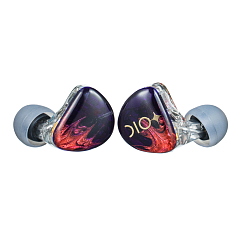
Brand: Aurian
Headphone type: wired
The lowest frequency, Hz: 20


Earpads material: silicone, foam
Headphone type: wired
In-Ear headphone type: with a wire