



















Amplifiers: Everything You Need to Know Before You Buy
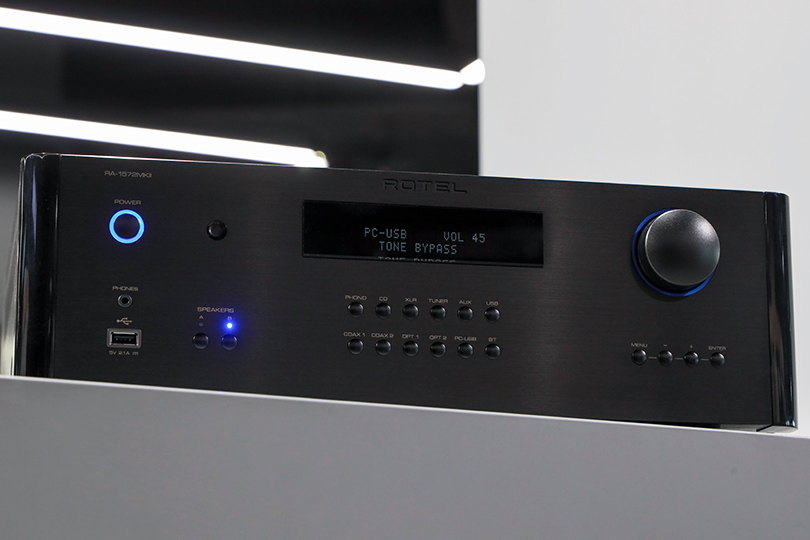
Remember those old stereo stacks with a million knobs and glowing dials? There was something magical about turning them and waiting for the sound to kick in. While technology has changed, the amplifier remains the beating heart of any serious Hi-Fi system.
But what actually is an amp? Do you need tubes or transistors? And what on earth is "Class A"? Let’s strip away the mystery and look at the engine that drives your music.
Contents
What Does an Amplifier Actually Do?
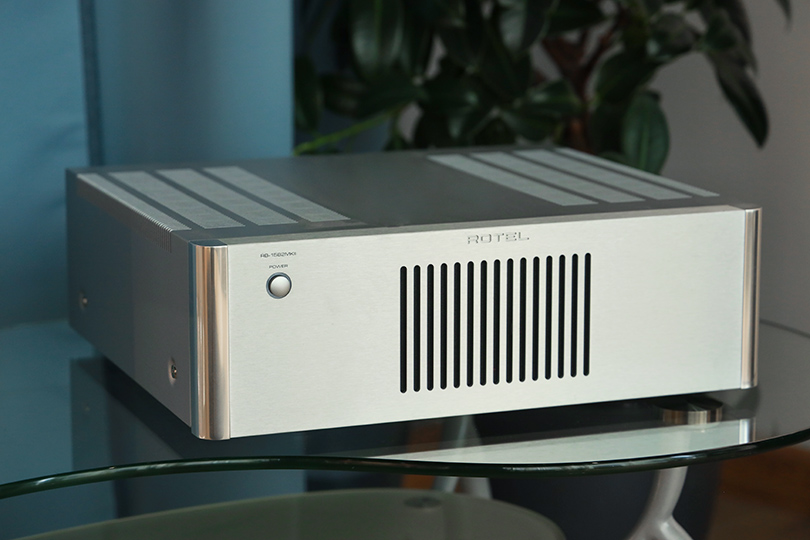
At its simplest, an amplifier takes the weak electrical signal from your source — like a turntable or streamer — and boosts it powerfully enough to move the drivers in your speakers.
It has two main jobs, acting as both:
- The Brain (Pre-amplification): Selecting the source and adjusting the volume/tone.
- The Muscle (Power amplification): Adding the electrical current needed to physically push the speakers.
The 4 Main Types of Amps
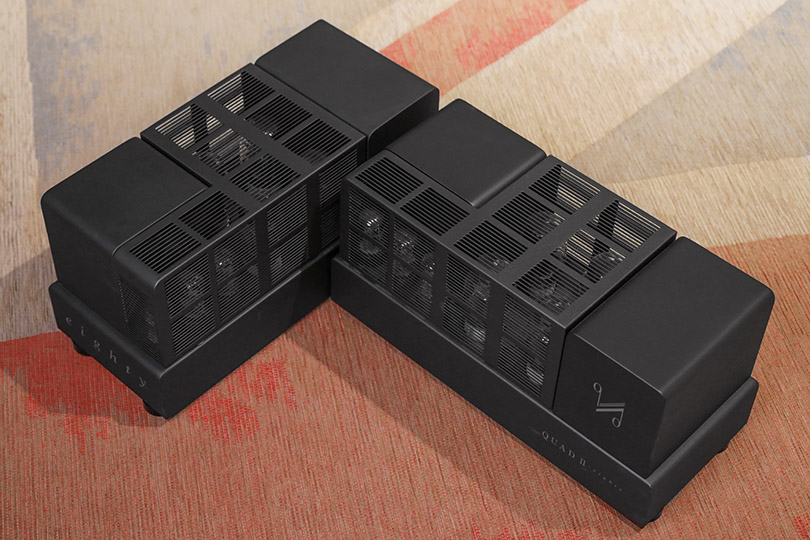
Before you buy, you need to choose your form factor.
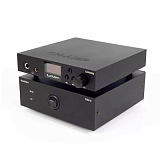
- Integrated Amplifier: The most common choice. It combines the "brain" and the "muscle" in one box. It’s convenient, space-saving, and modern versions sound incredible.
- Preamplifier: This is a standalone "brain." It handles inputs and volume but cannot drive speakers on its own. It connects to...
- Power Amplifier: The standalone "muscle." It has no volume knob, just a power button. It takes orders from the preamp and drives the speakers. Separating these components reduces interference and allows for massive power.
- Monoblocks: The ultimate audiophile flex. These are separate power amps for each individual channel (one box for the left speaker, one for the right). This eliminates crosstalk and provides dedicated power reserves.
Tube vs. Solid State: The Flavor of Sound
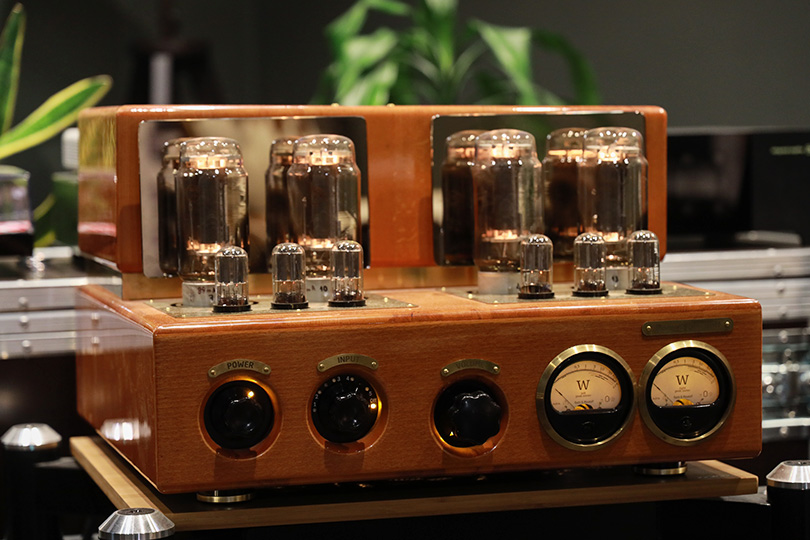
This is the great debate of the audio world.
- Tube Amps use glowing glass vacuum tubes.
- The Vibe: Warm, smooth, "holographic" sound. They add pleasant harmonic distortion that many find musical and emotional.
- The Catch: They get hot, require maintenance (since tubes wear out), and usually have lower power output.
- Solid State Amps use silicon transistors.
- The Vibe: Fast, punchy, detailed, and accurate. They offer tighter bass control and massive power reserves.
- The Catch: Can sometimes sound "clinical" or sharp compared to tubes.
- Hybrid
The best of both worlds, these use tubes in the preamp stage (for warmth) and transistors in the power stage (for drive).
Decoding Amplifier Classes (A, AB, D)
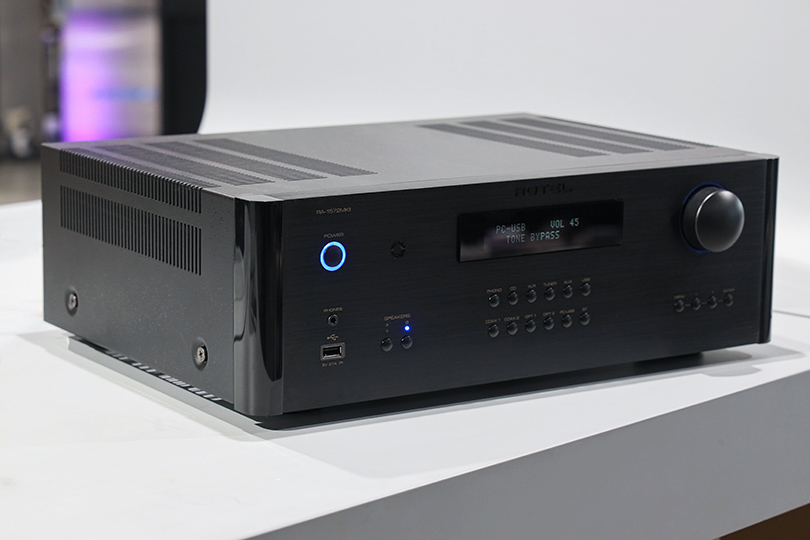
You'll often see amps listed by "Class." This isn't a grading system (as in, A is not necessarily "better" than D); instead, it refers to the circuit topology.
- Class A: The purist's choice. The transistors are "always on," running at full power 100% of the time.
- Pros: Incredible linearity and detail. No "switching distortion."
- Cons: Extremely inefficient. They run very hot and consume a lot of electricity, even when no music is playing. Usually low wattage.
- Class AB: The industry standard. It switches between two sets of transistors but keeps them slightly "on" to minimize distortion.
- Pros: Great balance of sound quality and efficiency. Most Hi-Fi amps are Class AB.
- Cons: No, not really.
- Class D: The modern contender, they’re often called "switching" amps. They are not digital, though often confused as such.
- Pros: Extremely efficient (90%+!), cool-running, and compact. Can deliver huge power from a tiny box.
- Cons: Early models sounded harsh, but modern high-end Class D amps can sound phenomenal and rival traditional designs.
Specs That Actually Matter
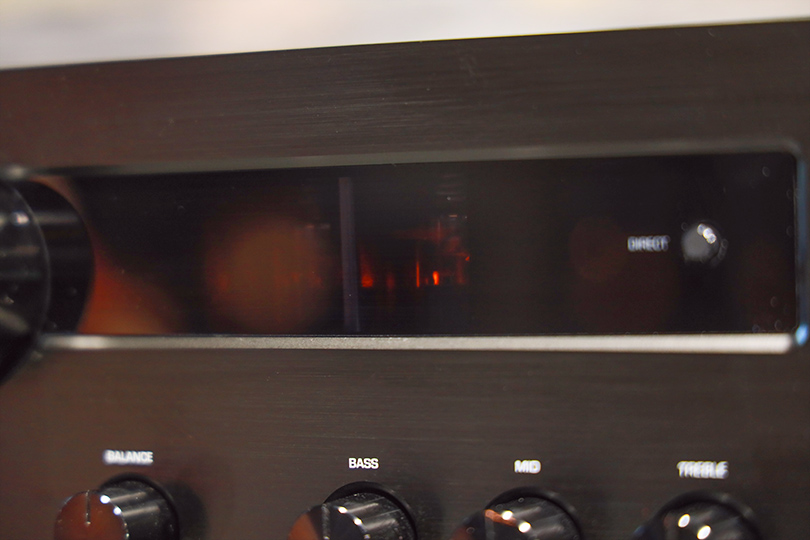
Don't get lost in the numbers, but keep an eye on these:
- Power Output (Watts): How loud it can go. Remember our guide on power vs. loudness — you often need less than you think for a small room.
- Signal-to-Noise Ratio (SNR): How "quiet" the amp is. A higher number means less background hiss.
- Connectivity: Does it have a built-in DAC? A Phono stage for your turntable? Bluetooth? Choose an amp that fits your lifestyle.
The Final Word
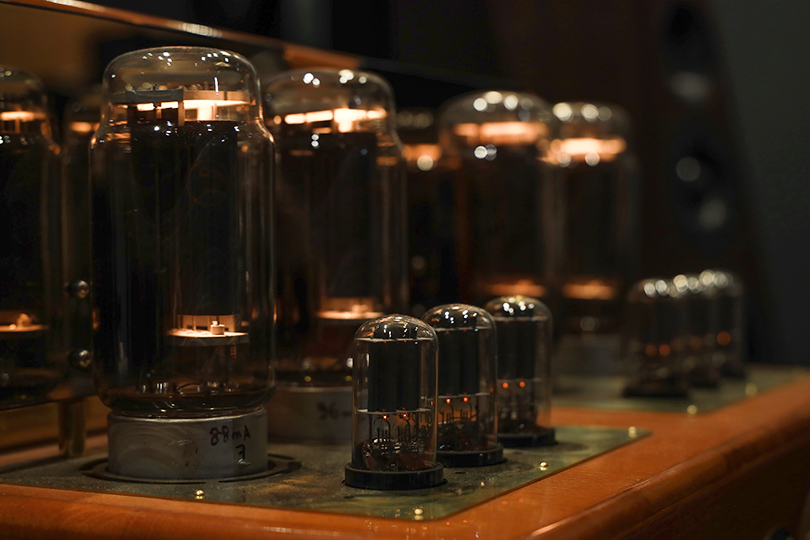
The amplifier is the foundation of your system's character. Do you want the warm glow of tubes or the precision of solid state? The simplicity of an integrated amp or the power of separates?
There is no "best" amp, only the one that pairs best with your speakers and your ears. Come visit the Dr. Head showroom in Dubai to hear the difference between Class A and Class D yourself. We’ll help you find the perfect engine for your music.
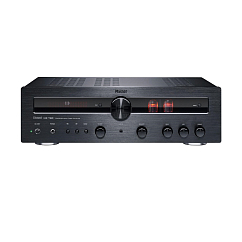
Brand: Magnat
Power per channel at 4 ohms, W: 70
Internal DAC: yes

Brand: Magnat
Power per channel at 4 ohms, W: 200
Internal DAC: yes


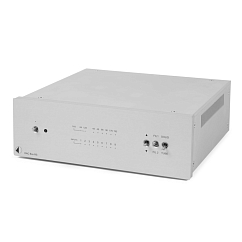
Brand: Pro-Ject
Input connectors: RCA, XLR
Output connectors: XLR, RCA

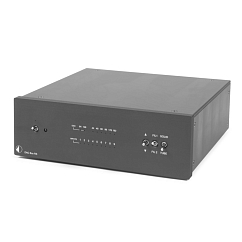
Brand: Pro-Ject
Input connectors: RCA, XLR
Output connectors: RCA, XLR
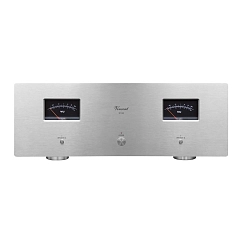
Brand: Vincent
Power per channel at 4 ohms, W: 250
Power per channel at 8 Ohm, W: 150

Brand: Vincent
Power per channel at 4 ohms, W: 35
Power per channel at 8 Ohm, W: 25

Brand: Vincent
Preamplifier: yes
Input connectors: RCA, XLR, Coaxial, Optical