

















All Wired Up: Why Do Audio Cables Get So Expensive?
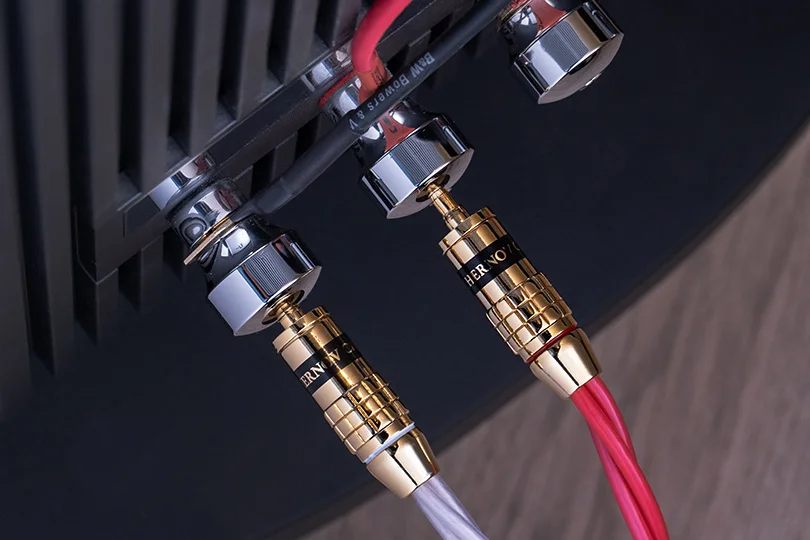
It’s one of the most heated debates in the audio world: cables. How can one cost $10 and another, $10,000? The price range is more shocking than in almost any other component category. So, what are you really paying for?
While some of it is subjective, many factors have a real, measurable impact on a cable's performance and price. Let's break down the anatomy of a high-end cable.
Contents
A Quick Refresher on Cable Types
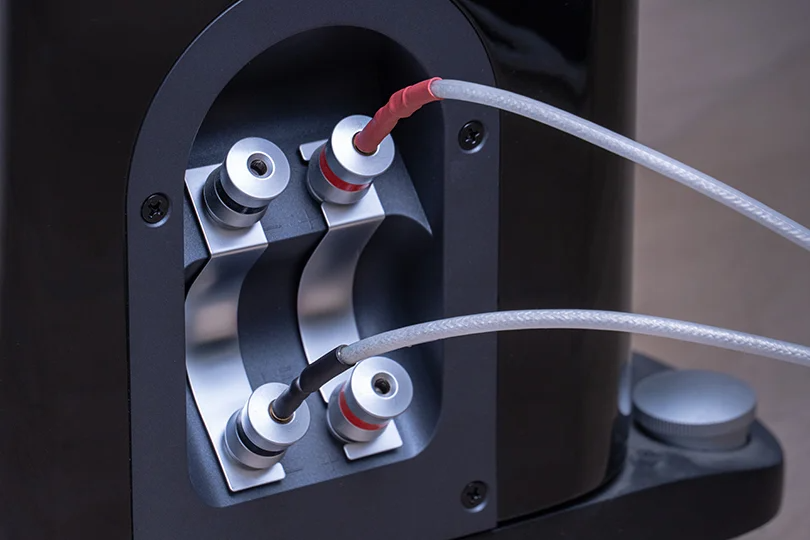
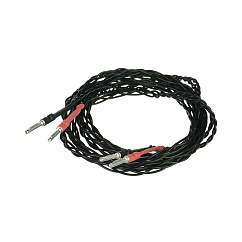
Speaker Cables: The heavy-lifters. They run from your amplifier to your passive speakers and carry a powerful, amplified signal. They often use connectors like Bananas or Spades.
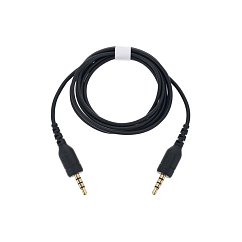
Interconnects (Analog & Digital): The "links in the chain" that connect your components — for instance, DAC to amp, or TV to soundbar. These can be analog (RCA) or digital (USB, Optical, Coaxial, HDMI).
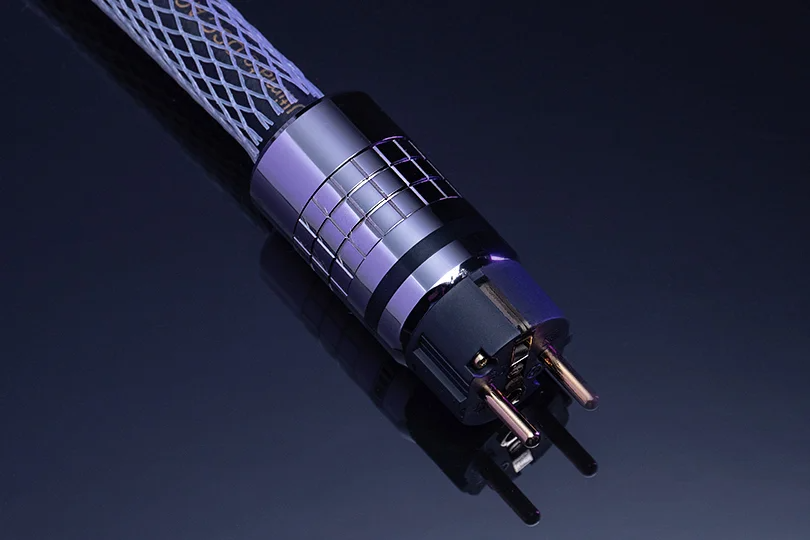
Power Cables: These connect your audio gear to the wall socket, providing the clean, stable electricity your components need to perform their best.
What You're Paying For: The 7 Key Factors
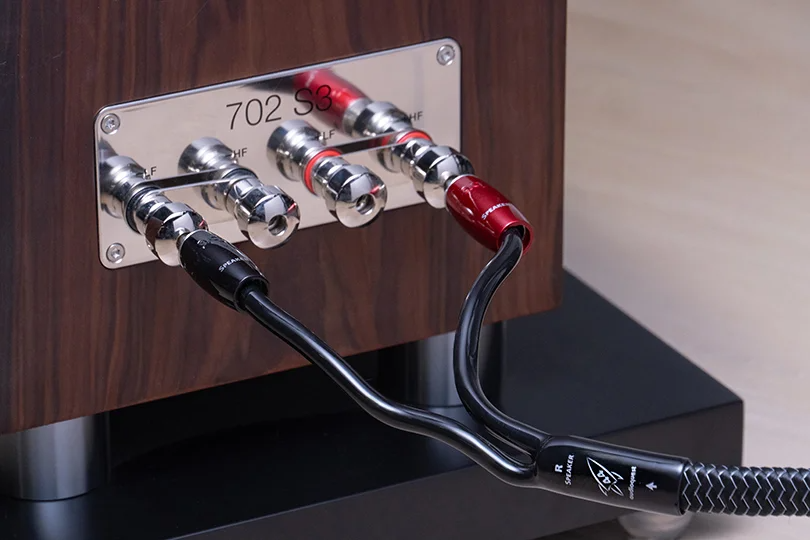
Why the huge price gap? It comes down to seven key ingredients.
Conductor Material (The Wire Itself)
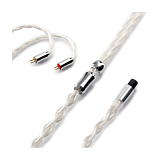
The wire inside carries the signal. Copper is the standard, praised for its excellent conductivity. High-end cables use ultra-pure Oxygen-Free Copper (OFC) or even Monocrystalline Copper to ensure the signal passes with the least possible resistance. Silver is an even better conductor and is used in premium cables; it's known for producing a "brighter," more detailed sound with an emphasis on high frequencies. Some cables even blend copper and silver to achieve a specific sonic balance.
Geometry (How the Wires Are Arranged)
This is critical. Wires don't just run parallel. Their arrangement affects the cable's electrical properties, like capacitance and inductance. Twisting the wires, for example, can reduce noise. High-end cables often use complex, patented braids or geometries (like Star-Quad) to minimize interference and resistance in very specific ways.
Insulation (The "Dielectric")
The material insulating the wire matters just as much as the wire itself. Its job is to protect the conductor, but it can also absorb tiny amounts of electrical energy and release it slightly later, "smearing" the signal's timing.
- Bad: PVC
Used in cheap cables, PVC has high capacitance, which can absorb detail and dull the sound, especially over long distances. - Good: Polyethylene or Polypropylene.
- Best: Teflon (and other low-dielectric foams)
These materials absorb almost no energy, resulting in a cleaner, faster, and more transparent signal.
Shielding (The "Armor")
Shielding is the cable's armor against airborne noise (RFI/EMI) from your Wi-Fi router, phone, and other electronics.
- Basic: A thin foil shield. It's cheap and effective at blocking high-frequency noise but can be fragile.
- Better: A braided shield, usually copper. It's more durable, flexible, and better at blocking a wider range of frequencies.
- Best: Multiple layers of both foil and braid, sometimes with additional mechanical damping to reduce noise from physical vibrations.
Connectors (The Plugs)
A chain is only as strong as its weakest link. The plug at each end is a critical part of the signal path.
- Standard: Basic nickel or tin-plated connectors in plastic shells. They get the job done, but can corrode or loosen over time.
- Good: Gold-plated connectors. Gold is an excellent conductor that, more importantly, does not corrode, ensuring a clean, reliable connection for decades.
- Best: Rhodium-plated connectors. Rhodium is even harder and more durable than gold, offering the ultimate in conductivity and longevity — at a much higher price, that is.
Construction (Balanced vs. Unbalanced)
- Unbalanced (RCA): Has two wires — signal and ground. It's simple but highly susceptible to picking up that annoying "hum" or "buzz" from interference.
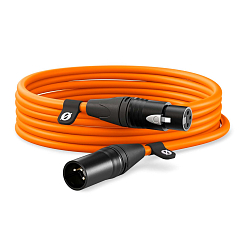
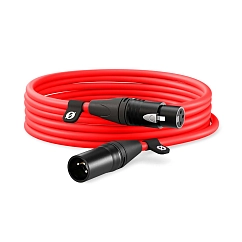
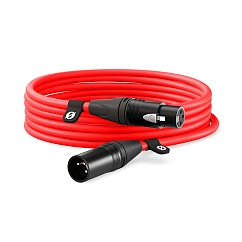
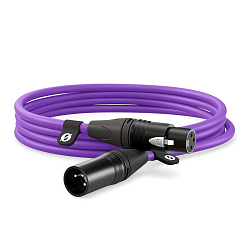
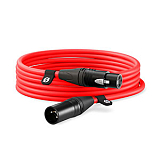
- Balanced (XLR): Has three wires — positive signal, negative signal, and ground. It uses a clever trick to cancel out any noise picked up along the cable, resulting in a perfectly clean signal. This is the professional standard and essential for long cable runs.
Build Quality & R&D
Finally, you're paying for craftsmanship. High-end cables are often assembled by hand, meticulously tested at every stage, and come with lifetime warranties. This also covers the research and development that went into perfecting the geometry, materials, and shielding for that specific cable.
So, Are Expensive Cables Worth It?
Cables can change the sound, for better or for worse. The goal is not to buy the most expensive cable, but to avoid a "bottleneck." A good rule of thumb is to keep your cable costs balanced with the rest of your system. Using a $5 cable with a $5,000 amplifier is a waste of the amp's potential; the opposite is also true.
Ultimately, your ears must be the final judge. Come visit us at the Dr. Head showroom in Dubai — we can demonstrate the difference and help you find the cables that work in perfect harmony with your setup.