










A Beginner's Guide to Vinyl: How to Choose Your First Turntable
In the age of infinite streaming, the idea of a big, delicate black disc should seemingly be obsolete. And yet, vinyl isn't just surviving; it's thriving, with sales hitting levels not seen since the 1980s. Why?
Because vinyl is more than just music: it's an experience. It's the "warm," tangible, analog sound that digital can't quite replicate. It's the large-format album art you can hold in your hands. It's the deliberate act of choosing an album and listening to it from start to finish. It’s a ritual.
But to get the most out of this ritual, you need a quality turntable. And if you’re new to the game, the terminology can sound like a foreign language. Don't worry. We're here to translate.
Contents
Mythbusting: Your Top Vinyl Questions, Answered
Vinyl today is surrounded by misconceptions, so before we move forward, let’s clear up a few things.
Is a modern turntable the same as my grandpa's old gramophone?
Not even close. A gramophone used a steel needle to physically carve sound out of a shellac disc, destroying it after just a few plays. A modern turntable uses a delicate stylus to read the magnetic signal from a durable vinyl record. It's the difference between a horse-drawn cart and a modern car in terms of technology, and it does wonders for its longevity.
Should I buy a vintage turntable or a new one?
For beginners, always go new. The vinyl boom has pushed amazing companies like Pro-Ject, Audio-Technica, and Auris to create incredible new models. A vintage player can be a maintenance nightmare and is best left to experienced hobbyists.
Isn't vinyl insanely expensive?
That's a myth. You can start your analog journey with fantastic, affordable models from the very brands we just mentioned.

Arrival: 202531
Performer: Lady Gaga
Genre: Electronic, Hip Hop, Pop

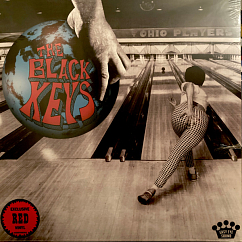
Arrival: 202537
Performer: The Black Keys
Genre: Rock
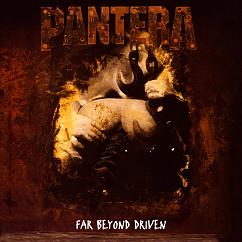


Arrival: 202537
Performer: The Black Keys
Genre: Rock



Arrival: 202430
Performer: Cigarettes After Sex
Type of performer: Foreign
Where should I buy my first turntable?
Avoid the big-box stores. Go to a specialist shop. The selection, the ability to test models, and the expert advice you'll get are invaluable.
Anatomy of a Turntable: The Key Parts
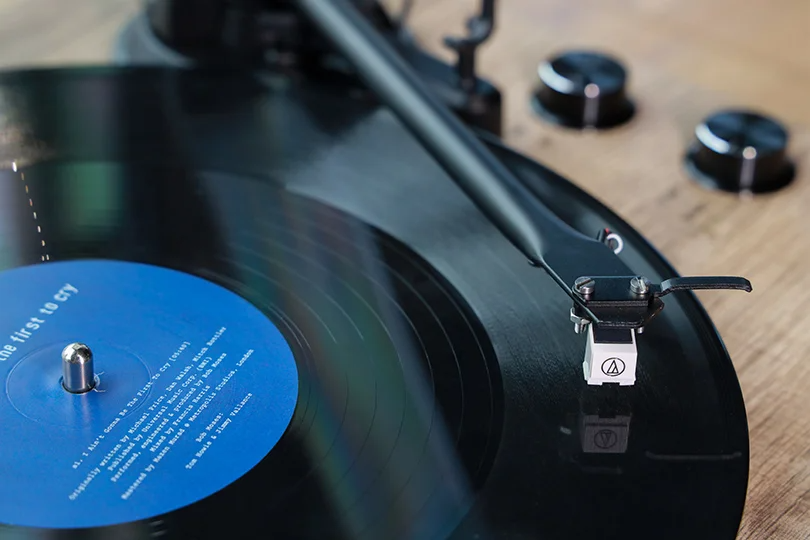
Before we choose, let's quickly break down the machine.
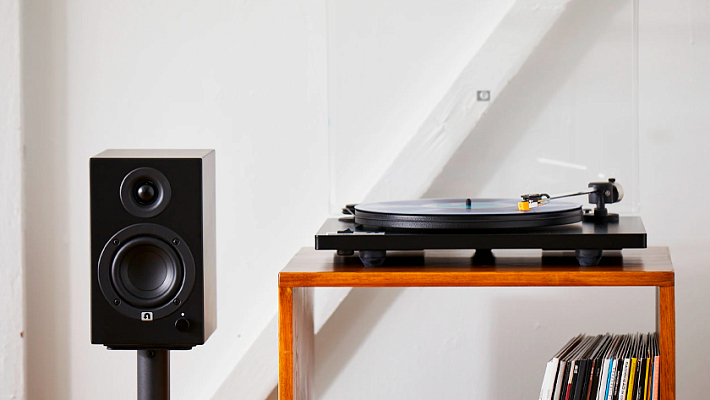
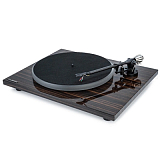
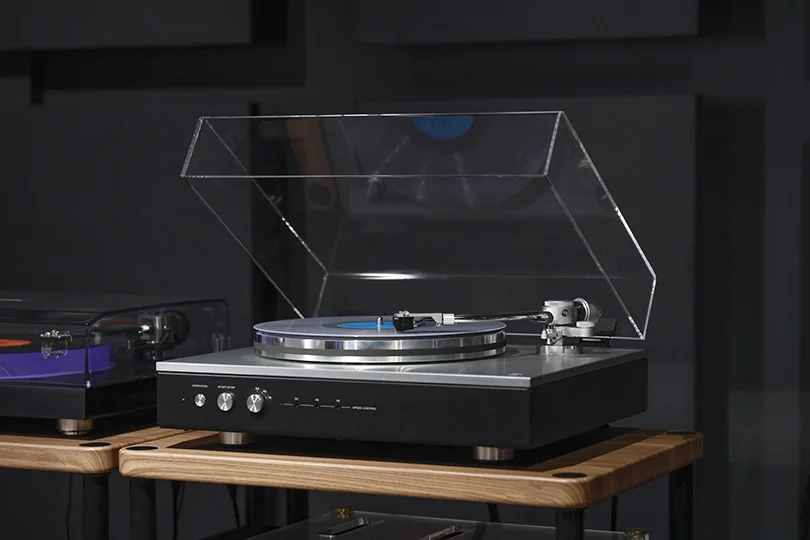
- The Base (Chassis): This is the foundation. Its main job is to be heavy and dense to absorb unwanted vibrations from your speakers and the room. Vibrations are the enemy — if left unchecked, the stylus will pick them up and ruin the sound.
- The Platter: This is the spinning plate your record sits on. It's usually made of metal, glass, or acrylic, and its job is to rotate smoothly and consistently. It's topped with a slipmat (usually rubber or felt) to protect the record.
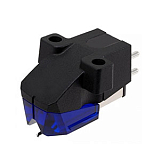
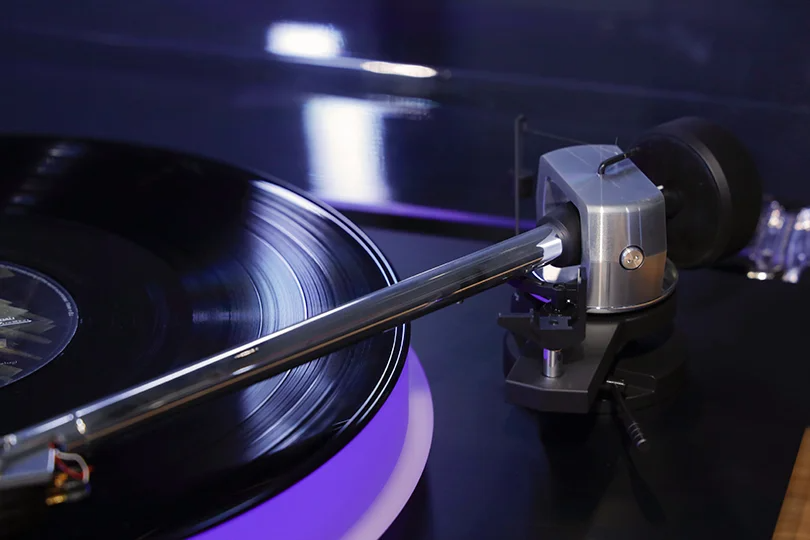
- The Cartridge (and Stylus): This is the magic wand. The cartridge is the small box at the end of the tonearm, and the stylus (or "needle") is the tiny diamond tip that reads the microscopic grooves in the record. This is arguably the most important component for sound quality.
- The Tonearm: This is the arm that holds the cartridge and allows it to track across the record. A good tonearm needs to be light, strong, and resistant to resonance. Most beginner-friendly turntables come with a pre-calibrated tonearm, which is a huge plus.
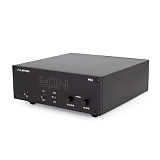
- The Phono Preamp: The signal coming directly from a turntable's cartridge is incredibly weak. A phono preamp (or "phono stage") is a special amplifier that boosts this signal to a level your main amplifier can use. Without it, the sound would be barely audible. Many modern turntables have a phono preamp built-in, which is a fantastic feature for beginners.
Choosing Your Turntable: The Big Decisions
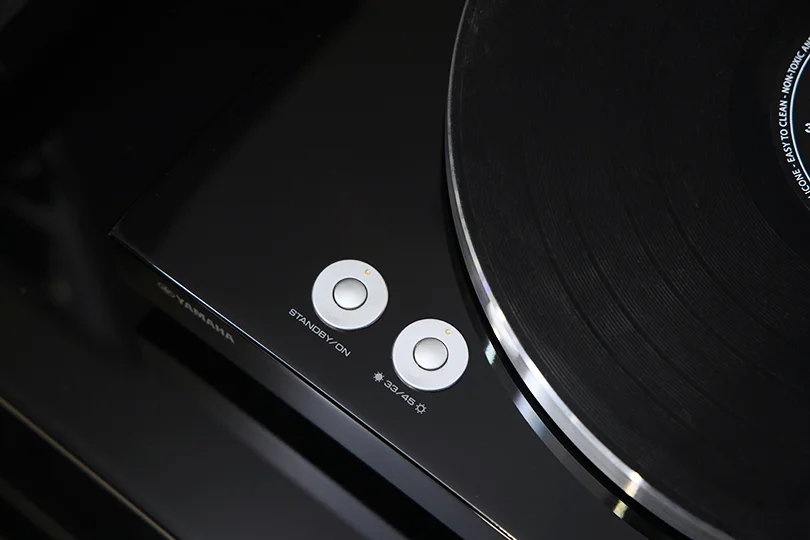
Okay, now you know the parts. Here’s how you choose your player.
Automatic vs. Manual
An automatic turntable will lift the tonearm, place it on the record, and return it at the end, all with the push of a button. It's simple and safe for your records. A manual turntable requires you to do all of this by hand. It's a more tactile, engaging experience, and most high-end turntables are manual.
Home Listening vs. DJing
A home turntable is engineered for one thing: sound quality. It's designed to minimize noise and reproduce music with the highest fidelity. A DJ turntable is built for durability and high-torque motors for scratching and quick starts. You can use a DJ turntable at home, but you can't take a home turntable to the club.
All-in-One vs. Component
An "all-in-one" suitcase-style player has the turntable, amplifier, and speakers all in one box. Their biggest advantage is their low price. However, their sound quality is generally poor, and their low-quality components can damage your records over time. A component turntable is a dedicated device that requires a separate amplifier and speakers. This is the path to true high-fidelity sound.
Built-in vs. External Phono Preamp
A turntable with a built-in phono preamp is super convenient. You can plug it directly into any modern amplifier, soundbar, or even a portable speaker. A turntable without one requires either an amplifier with a dedicated "Phono" input or a separate, external phono preamp. High-end users prefer external units for better performance.
Belt Drive vs. Direct Drive
In a belt-drive turntable, the motor is offset and connected to the platter by a rubber belt. This isolates the platter from motor vibrations, reducing noise. This is the preferred method for most home-listening turntables. A direct-drive turntable has the motor connected directly to the platter, providing high torque and stable speed, which is why it's the standard for DJ turntables.
Bluetooth & USB
A turntable with Bluetooth can wirelessly stream music to your Bluetooth headphones or speakers. A model with a USB output can connect to your computer, allowing you to digitize your vinyl collection. These are great modern conveniences, but not essential for pure analog sound. This choice depends entirely on the way you intend to listen to your vinyl.
Turning the Tables
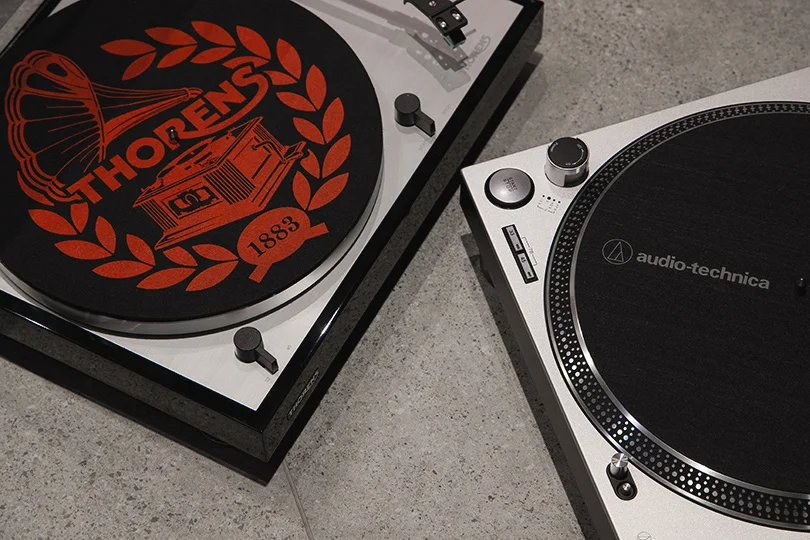
Diving into the world of vinyl is an amazing journey, and our guide should help you navigate the many options available. But as always, the most important thing? Listen for yourself. No spec sheet can replace the experience of hearing a turntable in person.
That’s why we invite you to our Dubai showroom. We have a huge range of turntables, and our experts can walk you through the options and help you find the perfect player to start your vinyl adventure. Music on vinyl is a special kind of art, and to appreciate it, you need the right tools.
You bet we have those tools and are happy to share them with you.
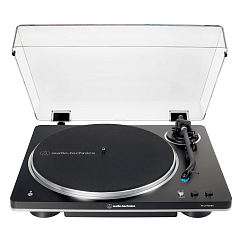
Bluetooth version: 5.2
Brand: Audio-Technica
Cartridge type: MM
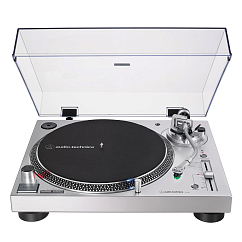

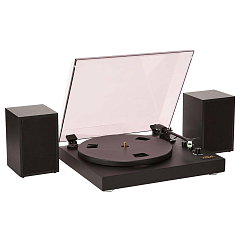
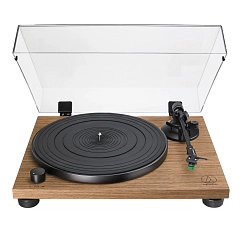
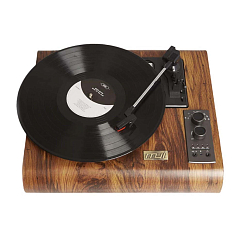

Bluetooth version: 5.2
Brand: Audio-Technica
Cartridge type: MC, MM