















1-Way, 2-Way, & 3-Way Speakers: How Many Do You Actually Need?
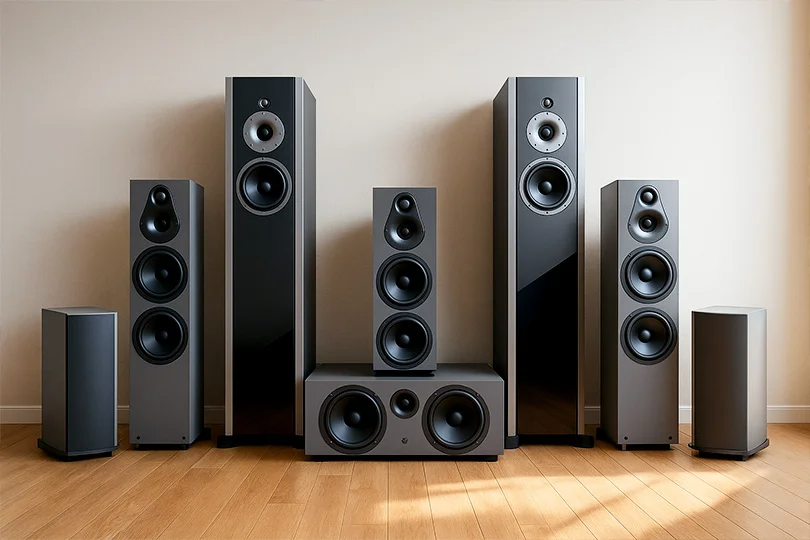
The number of "ways" (or frequency bands) is one of the most critical specifications of any speaker system. It directly dictates how clean, natural, and immersive your favorite music or movies will sound.
Choosing the wrong configuration can ruin the performance of even the most expensive setup. In this guide, we will break down the science behind audio frequencies, explain the difference between 1-way, 2-way, and 3-way speakers, and help you decide which setup is best for your room and budget.
Contents
Decoding the Audio Spectrum
To understand why a speaker needs multiple bands, we first need to look at how we hear music and what happens when a single driver tries to do all the work at once.
- Low Frequencies (20–200 Hz): This is the foundation of rhythm. It includes bass guitars, kick drums, and deep cinematic rumbles. Lows create volume and power. To reproduce them properly, a speaker needs a large cone, a massive magnet, and a sturdy cabinet to control the resonance.
- Mid Frequencies (200–5,000 Hz): This is the absolute heart of the music. It contains human voices, guitars, and the primary melody of most instruments. The human ear is incredibly sensitive to this range. Mids require extreme precision rather than raw power; if they are distorted, vocals will immediately sound unnatural.
- High Frequencies (5,000–20,000 Hz): This range is all about detail, air, and spatial awareness. It includes cymbal crashes and the subtle acoustic atmosphere of a recording studio. Highs are reproduced by "tweeters," which require tiny, ultra-light membranes made of silk, aluminum, or beryllium.
When a single speaker cone attempts to play a heavy bass drop and a delicate vocal simultaneously, it physically struggles. The massive vibrations required for the bass interfere with the rapid, tiny vibrations needed for the highs, resulting in a muddy, distorted sound.
Here Comes the Crossover
To solve this problem, engineers divide the audio signal so that each specific driver only receives the frequencies it was built to handle. This sorting process is done by a component called a crossover.
Think of a crossover as a traffic controller. A low-pass filter sends the heavy bass signals to the woofer, while a high-pass filter routes the delicate treble to the tweeter. If you want to learn more about crossovers, check out our dedicated guide.
While crossovers are essential, every filter the audio signal passes through can slightly weaken the signal or introduce phase distortion. This is why engineers aim for the minimum necessary number of frequency splits. While 4-way and 5-way speakers exist, they are incredibly complex to tune, very expensive, and often fall victim to the law of diminishing returns.
Speaker Config Comparison
Now that we know how frequencies are divided, let's look at the three main types of acoustic systems you will encounter.
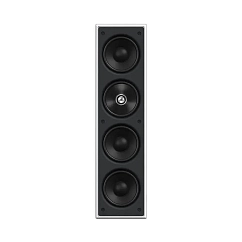
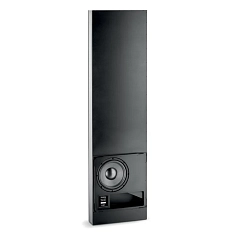
3-Way Systems
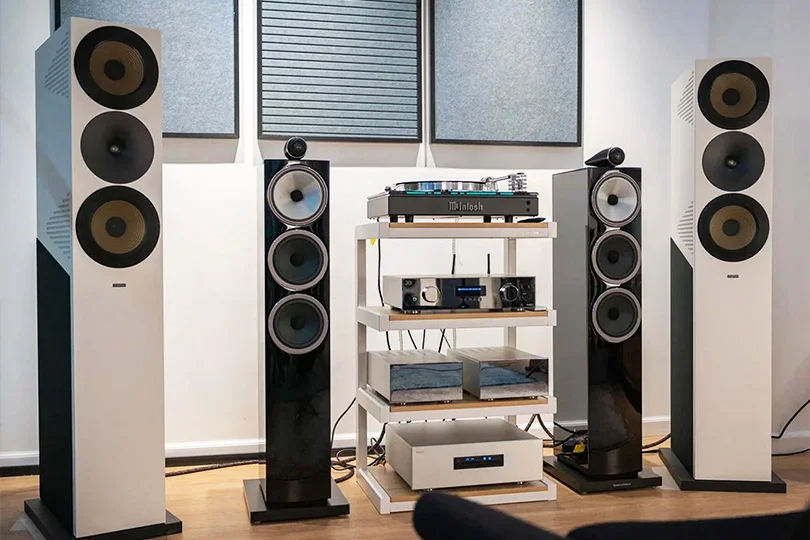
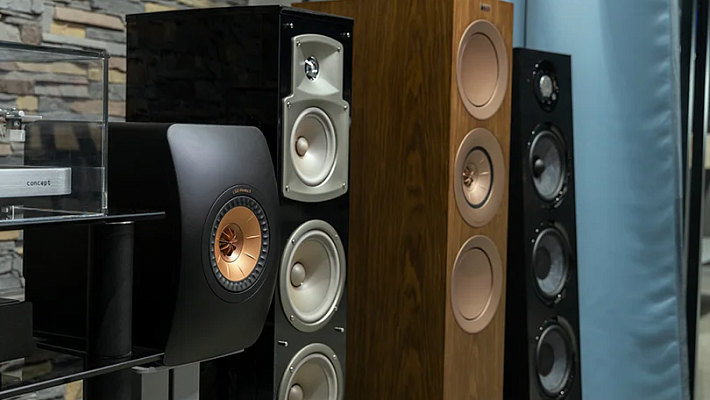
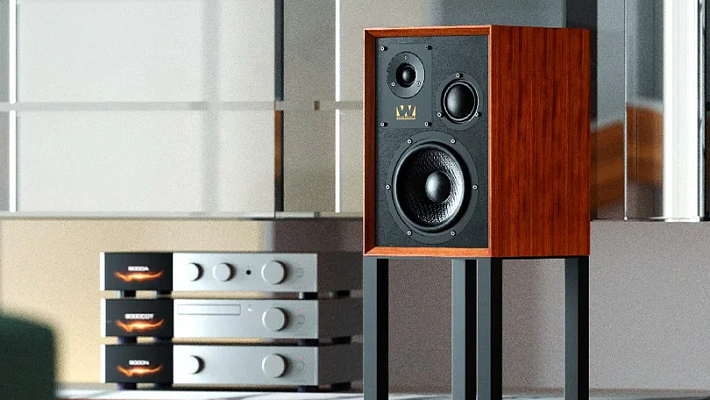
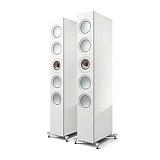
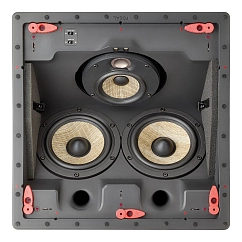
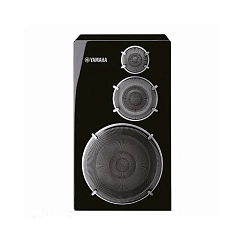
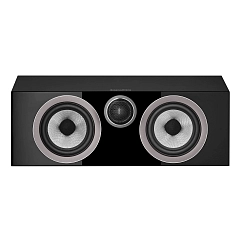
A 3-way speaker is the gold standard for high-fidelity audio. It features dedicated drivers for the lows, mids, and highs.
This separation ensures that vocals sound incredibly natural without being drowned out by heavy bass lines. You can push the volume much higher without introducing distortion, making them perfect for all musical genres.
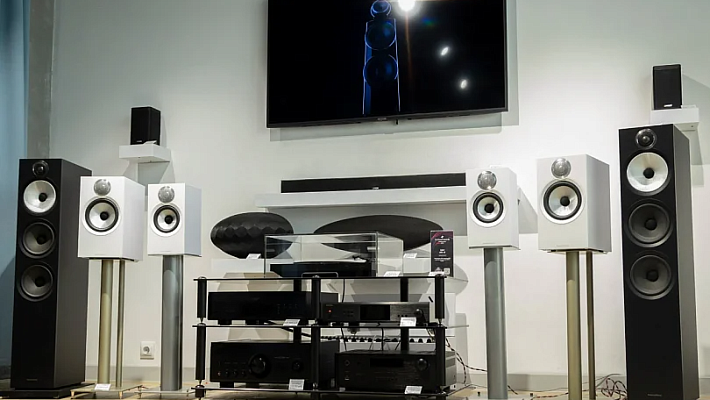
They are the optimal choice for premium home cinemas, studio monitors, and serious listening rooms. The only downsides are their larger physical size and higher price tag.


Brand: Focal
: 44
Connection method: hdmi, optical, rca, usb-a, rj45, bluetooth, wifi


Brand: Sonus Faber
: 37
Connection method: bi-amp, bi-wiring


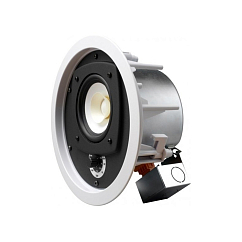
2-Way Systems

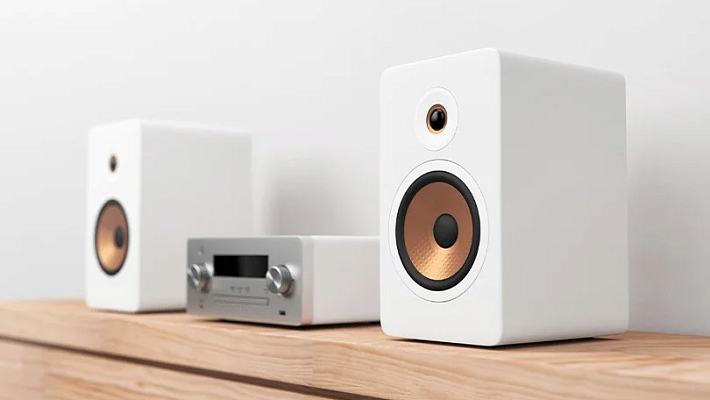
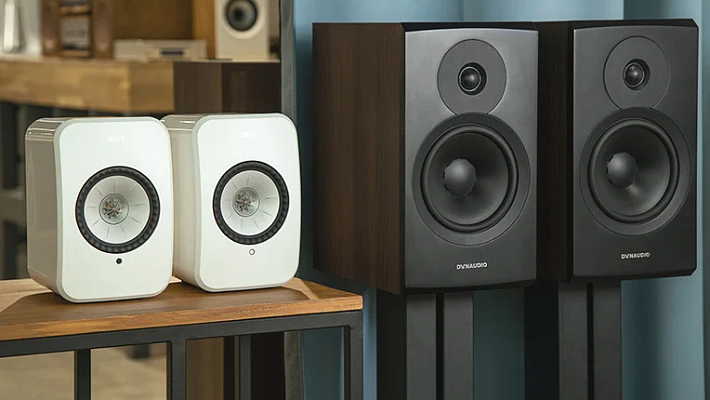
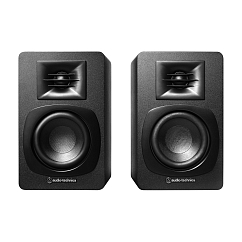
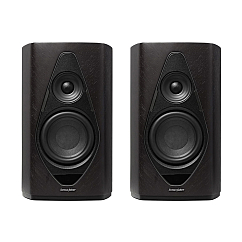
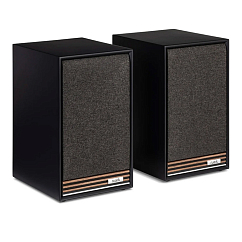
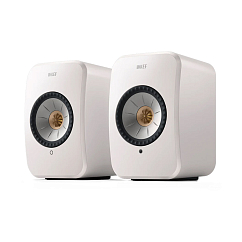
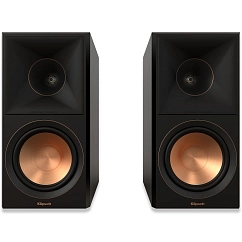
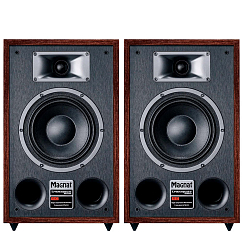
A 2-way setup is much simpler to manufacture and tune. It typically uses one tweeter for the highs and one larger driver that handles both the mids and the lows.
This configuration is standard for bookshelf speakers, computer audio, and budget-friendly home theaters. Because there are fewer components, you often get a much better build quality for your money compared to a cheap 3-way system.
However, the larger woofer may struggle to reproduce upper-midrange frequencies accurately, and the critical vocal range can sometimes sound slightly uneven.


Bluetooth version: 5.3
Cable included: yes
Charging connector: DC-IN
Connection method: bluetooth, wifi, rj45, hdmi
Max SPL, dB: 105
Number of lanes: two-lane
Brand: KEF
: 32
Connection method: bluetooth, wifi, rj45, optical, usb, 3.5

Brand: Bowers & Wilkins
: 46
Connection method: bi-amp, bi-wiring


Brand: Magnat
: 37
Connection method: toslink, hdmi, rca, bluetooth, 3.5
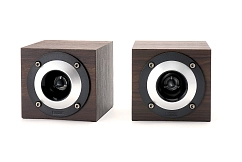
1-Way (aka Full-Range) Systems
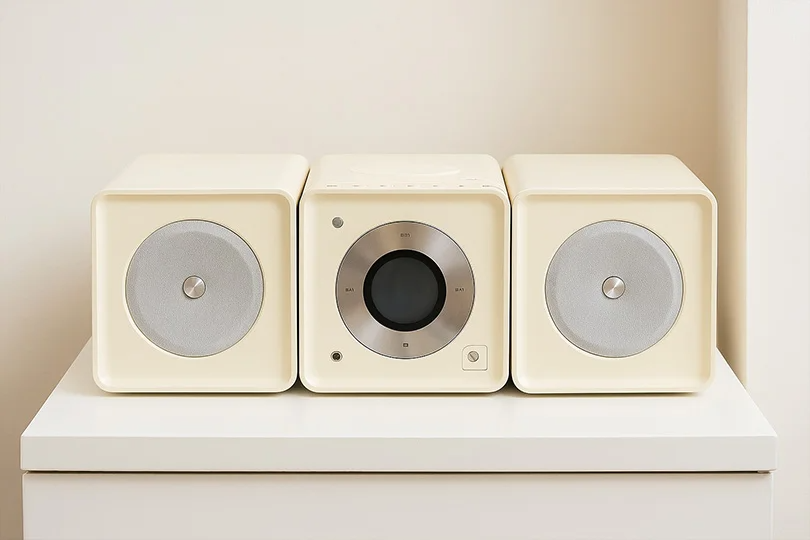
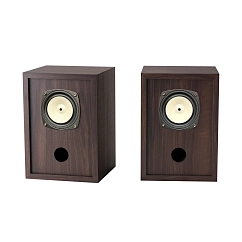
Here, a single driver reproduces the entire frequency spectrum without any crossover network.
The biggest advantage is the complete absence of phase distortion, resulting in a highly accurateand naturalsound in the midrange. They are usually very compact. However, physics cannot be cheated: a single cone cannot produce deep sub-bass and sparkling highs simultaneously.
Full-range speakers are a niche choice, heavily favored by lovers of acoustic jazz and chamber music, but they are generally unsuitable for heavy rock or electronic music.

The Verdict: What Should You Buy?
The number of bands is a crucial parameter, but not the only one. The quality of the drivers, the precision of the crossover, and the acoustic treatment of your room all play massive roles.
As a general rule, a high-quality 2-way speaker will always outperform a cheaply made 3-way speaker. If you have the space and budget for a main listening room, invest in a good 3-way system. If you are outfitting a small office or apartment, premium 2-way bookshelf speakers are your best bet.
But, of course, paper specs can only tell you so much. The golden rule of audio is to always trust your own ears. Visit the Dr.Head showroom in Dubai to hear the difference for yourself. Our experts will be happy to help you find the perfect fit for your living space.