











Which Microphone is Better: Dynamic or Condenser? A Comprehensive Buying Guide
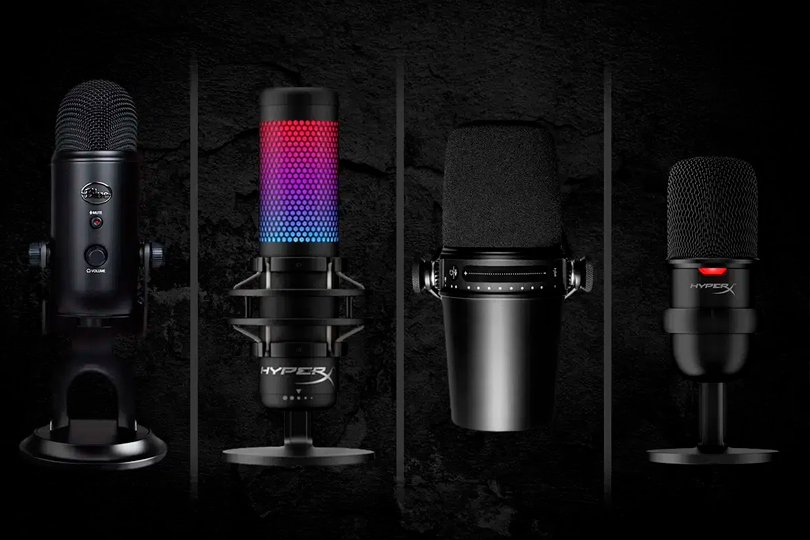
Just as the theater begins at the coat check, a recording studio starts with microphones. Stepping into an audio gear store can be overwhelming: Should you go with a condenser mic or a dynamic one? Which is more suitable for your needs? Is it worth buying a separate mic for every use case, or is there a universal solution?
And while ribbon microphones also deserve attention, we'll leave them for a separate article — they’re rarely seen outside professional environments. Today, we’ll focus on two of the most common microphone types in both studio and stage settings: dynamic and condenser microphones.
Contents
Microphones
Diaphragm size: large diaphragm
Microphone polar pattern: cardioid
Microphone type: dynamic
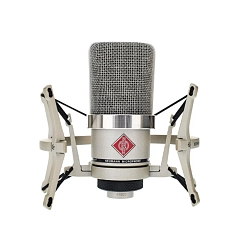
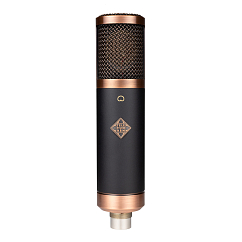
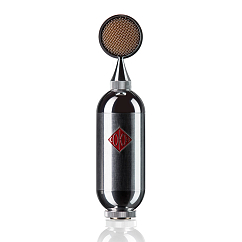

What Does a Microphone Do?
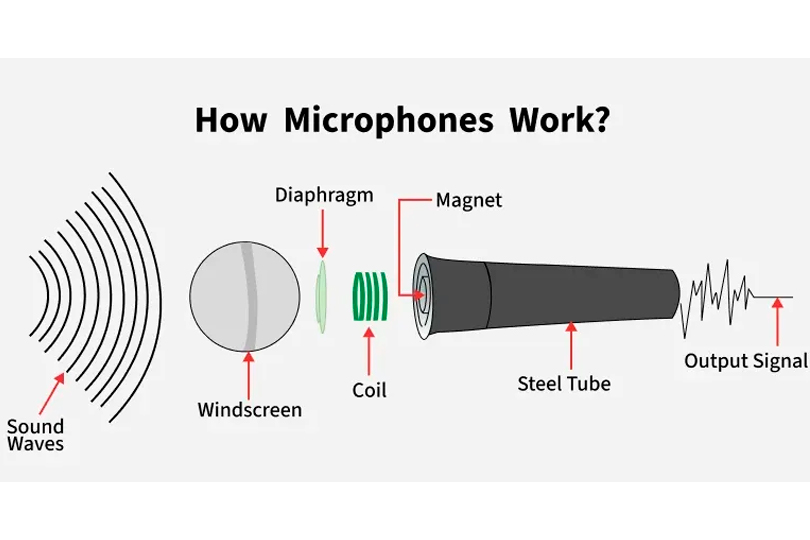
A microphone is a transducer that converts sound waves — from a voice or musical instrument — into an electrical signal. This signal is then sent to a recording device, such as a computer or audio interface.
When selecting a microphone, you'll often encounter the terms “dynamic” and “condenser.” These refer to the type of transducer technology used. Let’s take a closer look at how each of these designs works.
How Does a Dynamic Microphone Work?
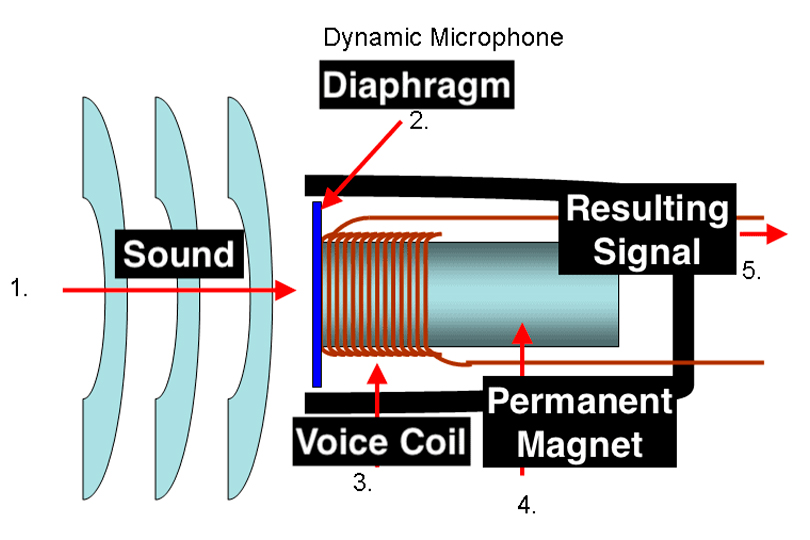
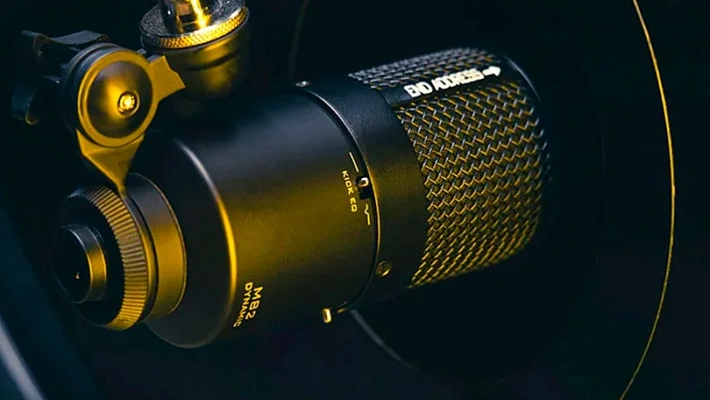
In a dynamic microphone, sound waves strike a diaphragm (typically made of plastic or polyester film), causing it to move. Attached to this diaphragm is a voice coil suspended between two magnets. As the diaphragm moves, the coil oscillates within the magnetic field, generating an alternating current that mirrors the original sound wave.
Advantages
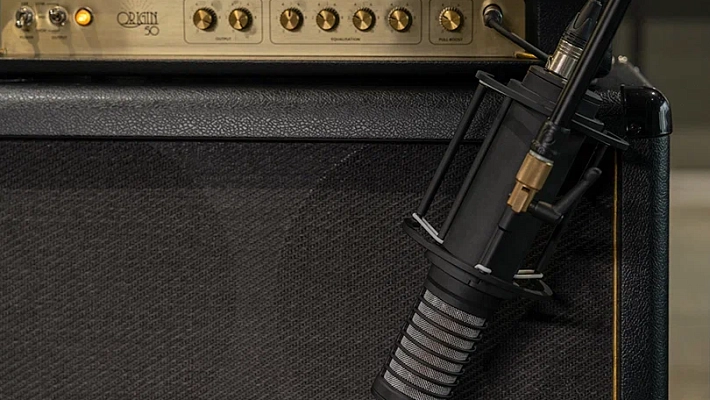
- Handles high sound pressure levels (SPL): Ideal for capturing very loud sources — think live vocals, guitar amps, and drums—without distortion. That’s why dynamic mics are a staple on stage.
- Rugged and reliable: With fewer components and a straightforward design, dynamic microphones are built to withstand rough use and are less sensitive to environmental conditions.
- Budget-friendly: Available across a wide price range, including affordable options, thanks to simpler and cost-effective manufacturing.
- Resistance to feedback and ambient noise: Performs well in noisy environments due to lower sensitivity.
Disadvantages
- Lower sensitivity: The coil adds weight, making the mic less responsive to very soft or high-frequency sounds. Subtle tonal nuances may not be captured accurately.
- Limited dynamic range: Compared to condenser microphones, dynamic models may miss fine sonic details, especially in vocals or acoustic instruments.
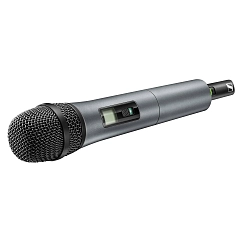
Dynamic Microphones
Diaphragm size: large diaphragm
Microphone polar pattern: cardioid
Microphone type: dynamic
How Does a Condenser Microphone Work?
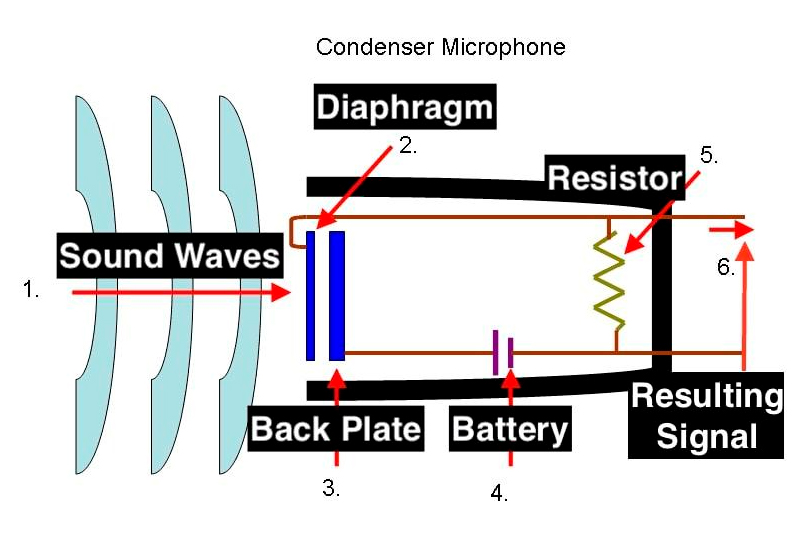
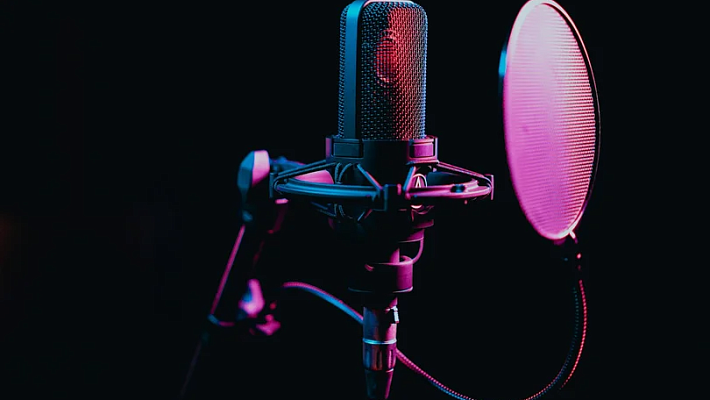
A condenser microphone also uses a diaphragm — typically made of an ultra-thin metal—but it is paired with a stationary backplate to form a capacitor. When charged with an electrical current, a static field forms between the two plates.
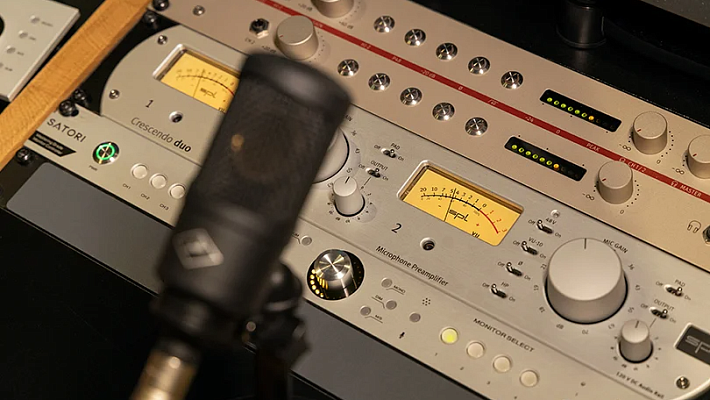
When sound waves hit the diaphragm, its motion alters the capacitance, generating a small electrical signal. This design requires phantom power — a small voltage (typically 48V) supplied via an audio interface or preamp — to operate.
Advantages
- Exceptional sensitivity: Picks up even the faintest sounds and subtle tonal variations, ideal for vocals, acoustic instruments, and studio ambience.
- Broad frequency response: Accurately captures a wide spectrum of sound, from deep bass to shimmering highs.
- Flat frequency response: Delivers a natural, transparent representation of the source, making it ideal for professional recording.
Disadvantages
- Delicate construction: With more internal components, condenser microphones are more fragile and susceptible to damage.
- Sensitive to acoustic environment: Picks up room reflections and background noise easily — best used in acoustically treated studio spaces.
- Requires phantom power: Won’t function without an external power source, which can limit portability.
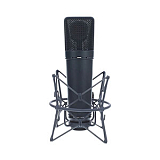
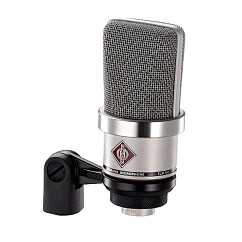
Condenser Microphones
Diaphragm size: large diaphragm
Microphone polar pattern: cardioid
Microphone type: dynamic
Which Type of Microphone is Better?
From a technical standpoint, condenser microphones offer higher sensitivity and more accurate sound reproduction — making them the preferred choice for studio recording. Dynamic microphones, on the other hand, are more rugged and forgiving, making them ideal for live performances and rough environments.
Ultimately, neither is universally “better.” Each serves different purposes. Your choice depends on your recording goals, the environment, and the type of source you’re capturing.
Don’t Forget: Polar Patterns Matter Too
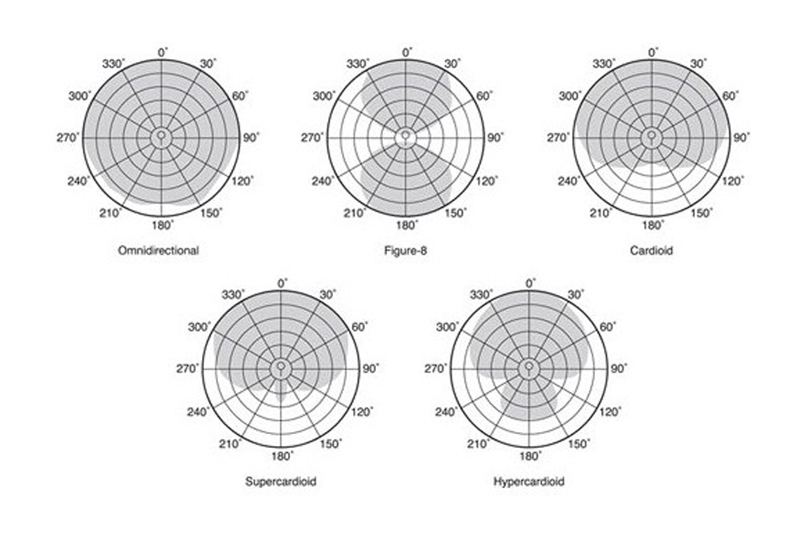
Especially with condenser microphones, polar patterns — how a microphone responds to sound from different directions—play a vital role in performance and application.
Omnidirectional
Captures sound equally from all directions. Great for natural ambiance or recording in acoustically rich spaces — like a cathedral with stunning reverb.
Cardioid
Most sensitive to sound from the front, less from the sides, and significantly reduced pickup at the rear (around -20 dB). Ideal for vocals and instruments where isolation from room noise is important.
- Supercardioid takes it further by narrowing the front pickup zone and further rejecting side and rear noise.
Figure-8 (Bidirectional)
Captures sound from both front and back, with minimal side pickup. Perfect for podcasting or interviews with two speakers sitting opposite each other.
What to Look for When Choosing a Microphone
Frequency Response
Indicates the range of frequencies the mic can accurately reproduce. For vocal recording, look for flat and consistent response between 80 Hz and 12 kHz for natural tone reproduction.
Impedance
High-impedance microphones can degrade audio quality, especially at higher frequencies, by introducing noise. Aim for low-impedance models for cleaner sound.
Maximum Sound Pressure Level (SPL)
Specifies the loudest sound a mic can handle without distortion. Look for 120 dB SPL or higher if you’re recording drums, brass, or electric guitar amps.
Self-Noise
Refers to the microphone’s own electronic noise floor. For professional-quality recordings, aim for -28 dB or lower.
Signal-to-Noise Ratio (SNR)
The difference between the desired signal level and the self-noise level. A SNR of 64 dB or higher is considered excellent.
Final Thoughts
There’s no clear winner in the showdown between dynamic and condenser microphones. Each has unique strengths. Ideally, your setup should include both types, allowing you to tackle a wide range of creative tasks — from intimate vocals and fingerpicked guitar to loud percussion and live gigs.
Whether you’re recording the soft shimmer of wine glasses, the rich tones of a grand piano, or the raw energy of a rock vocalist, choose the mic that fits your artistic vision.
Share your recording ideas with Dr. Head — we’re always happy to welcome you in our stores!
Microphones
Diaphragm size: large diaphragm
Microphone polar pattern: cardioid
Microphone type: dynamic