










Vinyl 101: A Beginner's Guide to Building Your First Turntable Setup
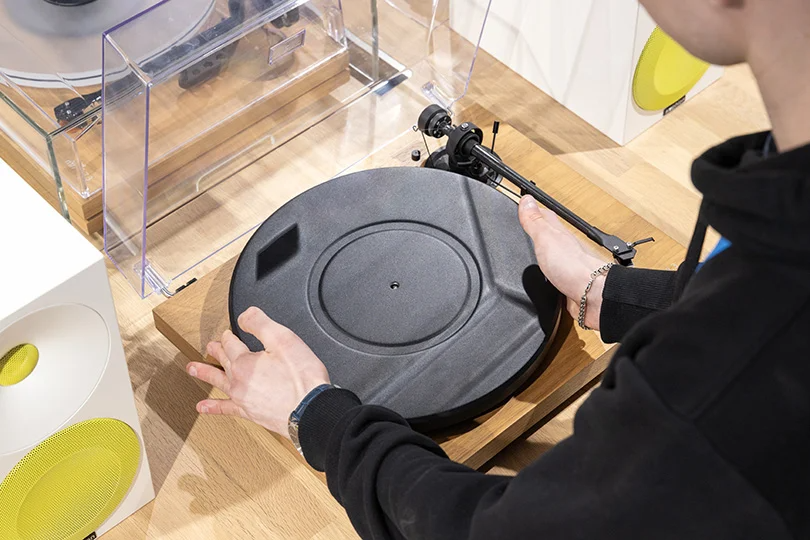
The world of vinyl can seem intimidating. It’s full of conflicting opinions, technical jargon, and setups that look incredibly complex. But here’s the secret: getting started with vinyl is actually pretty simple.
We've created this guide to cut through the noise, explain the essential components, and show you exactly what you need to start spinning records and enjoying that warm, analog sound.
Contents
The 4 Essential Building Blocks
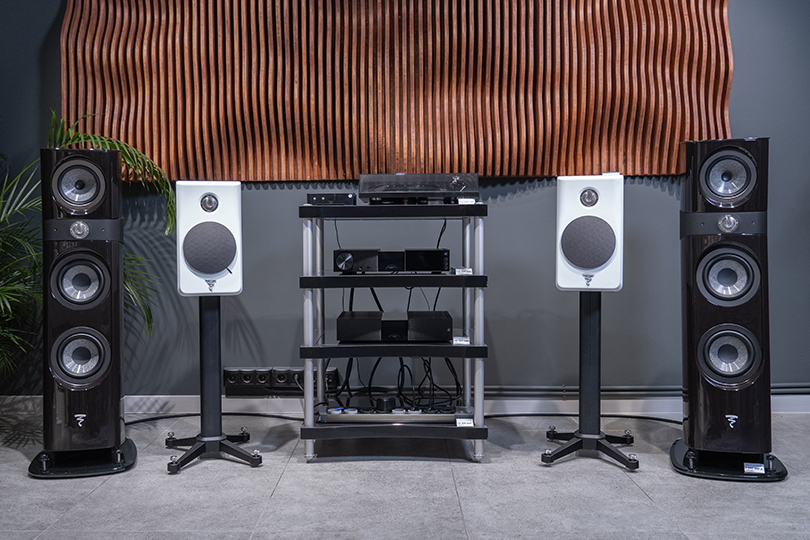
To play a record, you need a few key components. Don't worry, some of them are often built into each other, making things much easier.
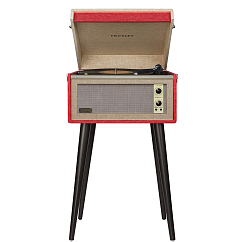
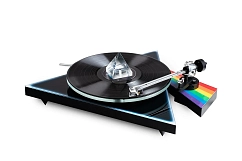
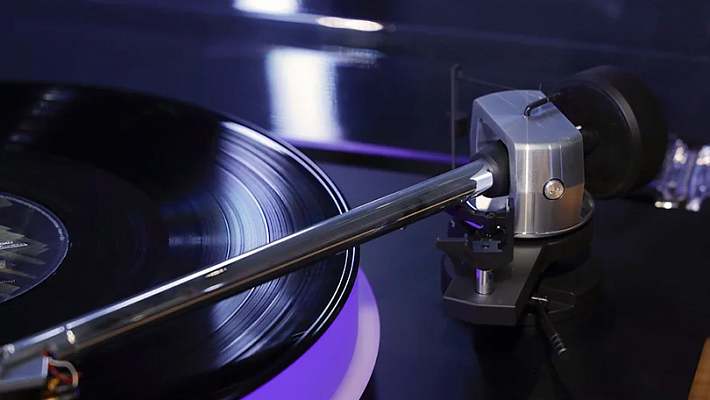
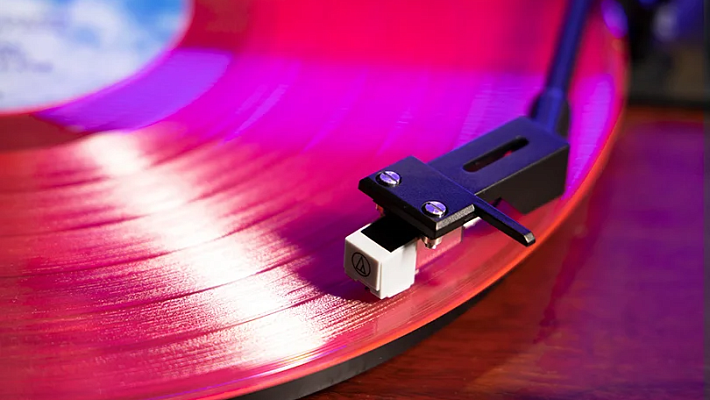
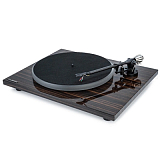
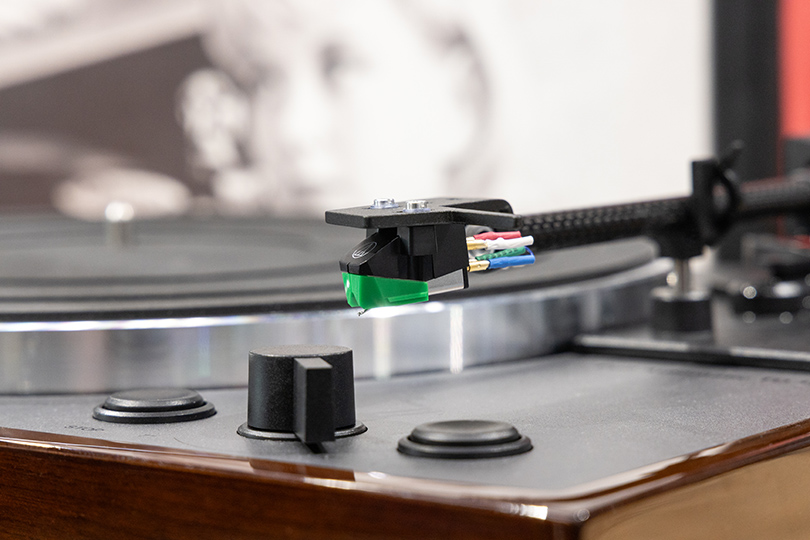
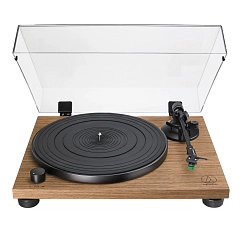
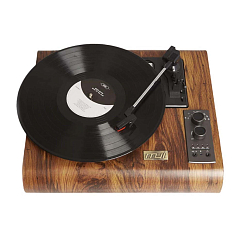
- The Turntable (or Record Player): This is the heart of the system. Its job is to spin the record at a precise, constant speed while a tiny stylus (needle) rides in the groove. The cartridge at the end of the tonearm then converts the physical vibrations from the groove into a tiny electrical signal.
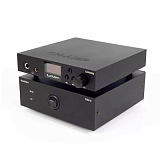
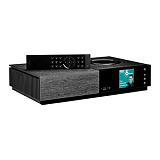
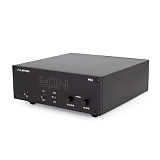
- The Phono Preamp (or Phono Stage): This is the most crucial, non-negotiable part that confuses most beginners. The signal coming from the turntable's cartridge is extremely weak — thousands of times weaker than a signal from your phone or a CD player. The phono preamp has two jobs: boost that tiny signal up to a standard "line level" and apply an EQ curve (called RIAA) to restore the proper bass and treble balance.
- The Amplifier (or Receiver): This is the engine. It takes the "line level" signal (from your phono preamp or other sources) and adds the serious power needed to drive your speakers. This is where you control the volume.
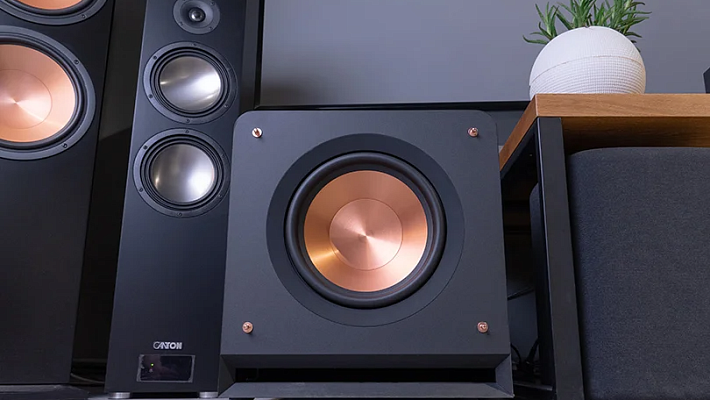
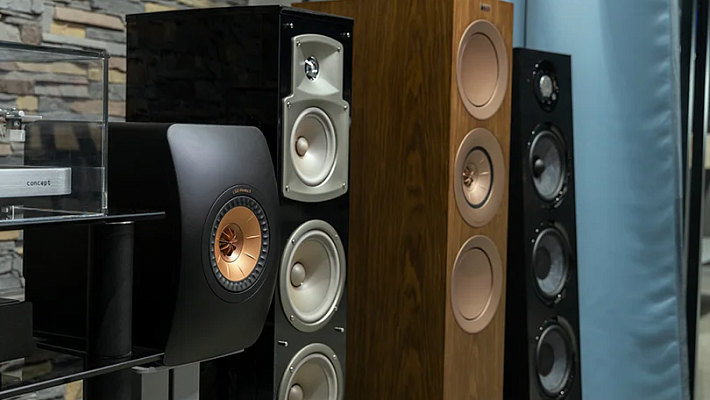
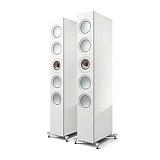
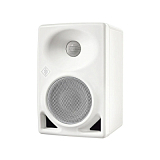
- The Speakers: This is the final piece. They take the powerful signal from the amplifier and turn it back into the music you hear. Speakers can be passive (requiring an external amplifier) or active (with their own amplifiers built in).
Putting It Together: 3 Simple Setups (From Easiest to Best)
Here are the most common ways to combine these blocks, from a simple, all-in-one solution to a high-end audiophile system.
Setup 1: The All-in-One (Simplest)
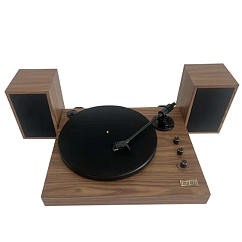
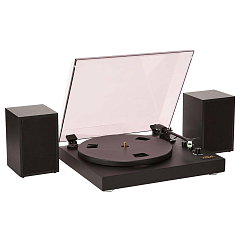
Turntable (with Built-in Preamp) + Active Speakers
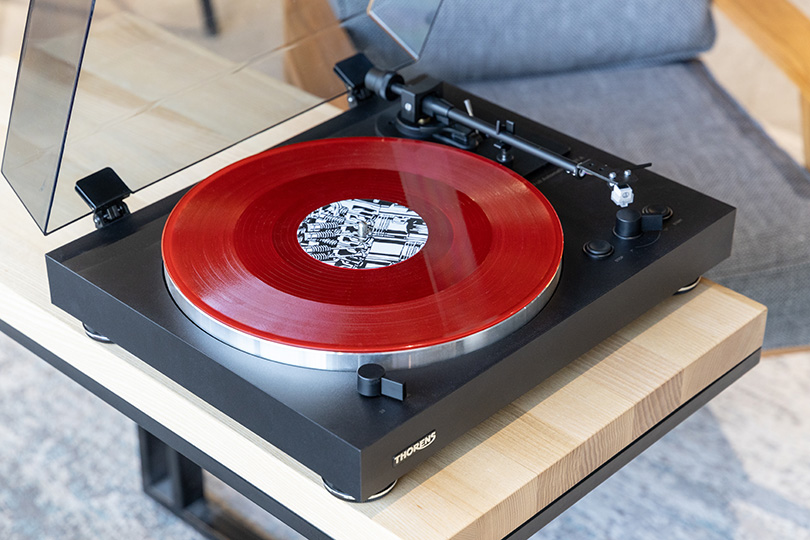
This is the fastest, easiest, and most compact way to get into vinyl.
- How it works: Many modern turntables have a phono preamp built right in (look for a switch on the back labeled "LINE / PHONO"). Similarly, active (powered) speakers have their own amplifier built in.
- The Chain: Turntable → RCA Cables → Active Speakers.
- Pros: Super simple, minimal components, cost-effective.
- Cons: You're locked into the built-in preamp and amp, so less room to upgrade later.
Setup 2: The Classic Hi-Fi (Most Common)
Turntable → Amplifier/AV Receiver → Passive Speakers
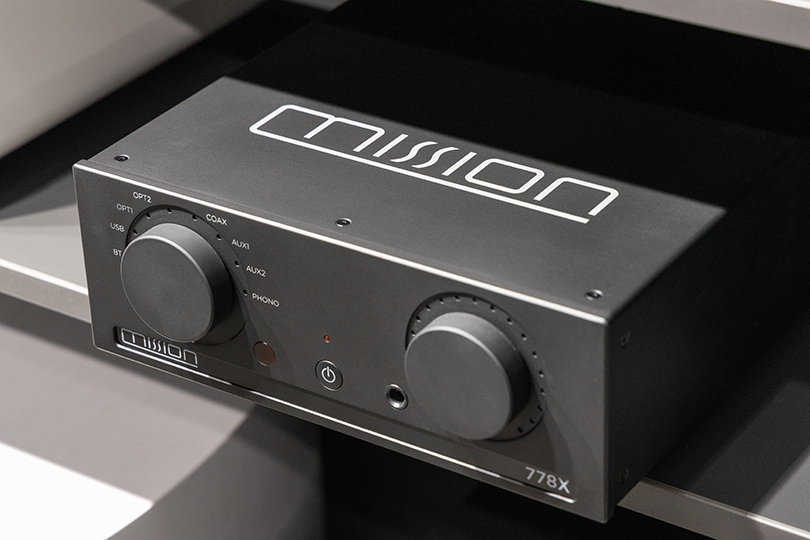
This is the traditional setup and the most popular for a reason. In this case, the phono preamp is usually built into the amplifier.
- How it works: Look on the back of an amp or a receiver. If you see an input labeled "PHONO," that means it has a phono preamp inside.
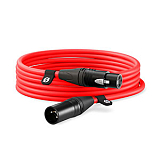
- The Chain: Turntable → RCA Cables (with ground wire) → "PHONO" input on Amp → Speaker Cables → Passive Speakers.
- Pros: Great balance of quality and convenience. Your amp/receiver acts as the central hub for all your sources (turntable, TV, streamer).
- Cons: If your amp doesn't have a "PHONO" input, you'll need...
Setup 3: The Audiophile's Choice (Full Component System)
Turntable → External Phono Preamp → Amplifier → Passive Speakers
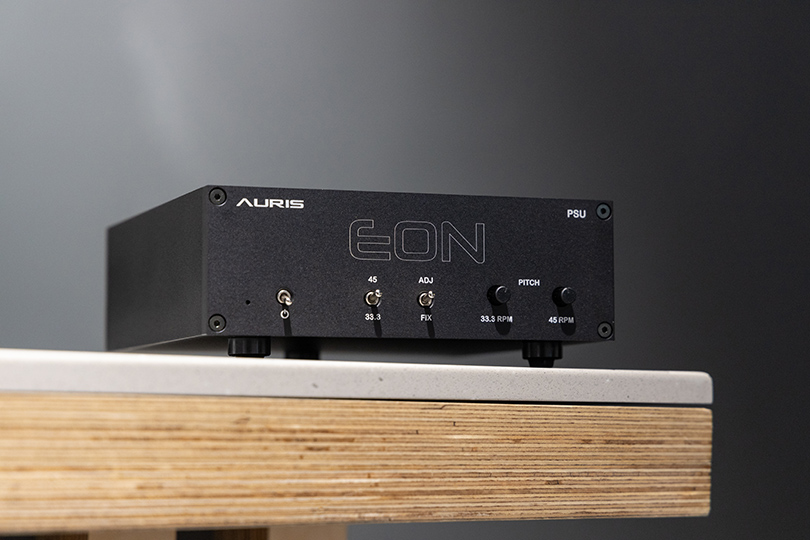
This setup separates every single component, giving you maximum control and upgrade potential.
- How it works: This is for when your amp doesn't have a "PHONO" input, or (more likely) when you want to use a better phono preamp than the one built into your turntable or amp.
- The Chain: Turntable → RCA Cables → External Phono Preamp → RCA Cables → "AUX" or "CD" input on Amp → Speaker Cables → Passive Speakers.
- Pros: The best possible sound quality. You can mix and match components, upgrade your phono preamp, or experiment with different amps (like tube amps) to perfectly tailor your sound.
- Cons: The most complex and — usually — most expensive option, with more boxes and cables.
The "Bonus" Setup: Bluetooth Turntable
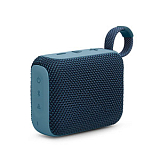
Many modern turntables also include a Bluetooth transmitter. This lets you wirelessly send your vinyl's sound to a Bluetooth speaker or headphones. This is the pinnacle of convenience, but it comes at a cost to audio quality, as the analog signal gets converted to digital and compressed for wireless transmission. It's a fun feature, but it's not the "true" analog experience.
A Critical Pro-Tip: Taming Vibrations
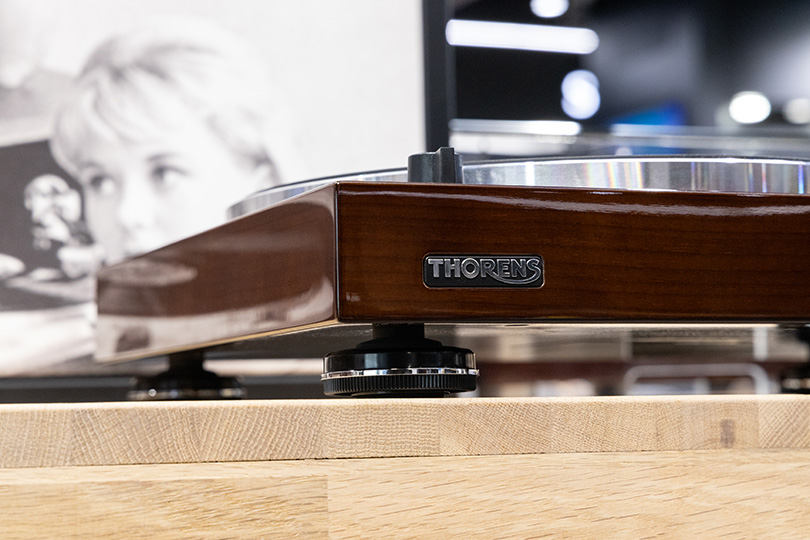
The stylus in your turntable's cartridge is a hyper-sensitive instrument. Its job is to detect microscopic vibrations in the record groove. The problem? It can't tell the difference between vibrations from the music and vibrations from the outside world.
If your speakers are on the same table as your turntable, the speaker vibrations will travel through the table, up the turntable's feet, and be picked up by the stylus. This creates a nasty, muddy, booming feedback loop that ruins your sound.
The Solution: ISOLATE!
- Never place your turntable on the same surface as your speakers.
- Place your speakers on dedicated speaker stands or a separate, heavy piece of furniture.
- Place your turntable on a solid, heavy, level surface (like a sturdy audio rack or a wall-mounted shelf).
This simple act of isolation will improve your turntable's clarity more than any expensive cable.
The Final Word
Getting into vinyl is a journey, not a test. It's about connecting with your music in a more physical, deliberate way. You don't need to spend a fortune to get started. A simple setup with a good turntable and a pair of active speakers can bring you incredible joy.
From there, the upgrade possibilities are endless. Come visit us at the Dr. Head showroom in Dubai — we can help you build your very first setup or find that perfect component to complete your dream system.
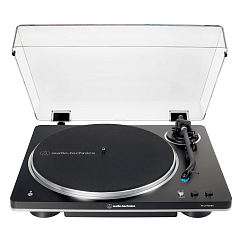
Bluetooth version: 5.2
Brand: Audio-Technica
Cartridge type: MM
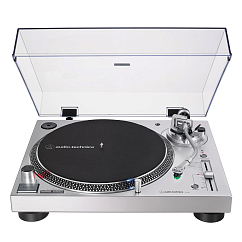


Bluetooth version: 5.2
Brand: Audio-Technica
Cartridge type: MC, MM