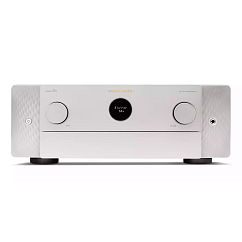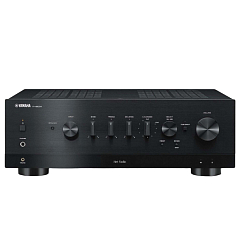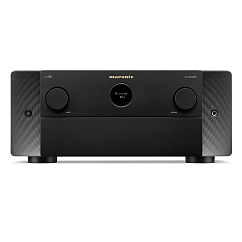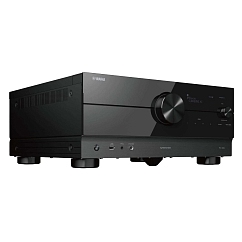


























The Heart of Your Home Cinema: A 2025 Guide to AV Receivers
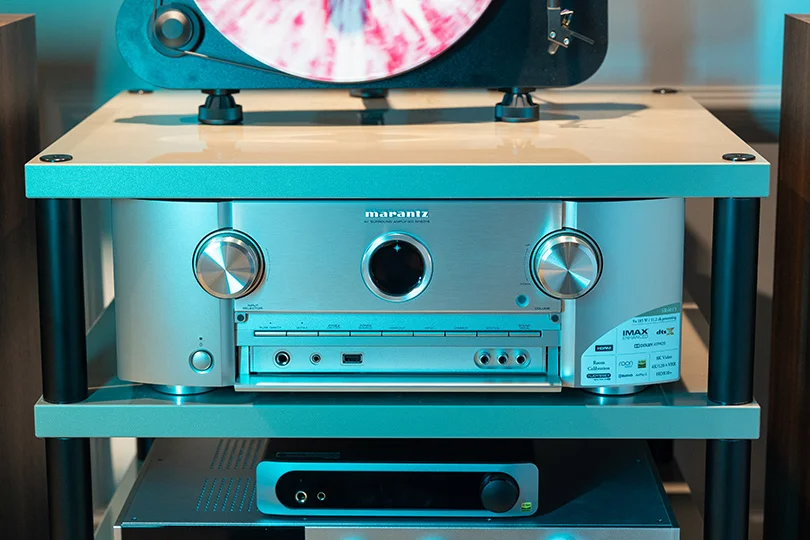
So, you've got a killer TV, maybe even some superb speakers. But something's missing. That immersive, room-shaking, edge-of-your-seat sound experience you get at the cinema just isn't happening in your living room. The missing ingredient? An AV Receiver (AVR).
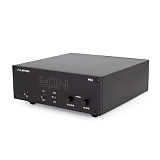
Think of the AVR as the brain and powerhouse of your entire home theater setup. It takes all your audio and video sources (streaming box, game console, Blu-ray player), processes the signals, sends pristine video to your TV or projector, and powers all your speakers to create that incredible surround sound experience.
Choosing the right AVR can feel daunting, but it doesn't have to be. Let's break down exactly what you need to look for.
Contents
First Things First: AVR vs. Stereo Receiver
- AV Receiver: Designed for multi-channel surround sound (home cinema). It has numerous speaker outputs (5, 7, 9, or more), decodes surround formats like Dolby Atmos, and handles video switching. It can play music in stereo, but its primary mission is movies and games.
- Stereo Receiver: Designed for two-channel audio (stereo). It typically has outputs for just two main speakers (and maybe a subwoofer) and focuses on delivering the best possible sound quality for music. Some newer models include HDMI inputs for basic TV audio, but they don't do surround sound.
The Verdict: If immersive movie sound is your goal, you need an AV Receiver. If music is your absolute priority, a stereo receiver might be a better fit.
Decoding the Jargon: Key Features Explained
Channels: How Many Speakers Can You Drive?
This is the most fundamental spec. It tells you how many speakers the AVR can power. You'll see numbers like 5.1, 7.1, 9.2, or 7.1.4. Let’s call them X, Y, and Z for convenience.
- X: The number of main surround channels (Front Left/Right, Center, Surround Left/Right, Surround Back Left/Right, etc.).
- Y: The number of subwoofer outputs.
- Z: The number of height channels for immersive formats like Dolby Atmos (speakers in or firing towards the ceiling).
Recommendation: A 7-channel AVR is the sweet spot for most rooms. This allows for a standard 5.1 setup plus either two rear surround speakers (7.1) or two height speakers for Dolby Atmos (5.1.2). Aiming for 9 or more channels gives you flexibility for larger rooms and more advanced Atmos/DTS:X configurations (like 7.1.4).
HDMI: The Only Connection That Matters (Almost)
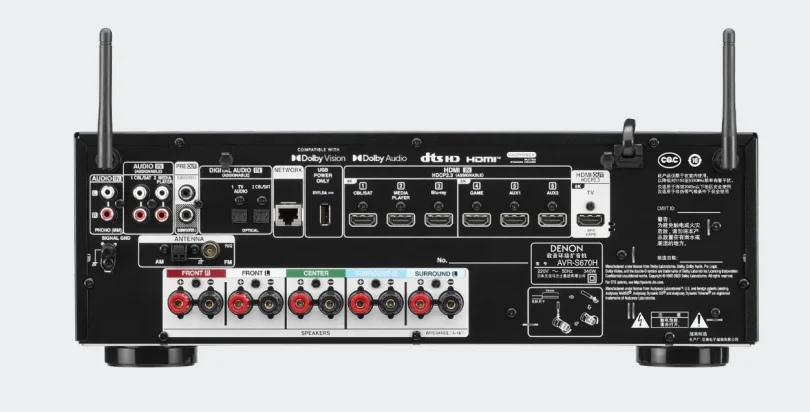
Your AVR acts as the central hub. All your video sources plug into the AVR, and a single HDMI cable runs from the AVR to your TV.
- Number of Inputs: Get more than you think you need! Aim for at least 4–6 HDMI inputs.
- HDMI Version (2.1 vs 2.0):HDMI 2.1 is crucial if you're a serious gamer with a PlayStation 5 or Xbox Series X and a 120Hz TV. It enables features like 4K/120Hz and VRR (Variable Refresh Rate). For everyone else, HDMI 2.0 is perfectly adequate for 4K/60Hz video.
- eARC (Enhanced Audio Return Channel): This feature (part of HDMI 2.1, but sometimes found on 2.0 ports) is essential. It allows your TV to send the highest quality audio (including Atmos from built-in streaming apps) back to the AVR using the same HDMI cable.
Surround Sound Formats: The Immersive Magic
Your AVR needs to decode the latest audio formats to deliver that 3D sound bubble.
- Dolby Atmos & DTS:X: These are the current kings. They aren't just channel-based; they're "object-based," allowing sound designers to place sounds precisely in 3D space around you (like that helicopter flying overhead). Support for both is standard on most modern AVRs.
- Auro-3D: A less common but highly regarded immersive format, often found on higher-end receivers.
Video Support: Future-Proof Your Picture
Even though the AVR's main job is sound, it needs to handle modern video signals flawlessly.
- 4K (and 8K) Passthrough: Ensure the AVR can pass through at least 4K/60Hz signals. 8K support is becoming more common, but isn't essential for most people yet.
- HDR Support (HDR10, Dolby Vision, HLG, HDR10+): High Dynamic Range (HDR) makes the picture brighter and more vibrant. Your AVR needs to support the formats your TV and sources use (HDR10 and Dolby Vision are the most important).
Wireless Connectivity: Streaming & Smart Features
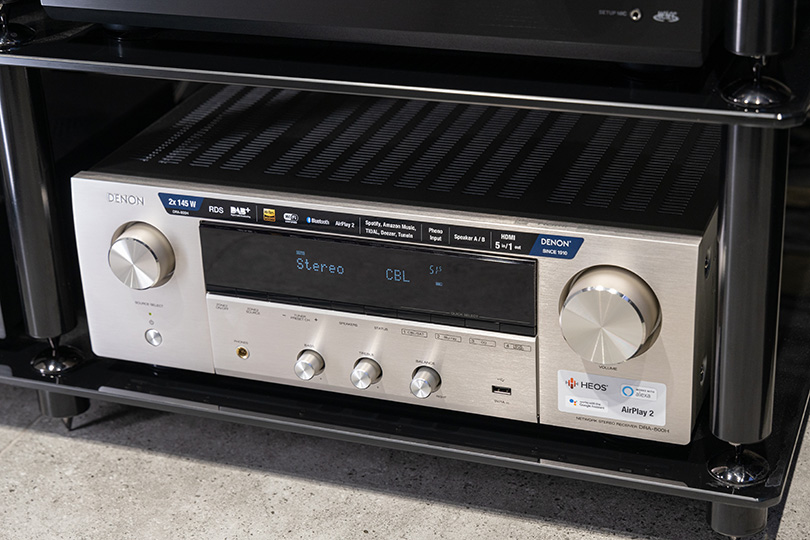
- Wi-Fi & Ethernet: Essential for firmware updates, streaming music services (Spotify Connect, Tidal Connect), internet radio, and multi-room audio.
- Bluetooth: Handy for quick music streaming from a phone, but Wi-Fi generally offers better sound quality.
- Apple AirPlay 2 & Chromecast: Makes streaming from Apple and Android devices incredibly easy.
Room Correction: Your Secret Weapon
This might be the single most important feature for getting great sound. Every room affects sound differently. Room correction systems use an included microphone to measure how sound behaves in your specific space and then automatically adjust the AVR's settings to compensate for your room's acoustic problems.
- Common Systems: Audyssey (Denon/Marantz), Dirac Live (Onkyo, Pioneer, high-end brands), YPAO (Yamaha), MCACC (Pioneer).
- Why it Matters: A good room correction system can make a bigger difference to your sound quality than upgrading your speakers. Dirac Live is generally considered the most advanced, but even basic systems make a huge improvement.
Power: Quality Over Quantity
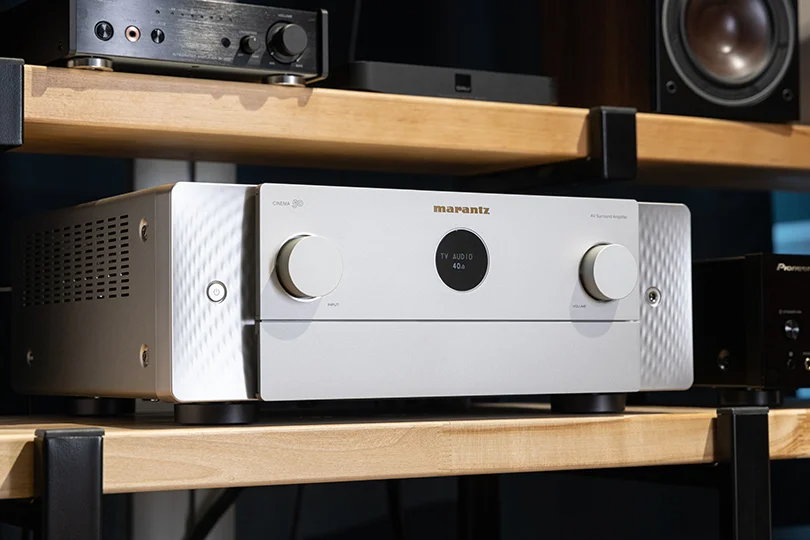
Don't get obsessed with wattage ratings. A receiver claiming 100 watts per channel might sound much less powerful and controlled than one rated at 70 watts if the latter has a better power supply and amplifier design. Focus on reputable brands and look for realistic power ratings (often specified with 2 channels driven into 8 ohms). For most rooms and speakers, 70–100 high-quality watts per channel is plenty.
The Final Checklist
- How Many Channels? Start with 7 channels (for 5.1.2 Atmos) unless you have a very large room.
- HDMI Needs? Gamers need HDMI 2.1. Everyone needs eARC and enough inputs (aim for 6+).
- Essential Formats? Dolby Atmos and DTS:X support are must-haves. Ensure HDR passthrough (HDR10, Dolby Vision).
- Connectivity? Wi-Fi is essential for streaming and smart features.
- Room Correction? Don't skip this! Look for Audyssey, Dirac Live, or YPAO.
An AV Receiver is the command center that unlocks truly immersive home cinema. Choosing wisely sets the foundation for years of incredible movie nights. Need to hear the difference? Come visit the Dr. Head showroom in Dubai — we live and breathe this stuff and will be happy to help you find the perfect heart for your system.
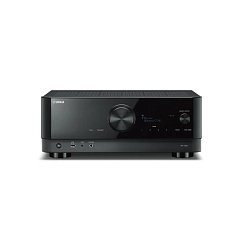


AirPlay support: yes
Bluetooth version: 5.0
Brand: Marantz