












Record Like a Pro: 5 Golden Rules for Better Studio Audio
Have you ever finished a long recording session, listened back to your tracks, and thought, "Why does this sound so... wrong?" It lacks punch, it sounds muddy, or there’s a weird hum you can’t get rid of.
Don't panic. You don't need a million-dollar studio to get a million-dollar sound. Often, the difference between a "demo" and a "hit" comes down to physics and workflow, not just gear.
Here are 5 universal rules to instantly upgrade the quality of your recordings, whether you are building your first bedroom studio or upgrading a professional setup.
Contents
1. The Room is Your First Instrument
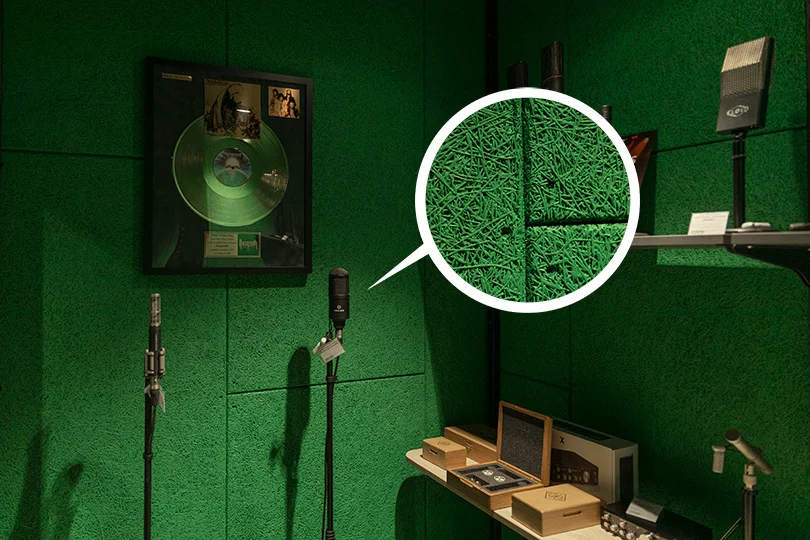
Sure, many legendary albums were recorded in weird places. Say, Led Zeppelin recorded the massive drums for "When The Levee Breaks" in a hallway to get that huge, echoing sound. But that was a creative choice. For most recordings, you want control, not chaos.
The Goal: You need to tame the "early reflections" — sound bouncing off walls and hitting the mic milliseconds after the direct sound. This causes a muddy, hollow effect that you can't fix in the mix.
- Don't use egg cartons or cheap foam. They only absorb high frequencies, leaving your room sounding boomy and dull.
- Do use proper acoustic panels and bass traps.
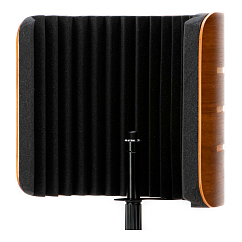
The Bedroom Hack: If you can't treat the whole room, use a reflection filter like the sE Electronics RF SPACE. It sits behind your mic and stops your voice from bouncing around the room, giving you a dry, professional vocal take instantly.
2. Choose the Right Mic for the Job
In a pro studio, mics are like golf clubs — you pick the right one for the shot.
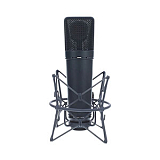
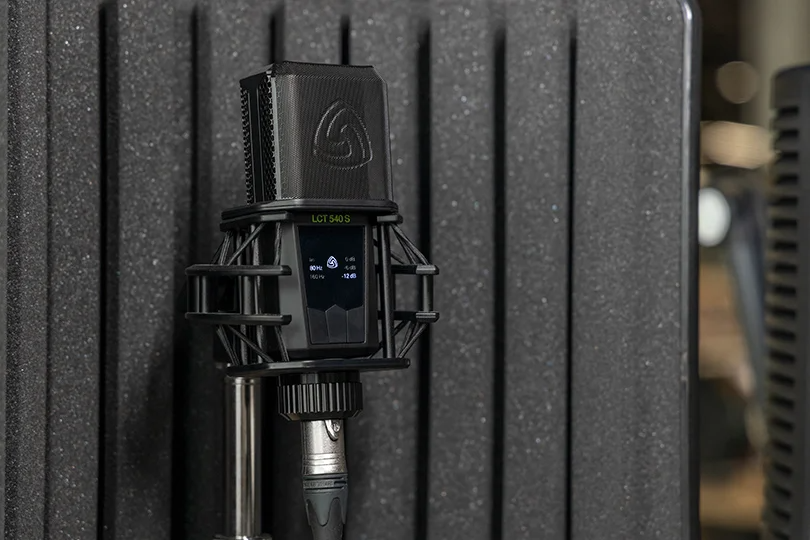
- For Vocals: You generally want a Large-Diaphragm Condenser. These capture the full richness and detail of the human voice. A model like the Lewitt LCT 540 Subzero is fantastic because it has practically zero self-noise, meaning you hear only the voice, nothing else.
- For Acoustic Instruments: To capture the sparkle of a guitar or piano, use Small-Diaphragm Condensers (often in pairs for stereo). The Soyuz 013 FET is a great choice here — compact but full-bodied.
- For "Vintage" Vibes: If you are recording brass, electric guitar amps, or want a moody jazz vocal, try a Ribbon Microphone. They are famous for their dark, smooth top end that tames harsh sounds perfectly.
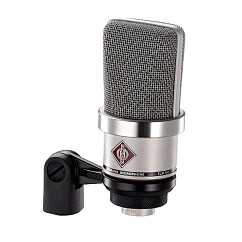
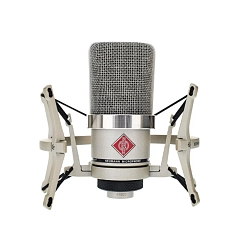
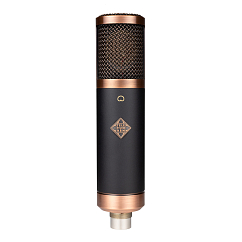

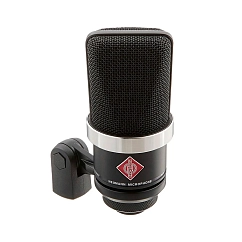
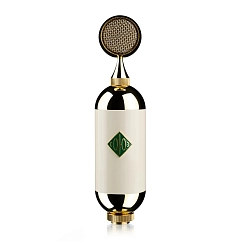
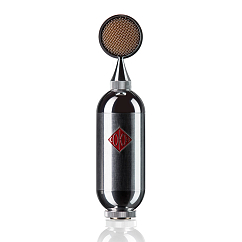
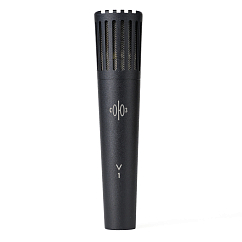
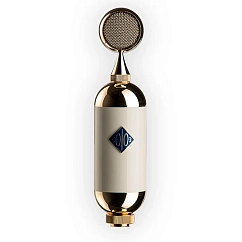
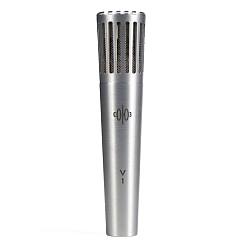

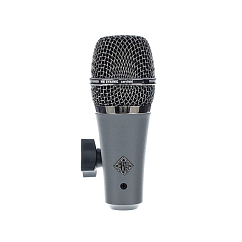
Capsule diameter, mm: 25
Audio signal format: mono
Brand: Telefunken
3. Don’t Underestimate the Preamp

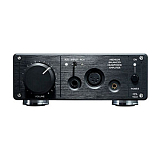
The preamp is the muscle of your signal chain. It boosts the tiny signal from your mic up to a usable level. While your audio interface has built-in preamps, an external one can add serious character.
Think of it as pairing wine with food:
- Bright Mic + Dark Preamp: If your mic is very sharp and airy, a tube preamp can smooth it out and add warmth.
- Dark Mic + Fast Preamp: If you use a ribbon mic, a fast, transparent transistor preamp can bring it to life and add detail.

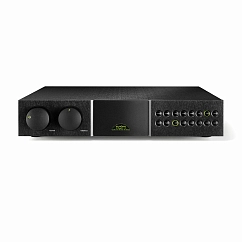
Brand: Naim
Input connectors: RCA, 6.35mm jack, XLR
Output connectors: XLR
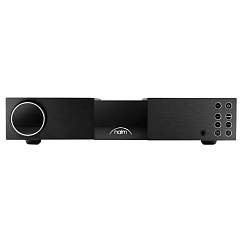
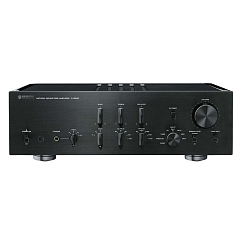
Brand: Naim
Input connectors: RCA, XLR
Output connectors: RCA, XLR, DIN
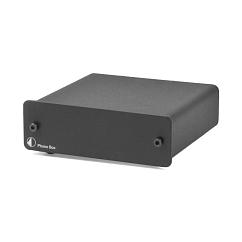

Brand: Pro-Ject
Input connectors: RCA, XLR
Output connectors: XLR, RCA
Form factor: stationary
Number of channels: 2
Power per channel at 4 ohms, W: 200
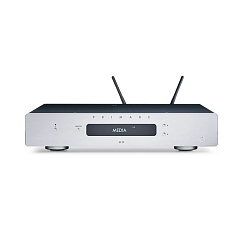
AirPlay support: yes
Connection method: bluetooth, wifi, rj45
DSD support: yes
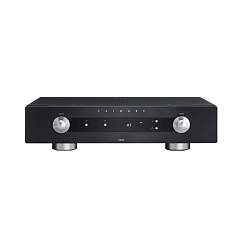
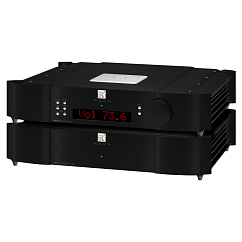
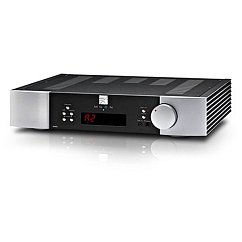
Brand: Moon by Simaudio
Input connectors: RCA, XLR
Output connectors: RCA, XLR
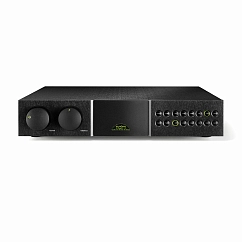
Brand: Naim
Input connectors: RCA, DIN
Output connectors: DIN

Brand: Pro-Ject
Input connectors: RCA, XLR
Output connectors: RCA, XLR
4. Use a DI Box for Guitars and Synths
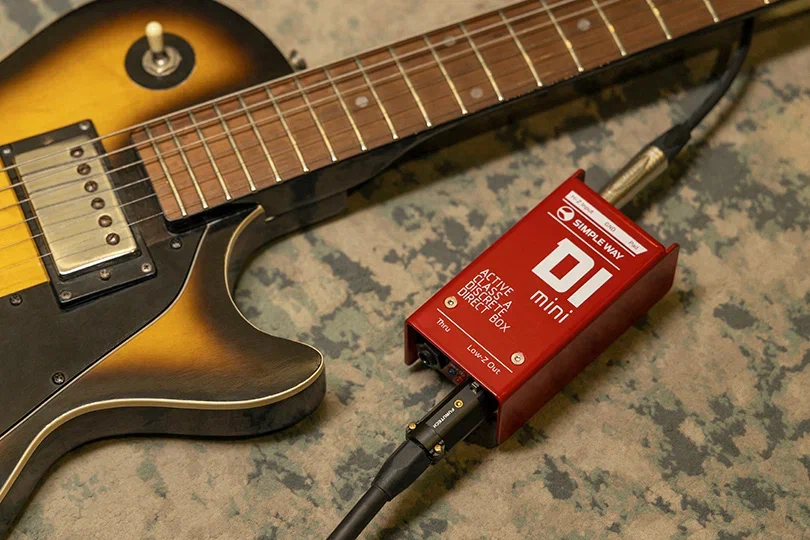
Ever plugged a guitar directly into a mixer and wondered why it sounded thin and lifeless? That’s an impedance mismatch.
A DI (Direct Injection) Box is the unsung hero of the studio. It converts your instrument's signal into a balanced microphone-level signal that your mixer or interface loves.
- Why you need it: It preserves the tone, punch, and high-end detail of your bass or synth.
- The Bonus: Good DI boxes (like those from SimpleWay Audio) have a "Ground Lift" switch. This magically eliminates that annoying hum/buzz caused by electrical grounding issues.
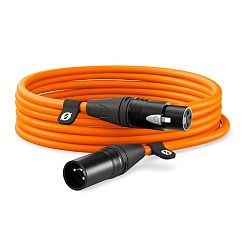
5. Cables Matter (Seriously)
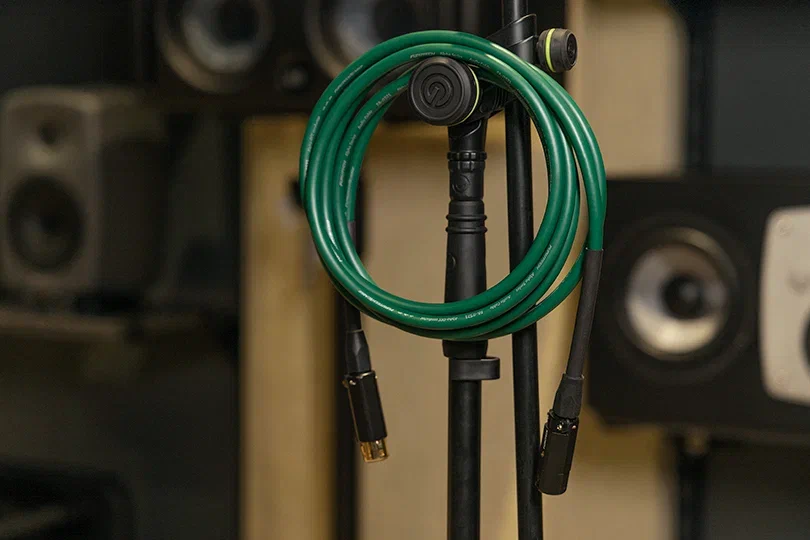
You can spend $5,000 on a mic and $2,000 on a preamp, but if you connect them with a $5 cable, you are ruining your sound.
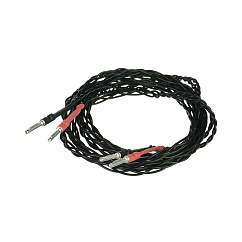
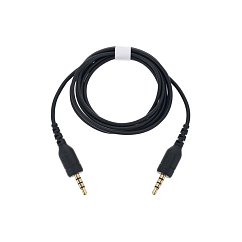
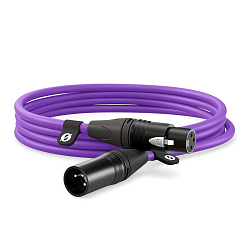
Cheap cables act like antennas. They pick up radio interference, Wi-Fi noise, and electrical hum.
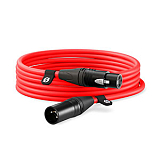
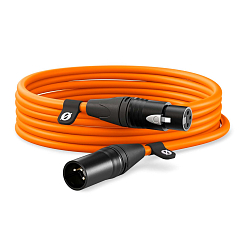
- The Fix: Use cables with high-quality shielding and sturdy metal connectors (like Neutrik or Switchcraft).
- The Test: Unscrew the connector. If you see messy soldering and thin plastic insulation, throw it away. Good cables are an investment in silence.





The Verdict
Great sound is a chain reaction. By treating your room, picking the right mic, pairing it with a good preamp, using a DI box, and connecting it all with quality cables, you eliminate the weak links.
Want to hear the difference these changes make? Come to the Dr.Head showroom in Dubai. You can test our mics, preamps, and acoustic treatment solutions in our professional studio environment. Let’s get your recordings sounding like hits — so that they get a chance to become hits.